Naritasan Ramen Street 成田山らーめんストリート | Narita, Japan | 80/100

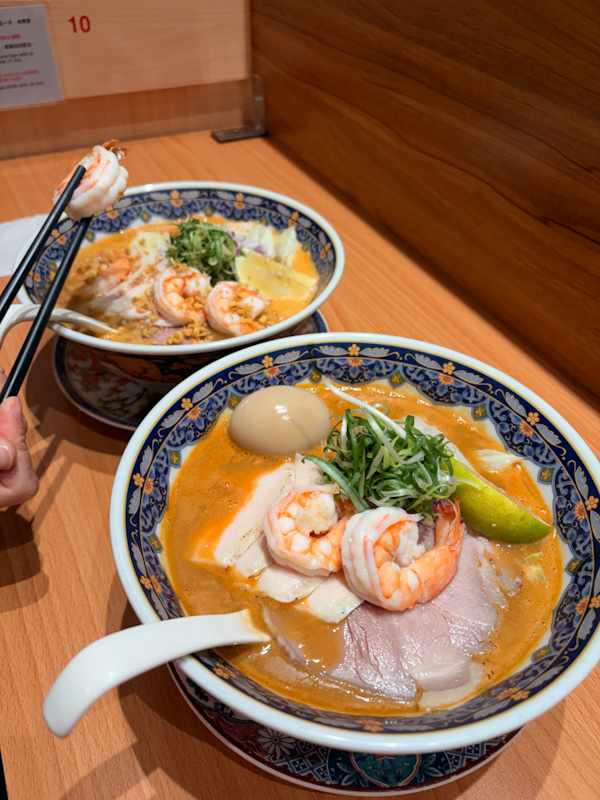
Just a stone’s throw from the JR Narita Station, tucked within the basement of the Skytown Narita building, lies Naritasan Ramen Street (成田山らーめんストリート). While the nearby Omotesando is world-renowned for its traditional eel (unagi) houses, this specialized enclave offers a modern, high-concept alternative for those looking to explore Japan’s noodle heritage before or after a visit to the Naritasan Shinshoji Temple. It isn’t just a collection of shops; it is a curated gastronomic hub designed with a “U-shaped” shared seating layout that encourages a communal yet focused tasting experience.

Naritasan Ramen Street 成田山らーめんストリート | Narita, Japan | 80/100 Read Post »

Kimagure きまぐれ | Katori, Japan | 65/100

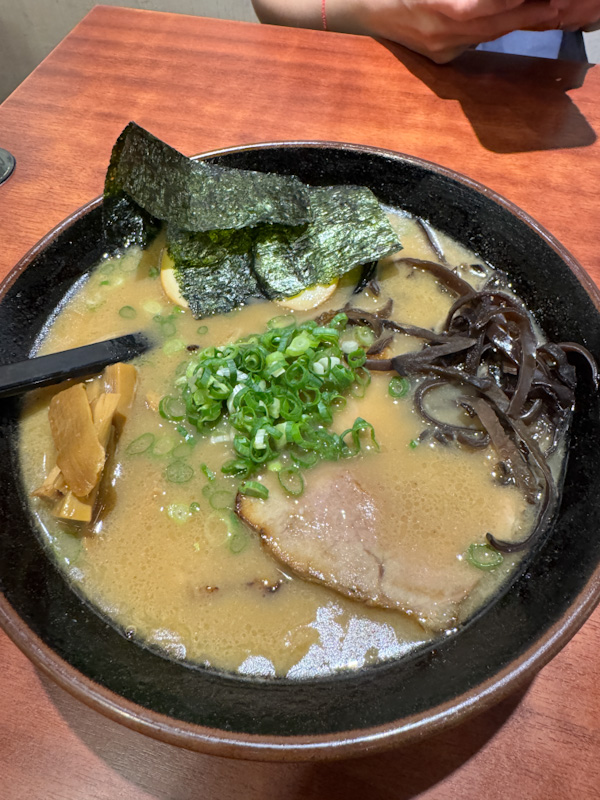
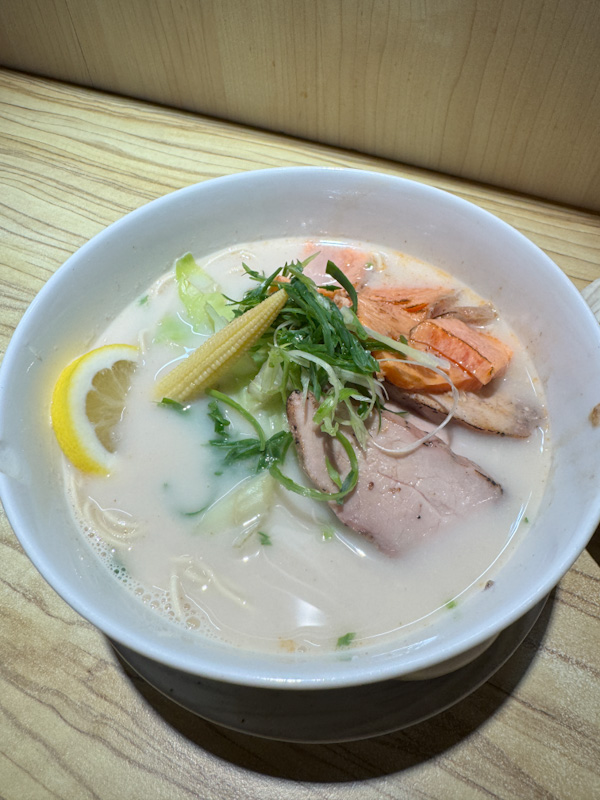
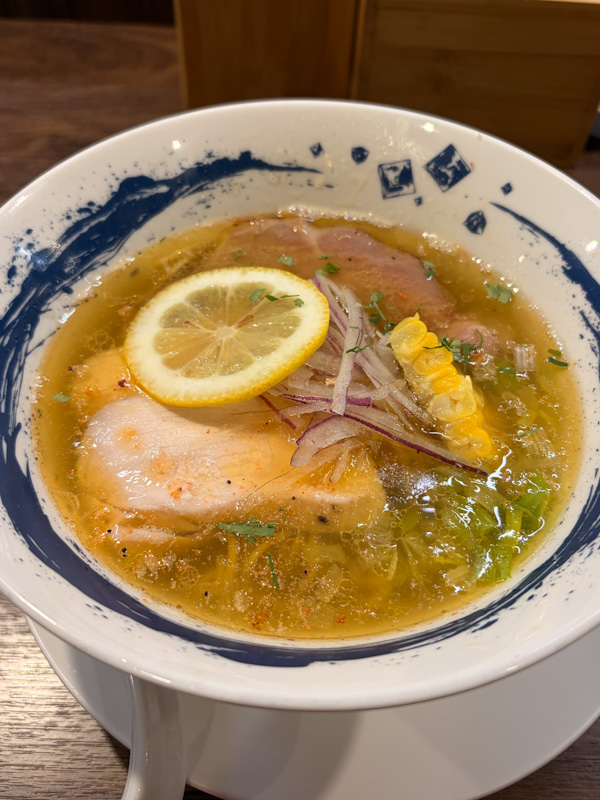
As I navigated the historic merchant streets of Sawara, my curiosity led me to Kimagure, an izakaya that distinguishes itself with a surprisingly robust selection of ramen. In a district defined by its Edo-period preservation, finding an establishment that balances the social atmosphere of a tavern with a serious dedication to noodle craft is a noteworthy discovery. For this session, I opted for the Agodashi Ramen and Tontori Paitan to see how the kitchen handles the delicate, nuanced profile of these two drastically different ramen.

Kimagure きまぐれ | Katori, Japan | 65/100 Read Post »

Ramen KIOU | Singapore | 80/100

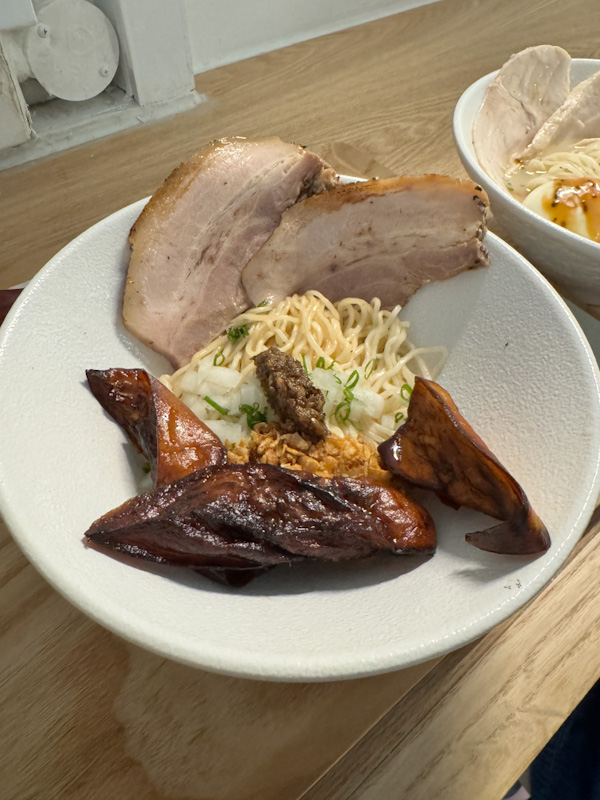
Rather than adopting the widely available Hakata style, Ramen KIOU specializes in an Osaka-style, salt-based tonkotsu broth paired with noodles engineered for a slightly thicker, springier bite. They are particularly recognized for their approach to chashu, utilizing a thick-cut, house-marinated preparation method that stays true to their Japanese origins. Beyond these traditional bowls, the shop is also known for its experimental menu items. Offerings like the garlic-centric Riki Tonkotsu and the unconventional Tomato Cheese Ramen demonstrate a willingness to test established ramen formats, providing a distinct alternative to standard tonkotsu options without giving away exactly how those bold concepts play out on the palate.

Ramen KIOU | Singapore | 80/100 Read Post »

Ryokudo | Singapore | 75/100

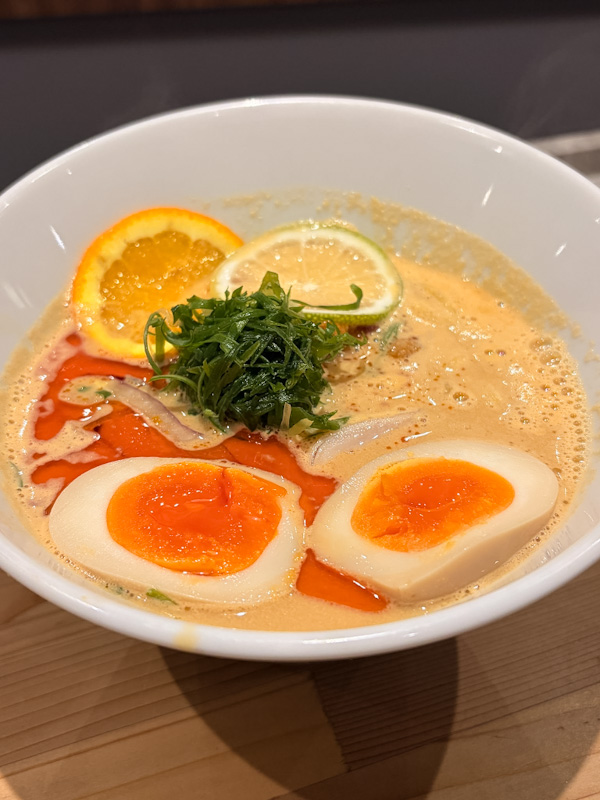
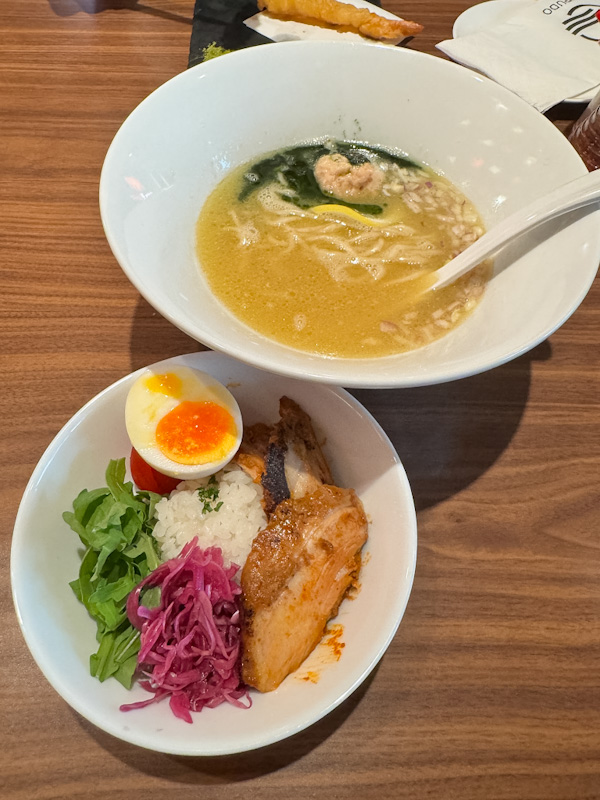
Ryokudo Singapore made its debut at Far East Square not long ago, bringing a unique shokudo-inspired dining experience from Jakarta to the heart of the Singapore CBD. The name itself—a blend of “Ryo” (the founder) and “shokudo” (a traditional Japanese casual eatery)—hints at its mission: providing high-quality, comforting Japanese fare in an unpretentious setting. While the brand initially gained popularity in Indonesia as a donburi specialist, its Singapore flagship introduces a dedicated focus on tori ramen and a curated selection of Japanese sides that signal a commitment to refined, house-made basics.

Ryokudo | Singapore | 75/100 Read Post »

Chef Wai’s Noodle Bar | Singapore | 60/100

The Chef Wai’s Noodle Bar at New Tech Park (Lorong Chuan) occupies a unique space in Singapore’s dining landscape, standing apart from the more common franchised Lenu outlets found in heartland malls. While the name suggests a singular focus, this specific location is notable for its signature “Poached Rice” (Pao Fan), a specialty that serves as a surprising centerpiece for a noodle-centric brand. For the dedicated enthusiast at ahboylikeramen.com, the intrigue lies in the technical flexibility of the kitchen

Chef Wai’s Noodle Bar | Singapore | 60/100 Read Post »

Hototogisu Ramen | Singapore | 50/100

Originally arriving in Singapore under the prestigious Konjiki Hototogisu banner—famed for its Michelin-starred clam broth in Tokyo—the chain has undergone a significant transformation over the years. Most outlets have dropped the “Konjiki” prefix and is just called Hototogisu Ramen. This shift signals more than just a name change; it represents a strategic pivot toward a menu that prioritizes local preferences and operational streamlining over the niche, complex profiles of its early years.

Hototogisu Ramen | Singapore | 50/100 Read Post »

Haru Haru Ramen | Singapore | 75/100

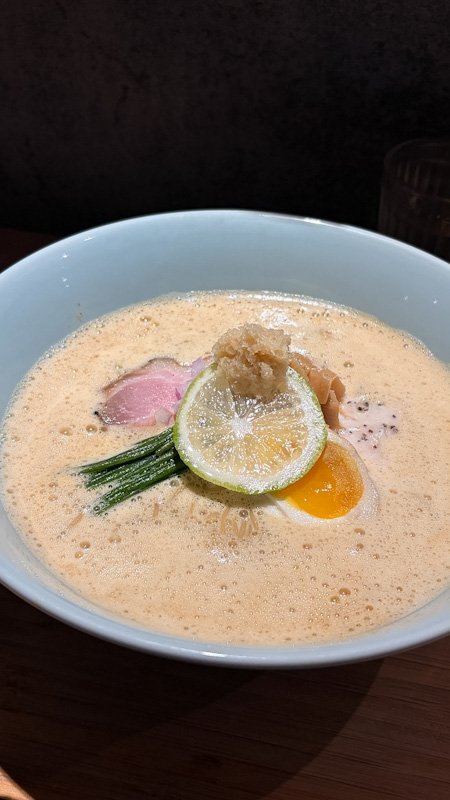
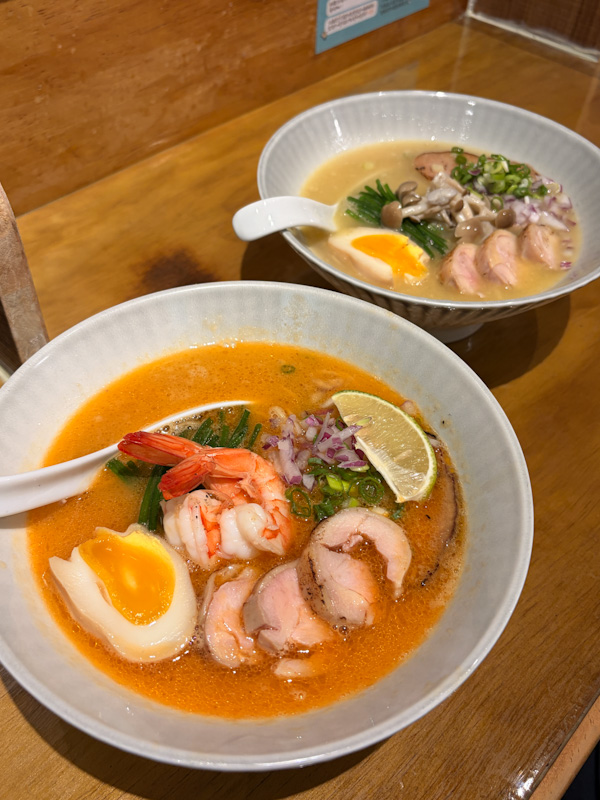
What distinguishes this spot is Chef Haruyama’s focus on a Chicken Collagen broth—a departure from the pork-heavy tonkotsu that dominates the local palate. By opting for a pork and lard-free base, the stall offers a cleaner, more focused profile that highlights poultry extraction over heavy fats. While many know the brand for its specialty in Mentaiko and hearty katsu, the ramen menu serves as a technical showcase of the chef’s Osaka roots.

Haru Haru Ramen | Singapore | 75/100 Read Post »

Scroll to Top