Malaysia

The best ramen in Malaysia

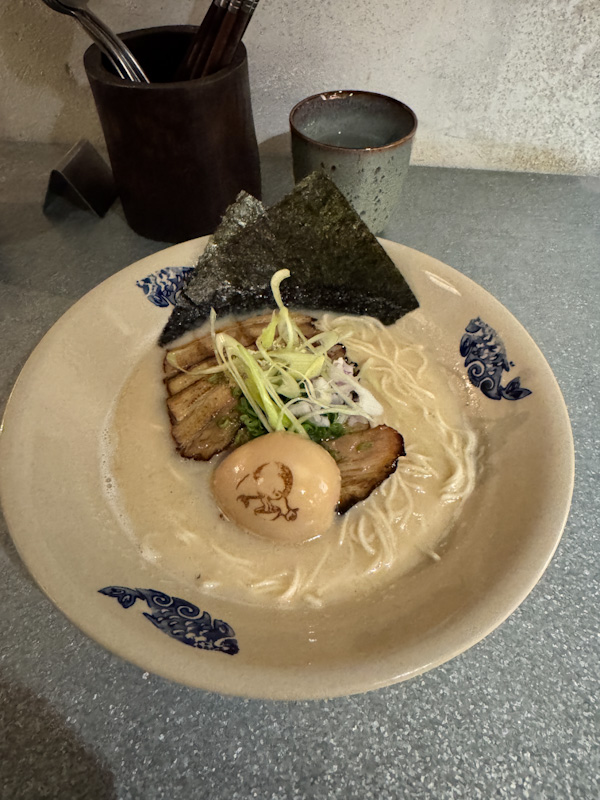
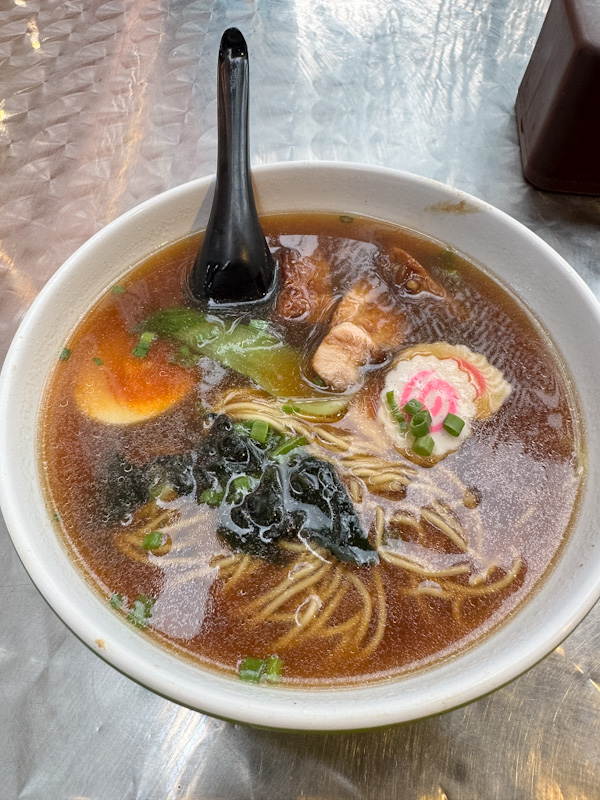
Two Old Man Ramen | Kuala Lumpur, Malaysia | 65/100

Tucked along Kasturi Walk right beside Central Market in Kuala Lumpur, Two Old Man Ramen brings the traditional Japanese yatai (street stall) concept directly into the heart of the city’s heritage district. Operating strictly in the evenings as the sun sets and LRT trains pass overhead, the open-air setup offers a compact counter-seating layout that mirrors the atmospheric roadside stalls of Fukuoka.

Two Old Man Ramen | Kuala Lumpur, Malaysia | 65/100 Read Post »
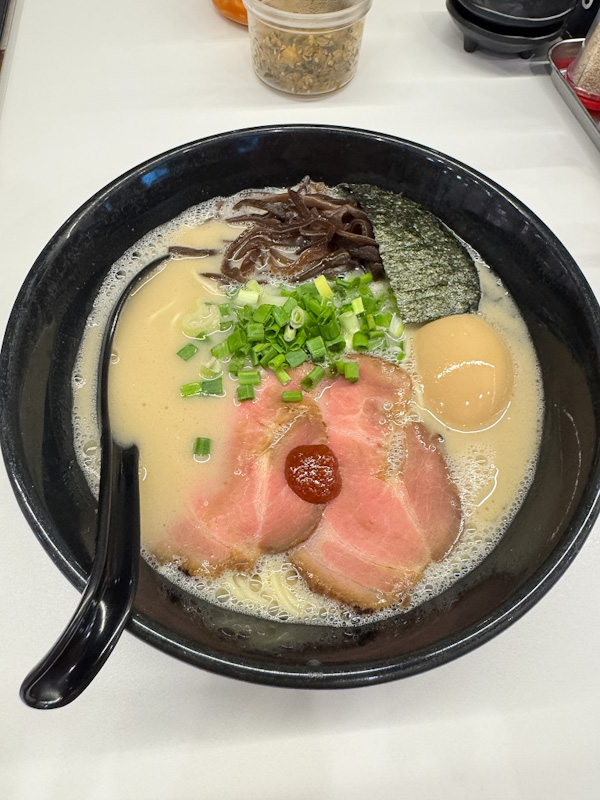
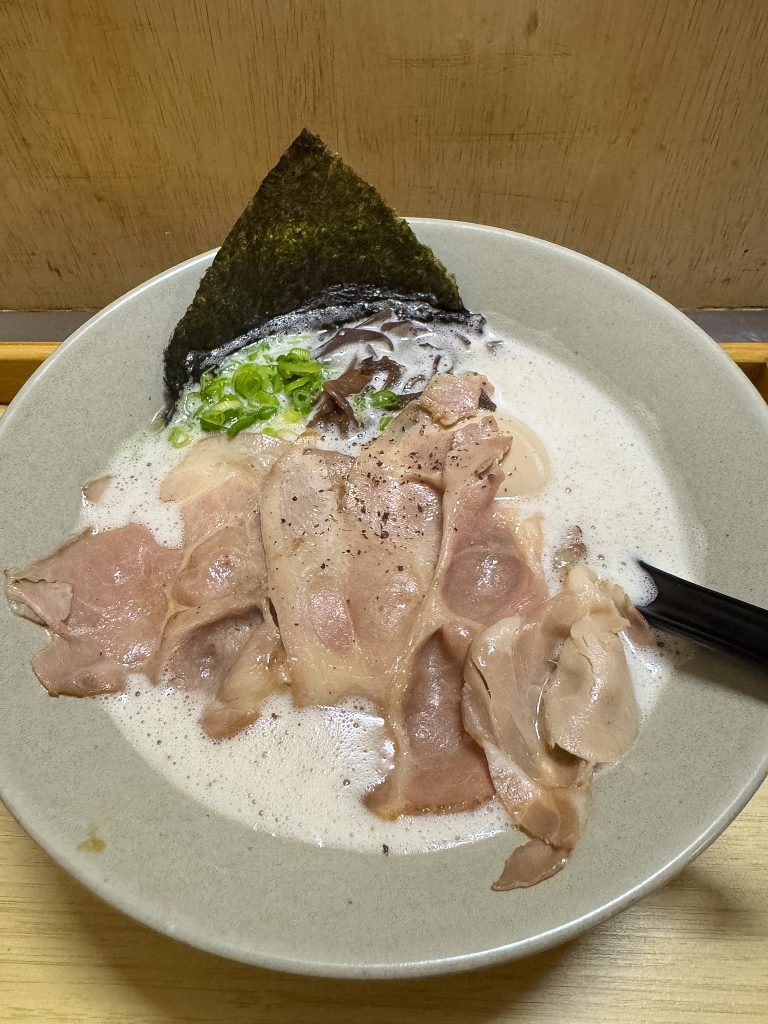
Raijin Ramen at REXKL | Kuala Lumpur, Malaysia | 85/100

For those exploring the Chinatown KL food scene, Raijin offers a unique intersection where traditional Hakata-style techniques meet the grit of an urban heritage hub. The stall features a minimalist, light-wood counter seating arrangement that allows diners to witness the meticulous preparation of their bowls, creating an intimate connection between the chef and the community.

Raijin Ramen at REXKL | Kuala Lumpur, Malaysia | 85/100 Read Post »

10 CKT in 10 Days: Ah Boy’s Side Quest in Penang

When a Penang trip came up, this side quest felt inevitable. Not a single “best char kway teow” hunt, but a cross-section. Street carts, coffee shops, food courts, neighbourhood markets, and stalls with decades of reputation attached to them. The goal wasn’t to crown a winner on paper, but to eat enough bowls back-to-back to understand the range. What changes. What stays stubbornly the same. And where Penang char kway teow quietly draws the line between identity and adaptation.

10 CKT in 10 Days: Ah Boy’s Side Quest in Penang Read Post »

Ramen Killer | Penang, Malaysia | 60/100

If you’re searching for Ramen Killer in Penang, here’s the quick orientation: it’s a reservation-only Japanese ramen bar in George Town, most often associated with Beach Street (Lebuh Pantai) and frequently tagged around “516, Beach Street / 516 Lebuh Pantai”, with posts also noting it’s near Khling Cafe. The store leans hard into controlled access, not foot traffic. Expect no walk-ins, very limited seating (often cited as about 10 seats), and limited portions per day (you’ll see “50 bowls” mentioned repeatedly across social posts).

Ramen Killer | Penang, Malaysia | 60/100 Read Post »

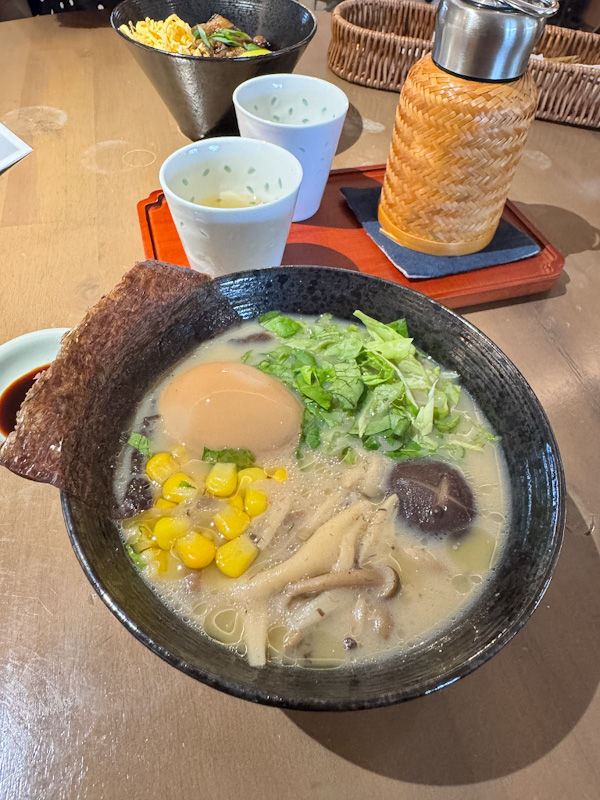
Kanbe Ramen | Kuala Lumpur, Malaysia | 85/100

Brought in and run by Japanese chefs, Kanbe leans into a very specific niche: Hakata-style tonkotsu ramen and tsukemen, with a menu built around customisation. You pick not just your style of noodle, but also how firm you want them, how intense you prefer the broth, and even the amount of oil and aromatics – a level of control that has made it popular with both local regulars and Japanese expats in KL.

Kanbe Ramen | Kuala Lumpur, Malaysia | 85/100 Read Post »

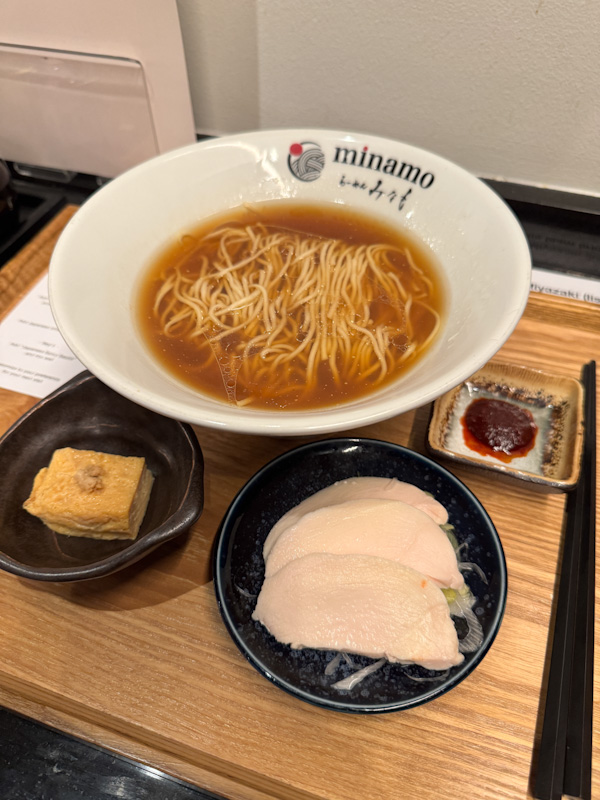
Enishi | Kuala Lumpur, Malaysia | 100/100

Enishi is one of those ramen imports that arrives with a bit of a résumé. The shop hails from Kobe, Japan, where it earned a Michelin Bib Gourmand nod and a spot among Tabelog’s Top 100 ramen restaurants, before branching out to cities like Bangkok, Singapore, and now Kuala Lumpur.  The Malaysia outpost sits in Mont Kiara, a neighbourhood popular with Japanese residents, and keeps things deliberately tight: an intimate bar-style space, an open kitchen, and a focused menu built around just two styles — their signature dan dan noodles and a dashi-based ramen. 

Enishi | Kuala Lumpur, Malaysia | 100/100 Read Post »

Scroll to Top