WHAT WE ATE
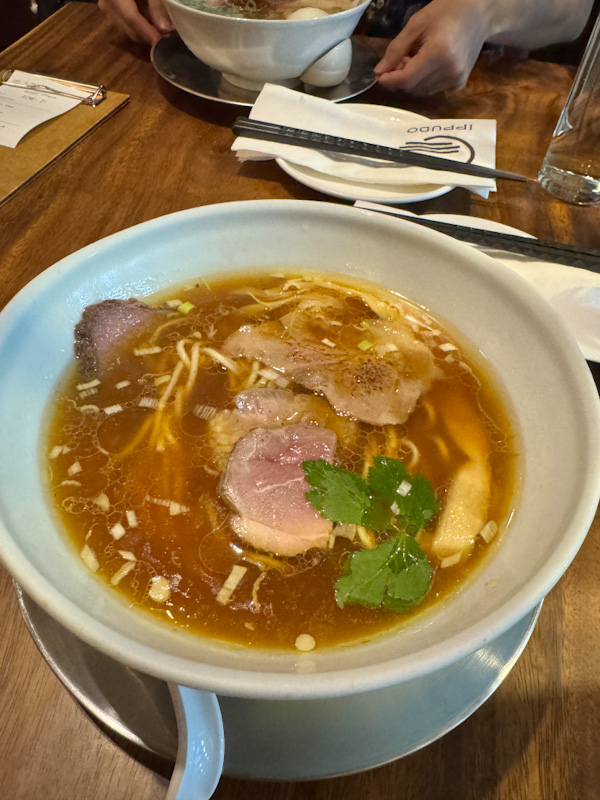
- Shoyu Ramen, 80/100 (18 Jan 205, Wisteria Mall)
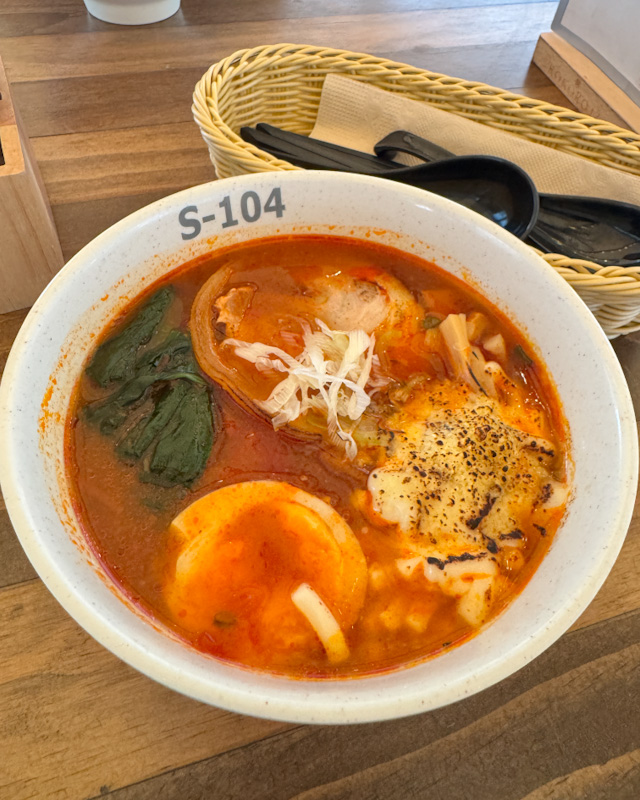
- Miso Ramen, 60/100 (18 Jan 205, Wisteria Mall)
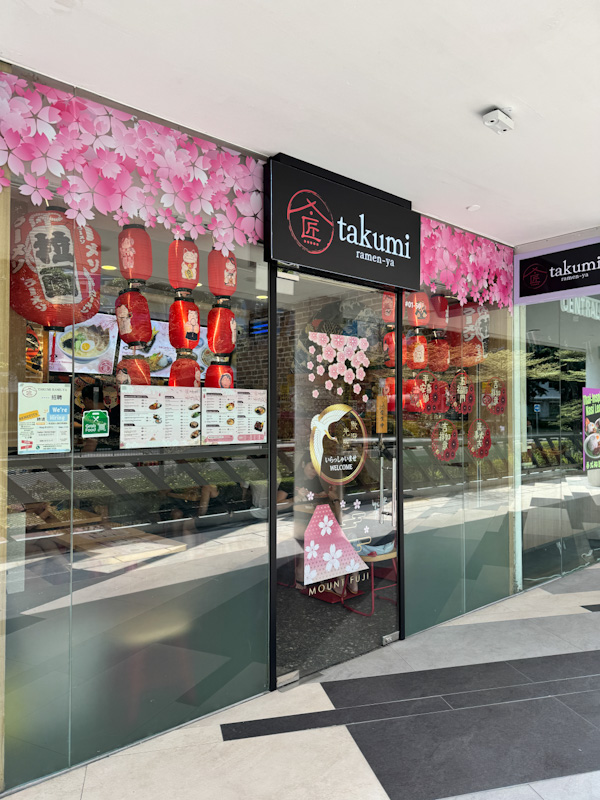
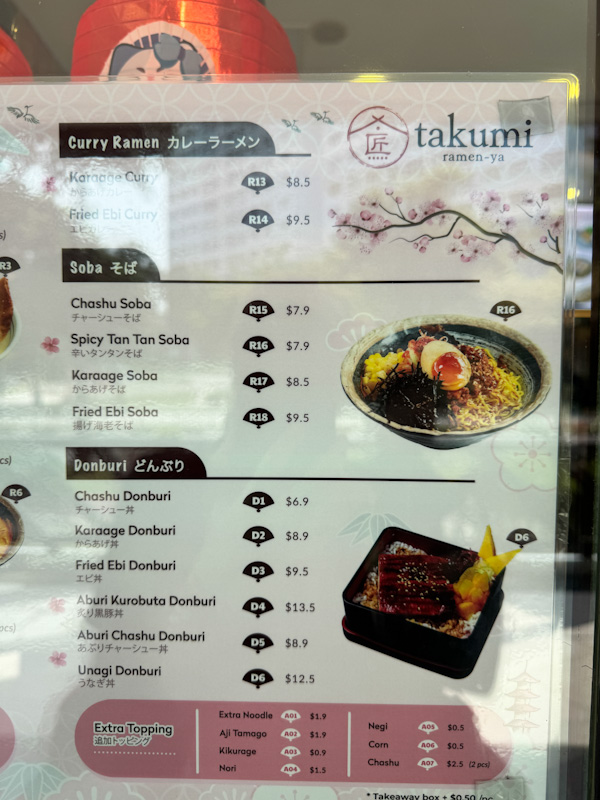
Takumi Ramen-Ya Singapore is a relatively new ramen shop in Yishun, and that alone makes it worth clocking. Yishun isn’t a ramen desert because of taste or demand, but simply because there aren’t many ramen shops physically located in the area. For residents in the north, most ramen fixes usually involve travelling out. So when a dedicated ramen-ya opens locally, it naturally draws attention, curiosity, and repeat foot traffic from the neighbourhood.
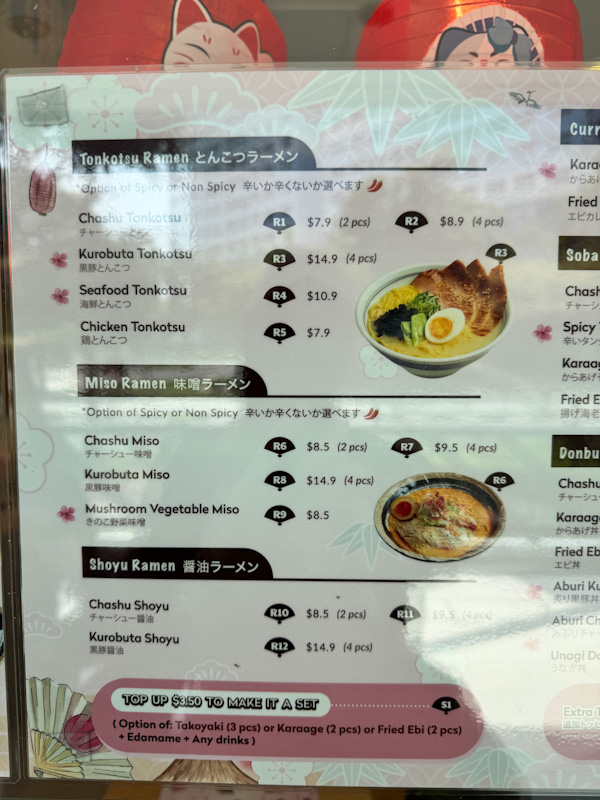
You’ll find Takumi Ramen-Ya Singapore inside Wisteria Mall, positioning itself as a casual, everyday ramen stop rather than a destination pilgrimage. The menu anchors itself around familiar Japanese ramen categories like tonkotsu ramen, alongside options such as shoyu, miso, and donburi, signalling a broad, approachable lineup rather than a single-style obsession. It’s the kind of place that quietly fills a gap on the map, especially if you live nearby and just want ramen without crossing half the island.


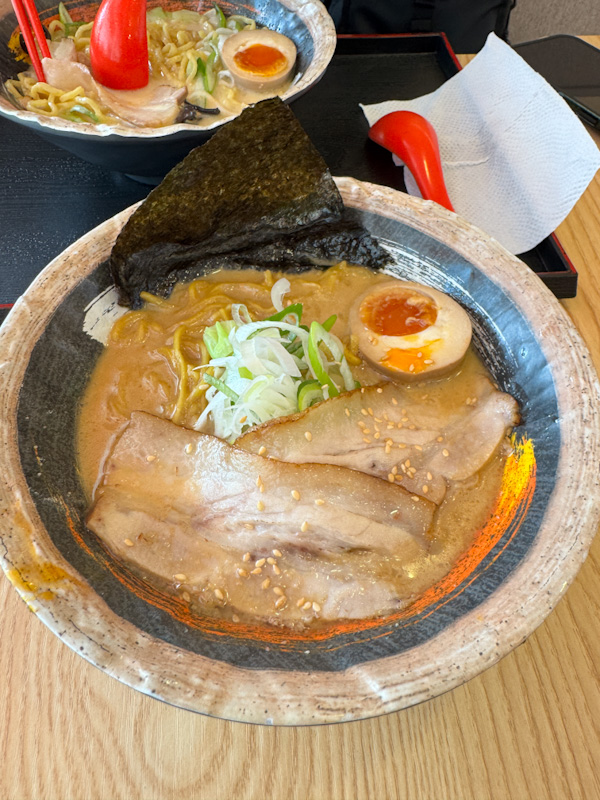
Shoyu Ramen: 80/100
Noodle: 25/35
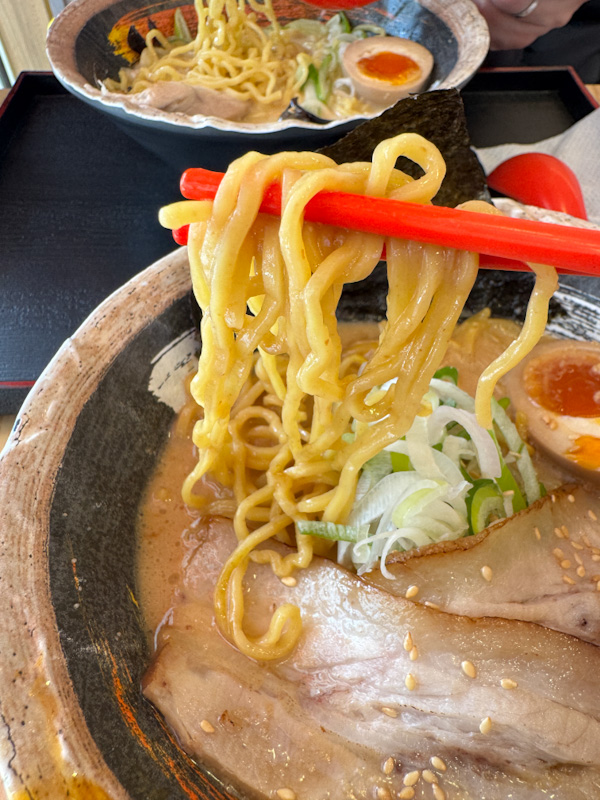
The noodles here are medium-thick, round, and curly, with a bright yellow hue that immediately signals an alkaline profile. Texture-wise, they land on the firmer side, slightly doughy but stopping short of being pasty. The mouthfeel is mildly chewy, controlled, and consistent throughout the bowl, which matters because this noodle is clearly designed to carry flavour rather than shout over it.
In terms of taste, the wheat presence is mild and earthy, with only a very subtle alkaline note. What stands out more is how effectively the noodle absorbs the shoyu from the soup. Each slurp feels seasoned from the inside out rather than coated on the surface, which tells me the noodle-soup pairing was intentional rather than incidental.
Soup: 35/35
The shoyu broth is the clear anchor of this bowl. It opens with a clean, savoury hit at the head, enough to wake the palate without veering into salt-forward aggression. As it settles into the body, an aromatic, nutty sweetness emerges, leaning closer to miso territory than expected, but in a way that adds dimension rather than confusion.
The finish is where familiarity kicks in. Those dark shoyu notes linger, rounded and comforting, evoking a very classic Japanese ramen profile. What impressed me most is the layering. This tastes like a broth built from multiple components rather than a single-note stock. Depth comes through gradually, and the transitions feel natural. I gave this soup a full score not because it only cost $8.5, but because in blind tasting, it would hold its own against many full score broths priced far higher.
Meat: 10/20
The chashu comes in very thin slices of pork belly, and this is where the bowl loses some momentum. The cut is standard, but the execution leans too firm. Texture-wise, both fat and lean demand more chewing than they should. The fat, in particular, is overly chewy, while the lean meat, though juicy, still feels resistant.
Flavour-wise, the marination is solid. There is a balanced sweet-savoury profile that works, but the lightly grilled rims promise smokiness that never quite arrives. It is competent, but it lacks the tenderness and indulgence you want from pork belly in a shoyu-focused bowl. It’s passable but takes away the joy.
Other Toppings: 10/10
Classic but effective.
- The negi does a lot of quiet heavy lifting here. It is juicy, sharply piquant, and adds a clean, almost crisp contrast to the darker tones of the soup.
- The sesame contributes a gentle nuttiness, subtle but effective, reinforcing the soup’s mid-palate without stealing focus.
- The seaweed adds a nice umami punch, especially after soaking it in the broth
Summary
This bowl feels distinctly old-school, almost shokudō-style home ramen rather than modern shop ramen chasing maximalism. The soup suggests a blend of broths built for balance and comfort rather than impact, and the noodle choice reinforces that intent. While the chashu holds it back from true excellence, the overall impression is of a thoughtfully composed, honest shoyu ramen that prioritises structure and layering over flash. It is the kind of bowl that makes sense as a regular meal, not a once-off spectacle, and sometimes that restraint is exactly the point.

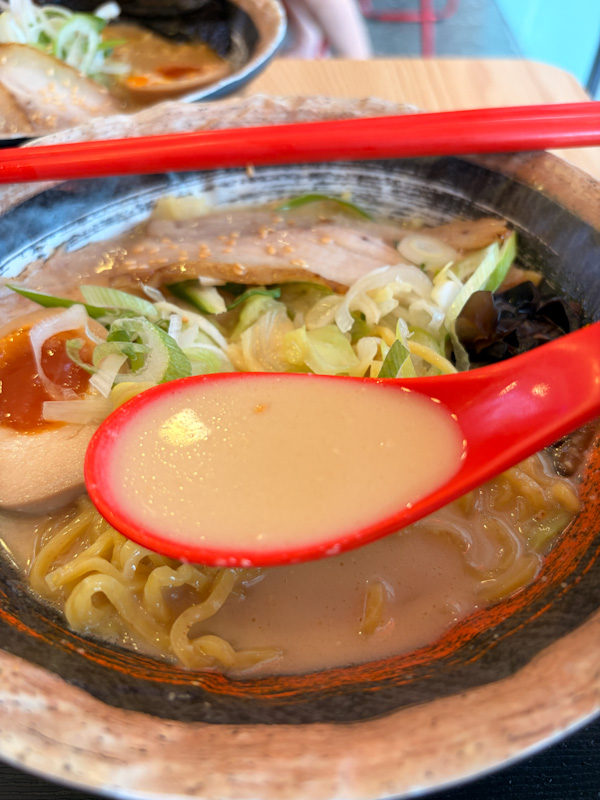
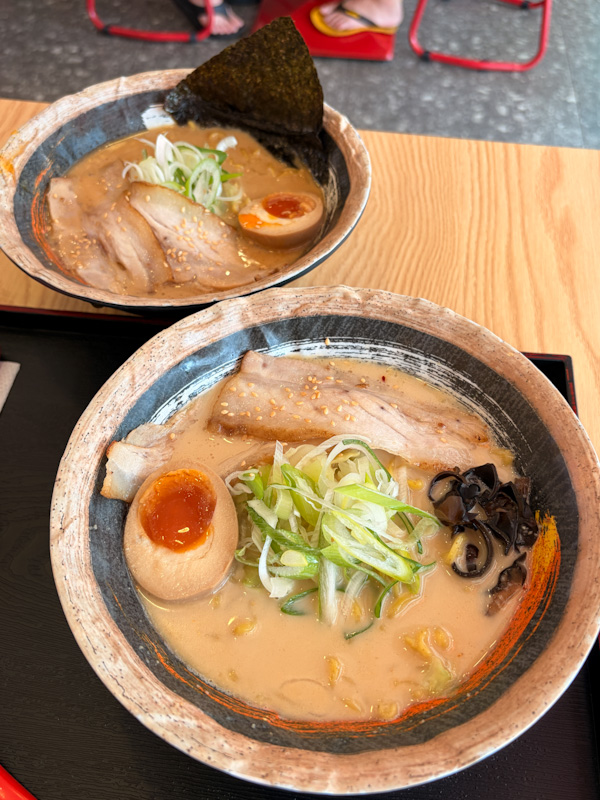
Miso Ramen: 60/100
Noodle: 25/35
The same medium-thick, round, curly noodles are used here, with that familiar bright yellow hue and a firm, slightly doughy texture. On paper, nothing has changed. In practice, the pairing feels less convincing. The mouthfeel remains mildly chewy and controlled, but the overall impression is flatter.
Flavour-wise, the noodles still carry a mild earthiness with a faint alkaline note, but without the shoyu’s darker seasoning to cling onto, they feel more exposed. Instead of acting as a flavour sponge, the noodle becomes more of a neutral base, and not in a particularly flattering way. It is a reminder that good noodles still need the right soup to complete the conversation.
Soup: 20/35
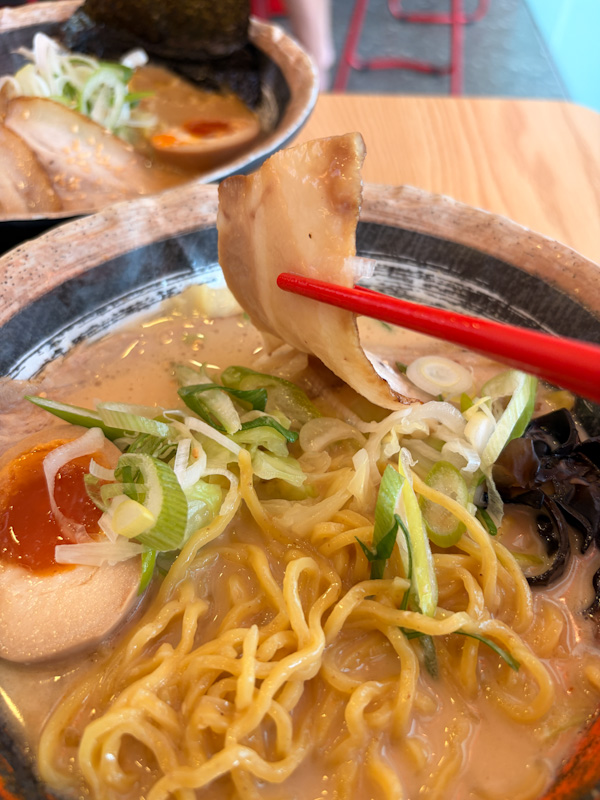
The miso broth opens with a sharp, immediate miso hit at the head, assertive and unmistakable. As it moves into the body, you get lingering nutty, salty, umami notes that signal decent miso quality. The finish carries a subtle pungency, slightly acrid, typical of fermented soy pastes.Where it falls short is layering. The miso flavour is pronounced but feels surface-level, as if it sits on the palate rather than travelling through it. The taste engages the tip and mid of the tongue, but struggles to reach the sides and the back of the throat. There is limited depth progression, and the broth lacks that gritty, bass-note complexity that anchors stronger miso bowls. It is pleasant, but ultimately one-dimensional.
Meat: 10/20
The chashu is unchanged, and so are its issues. Thinly sliced pork belly sounds promising, but the execution leans too firm. The texture is chewy to the point of distraction, especially in the fat, which resists rather than melts. The lean portion remains juicy, but again demands more chewing than it should.
Flavour-wise, the marination is competent, striking a reasonable sweet-savoury balance. The lightly grilled rims suggest smokiness, but that promise never quite materialises. In a miso bowl that already lacks depth, the chashu does little to compensate.
Other Toppings: 5/10
The toppings feel familiar, but also incomplete. The negi continues to do quiet heavy lifting, offering juicy sharpness and a piquant lift that cuts through the soup’s saltiness. Sesame adds a gentle nuttiness, reinforcing the broth’s mid-palate without overwhelming it.
The black fungus is tender with the right crunch, contributing textural contrast but little else. Notably, the absence of seaweed is felt more here than in the shoyu version. Without it, the bowl loses an extra layer of aroma and brininess that could have helped ground the miso.
Summary
This miso ramen feels like a bowl built around a single strong idea that never quite expands beyond its opening statement. The miso is clear and assertive, but lacks the layered depth needed to sustain interest, and the noodle pairing does not elevate it the way it should. With the same chewy chashu and restrained toppings, the overall effect is serviceable but unremarkable. It is a reminder that miso ramen demands not just intensity, but structure and reach across the palate, something this bowl only partially achieves.
DISCLAIMER
One man’s meat is another man’s poison.
Find out more about our palettes and how we evaluate our ramen here. 😉