
WHAT WE ATE
- Kuro Shoyu Tonkotsu-Uma, 90/100 (28 Feb 2026, Novena)
- jitama-Uma Ramen, 80/100 (28 Feb 2026, Novena)
- Nori-Tama-Uma, 75/100 (19 Sep 2021, Tanglin)
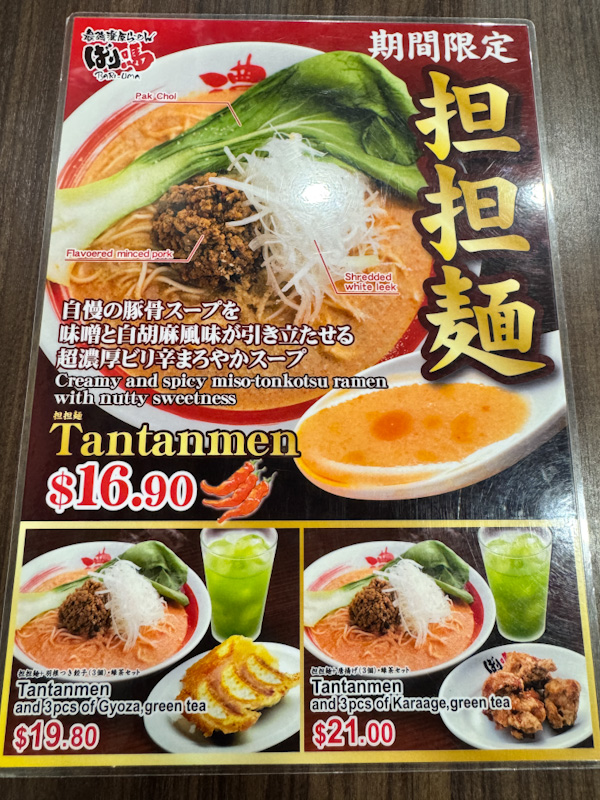
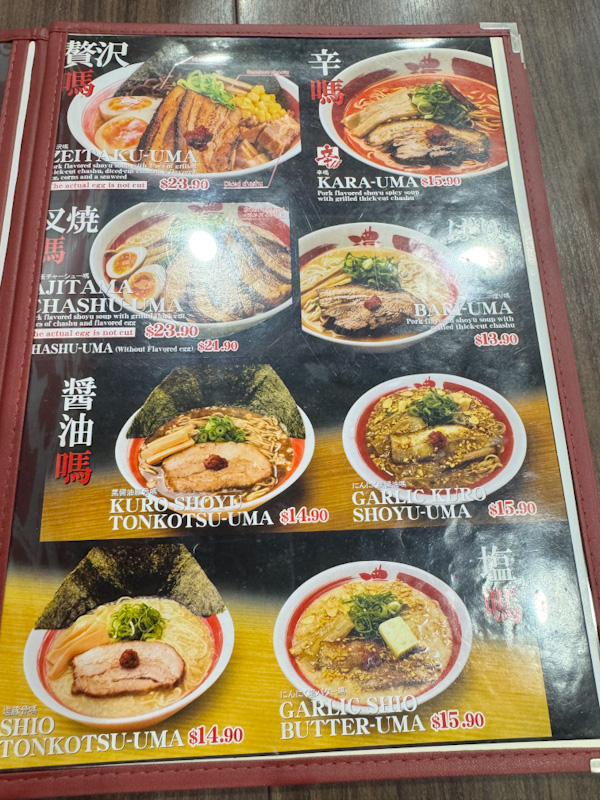
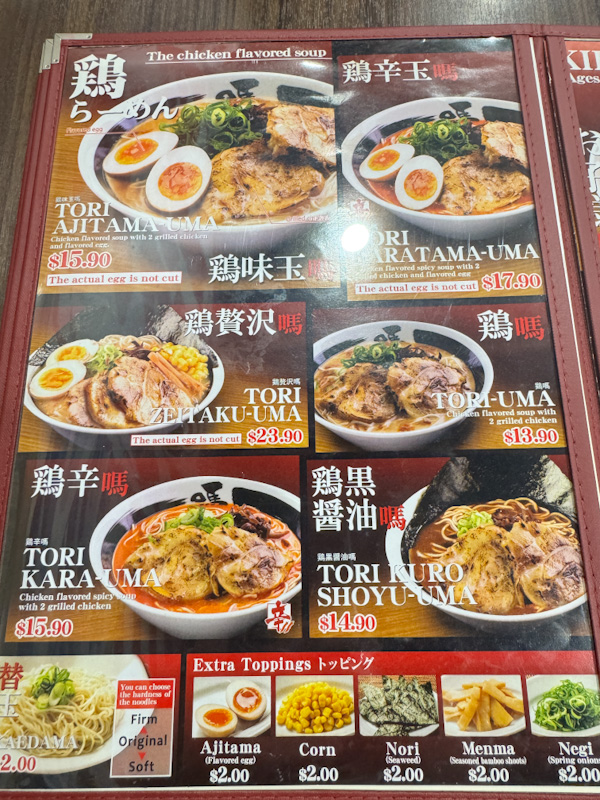
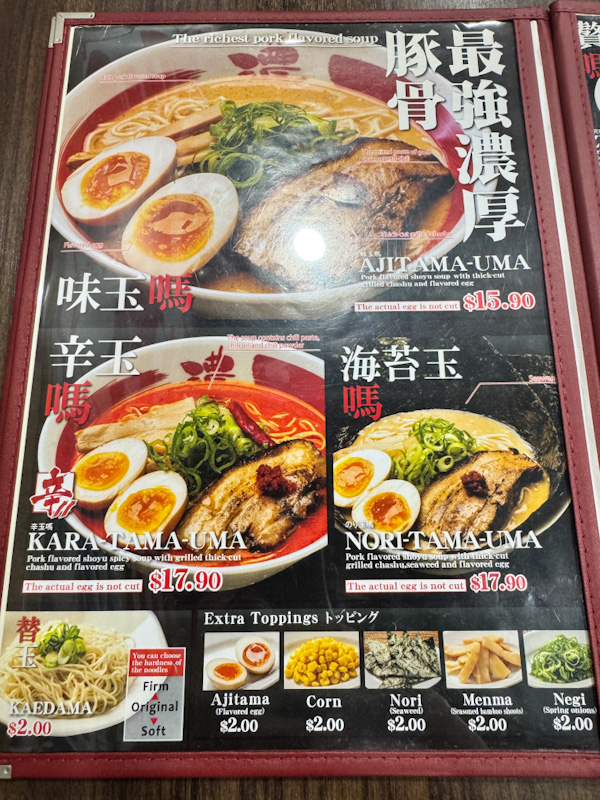
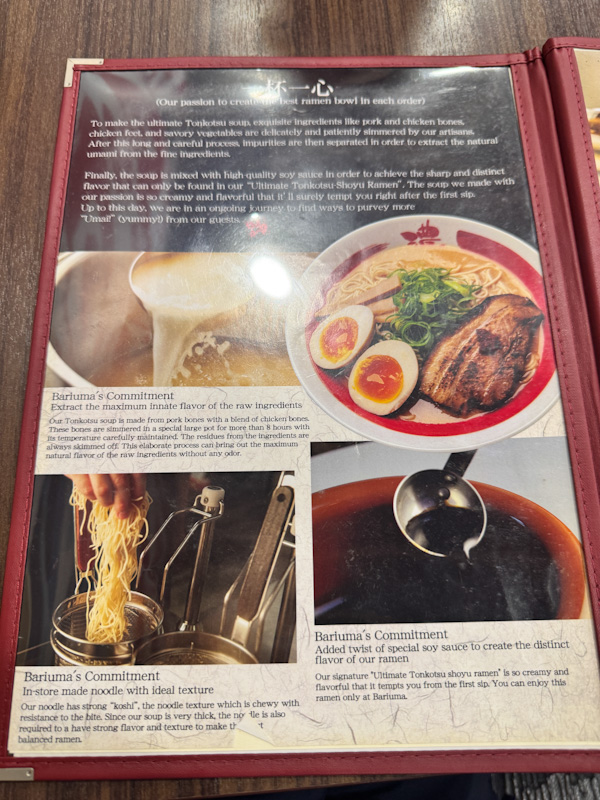
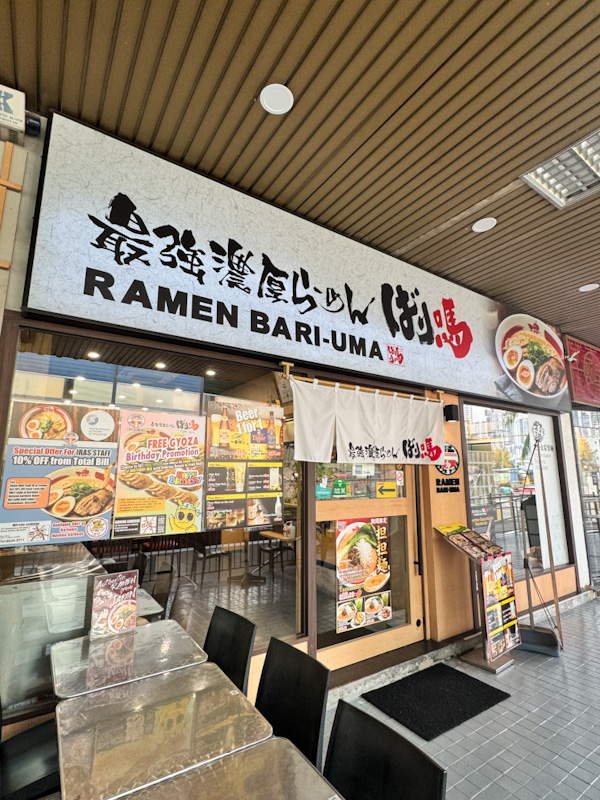
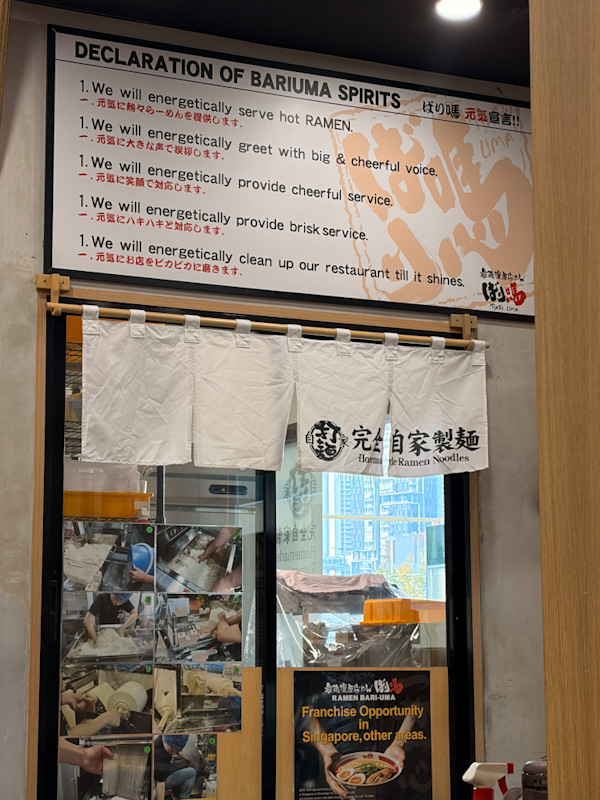
Bari-Uma Ramen Singapore positions itself around a very specific ramen thesis: Hiroshima-born tonkotsu-shoyu ramen, first established in 2003, and engineered through controlled process rather than trend-driven variations. The Novena outlet at 273 Thomson Road (Novena Gardens) foregrounds this identity clearly, from its “Declaration of Bariuma Spirits” to visible cues around in-store production. This is not framed as Hakata-style pure tonkotsu, nor Tokyo-style clear shoyu, but a calibrated hybrid where pork bone extraction meets soy sauce sharpness.
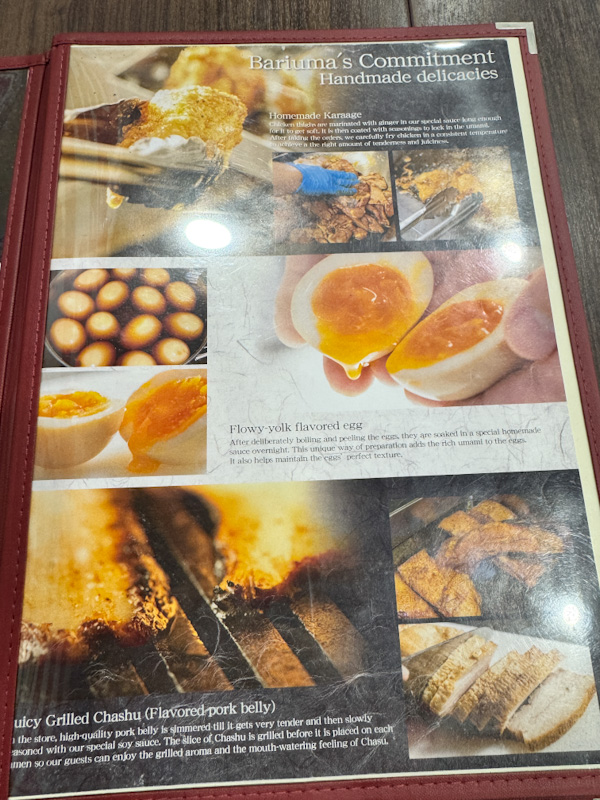
On the technical side, the brand states that its tonkotsu soup blends pork bones with chicken bones and chicken feet, simmered for more than 8 hours, with impurities skimmed to isolate natural umami before being structured with a proprietary soy sauce blend. The menu also highlights in-store made noodles designed for koshi — chew and resistance — specifically to stand up to a thicker soup matrix. Toppings are positioned as handcrafted components rather than afterthoughts: grilled chashu pork belly finished with soy seasoning, flowy-yolk marinated eggs soaked overnight, and house-prepared items such as karaage.
In short, Bari-Uma Novena presents itself less as a broad ramen bar and more as a tightly defined Ultimate Tonkotsu-Shoyu ramen specialist. The philosophy is clear, the production narrative is explicit, and the rest — as always — is best assessed bowl by bowl.
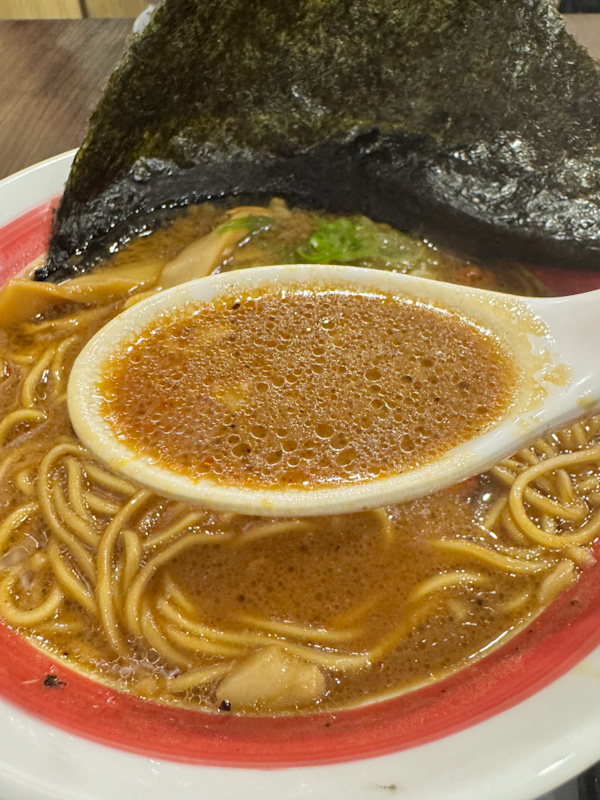
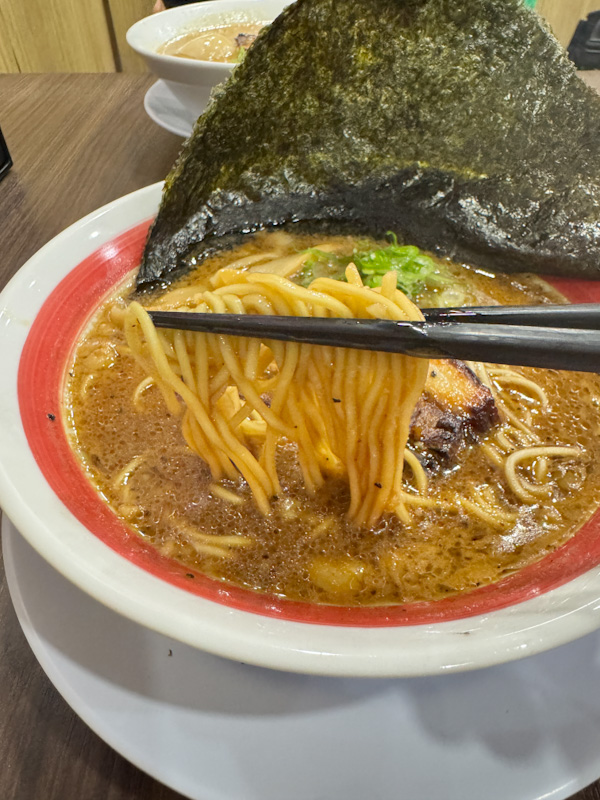
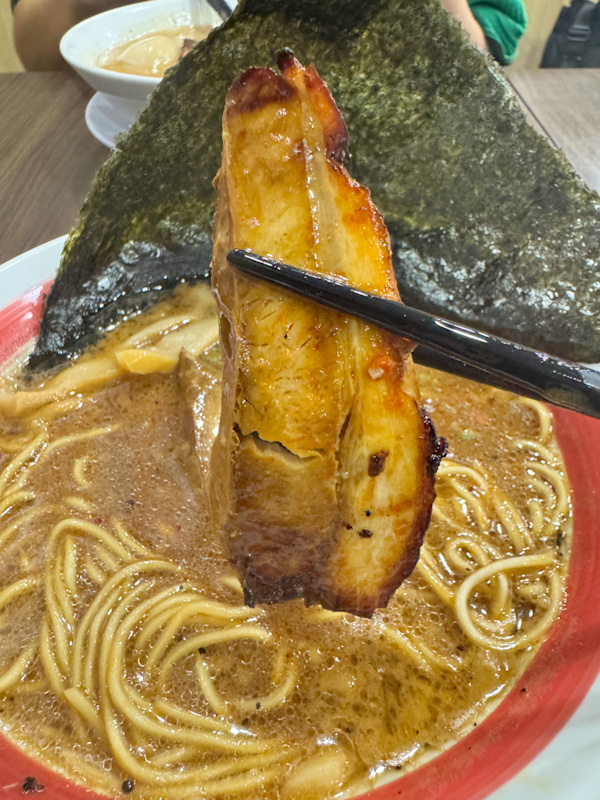
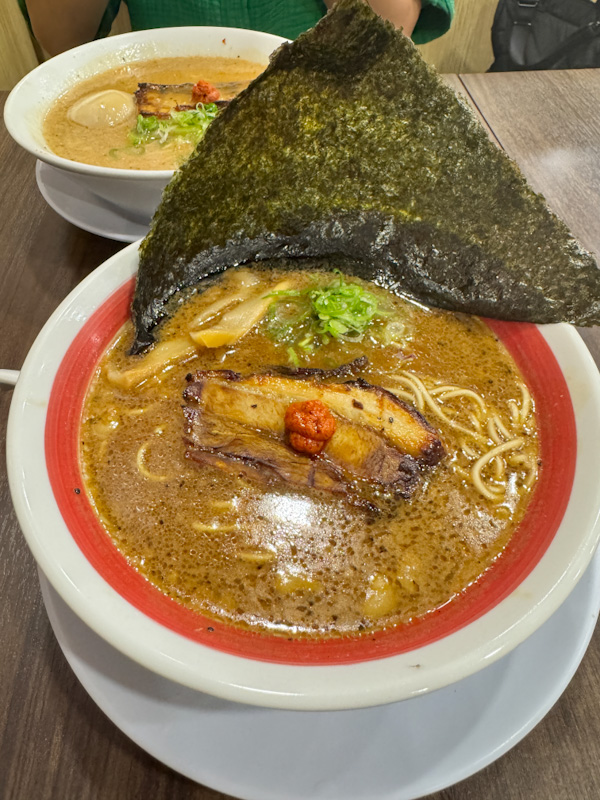
Kuro Shoyu Tonkotsu-Uma: 90/100
Noodle: 30/35
Medium-thin, slightly wavy, rounded strands. On paper, the menu promises strong koshi, and to their credit, it delivers. The bite is immediate and confident. The exterior is properly cooked while the core retains firmness, giving that snappy resistance that seasoned ramen eaters look for.
The mouthfeel is lively at the start. There is a gentle elasticity that rebounds between the teeth, followed by a clean break. The wheat character comes through distinctly, earthy and grain-forward rather than neutral.
One caveat. The structural integrity softens quicker than ideal in such a dense broth. This is a bowl that rewards decisiveness. If you linger too long in conversation, the noodle loses some of its edge.
Soup: 35/35
This is where Bari-Uma defines itself. The first sip introduces an aromatic shoyu presence that is controlled rather than piercing. No acrid edge, no aggressive salinity spike. It is smooth and mellow, almost restrained, which is a deliberate move given the density beneath.
The mid-palate expands into savoury depth. Pork bone richness is unmistakable. There is a meaty gravitas that sits heavily on the tongue. The broth is thick, rich, saline, and unapologetically greasy with visible pork back fats suspended across the surface. By any clinical definition, this is indulgent. Yet it does not tip into cloying excess. The soy sauce architecture keeps the pork bone intensity structured. The heaviness is calibrated rather than chaotic.
The finish is unexpectedly composed. A lingering sweetness surfaces, followed by a slow, subtle burn that gathers at the back of the throat. It is not a sharp chilli heat but a gentle thermal build, likely from the spicy paste integrated into the bowl. Despite the broth’s weight, the shoyu framework prevents fatigue. The interplay between pork fat richness and soy sharpness produces a cleaner exit than the visual density suggests. It is sinful in composition, but not reckless.
Meat: 15/20
A thick slice of braised pork belly anchors the bowl. The cut leans toward a substantial slab rather than a delicate ribbon. It has been heavily marinated and braised to the point where it falls apart under minimal pressure. Structurally, this creates contrast within the slice. The fatty portions remain tender and luscious, while some of the lean sections verge on dryness due to prolonged braising and rendered fat loss.
Flavour-wise, it is savoury-sweet in the style of classic soy-braised meat. Deeply seasoned, assertive, and satisfying. The overall taste is strong enough to leave an impression, even if texturally it is not uniformly perfect. You finish it wanting another slice.
Other Toppings: 10/10
The supporting cast is purposeful. Collectively, these toppings are not decorative. They are functional levers that adjust salinity, heat, umami, and aroma across the bowl.
- Seaweed delivers an immediate umami surge. Slightly saline on its own, but when dipped into the broth it amplifies depth rather than disrupts balance.
- Menma is tender with a soft crunch. There are faint pungent notes that suggest proper fermentation, but they are controlled and cushioned by underlying sweetness.
- Spicy paste ball is intense if tasted directly. Once dissolved into the soup, it becomes a structural modifier rather than a blunt instrument, introducing a gradual warmth at the finish.
- Negi adds piquant green brightness, though its subtlety struggles to assert itself against the broth’s density.
- Pork back fats contribute additional gloss and richness, reinforcing the broth’s indulgent identity.
Summary
Bari-Uma’s Kuro Shoyu Tonkotsu-Uma is a heavy composition executed with discipline. Dense, rich, unapologetically fatty, yet structured by shoyu precision. It is not a delicate bowl. It is engineered indulgence that still remembers restraint.
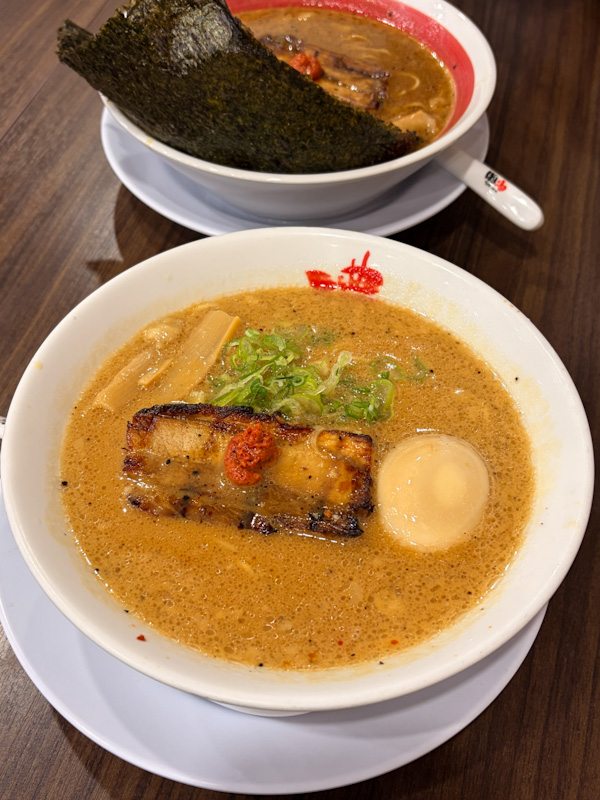
Ajitama-Uma Ramen: 80/100
Noodle: 30/35
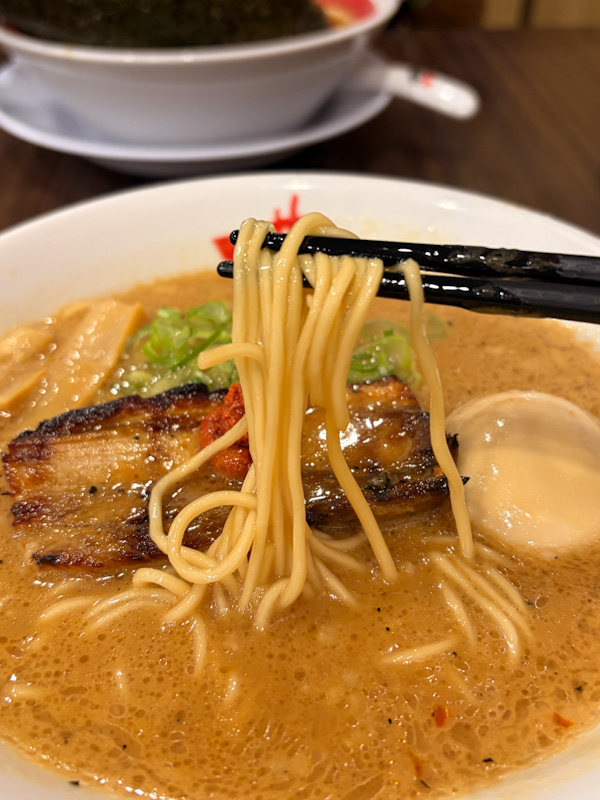
Same noodle configuration as the Kuro Shoyu Tonkotsu-Uma. Medium thin, slightly wavy, rounded strands engineered for tension. The advertised koshi is not marketing fluff. The bite is firm and deliberate, with a cooked exterior giving way to a resilient core. There is a snappy rebound that signals proper hydration and controlled boiling.
The wheat profile is discernible. Earthy, slightly nutty, not masked by alkaline sharpness. It carries enough character to stand beside a dense broth. That said, the structural decline happens relatively quickly once submerged. In a broth of this viscosity, time is not your ally. This is a bowl best eaten with focus rather than extended conversation.
Soup: 25/35
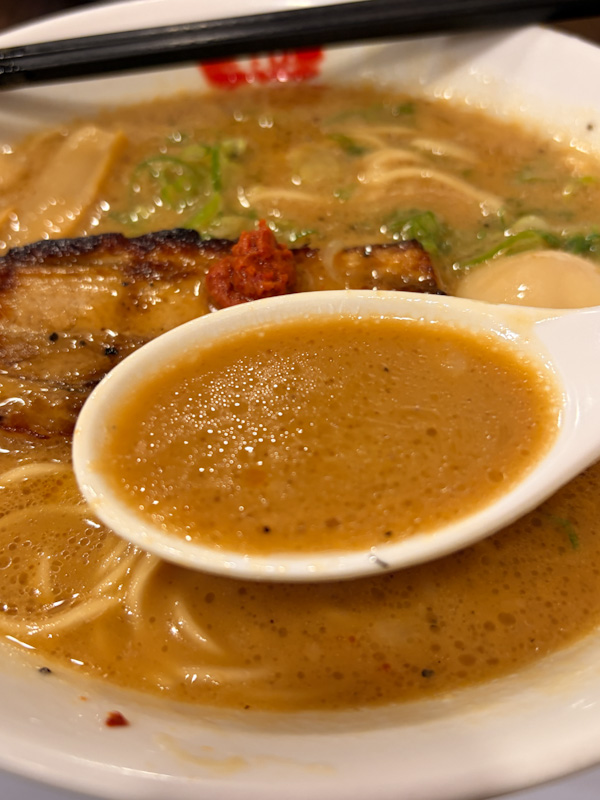
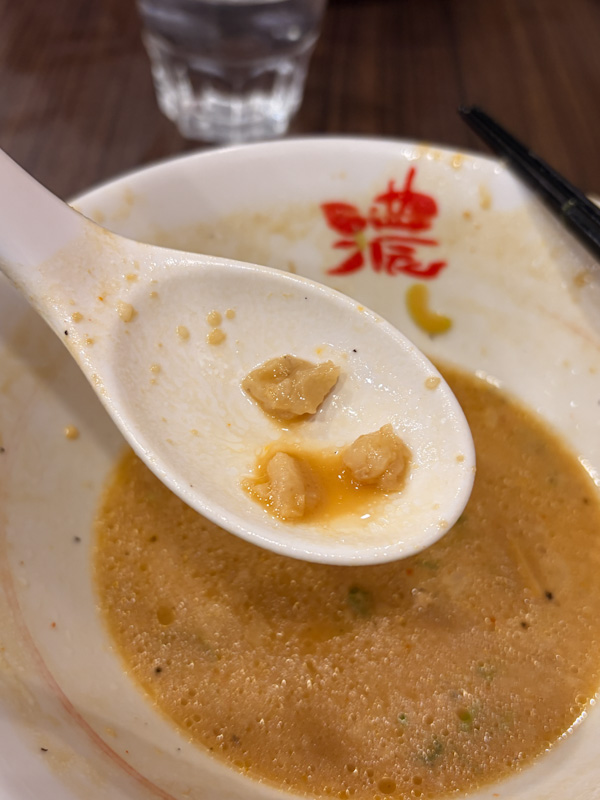
This version leans into tonkotsu more openly. The first sip presents a rich, creamy pork sweetness. It is immediate and enveloping. Unlike the Kuro version, the soy sauce presence is gentler, allowing the pork fat aromatics to dominate the opening.
Mid-palate, the savouriness deepens but without the same structural backbone from shoyu. You experience the full breadth of the pork bone extraction. It is dense, opaque, and unapologetically fatty. The mouthfeel is viscous, coating the palate thoroughly.
Because the soy profile is softer, the greasiness becomes more apparent. The broth feels heavier and less architecturally framed. There is less contrast, and therefore less tension.
The finish carries a mild lingering spiciness, likely activated once the spicy paste is integrated. There is also a glossy lip effect from the suspended fats, which some will read as luxurious and others as excessive.
The layering is more linear compared to the Kuro Shoyu Tonkotsu-Uma. Without a strong soy structure, the broth can flatten sooner. This is where ajihen becomes relevant. A touch of chilli or garlic chips reintroduces dimension and aromatic lift, sharpening the experience and preventing palate fatigue.
Meat: 15/20
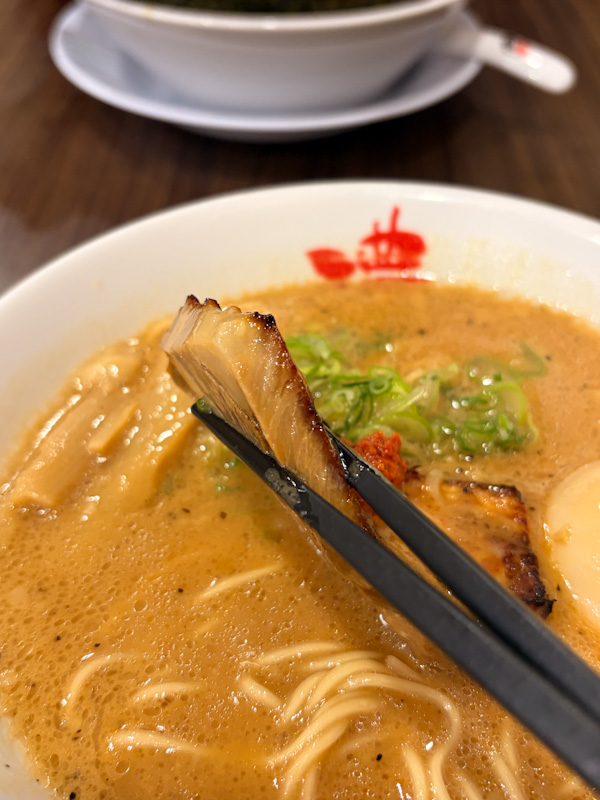
Identical chashu configuration. A thick slab of braised pork belly, heavily marinated and braised until it yields easily. The collagen breakdown allows it to separate with minimal pressure, almost to the point of disintegration.
Texturally, the fatty sections remain tender and satisfying, but the leaner areas show slight dryness due to extended braising and rendered fat loss. This is the trade-off of intensity. Flavour is robust. Savoury-sweet in the style of soy-braised pork, assertive and well-seasoned. It remains a strong component of the bowl, even if not texturally perfect throughout.
Other Toppings: 10/10
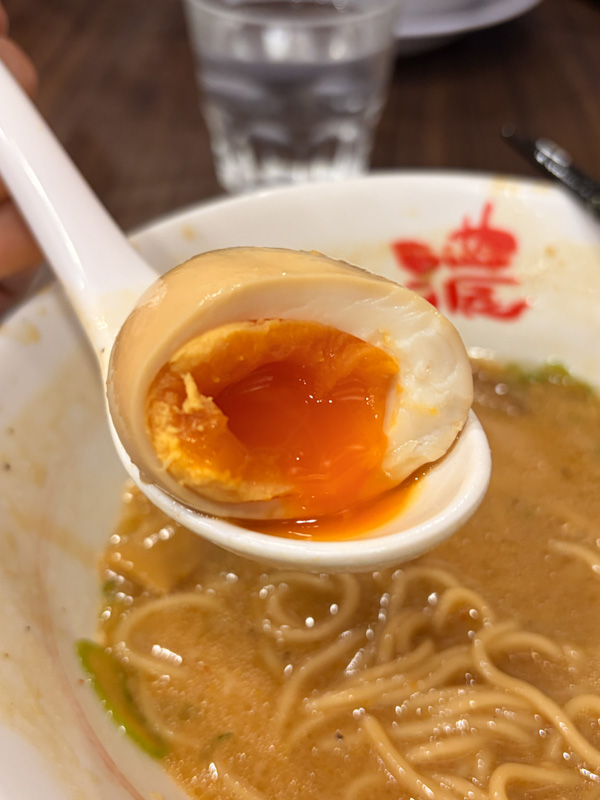
Here the ajitama takes centre stage.
- Marinated egg carries a gentle caramel note without tipping into excessive salinity. The yolk texture is calibrated. Custard-like, flowing but not runny. It adds both richness and a subtle sweetness that complements the pork-heavy broth.
- Menma is tender and juicy with a soft crunch. There is a faint pungency from fermentation, but it is controlled and balanced by sweetness.
- Spicy paste ball is intense if tasted alone. Once dissolved, it integrates heat gradually into the broth, providing a necessary lift.
- Negi contributes fresh, piquant accents, though its brightness struggles slightly against the broth’s density.
- Pork back fats reinforce the broth’s richness and mouth-coating quality.
Summary
Collectively, this bowl is more tonkotsu-forward and less soy-structured. It delivers depth and indulgence, but demands active seasoning adjustments if you want to sustain complexity through the final sips.
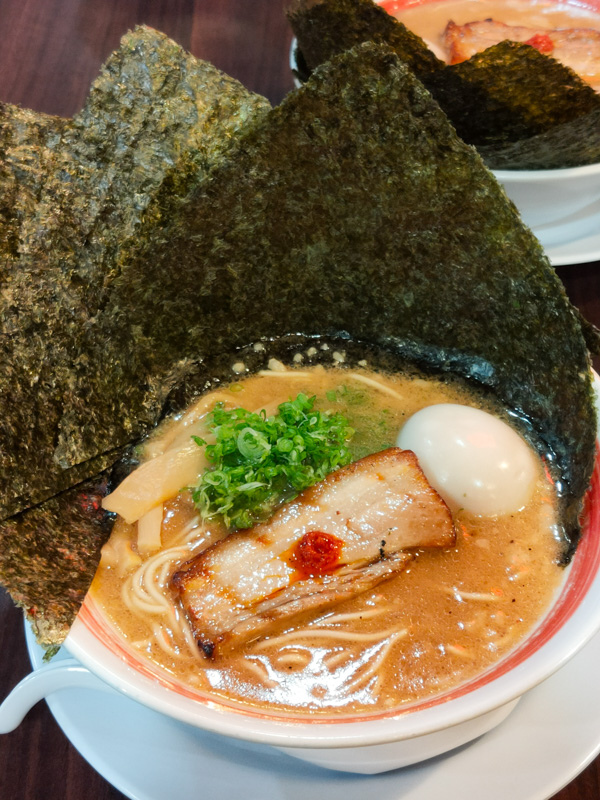
Nori-Tama-Uma: 75/100
Noodle: 25/35
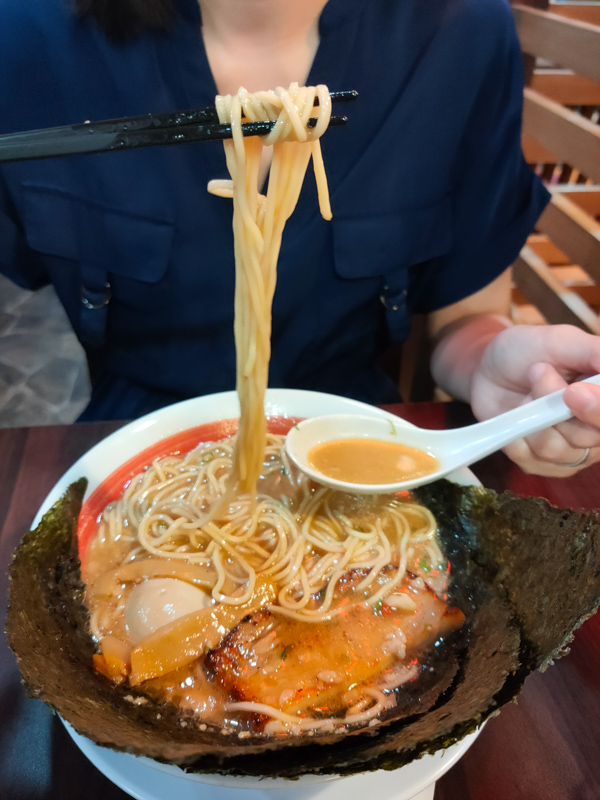
The noodles at Bari Uma Ramen Singapore closely resemble the straight and thin Hakata style, but with a slight twist. They boast a slightly thicker profile, which proves to be a delightful match for the rich broth. This variation ensures that the noodles hold up well, allowing you to savor every bite. While the noodles are undeniably good, they may not leave a lasting impression on your taste buds.
Soup: 25/35
Bari Uma Ramen Singapore presents a unique blend of flavors in their soup, which might leave you intrigued. While the menu highlights a “richest pork-flavored” broth, the dish description hints at a combination of Shoyu and Tonkotsu bases. This fusion evokes memories of the ramen I enjoyed in Wakayama. The soup is undeniably rich, boasting a viscosity that sets it apart. However, in terms of flavor, it falls just short of reaching the pinnacle of richness. A touch more depth and complexity would elevate the taste, as the initial excitement wanes towards the end of the bowl.
Meat: 20/20
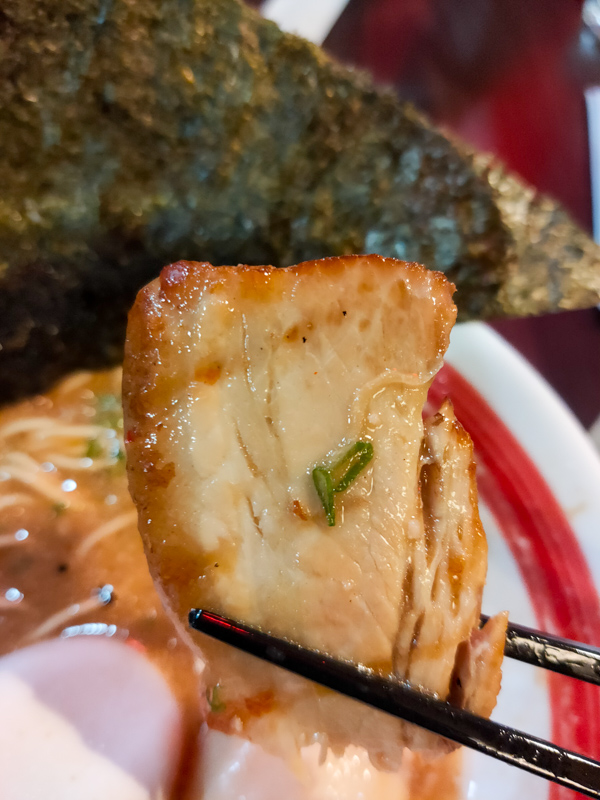
Bari Uma Ramen Singapore consistently impresses with their delectable Chashu, a true highlight of their menu. Over the years, their mastery in preparing this dish remains unmatched. The Chashu is meticulously cooked over fire, resulting in tantalizing grill marks that add to its visual appeal. Each bite offers a delightful experience, with the fatty parts melting in your mouth while the remaining meat maintains its tenderness. Bari Uma’s Chashu is a true testament to their culinary expertise.
Toppings: 5/10
Bari Uma Ramen Singapore presents a mixed bag of toppings that accompany their ramen. The Tamago (egg) is lightly salted and leans towards the sweeter side. The yolk is perfectly cooked, striking a delicate balance between runny and overcooked, enhancing the overall package of flavors. Another noteworthy addition is the Menma, which differs from its pungent counterparts. Bari Uma’s Menma offers a milder taste and a softer texture, making it more enjoyable to chew. However, the seaweed falls short of leaving a lasting impression and seems to serve primarily as a decorative element.
Pingback: Hakata Ikkousha Ramen – – Ah Boy's Quest for Singapore's Best Ramen
Pingback: Hakata-Ikkousha
Pingback: Review Of Keisuke Tonkotsu King Ramen
Pingback: Review Of Nantsuttei Ramen