WHAT WE ATE
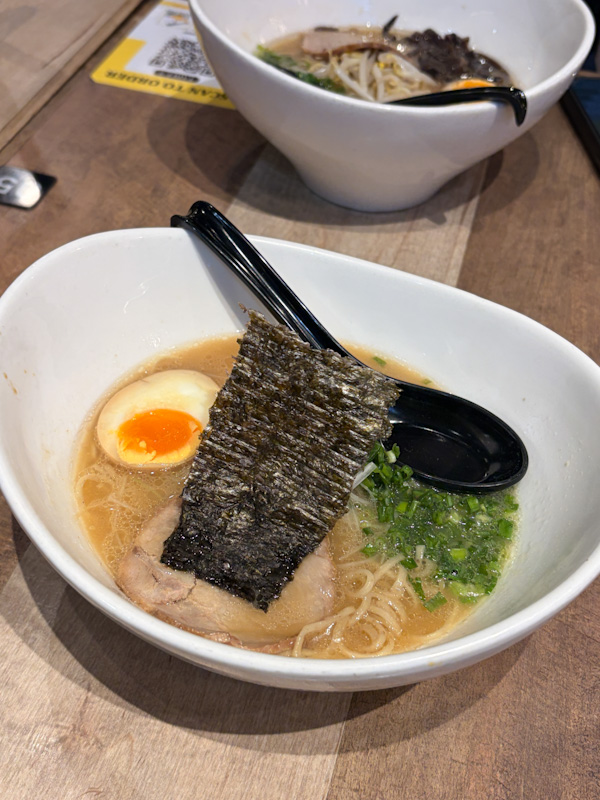
- Springy Prawn Paste Ball Ramen, 60/100 (15 Mar 2026, Lorong Chuan)
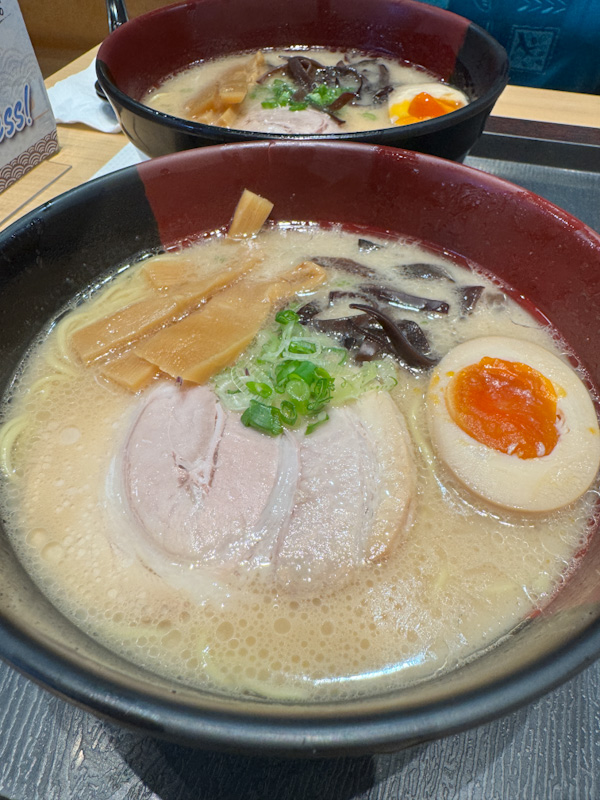
- Sliced Pork Ramen, 55/100 (15 Mar 2026, Lorong Chuan)
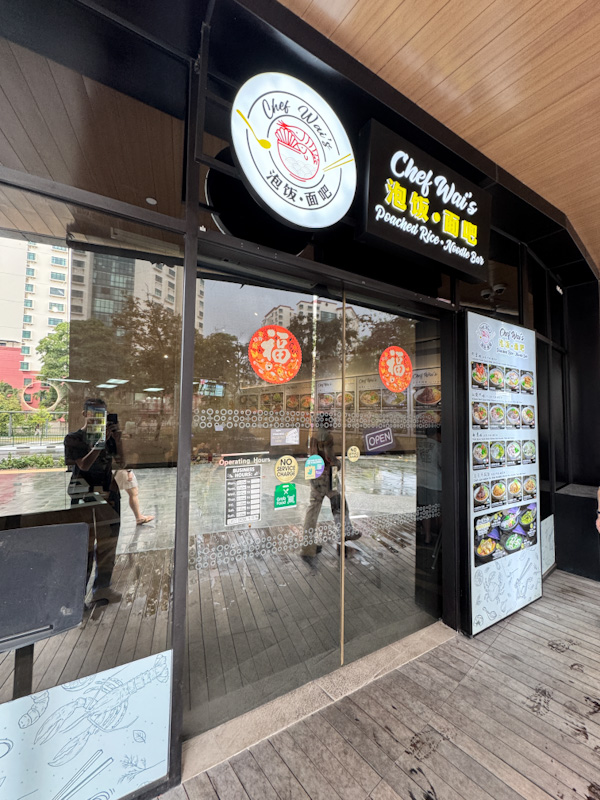
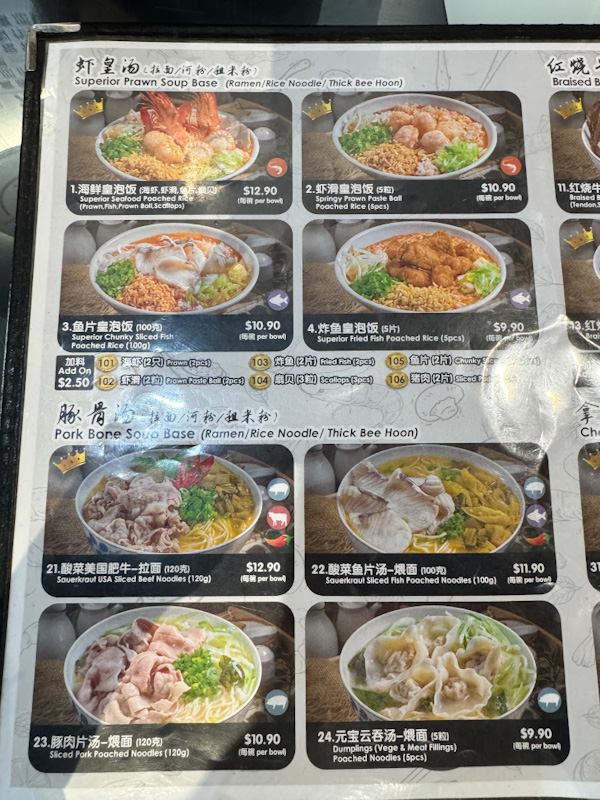
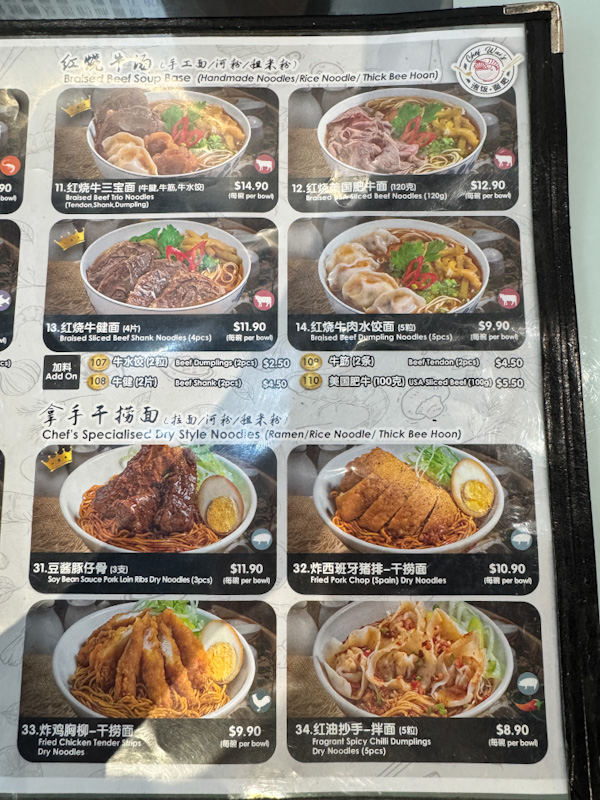
The Chef Wai’s Noodle Bar at New Tech Park (Lorong Chuan) occupies a unique space in Singapore’s dining landscape, standing apart from the more common franchised Lenu outlets found in heartland malls. While the name suggests a singular focus, this specific location is notable for its signature “Poached Rice” (Pao Fan), a specialty that serves as a surprising centerpiece for a noodle-centric brand. For the dedicated enthusiast at ahboylikeramen.com, the intrigue lies in the technical flexibility of the kitchen; guests are encouraged to swap the traditional rice for premium ramen-style noodles, creating a crossover experience that bridges the gap between classic Chinese soup craft and modern noodle aesthetics.
The draw of this Lorong Chuan destination is rooted in a refined, educational approach to broth extraction and ingredient pairing. Unlike a standard quick-service meal, the menu here functions as a masterclass in how different carbohydrates interact with intensely simmered bone broths. By offering a choice between the grainy texture of poached rice and the structural “snap” of high-quality noodles, the kitchen allows diners to explore how a single, collagen-rich base can be transformed.
Choosing to review this particular outlet offers a more focused look at the original DNA of the brand’s culinary vision. The open-concept environment at New Tech Park demystifies the preparation process, inviting a closer look at the consistency and rigor required to maintain such a specialized menu. It serves as an essential stop for those who appreciate the science of a long-simmered base and the subtle art of the “swap,” proving that even a established name can offer a technical narrative that rewards the curious palate.
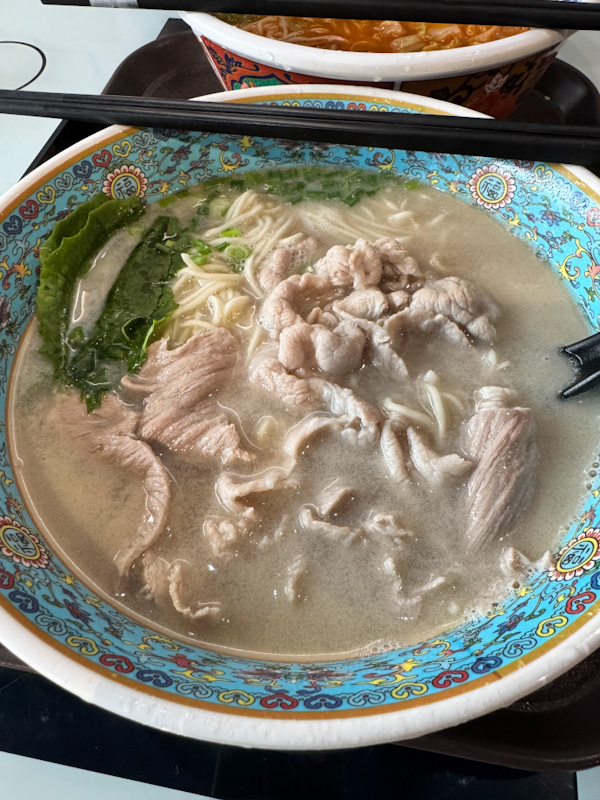
Sliced Pork Ramen: 60/100
Noodle: 20/35
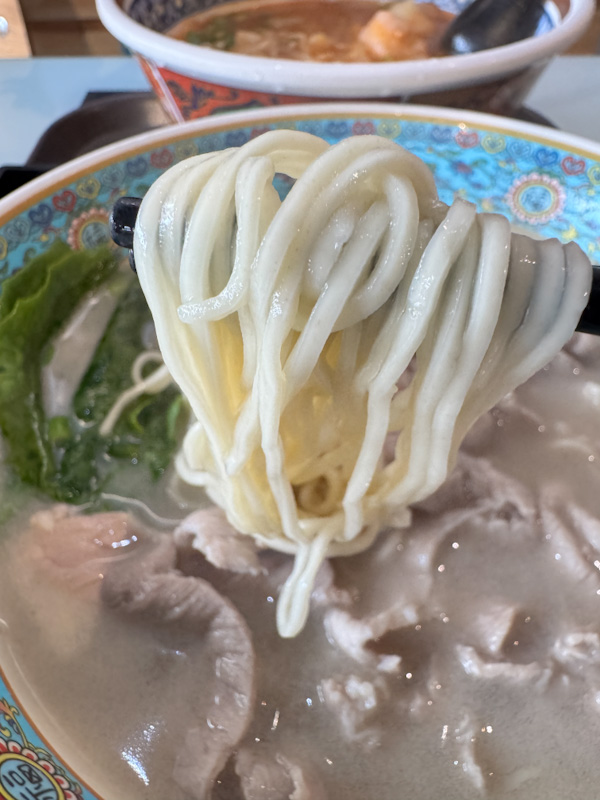
The noodles are medium-thin and straight, though they lack the structural integrity one might expect from a specialized noodle bar. The texture is neither soggy nor firm; rather, it sits on a borderline limp quality that results in a weak, slightly squishy mouthfeel. Upon tasting, there is a faint wheat presence but the aromatic profile is notably muted. While the preparation is passable, the noodles here do not reach the standards of the more common franchised versions of this concept, which offer a more resilient and distinctive bite.
Soup: 25/35
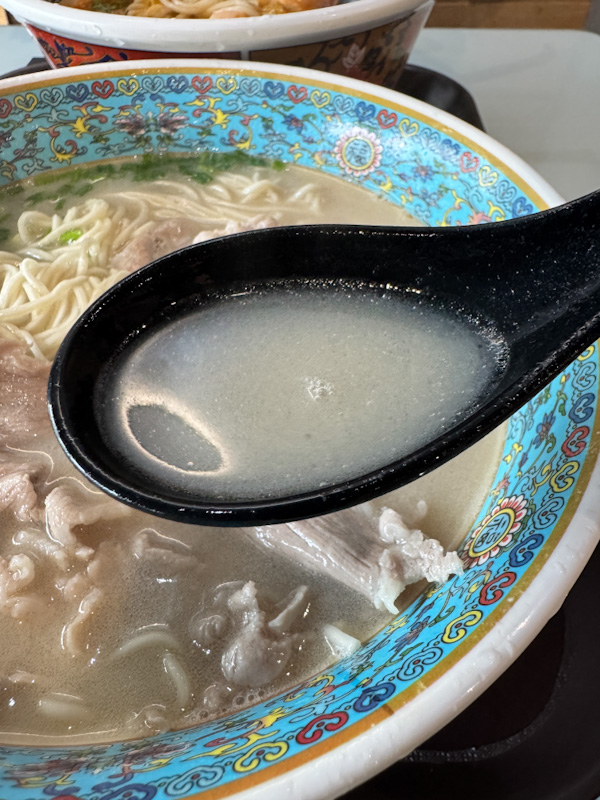
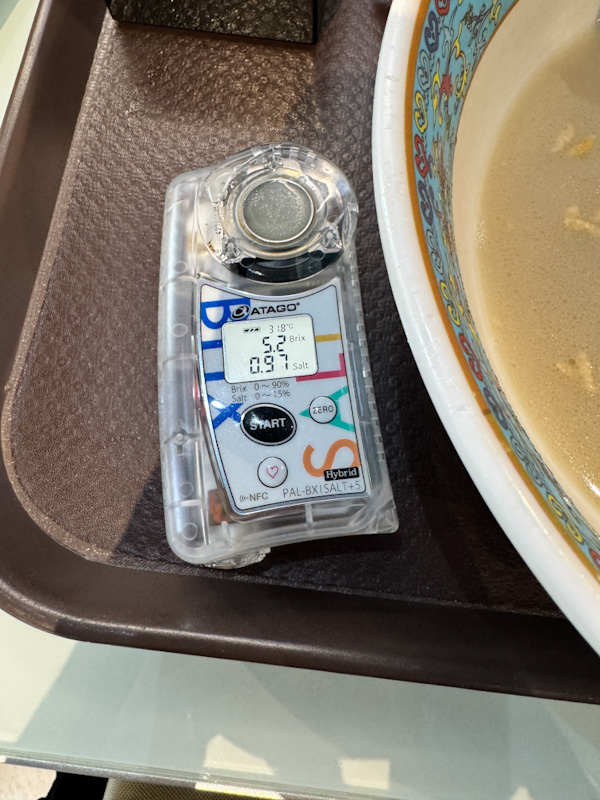
The broth is a study in silkiness rather than raw power. The head of the soup is characterized by a pleasant sweetness and a creamy, refined texture. Moving into the body, it reveals a savory foundation that is rich without becoming overly robust or heavy. The experience concludes with an end note that lightly coats the palate and throat, leaving behind a lingering, milky essence. While the soup lacks a high degree of complexity, it achieves a clean balance between a rich mouthfeel and a crisp finish.
Meat: 10/20
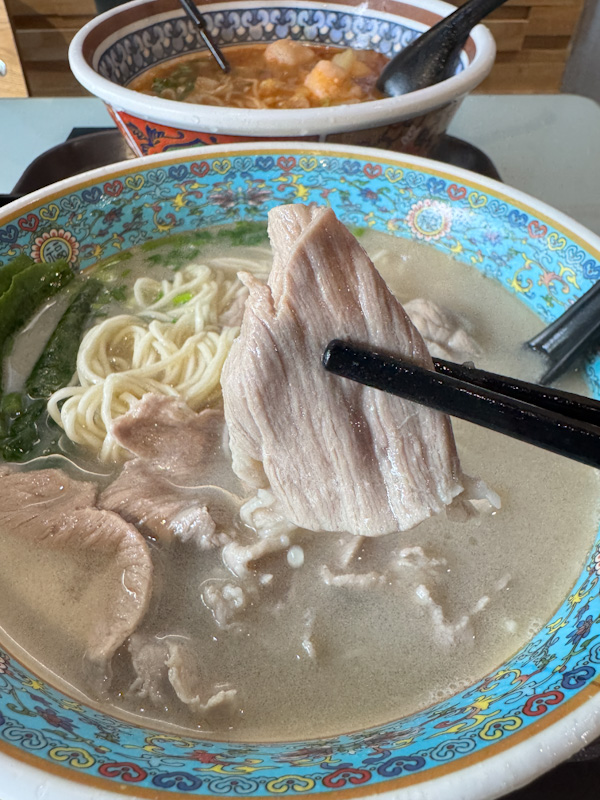
The protein consists of a large portion of thinly sliced pork. The lean sections of the meat are firm and chewy, while the minimal fat present provides a squishy contrast. In terms of flavor, the pork lacks any specific marination or seasoning, resulting in a profile that is functional rather than artisanal. However, the meat is undeniably fresh, offering a clean, meaty taste devoid of any boar taint or acrid odors. It serves its purpose within the bowl but lacks a truly distinctive character.
Other Toppings: 5/10
- The bowl is garnished with leafy vegetables that contribute a fresh, green vegetal taste, providing a necessary counterpoint to the richness of the broth.
- In contrast, the negi is limp and fails to deliver any sharp or piquant notes.
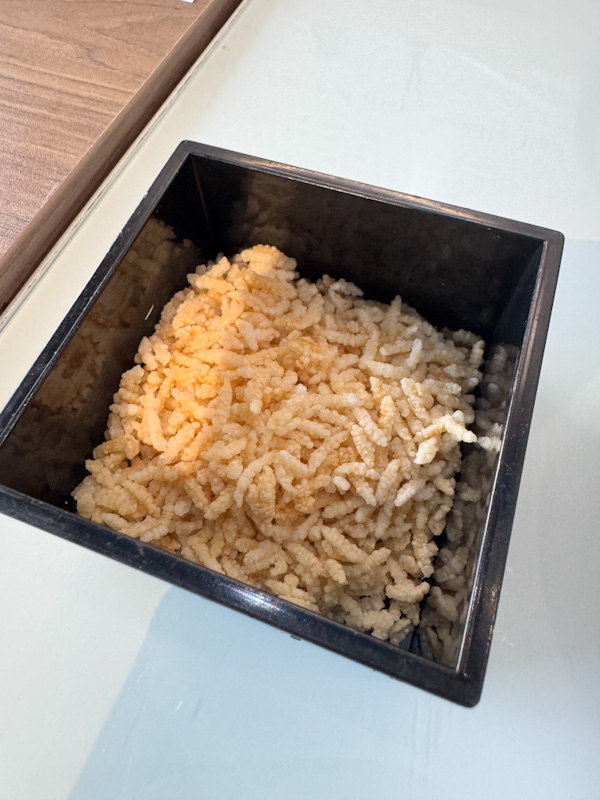
- A unique addition is the generous side of crispy rice, which introduces a roasted aroma and a significant crunch. One must be cautious when integrating the rice; adding too much can cause a metallic, oily taste to seep into the soup, potentially disrupting the delicate balance of the pork base.
Summary
The experience at Chef Wai’s Noodle Bar in Lorong Chuan is a narrative of two halves. The centerpiece is undoubtedly the broth—a silkily extracted, creamy base that manages to be rich yet crisp without the heavy-handedness often found in mall-based franchises. It is a refined, technical soup that rewards a deliberate palate.
However, the bowl loses momentum when it comes to the “ramen” elements. The noodles lack the structural resilience and aromatic wheat profile needed to stand up to the broth, leaning toward a limp texture that feels secondary to the outlet’s primary focus on poached rice. While the pork is fresh and the crispy rice adds a sophisticated roasted crunch, the overall composition feels more like a successful broth experiment than a fully realized ramen masterpiece. It is a functional, pleasant bowl that excels in soup craft but leaves the noodle enthusiast wanting more bite.
Springy Prawn Paste Ball Ramen: 55/100
Noodle: 20/35
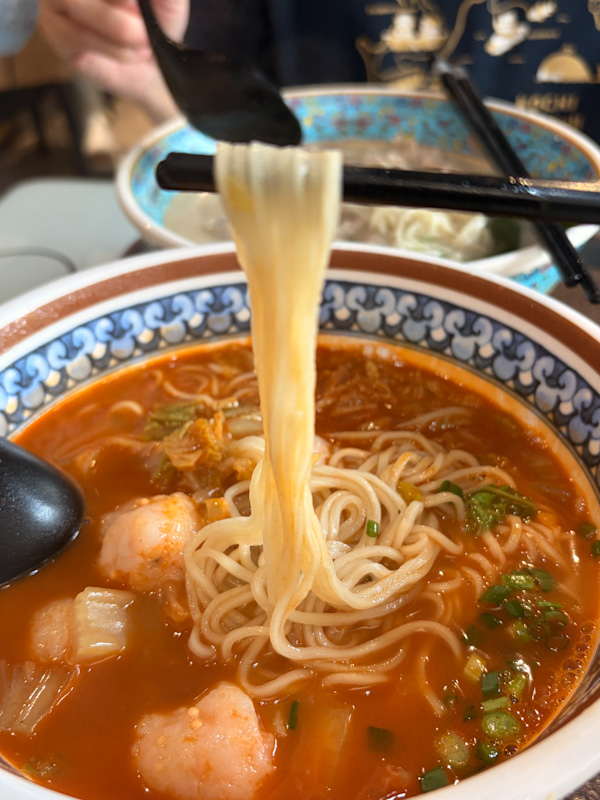
Same noodles. The noodles utilized here are medium-thin and straight, though they lack the structural integrity one might expect from a specialized bar. The texture is neither soggy nor firm; rather, it possesses a limp quality that results in a weak, slightly squishy mouthfeel. Upon tasting, there is only a very faint wheat presence, and the aromatic profile is notably muted. While the preparation is passable, the noodles here do not reach the standards of the more common franchised versions of this concept, which offer a more resilient and distinctive bite.
Soup: 20/35
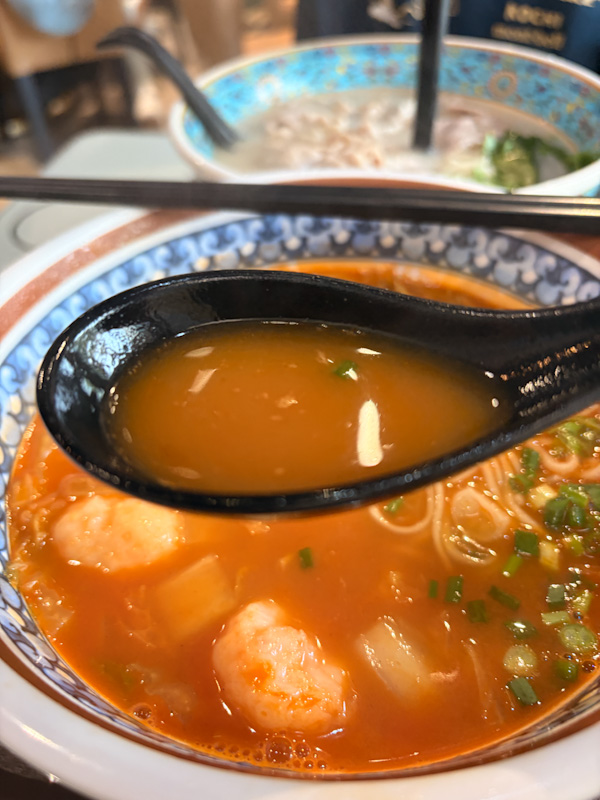
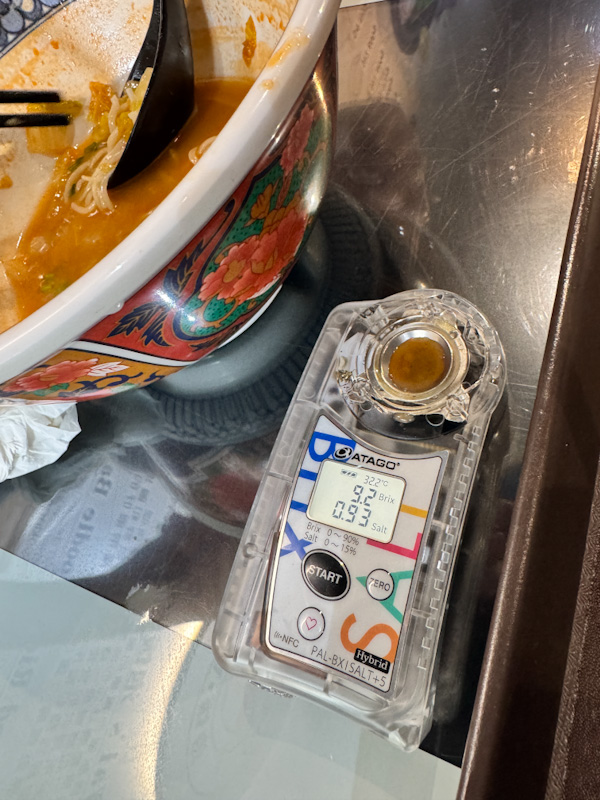
The narrative of this soup begins with a sharp briny kick and a fleeting prawny sweetness at the head. However, this initial piquancy masks a body that feels noticeably hollow. There is a lack of sufficient richness or creaminess to follow through, causing the contrast to shift toward a thin, almost watered-down profile. The experience concludes with a lingering brininess that is fleeting; once the palate adapts, what remains is a rather gritty savory aftertaste. Conceptually, this feels like the foundational inspiration for the Le Shrimp equivalent, but the technical execution remains miles apart. The rough edges and hollow transitions create a single-dimensional, brine-forward experience that lacks the necessary emulsion to land successfully.
Meat: 10/20
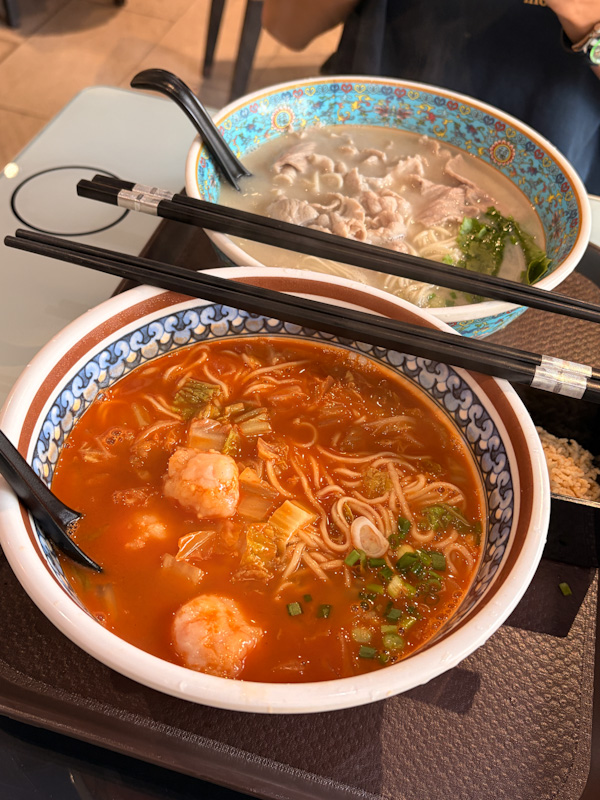
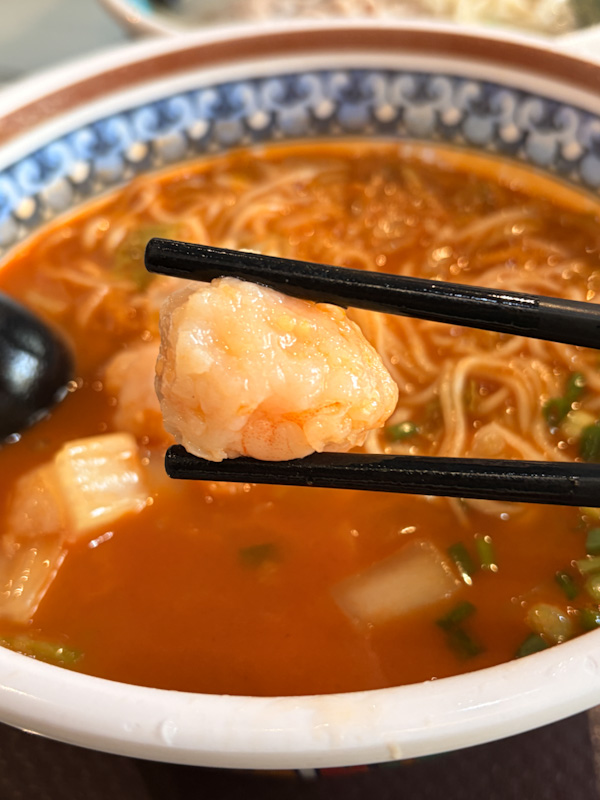
The hero protein consists of round prawn paste balls, featuring minced prawn meat integrated with ebiko. In terms of texture, these spheres feel more overcooked than required. The ebiko has taken on a chalky quality, and the prawn meat has surrendered its juiciness, though a passable level of springiness remains. The mouthfeel is firm, yet far less elastic than the visual presentation suggests. While the taste remains decent, it lacks the refined snap and moisture characteristic of its high-performing counterparts in the franchise network.
Other Toppings: 5/10
- The bowl includes diced cabbage, which provides a clean vegetal flavor, though it feels disconnected and fails to properly support the aggressive brininess of the broth.
- The negi is limp and lacks the sharp, aromatic taste needed to cut through the soup.
- As with other dishes here, a generous portion of crispy rice is provided. This adds a sophisticated crunch and a roasted aroma. However, a maestro’s caution is required: adding an excessive amount allows a metallic, oily taste to seep into the liquid, potentially compromising the delicate balance of the prawn base.
Summary
The Springy Prawn Paste Ball Ramen at this Lorong Chuan outlet is a study in unrealized potential. While the initial aromatics promise a masterclass in crustacean extraction, the hollow body and overcooked protein reveal a lack of technical follow-through. It is a functional bowl that occupies a middle ground, offering a decent taste for the casual diner but failing to provide the complexity or “snap” required for a high-tier ramen rating. For the purist, the discrepancy in noodle quality and broth depth compared to the brand’s more refined siblings is too significant to ignore.
DISCLAIMER
One man’s meat is another man’s poison.
Find out more about our palettes and how we evaluate our ramen here. 😉