WHAT WE ATE
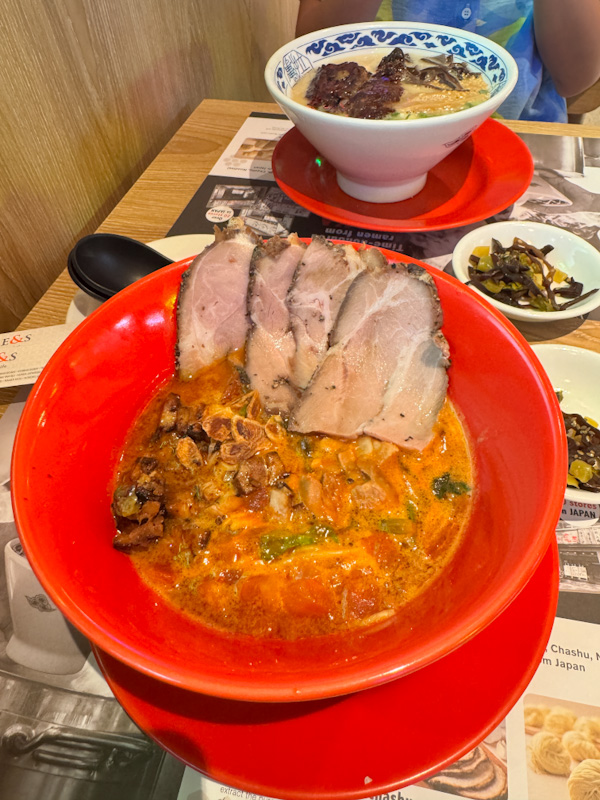
- Cha Shu Tokyo Ramen, 50/100 (Waterway Point, 15 Mar 2026)
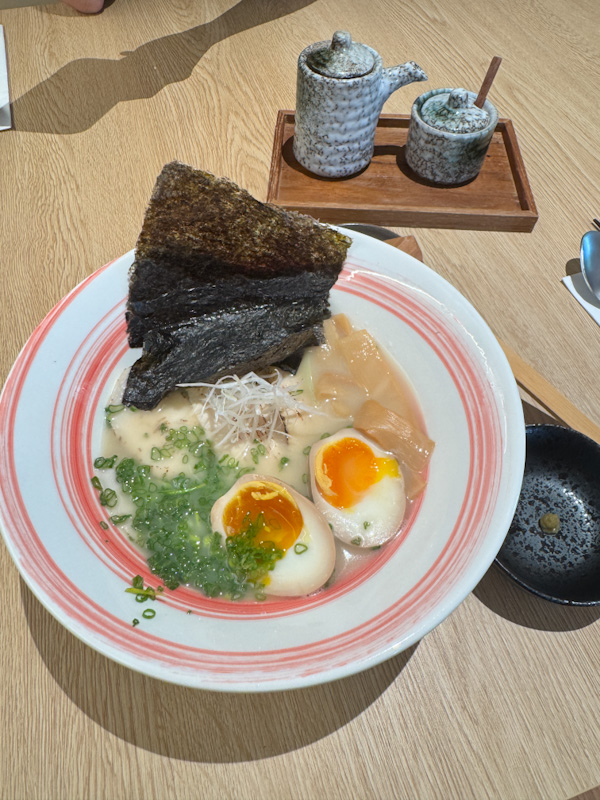
- Hototogisu Tonkotsu Ramen, 50/100 (Waterway Point, 15 Mar 2026)
- Charcoal Spare Ribs Ramen, 35/100 (Waterway Point, 6 Nov 2021)
- Yuzu Cappuccino Ramen, 25/100 (Waterway Point, 6 Nov 2021)
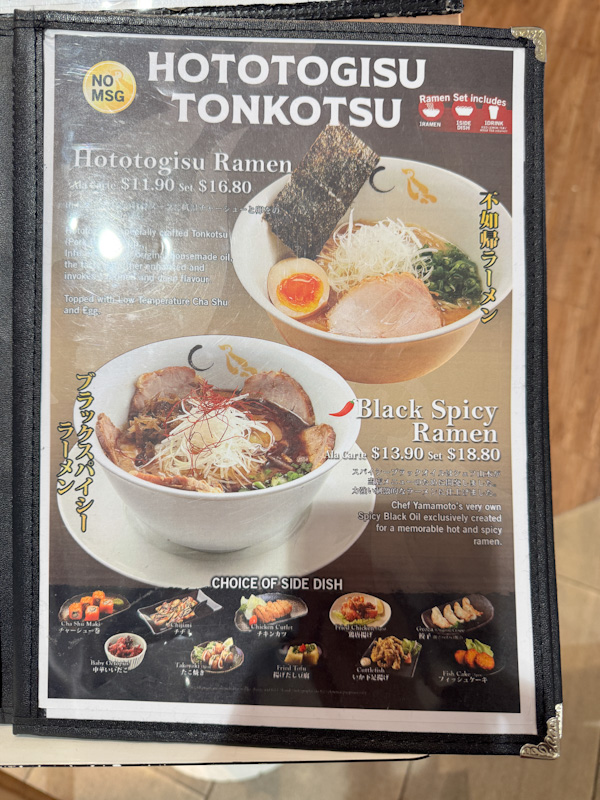
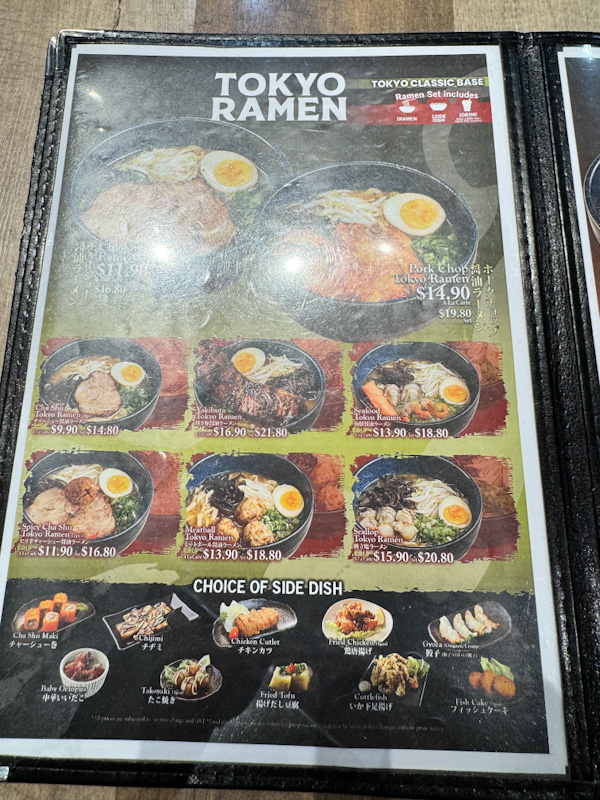
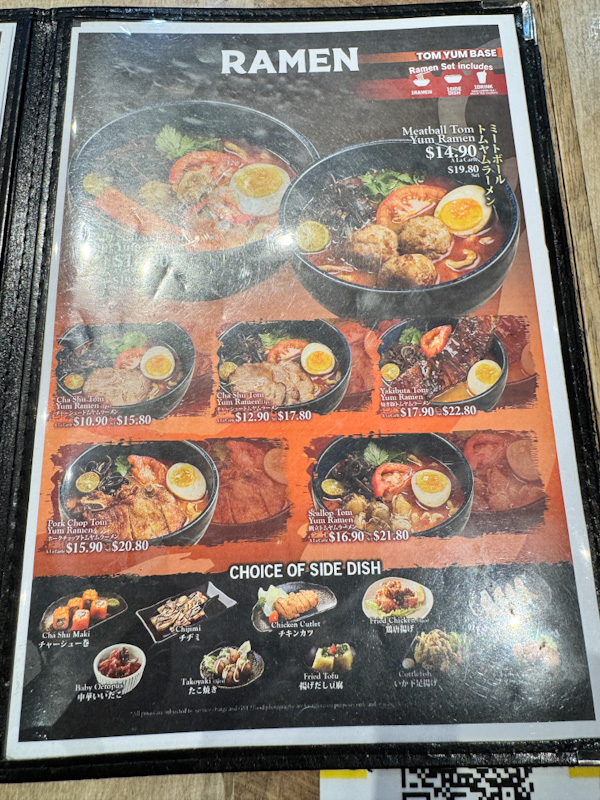
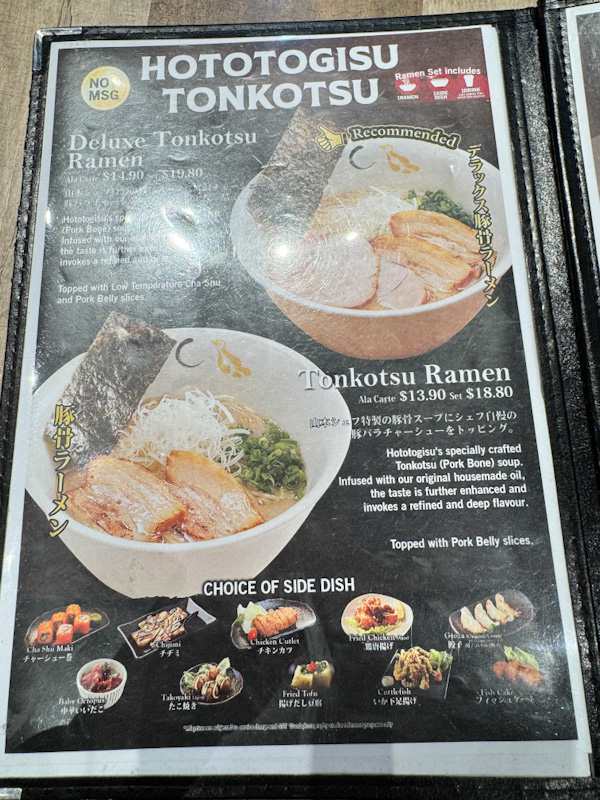
When navigating the ramen landscape of 2026, few names have went through as much quiet evolution as Hototogisu Ramen. Originally arriving in Singapore under the prestigious Konjiki Hototogisu banner—famed for its Michelin-starred clam broth in Tokyo—the chain has undergone a significant transformation over the years. Most outlets have dropped the “Konjiki” prefix and is just called Hototogisu Ramen. This shift signals more than just a name change; it represents a strategic pivot toward a menu that prioritizes local preferences and operational streamlining over the niche, complex profiles of its early years.
For seasoned diners, the most notable change lies in the foundation of the bowl. While the flagship once championed a delicate “Triple Soup” blend of clam, pork, and chicken dashi, the current Hototogisu Ramen menu has moved toward a more robust Tonkotsu mix. This evolution reflects a broader trend within the Japan Foods portfolio to consolidate flavors that resonate with a wider audience. Interestingly, while the explicit mention of the signature clam dashi has receded from many storefronts, the brand continues to experiment with outlet-exclusive variations, ranging from smoky pepper infusions to charcoal-based aromatics.
Exploring a Hototogisu outlet today offers a glimpse into how a high-concept Japanese franchise adapts to the high-volume, fast-casual demands of the Singapore market. Whether this departure from the original Michelin-starred formula serves the palate or the platform is a question every ramen enthusiast will have to answer for themselves.
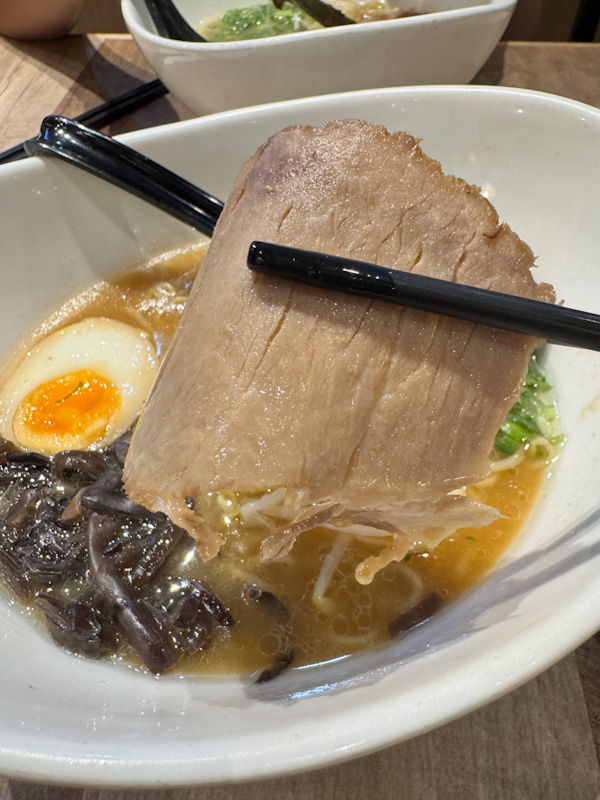
Cha Shu Tokyo Ramen: 50/100
Noodle: 25/35
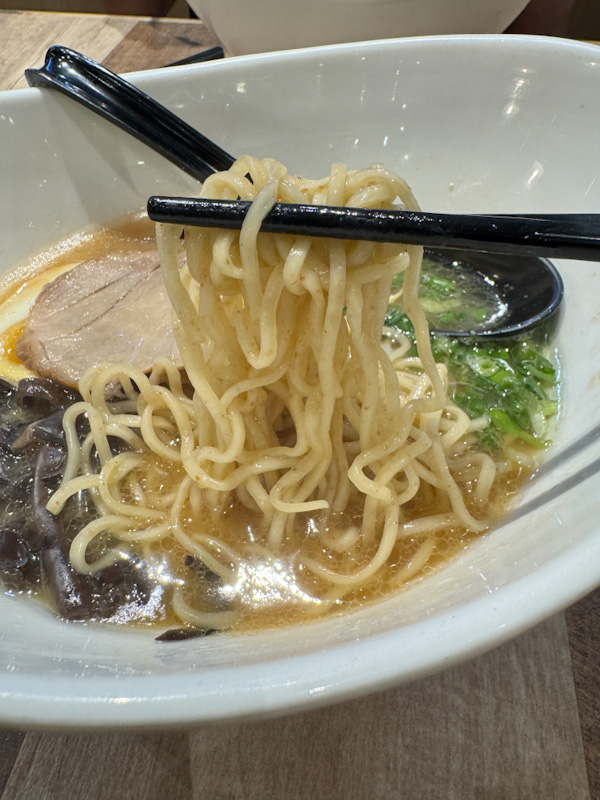
The noodles present as medium-thin and wavy, featuring a pale yellow hue interspersed with minute brown specks that suggest the inclusion of whole grain flour. Typically, such an addition introduces a specific granularity upon chewing, yet these remains curiously smooth. The mouthfeel is characterized by a firm, snappy bite and a dense, slightly doughy core that exhibits a marginal tenacity against the teeth.
From a technical standpoint, the flavor profile is anchored by a mild, earthy wheat note that is undeniably pleasant. While these noodles represent a discernible advancement in quality compared to previous visits to this outlet. A marginal increase in firmness would further refine the experience.
Soup: 15/35
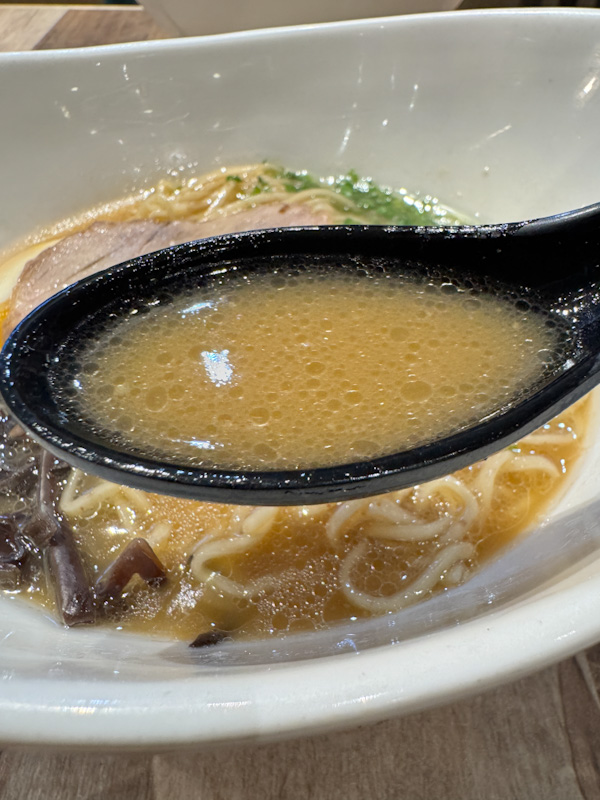
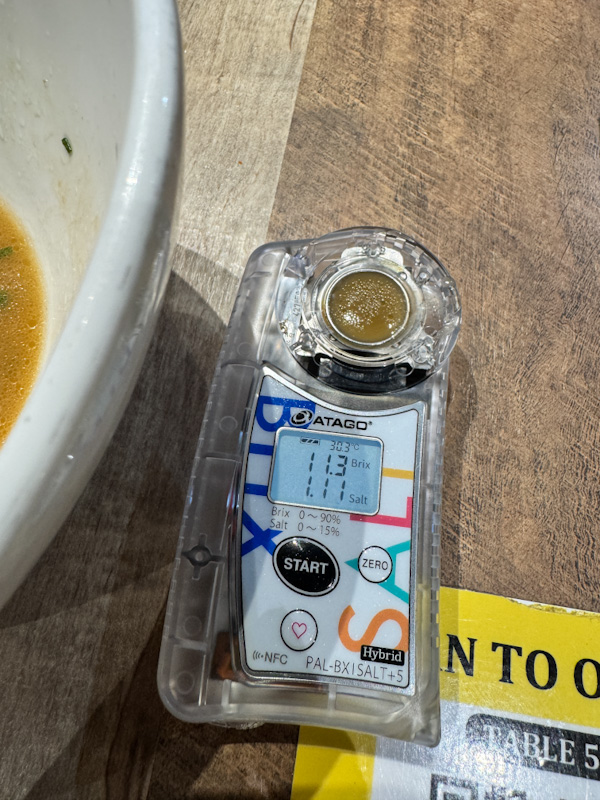
The opening is defined by a pronounced shoyu presence, though it unfortunately carries an acrid, bitter head. As the liquid transitions to the body, the expected robustness of a Tonkotsu base fails to materialize. The broth is fundamentally too thin to support the weight of the tare, causing the flavor profile to collapse prematurely.
While a fleeting hint of sweetness emerges toward the end, it is insufficient to counterbalance the lingering shoyu notes. This lack of complexity results in a flat experience where the bitterness stacks unpleasantly on the palate rather than evolving into a nuanced, multi-layered finish.
Meat: 5/20
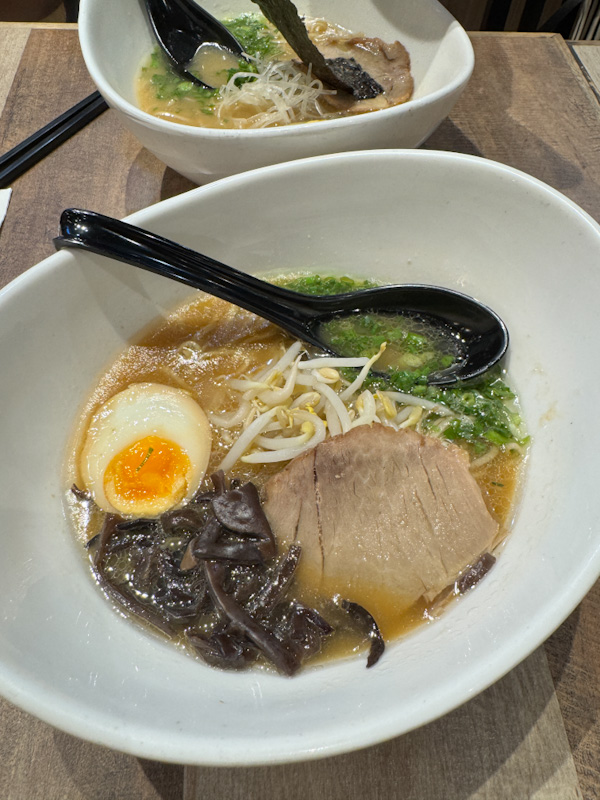
The protein component is the primary detractor in this bowl. Although the slices are medium in diameter, they are shaved paper-thin and consist almost entirely of lean musculature. The resulting texture is reminiscent of desiccated cardboard: fibrous, dry, and arduous to chew.
The marination is light, allowing a pronounced meatiness to come forward alongside a subtle, sourish umami undertone. While the flavor profile itself is not inherently offensive, the mechanical failure of the texture renders the chashu deeply unsatisfying for a dish that bears its name.
Other Toppings: 5/10
The secondary elements provide a necessary contrast in texture.
- The black fungus offers a clean, structural crunch
- The bean sprouts contribute a juicy, vegetal hydration to the palate
- The negi introduces a welcome piquant note that briefly pierces through the heavy shoyu base.
- The marinated egg is the standout among the garnishes, executed with a precise technical balance. The albumen is tender, and the yolk possesses the correct jammy viscosity. The seasoning is expertly handled, where the savory elements are tempered by a controlled application of mirin to provide a sophisticated, sweet undertone.
Summary
The Cha Shu Tokyo Ramen is a study in contradictions. While the noodle production has seen a sophisticated evolution and the egg remains a masterclass in balance, the bowl is ultimately undermined by a thin, one-dimensional broth and poorly executed protein. It is a functional meal, but it lacks the symphonic interplay of flavors required to achieve true excellence in the competitive Singapore ramen landscape.
Hototogisu Ramen: 50/100
Noodle: 25/35
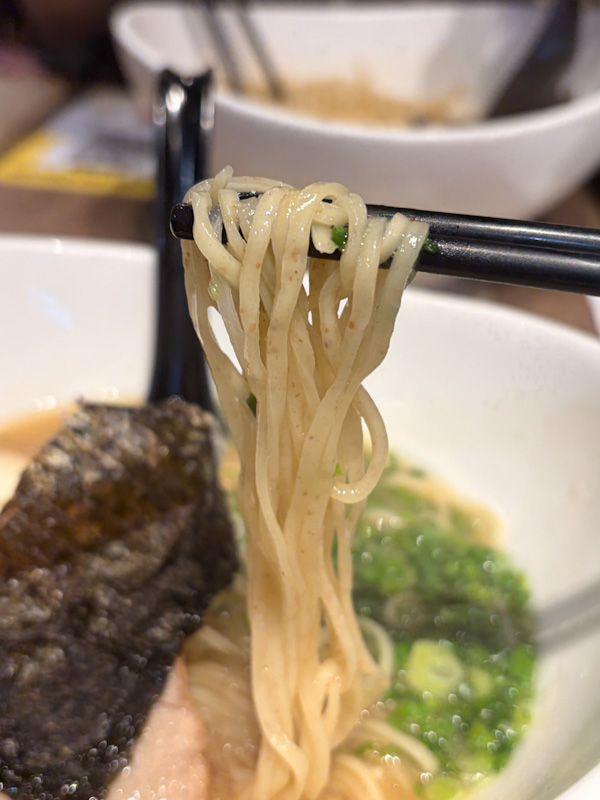
Same noodles here. The noodles at this outlet retain a consistent medium-thin, wavy architecture, characterized by a pale yellow hue and micro-specks of whole grain flour. Interestingly, the expected granularity one associates with whole grain inclusions is absent; the texture remains oddly smooth despite the visible husk. The mouthfeel is defined by a firm, snappy bite and a slightly doughy core that exhibits a marginal tenacity, occasionally sticking to the teeth.
In terms of flavor, there is a pleasant, mild earthy wheat note that represents a discernible improvement over previous years. While the structural integrity is satisfying and certainly sits above the median, the experience would be further elevated by a touch more firmness to resist the heat of the broth.
Soup: 15/35
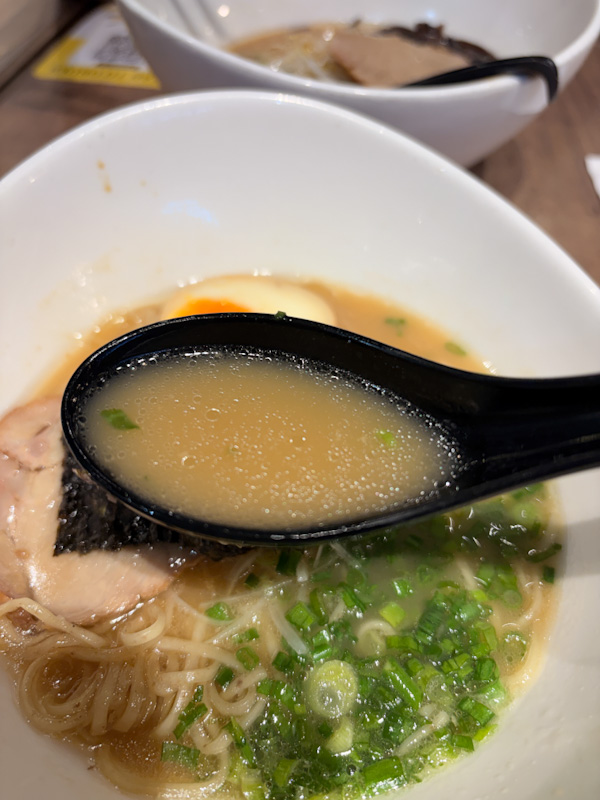
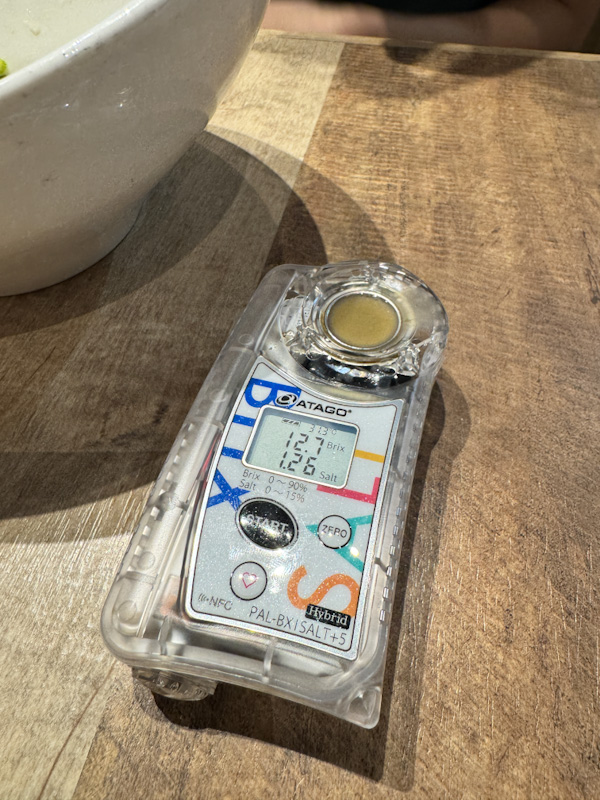
The soup profile opens with sharp, alkaline-like notes that dominate the head of the sip. As the liquid transitions to the body, the expected creamy emulsification of a Tonkotsu base is notably absent, lacking the viscosity required to carry the heavier elements of the bowl. There appears to be a seafood component integrated here, yet the balance is fundamentally skewed.
The experience concludes with a lingering sharpness of shoyu from the tare that persists well into the finish. This lack of a robust body prevents the flavors from coalescing, leaving the palate with a fragmented and somewhat discordant layering of salt and acidity rather than a harmonious umami profile.
Meat: 5/20
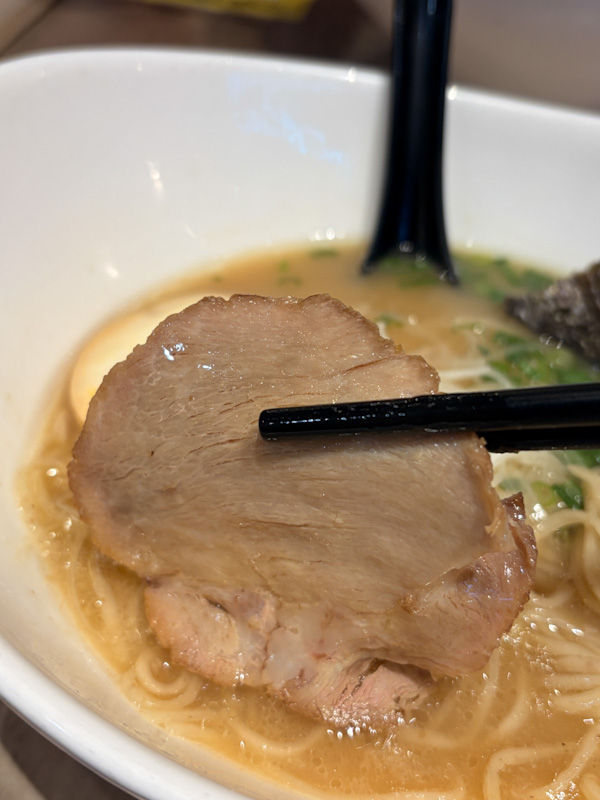
Same meat used here. The protein component mirrors the inconsistencies found in previous iterations. While the slices are medium in diameter, they are shaved paper-thin and consist primarily of lean muscle. The mechanical result is a texture reminiscent of desiccated cardboard: chewy, fibrous, and notably dry.
The flavor profile features a light marination with a pronounced natural meatiness and a subtle, sourish umami undertone. While the seasoning itself is acceptable, the subpar mouthfeel and lack of fat rendered in the cut make for a lackluster hero topping that fails to provide the necessary indulgence.
Other Toppings: 5/10
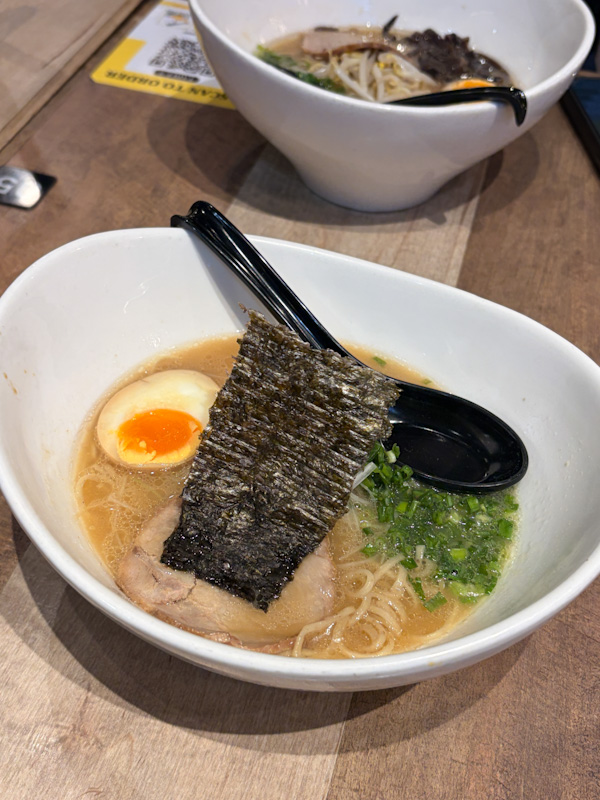
The garnishes provide a varied sensory experience.
- The black fungus contributes a reliable crunch
- The seaweed acts as an umami catalyst once it has sufficiently absorbed the broth
- The negi is particularly well-selected, offering piquant notes that provide a brief respite from the sharpness of the soup.
- Similarly, the marinated egg is the technical highlight of the bowl. It exhibits the correct jammy texture with a balanced savory profile that does not overpower the palate. The mirin levels are expertly controlled, yielding a sophisticated sweet undertone that complements the yolk without veering into cloying territory.
Summary
This visit to Hototogisu Ramen reveals a bowl struggling with its identity. While the noodle quality has seen a deliberate upward trajectory and the technical execution of the egg remains high, the broth fails to deliver the layered complexity one expects from this lineage. The imbalance between the sharp tare and the thin body, coupled with a chashu that lacks succulent qualities, results in a meal that is functional but ultimately misses the mark of a maestro’s creation.
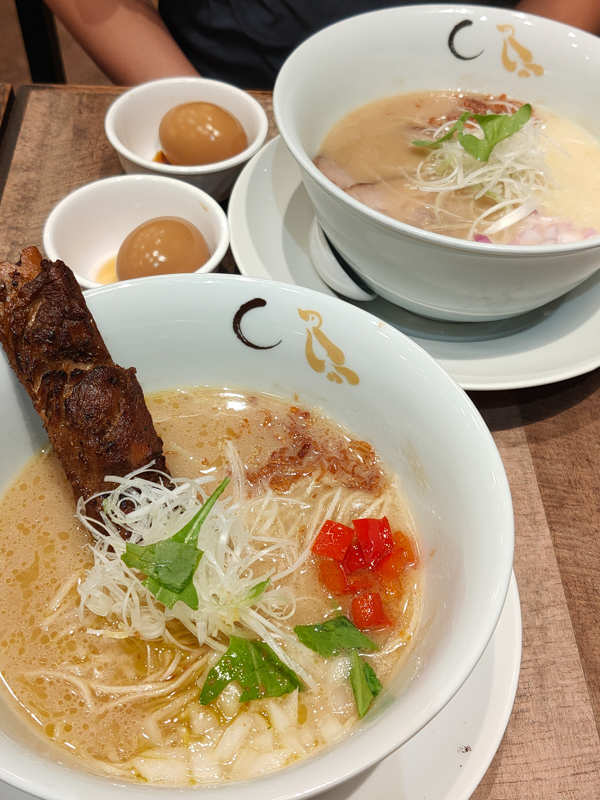
Charcoal Spare Ribs Ramen: 35/100
Noodle: 5/35
The noodles in this ramen dish are similar to the straight Hakata-style noodles, but slightly thicker compared to those found at Ippudo, Ikkousha, or Keisuke. While the thickness is not an issue on its own, we found the texture of the noodles to be somewhat clumpy and clay-like, which was a disappointment. It’s possible that this was an isolated incident during our visit to the Waterway Point outlet. To confirm, we may try other outlets in the future.
Soup: 15/35
The broth in this ramen leans towards a lighter and more watery consistency. We feel that it could benefit from a richer flavor profile. The menu mentions the presence of burnt garlic, but unfortunately, the garlic flavor doesn’t come through as expected. However, there is a pleasant “wok hey” aftertaste that adds a nice touch, which we suspect is the result of the charcoal element.
Meat: 5/20
While the burnt flavor is present and provides a savory taste, the meat itself is disappointingly tough. This aspect of the dish fell short of our expectations.
Toppings: 10/10
The eggs in this ramen were enjoyable, with a nice golden and runny yolk. Additionally, there is a refreshing mix of side ingredients, including shredded and diced onions and capsicum. It’s evident that thought was given to the combination of these various flavors. Overall, this mix of toppings provided a refreshing element to the dish, but unfortunately, it wasn’t enough to compensate for the other shortcomings we experienced.
Yuzu Cappuccino Ramen: 25/100
Noodle: 5/35
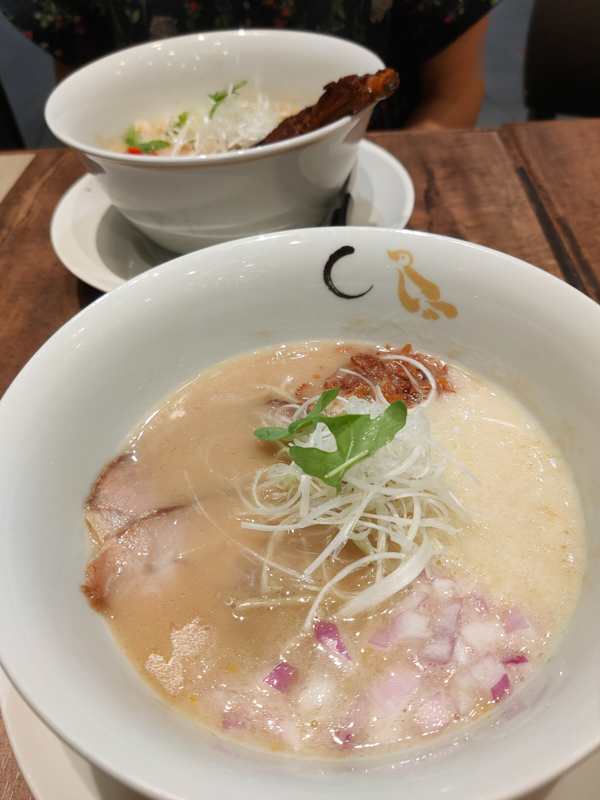
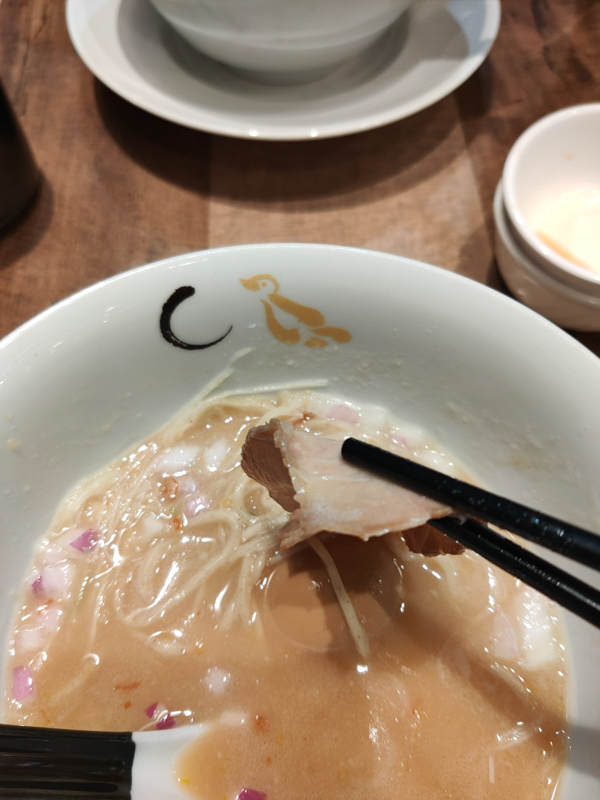
Similarly to our previous experience, we found the noodles in this dish to have a disappointing clayish texture. Despite specifically requesting them to be cooked hard, they remained unsatisfactory.
Soup: 5/35
While it’s becoming more common to encounter refreshing variations of classic ramen, this particular rendition missed the mark for us. The overpowering sourness from the Yuzu overshadowed any other flavors, making it difficult to discern other elements in the dish. Additionally, we couldn’t detect any traces of the cappuccino concept throughout the meal. As a result, we left with a bowl still half-filled with the broth. It’s worth noting that this experience may be specific to the outlet we visited, and we might consider revisiting in the future to reassess.
Meat: 5/20
The thinly sliced meat in this ramen failed to leave a lasting impression. The quantity was meager, making it challenging to truly appreciate its taste. It reminded us of another ramen dish we’ve encountered before, which didn’t contribute positively to our overall enjoyment.
Toppings: 10/10
As mentioned earlier, the eggs were prepared to perfection, maintaining their golden and runny goodness. However, when it comes to the other toppings, while the concept was intriguing, they didn’t quite meet our expectations. Alongside the standard shredded green onions, red onions were added, providing a pleasant punch of flavor to the meal.