WHAT WE ATE
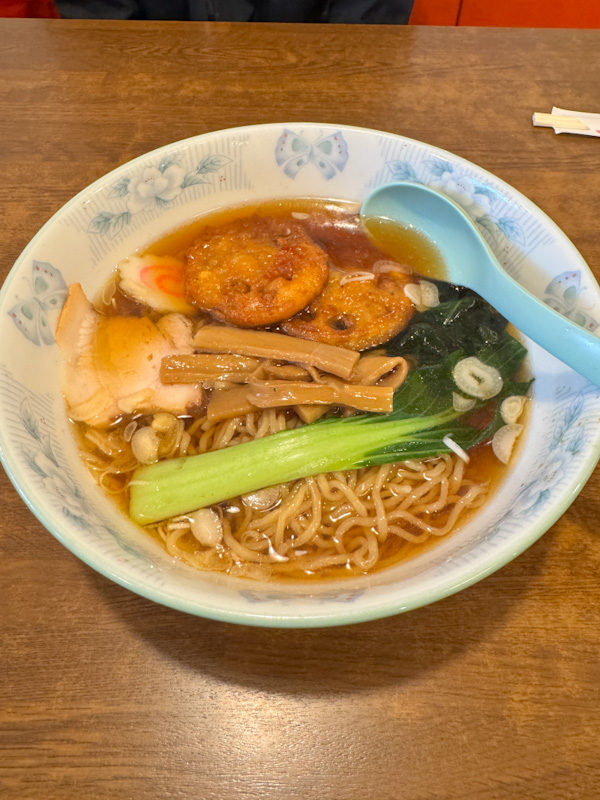
- Yokohama Style Ramen – 60/100, HCMC, 19 Jan 2026
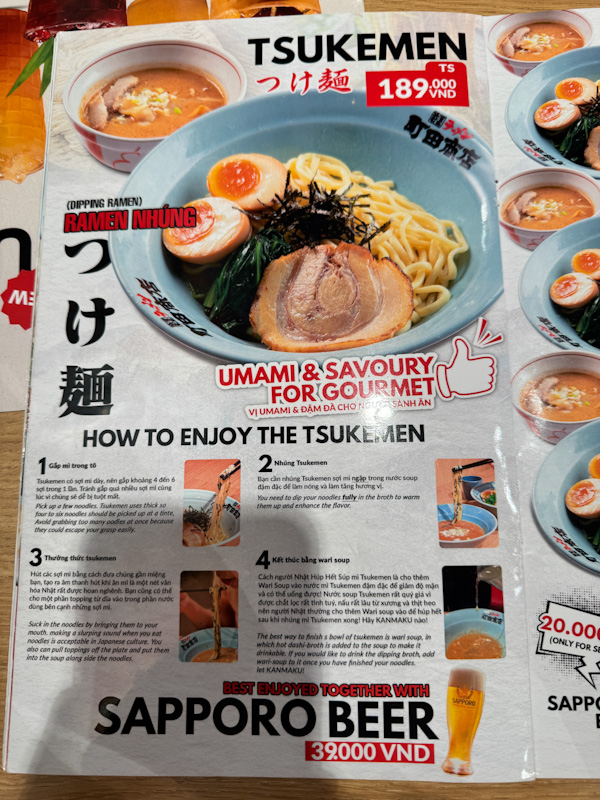
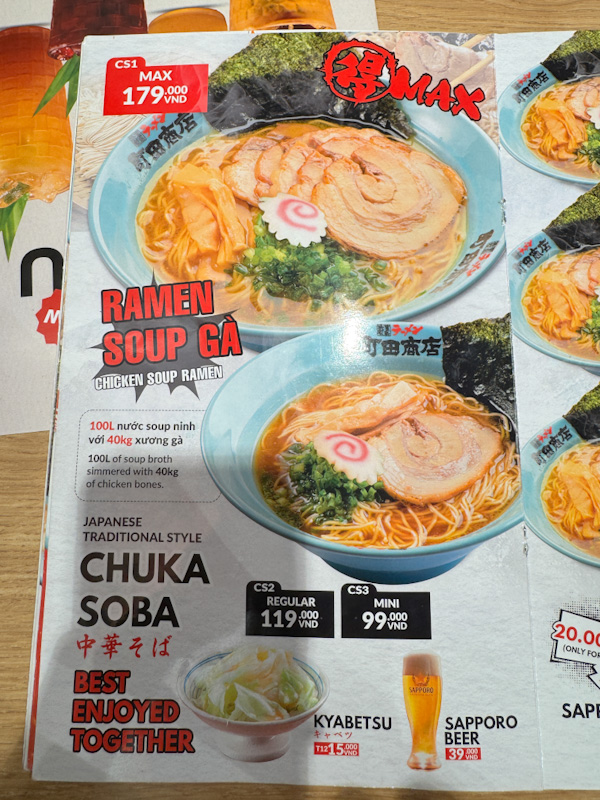
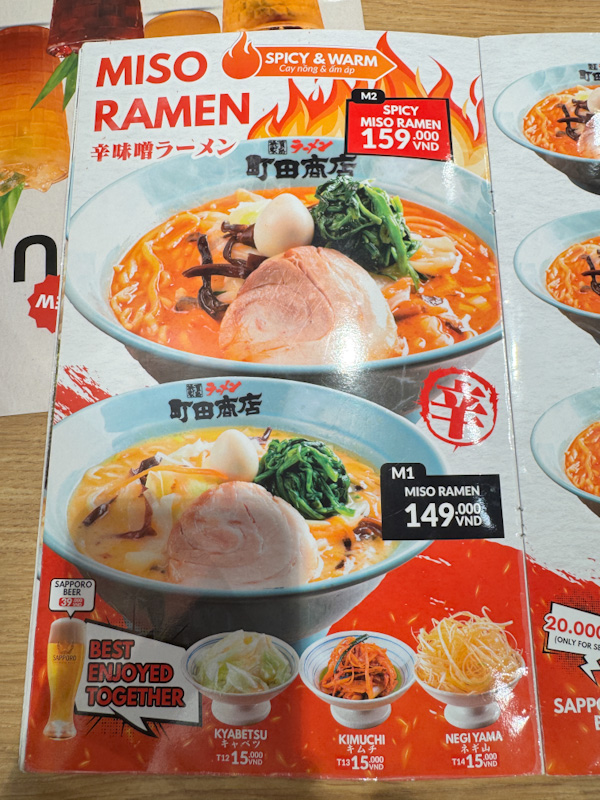
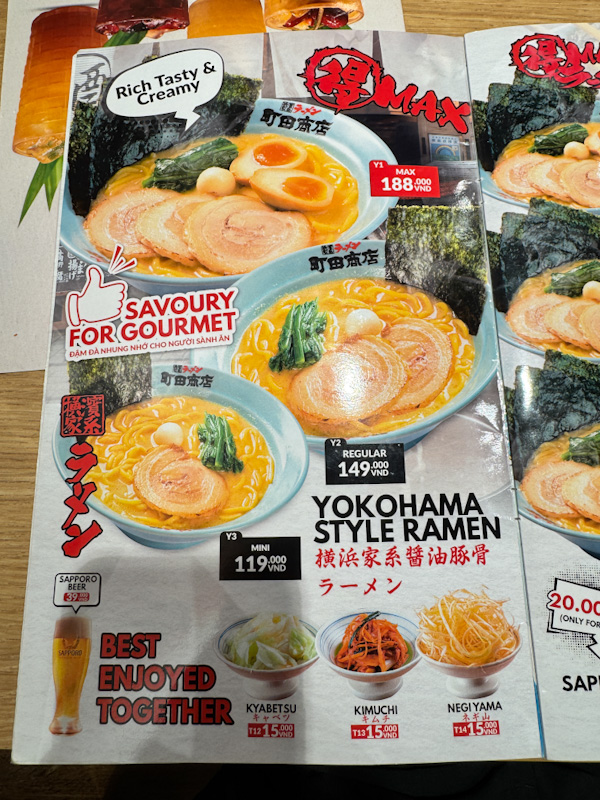
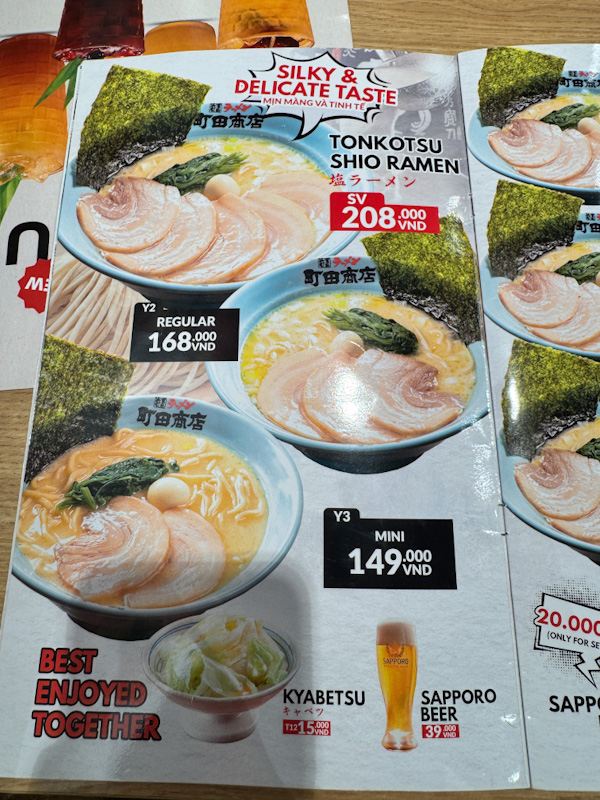
Since its founding in Japan in 2008, Machida Shoten has been on a clear mission: bring the distinctive Yokohama-style ramen tradition — a hybrid of robust pork bone depth and soy-sauce clarity — far beyond its Japanese roots and into the hands of ramen lovers around the world. What sets Machida Shoten apart in the crowded world of noodle shops is its commitment to a specific lineage of ramen known as Iekei — a style that blends Tonkotsu richness with Shoyu brightness, anchored by medium-thick noodles, savoury tare, and a thoughtfully balanced broth made by combining pork and chicken bones. Over nearly two decades, that approach has helped the brand grow into hundreds of locations globally, including multiple outposts in Ho Chi Minh City, where its presence signals a broader embrace of authentic Japanese ramen culture in Vietnam’s dynamic food scene.
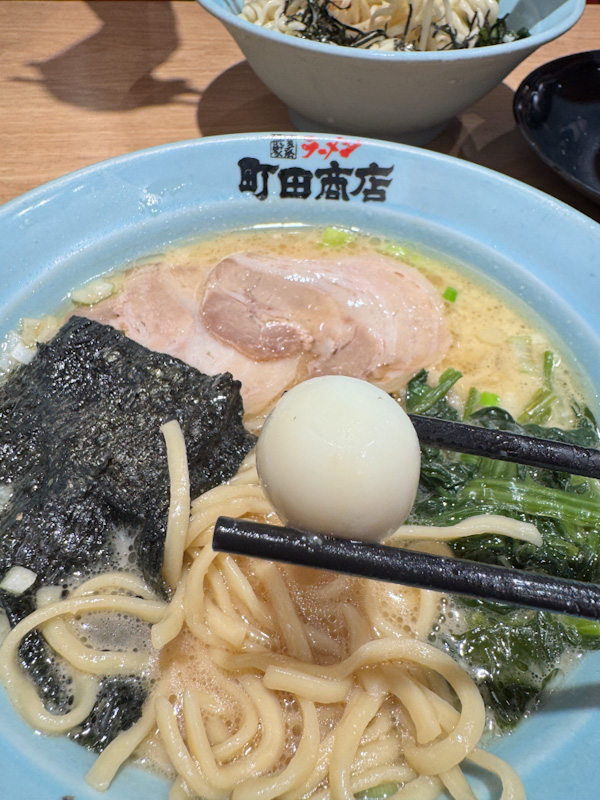
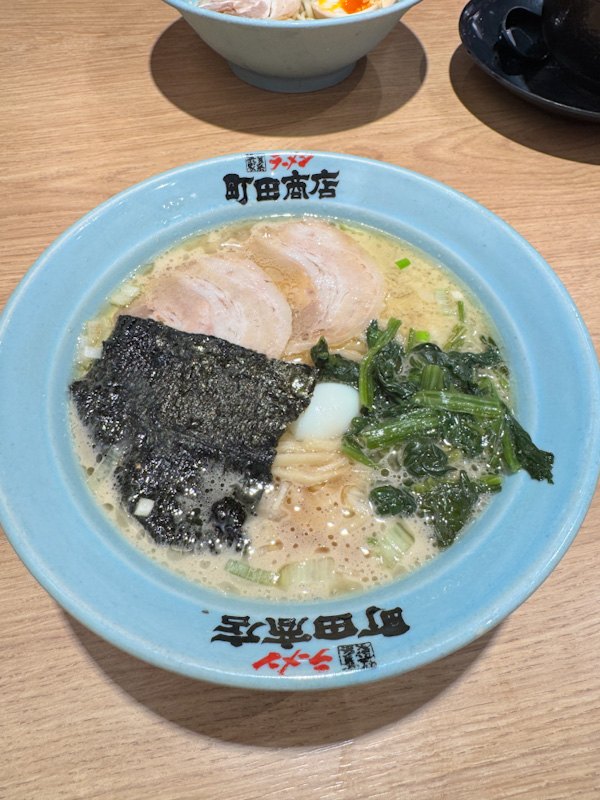
Yokohama Style Ramen: 60/100
Noodle: 20/35
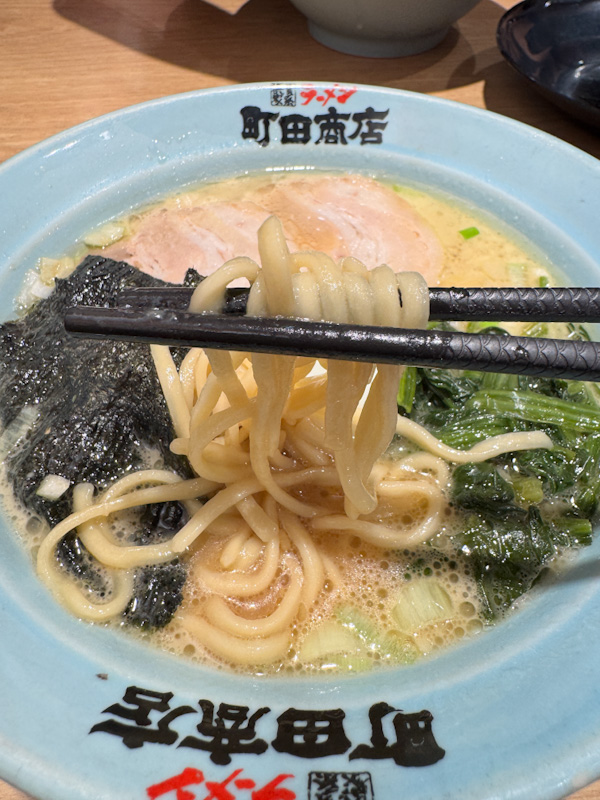
The noodles here are medium-thick, flat, yellow noodles, visually aligned with what you would expect from some Yokohama-style bowl. Unfortunately, they arrive slightly on the soft side, which immediately frames the eating experience.
In terms of mouthfeel, the noodles sit in an awkward middle ground. They are not soggy or mushy, but they also lack spring and resistance. There is a borderline doughy quality, which can be characteristic of Yokohama-style noodles, but without enough tensile bite to make that trait feel intentional or satisfying. That signature snap never quite shows up.
Flavour-wise, there is a faint wheat sweetness with no pronounced alkaline edge. It does its job without getting in the way, but it does not elevate the bowl either. The fact that the same noodles are used for tsukemen suggests a decision driven more by economy than ideal pairing. The intent to reference Yokohama style is clear, but the execution stops short at texture.
Soup: 25/35
The soup opens with a pleasant, savoury shoyu-forward head, immediately familiar and approachable. As it settles, a brief but gentle sweetness emerges in the body, adding some warmth without becoming cloying.
The ending, however, fades a little too quietly. What lingers is mostly sweetness, with insufficient aromatic lift or that faintly bitter, soy-driven edge that often gives shoyu its structure and finish. The overall layering feels slightly compressed. The shoyu presence is present but restrained, and the broth richness leans thinner than expected for this style.
Oil is more assertive than the broth body can support, creating a mild imbalance. The result is a soup that starts well, shows promise midstream, but does not quite carry through with conviction.
Meat: 10/20
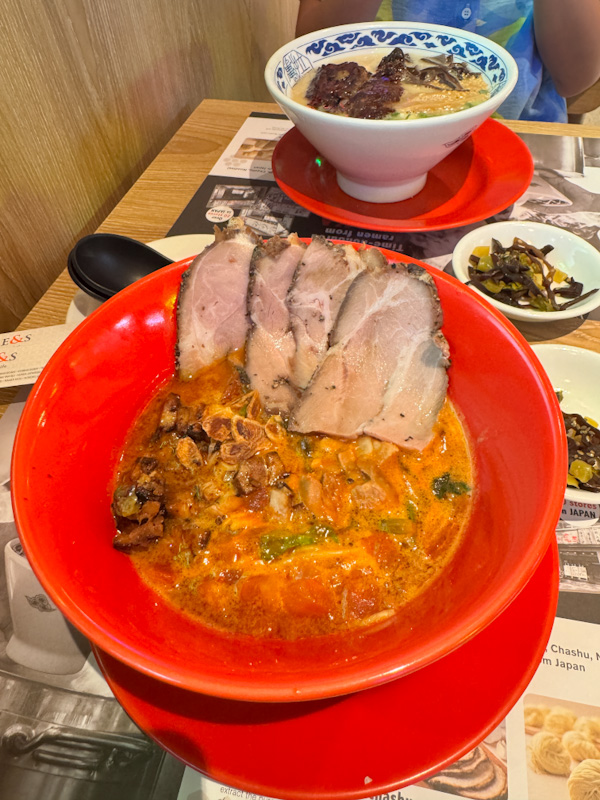
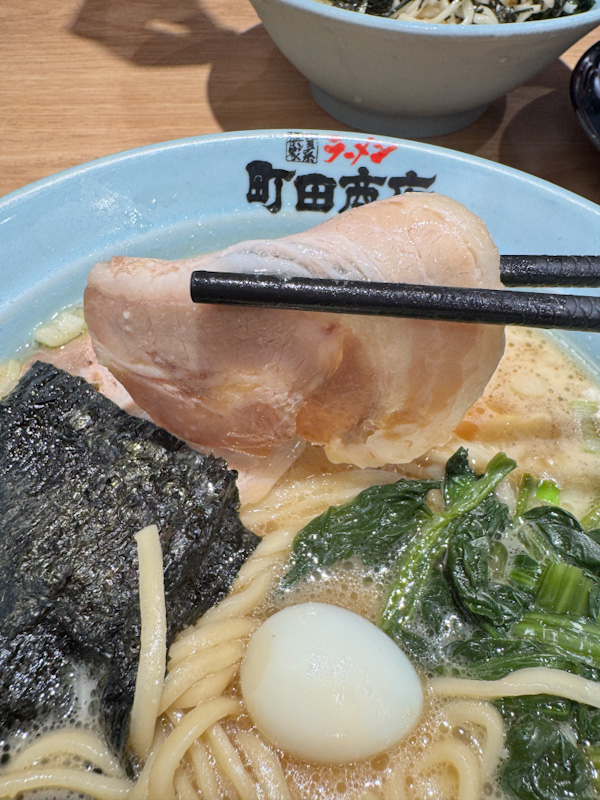
The chashu comes as thin slices of rolled pork, which helps mitigate some textural shortcomings. The lean sections are firm and chewy. They are not dry, but they lack juiciness. The fatty portions offer a pleasant jelly-like texture, though they stop short of melting down fully.
Mouthfeel benefits from the thin cut, making the chashu easier to eat and less fatiguing. Flavour remains light and restrained. You can taste the natural sweetness of the pork, but the marinade plays a supporting role rather than leaving any lasting impression. It feels functional, filling space rather than anchoring the bowl.
Topping: 5/10
- The spinach is a bright spot, contributing a welcome vegetal bitterness that helps counter the soup’s sweetness. It does its job quietly but effectively.
- The quail egg, on the other hand, feels slightly misplaced. As a single egg, it does not meaningfully shift flavour or texture in the bowl, making its presence feel more ornamental than purposeful.
- The negi is the weakest element. It comes across flat and dried out, offering little aroma or bite. Given how important negi can be in lifting shoyu-based bowls, this is a missed opportunity.
Summary
This Yokohama-style ramen feels like a bowl built with awareness of tradition but held back by cautious execution. Individual components show intent and baseline competence, yet few of them fully commit to the depth, texture, or contrast that define the style at its best. The noodles lack the resistance needed to anchor the experience, the soup hints at structure without fully developing it, and the toppings contribute unevenly.
What emerges is a ramen that is serviceable and recognisable, but ultimately restrained. It satisfies hunger more than curiosity. For those seeking a gentle introduction to Yokohama-inspired ramen, it may land comfortably. For seasoned eaters looking for tension, edge, or layered payoff, the bowl leaves some distance between reference and realisation.
DISCLAIMER
One man’s meat is another man’s poison.
Find out more about our palettes and how we evaluate our ramen here. 😉