WHAT WE ATE
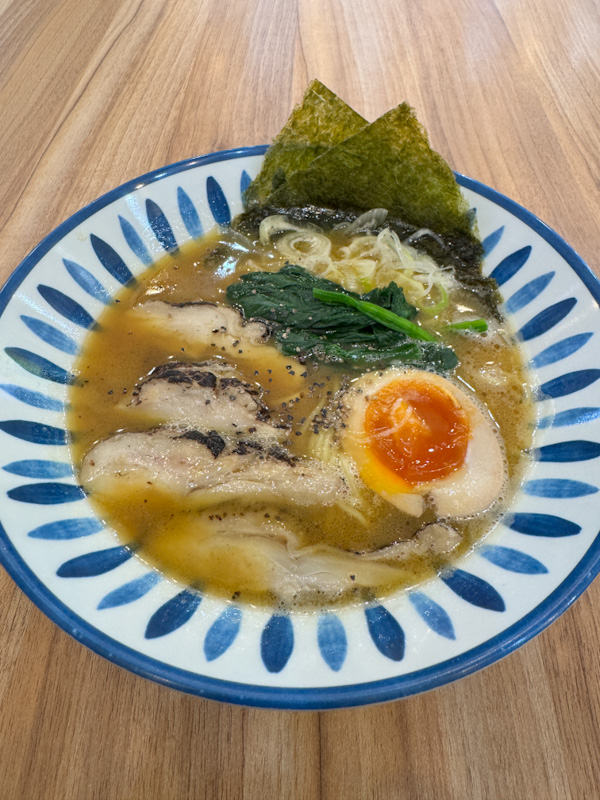
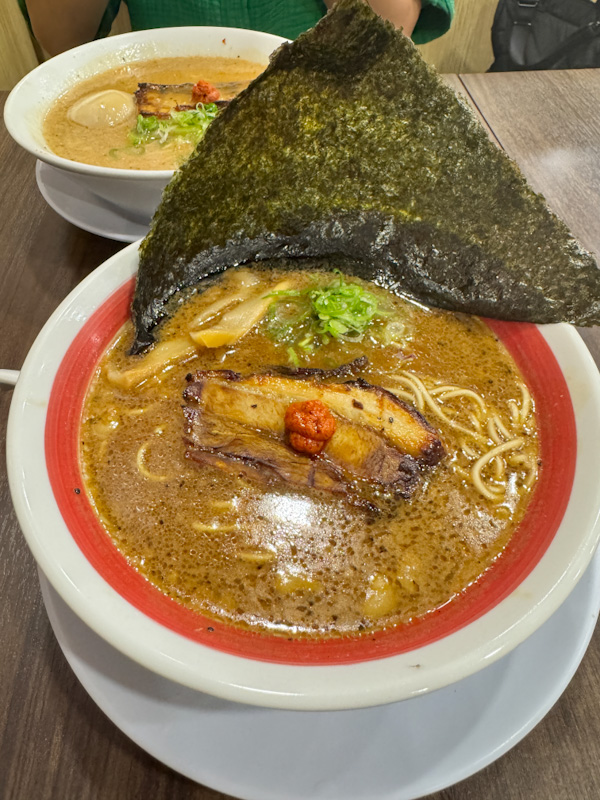
- Chashu Ramen, 40/100 (31 Jan 2025, CES Centre, Chinatown)
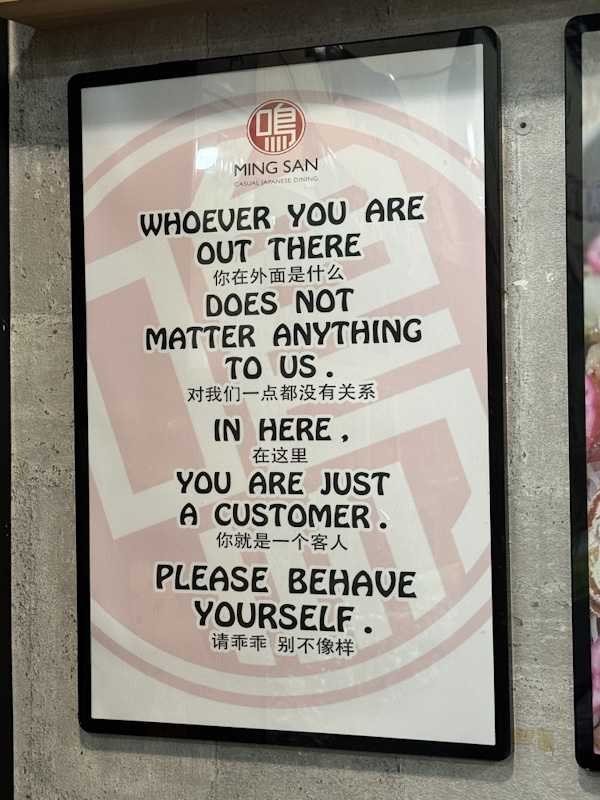
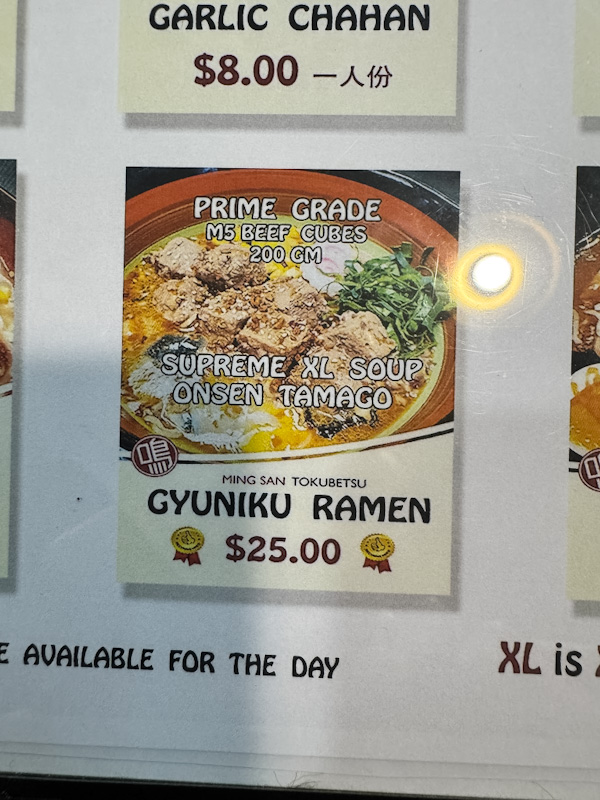
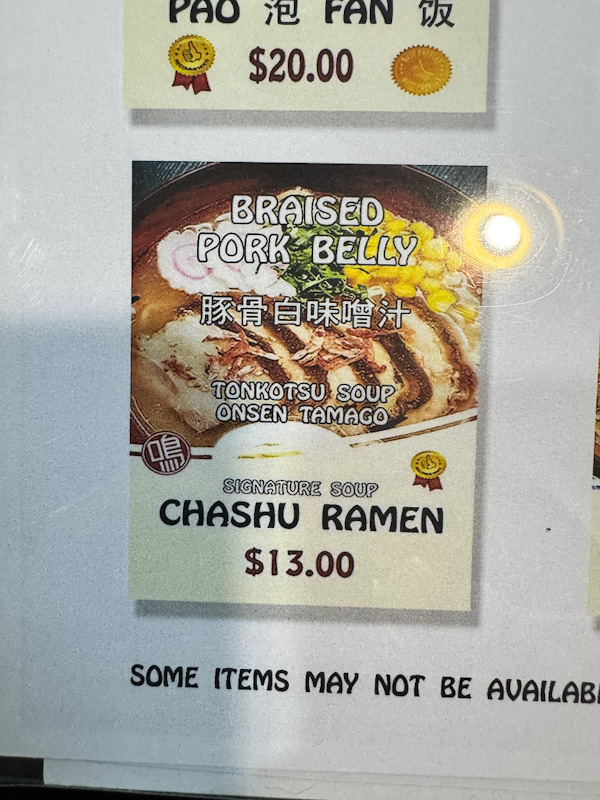
Tucked inside CES Centre along Chin Swee Road (near Outram Park), Ming San Casual Japanese Dining is one of those low-key Japanese restaurants in Singapore that people tend to discover quietly rather than chase deliberately. It’s a small, family-run spot with a relaxed, neighbourhood feel, sitting somewhere between an everyday dining option and a place regulars return to on habit.
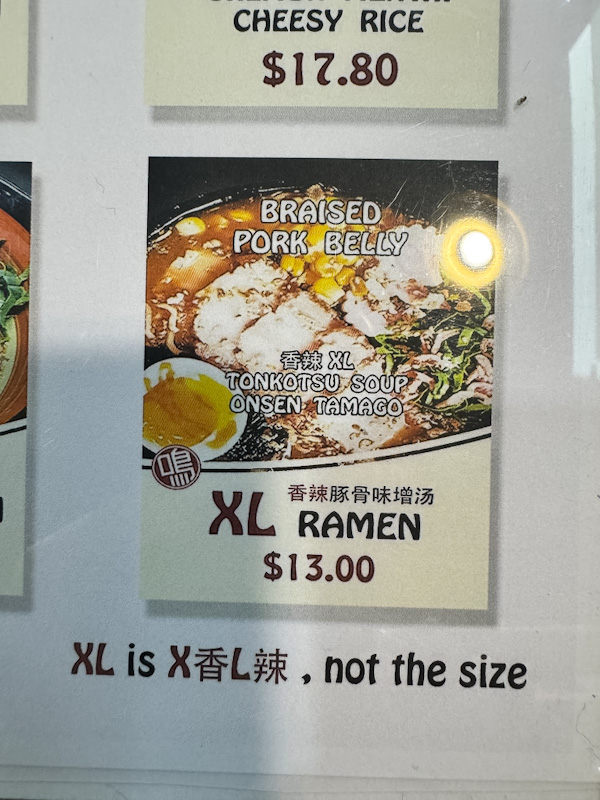
Conceptually, Ming San is an izakaya-style restaurant rather than a ramen-ya. The menu leans broad rather than specialised, covering familiar Japanese comfort categories like donburi, yakitori, and cooked dishes meant for sharing. That said, ramen is also on the menu and that was what piqued my curiosity. It’s always interesting to see how a non-ramen specialist approaches the bowl, especially in an izakaya context where ramen often plays a different supporting role – comfort food.
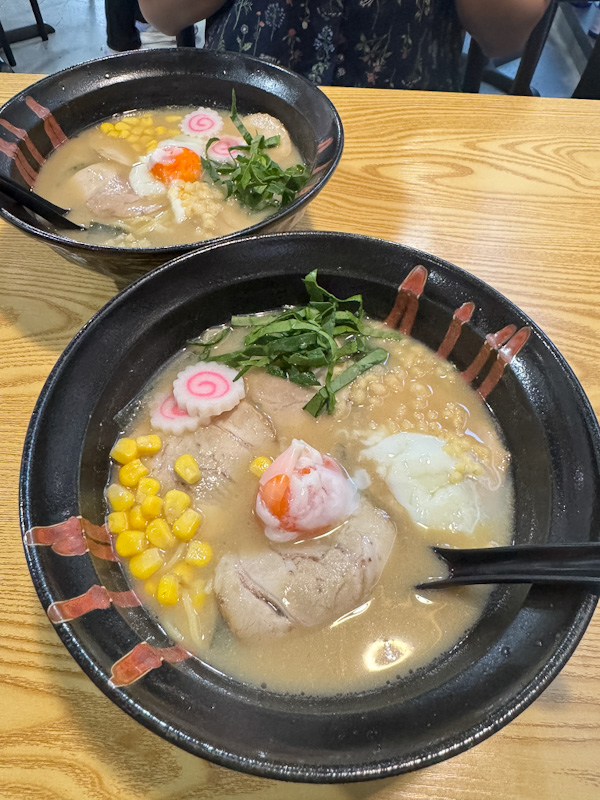
Chashu Ramen: 40/100
Noodle: 10/35
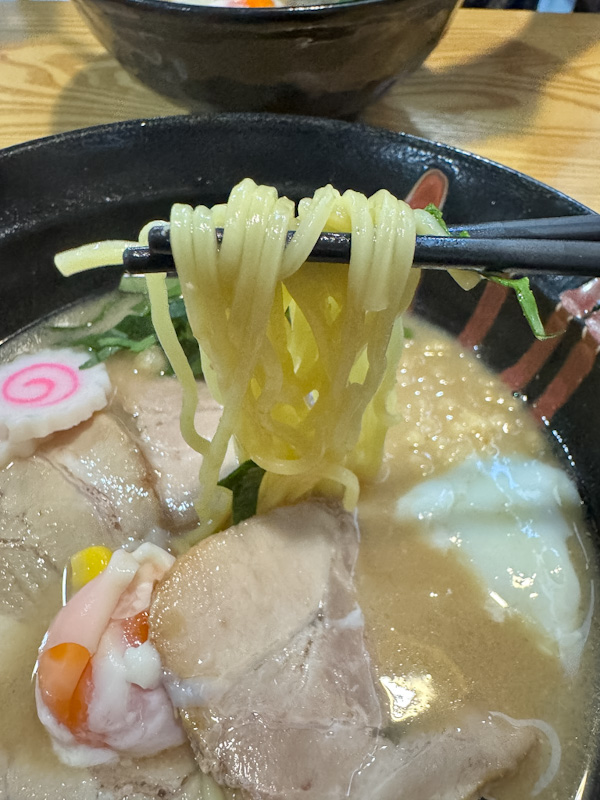
The noodles here are yellow, medium-thin, and straight, very much in the mould of generic shoyu ramen rather than anything custom or house-made. Texture-wise, they arrive soft and slightly overcooked, tipping into doughy territory fairly quickly. There is a mild chew, but it’s the kind that reminds you more of instant noodles than alkaline kansui-driven ramen noodles.
Mouthfeel follows the same trajectory. Slightly chewy at first, then progressively limp as they sit in the broth. Flavour-wise, the alkaline “yellow noodle” taste is pronounced. It’s functional, clearly designed to carry soup rather than assert itself, but it lacks nuance and wheat expression. Nothing offensive here, but also nothing memorable. It does the job, then exits quietly.
Soup: 20/35
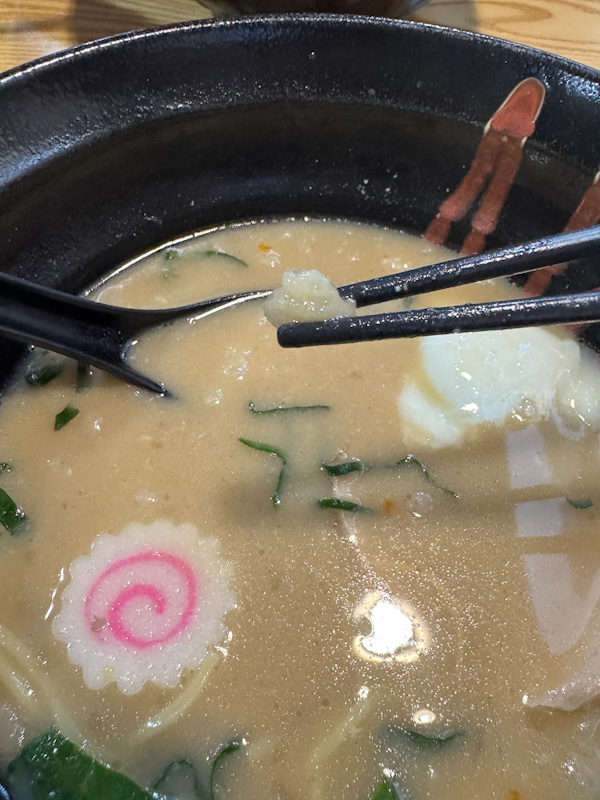
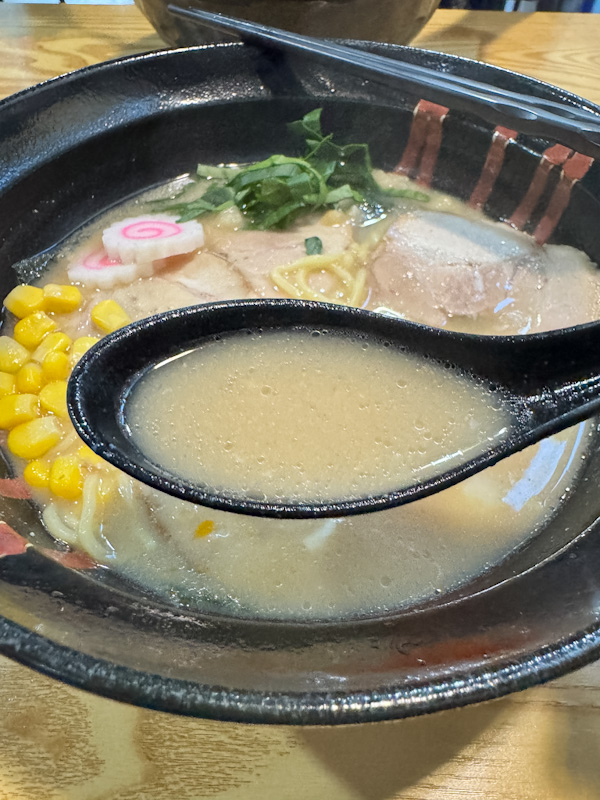
The soup arrives with a greyish-brown, dark shoyu tint, but it isn’t clear. There’s a noticeable cloudiness to it, almost as if a small amount of miso has been worked into the base. Visually, it reads heavier and richer than it actually is, setting up expectations the broth doesn’t fully meet.
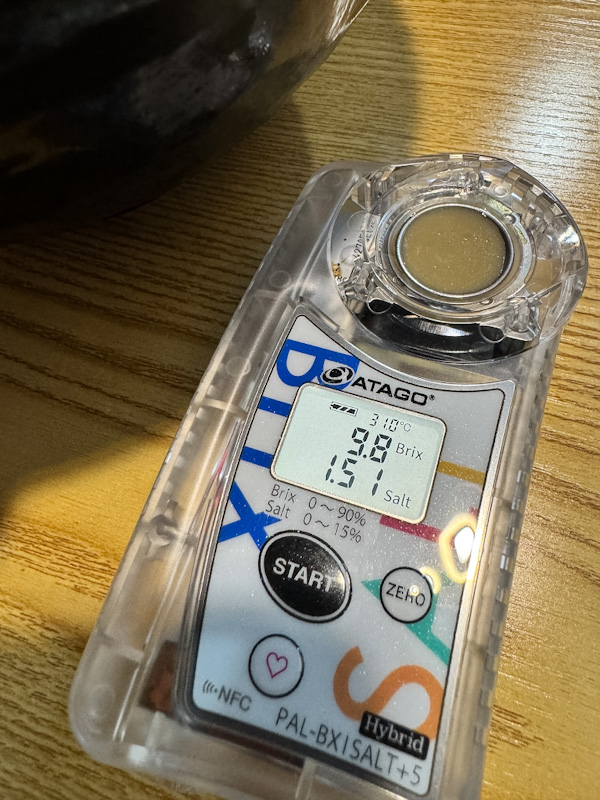
At the head, the first impression is a sharp saltiness that lands immediately. The body introduces a gritty savoury quality, likely from suspended solids in the broth rather than depth built from reduction or fat. This is where the miso-like cloudiness becomes more apparent in texture than in flavour. It adds weight, but not cohesion. Toward the end, a lingering shoyu aroma emerges with a faint sweetness that slightly rounds off the earlier salinity.
Layer-wise, the broth feels imbalanced. The cloudiness suggests complexity, but the actual structure relies largely on salt to carry the profile. It tastes acceptable once your palate adjusts, but the visual promise of a fuller-bodied soup isn’t quite realised.
Meat: 5/20
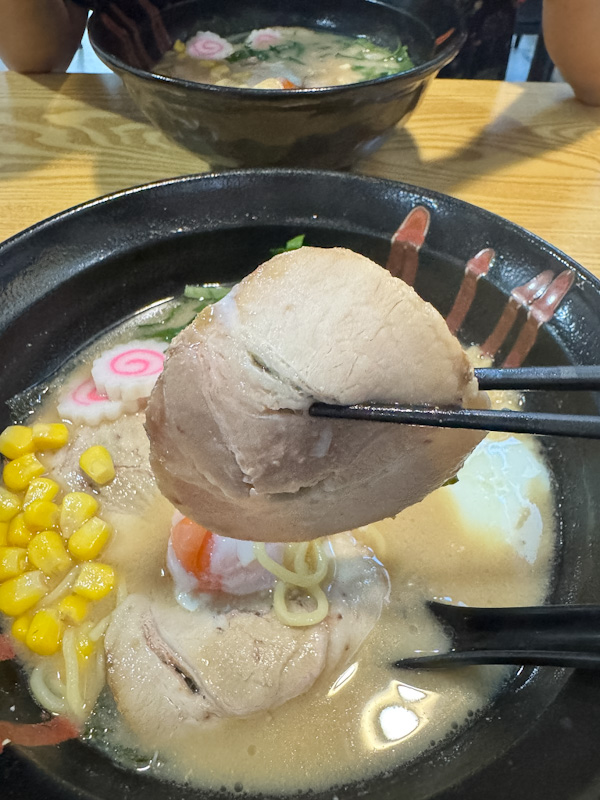
The chashu comes as a generous portion of rolled pork, which initially reads as a positive. Unfortunately, execution lets it down. The texture is tough and dry.
Mouthfeel is chewy and resistant, requiring more effort than you’d want from chashu. Flavour-wise, it’s lightly marinated, and you can taste the sourish tang of the pork itself. It’s not unpleasant, but it leans porky in a way that isn’t fully balanced by seasoning. Quantity is not the issue here. Quality and tenderness are.
Other Toppings: 5/10
The toppings are plentiful, but consistency varies.
- The naruto is dried out and tough, with an average flavour that suggests it’s been sitting around longer than ideal.
- Sweet corn fares better, providing a pop of sweetness that contrasts the salty broth.
- Seaweed is serviceable and does what it’s meant to do.
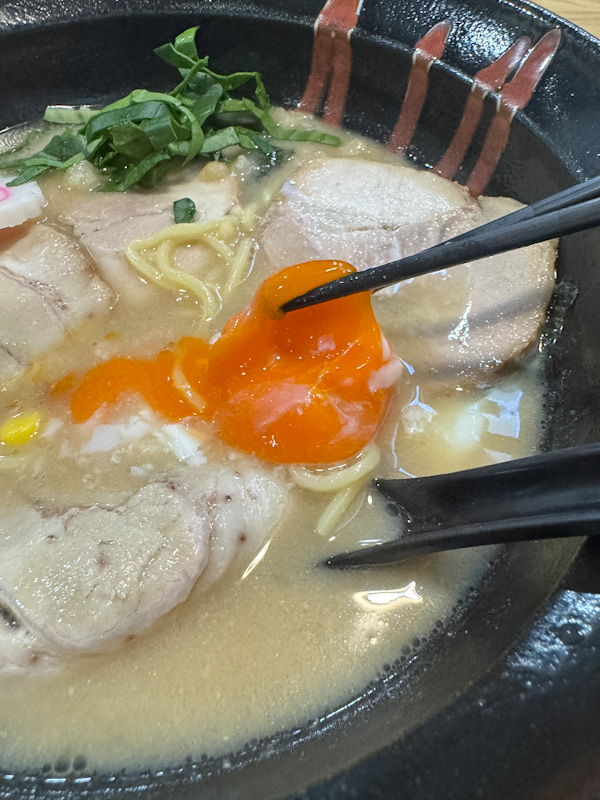
- The onsen egg is where things feel a little off. The yolk looks overcooked and carries the texture of something that’s been chilled and reheated, resulting in a slightly awkward bite.
- Pork back fat adds richness but doesn’t integrate fully into the soup.
- Vegetables play more of a visual role, though they do contribute a mild vegetal bitterness that briefly cuts through the salt.
Summary
This bowl landed more or less where expectations were set. Ming San is an izakaya, not a ramen-ya, and the ramen here feels designed as a supporting act rather than the main event. In that context, the bowl prioritises familiarity and comfort over finesse or technical precision. The noodle is serviceable, the soup leans heavily on salt, and the chashu struggles with texture, but nothing is outright disastrous.
What carries the experience is the broader setting. The homely, family-run vibe of the restaurant explains why people return, especially for casual Japanese meals rather than ramen specifically. This is the kind of ramen you order out of curiosity, or as a warm, filling option at the tail end of an izakaya meal, not one you’d go out of your way to chase. As a ramen benchmark, it’s modest. As part of a neighbourhood izakaya experience, it makes a bit more sense.
DISCLAIMER
One man’s meat is another man’s poison.
Find out more about our palettes and how we evaluate our ramen here. 😉