WHAT WE ATE
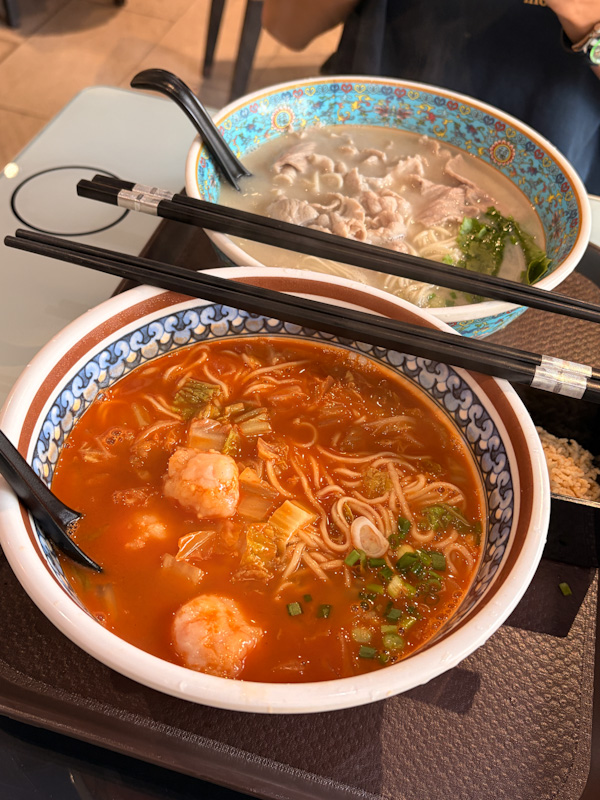
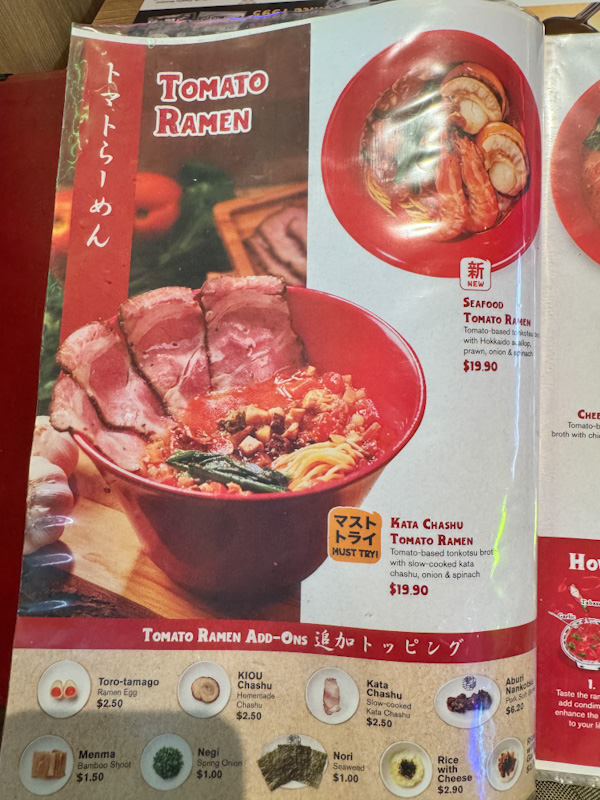
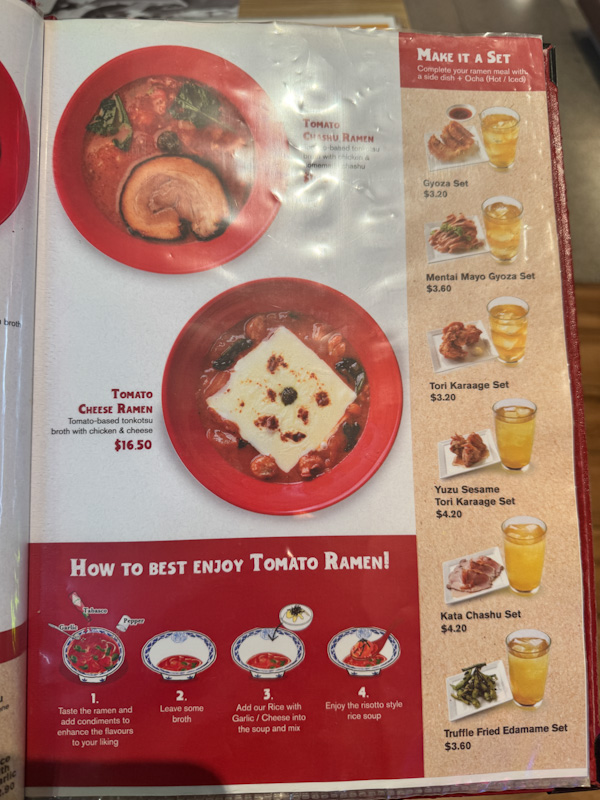
- Kata Chashu Tomato Ramen, 65/100 (NEX Food Street, 29 Mar 2026)
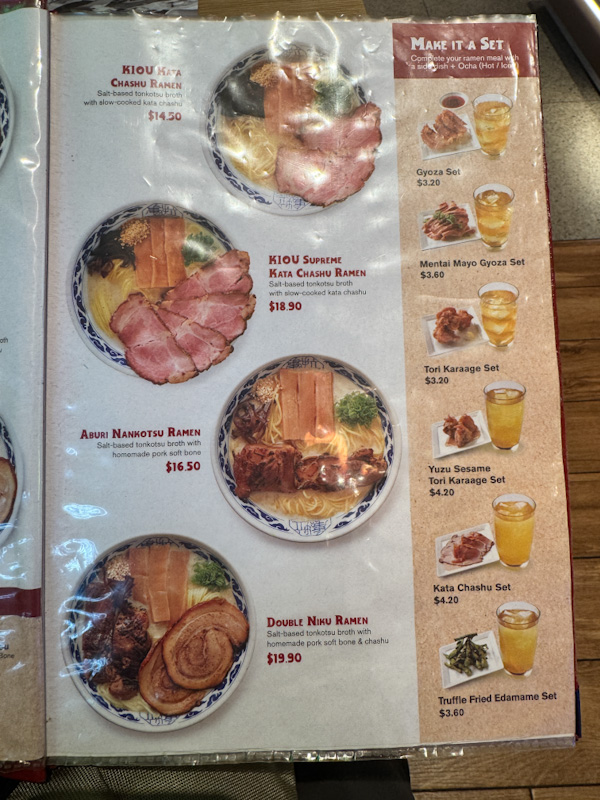
- Aburi Nankotsu Ramen, 80/100 (NEX Food Street, 29 Mar 2026)
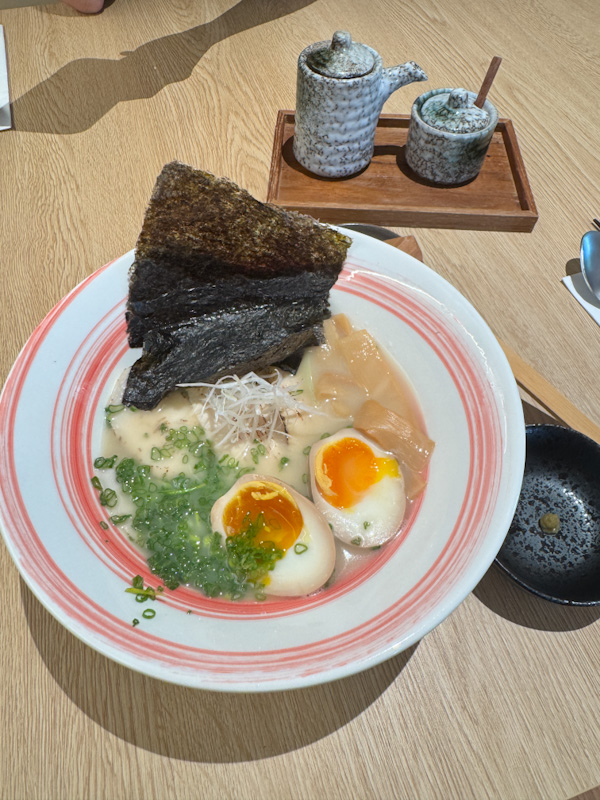
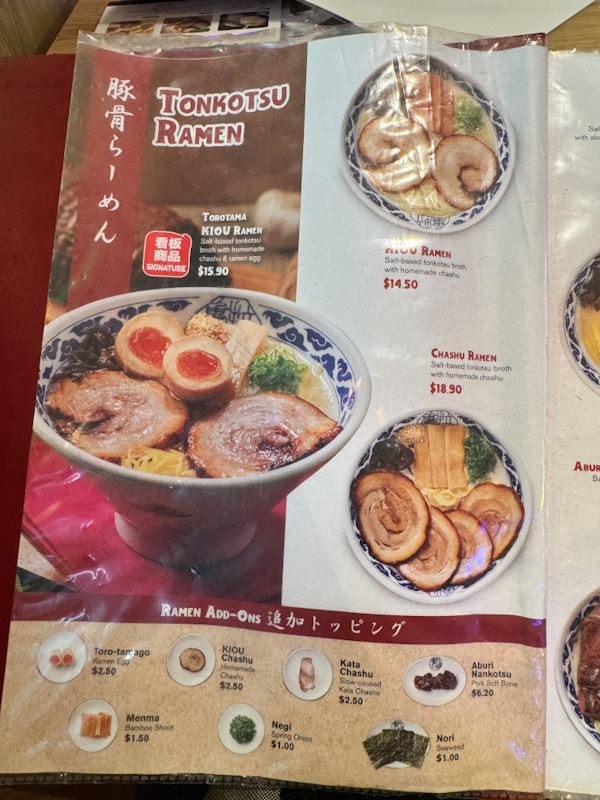
- Torotama KIOU Ramen, 70/100 (NEX Food Street, 28 May 2022)
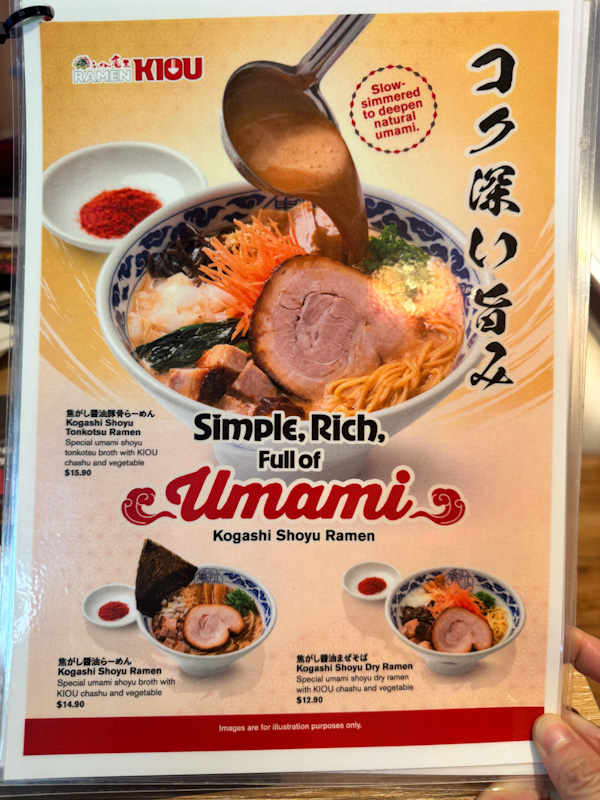
- Deluxe Shoyu Tonkotsu Ramen, 70/100 (NEX Food Street, 28 May 2022)
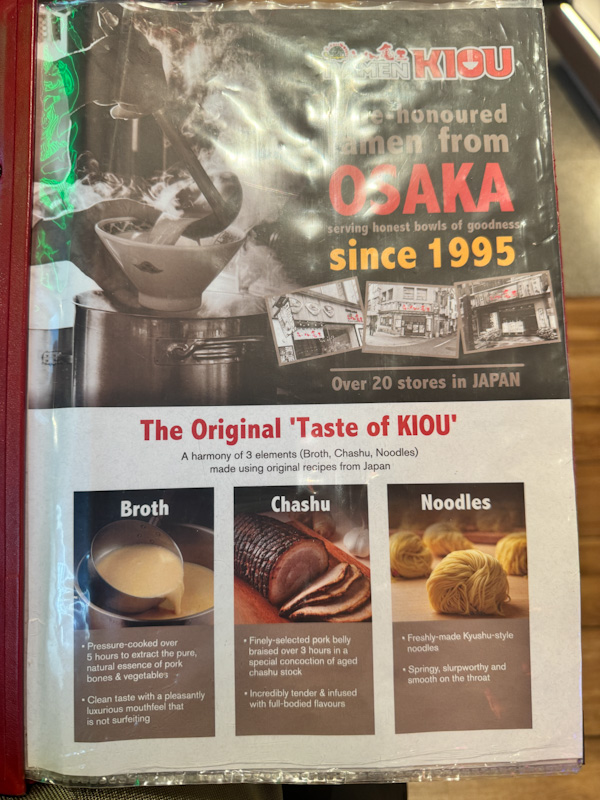
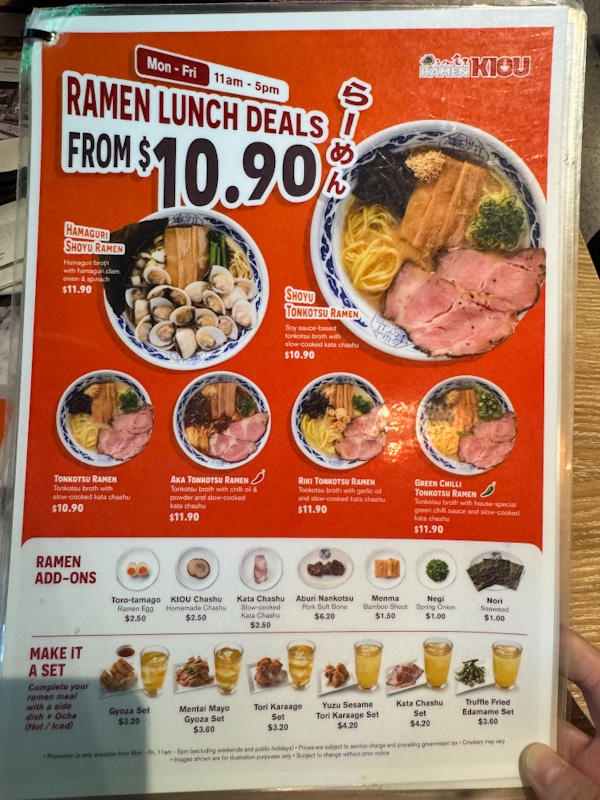
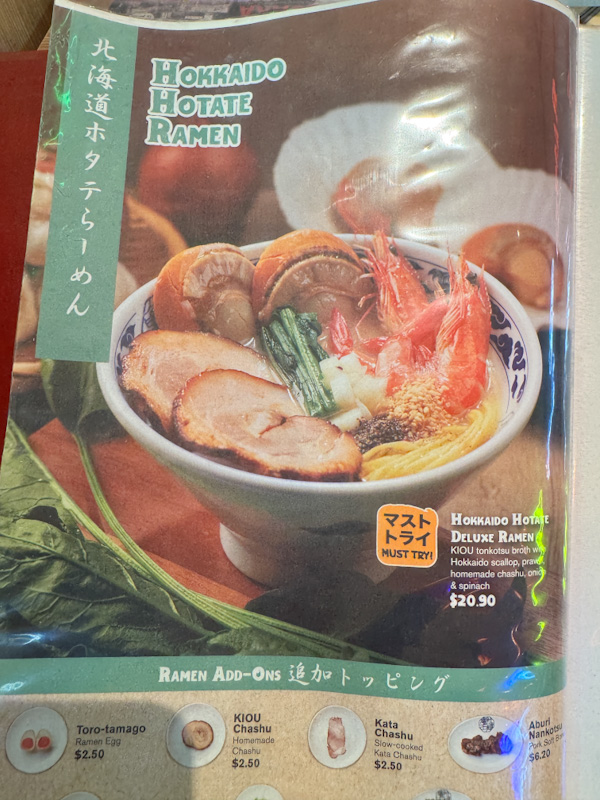
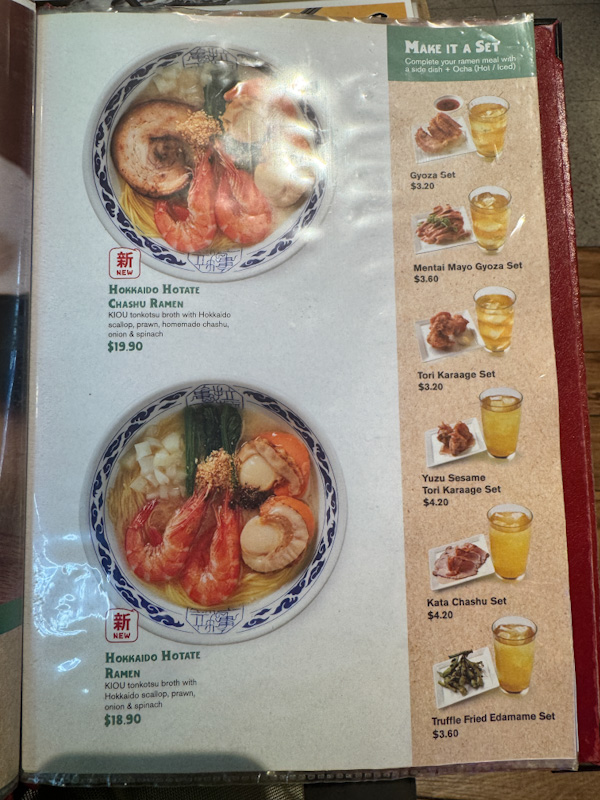
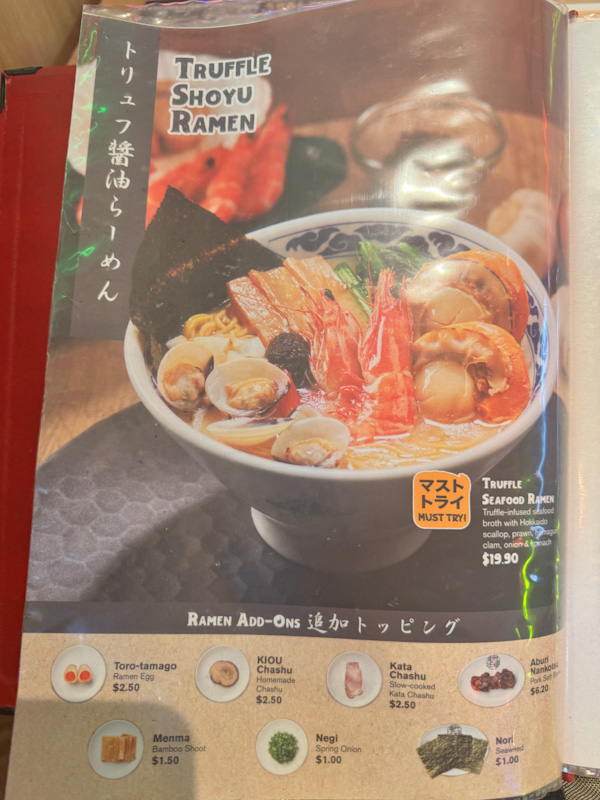
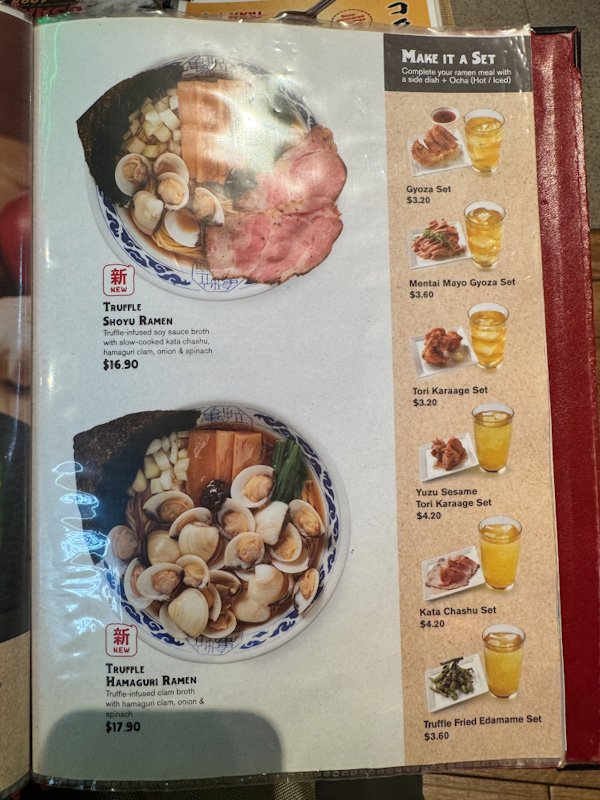
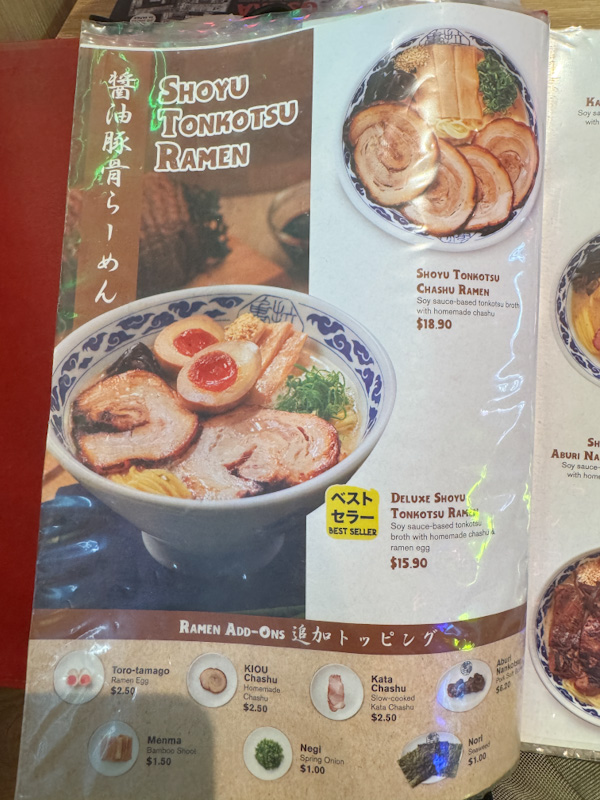
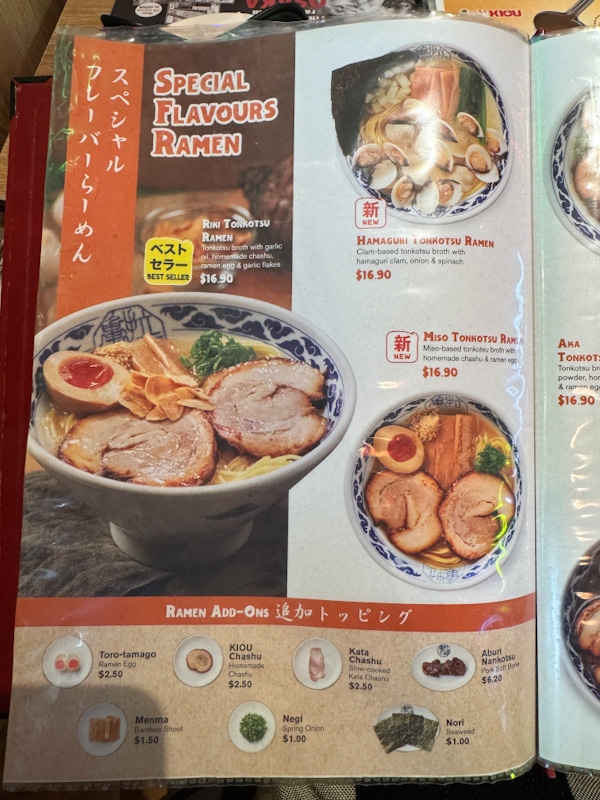
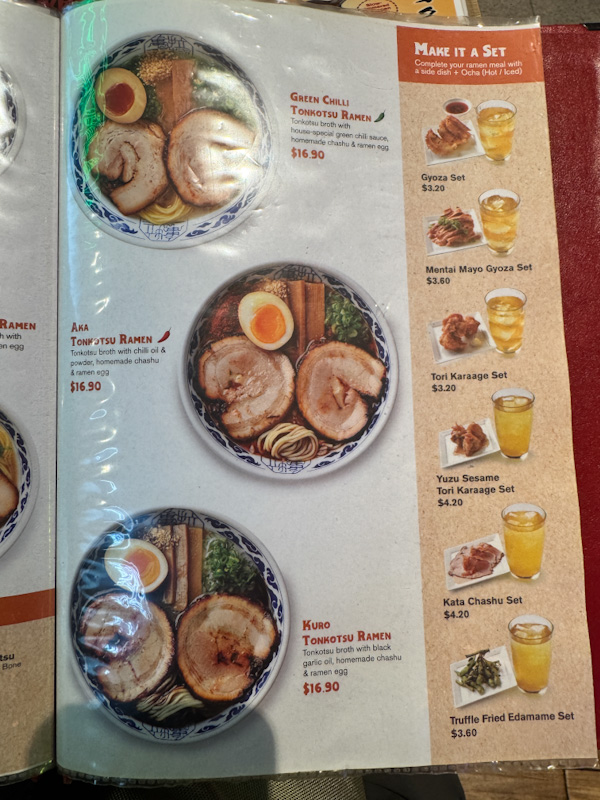
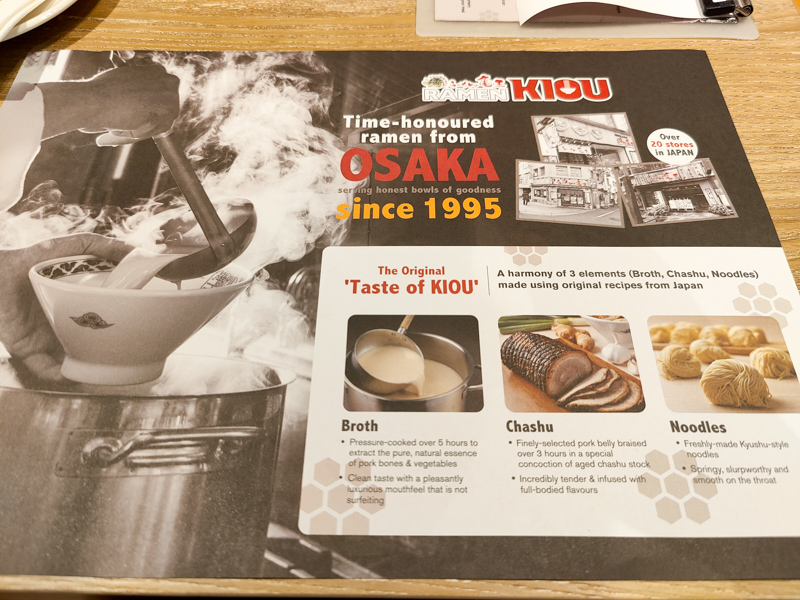
For those tracking the expansion of authentic Japanese dining options locally, Ramen KIOU represents a notable chapter in Kansai ramen culture. Established in Osaka in 1995, the brand has grown from a regional staple into an international name. Anchoring locations like the &JOY Dining Halls in Jurong Point and NEX, it brings a specific regional style to the city. The brand operates on a strict “Taste of KIOU” philosophy, which focuses methodically on the precise harmony of three fundamental components: the noodles, the broth, and the chashu.
Rather than adopting the widely available Hakata style, Ramen KIOU specializes in an Osaka-style, salt-based tonkotsu broth paired with noodles engineered for a slightly thicker, springier bite. They are particularly recognized for their approach to chashu, utilizing a thick-cut, house-marinated preparation method that stays true to their Japanese origins. Beyond these traditional bowls, the shop is also known for its experimental menu items. Offerings like the garlic-centric Riki Tonkotsu and the unconventional Tomato Cheese Ramen demonstrate a willingness to test established ramen formats, providing a distinct alternative to standard tonkotsu options without giving away exactly how those bold concepts play out on the palate.
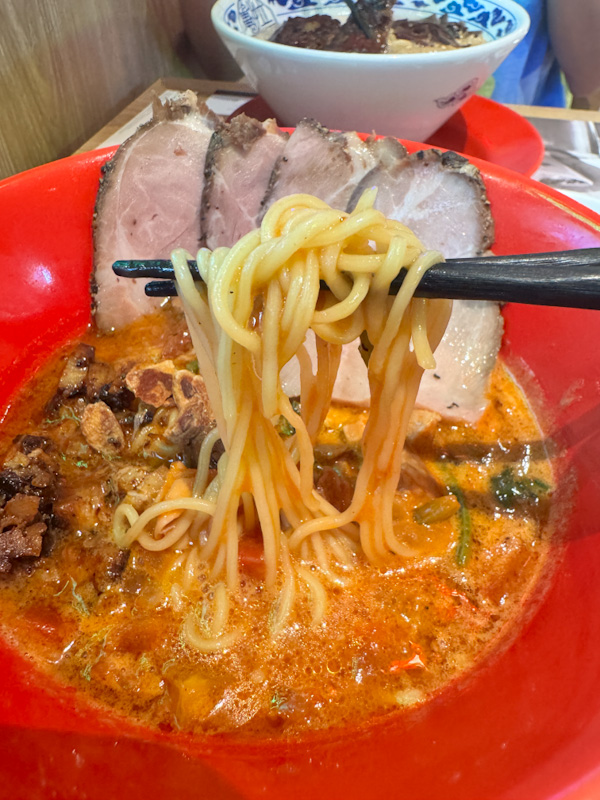
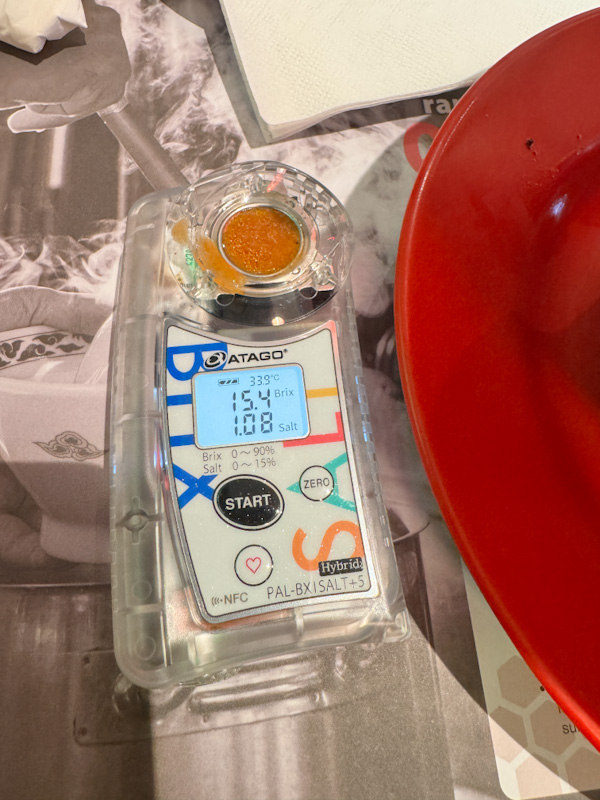
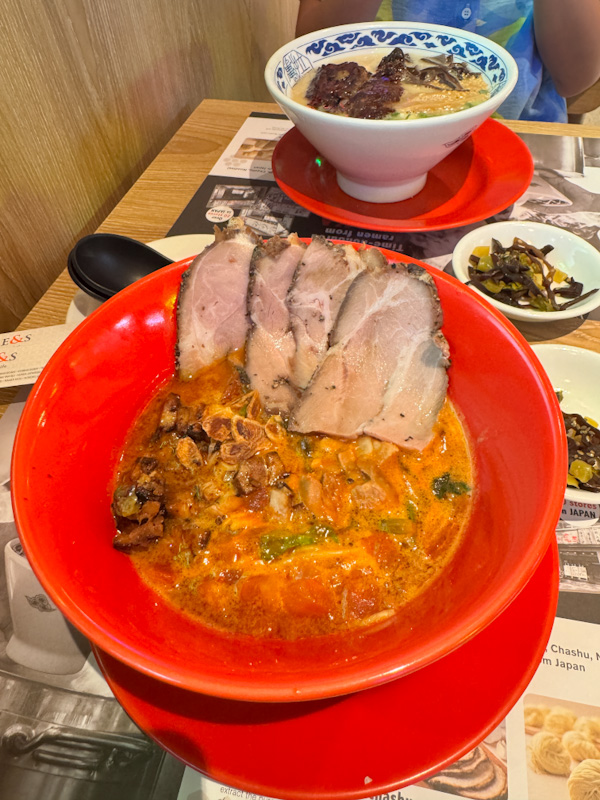
Kata Chashu Tomato Ramen: 65/100
Noodle: 25/35
The noodles are medium-thin and straight. Upon the first lift, there is a rather notable smooth coated slurp. In terms of taste, they act as a vessel, bringing forth a nutty sweetness from the soup rather than asserting a dominant grain profile. Crucially, they lack any acrid or unpleasant alkaline notes, allowing a subtle wheat presence to complement the bowl rather than shine in isolation. It is a competent pairing that respects the boundary between the starch and the liquid.
Soup: 20/35
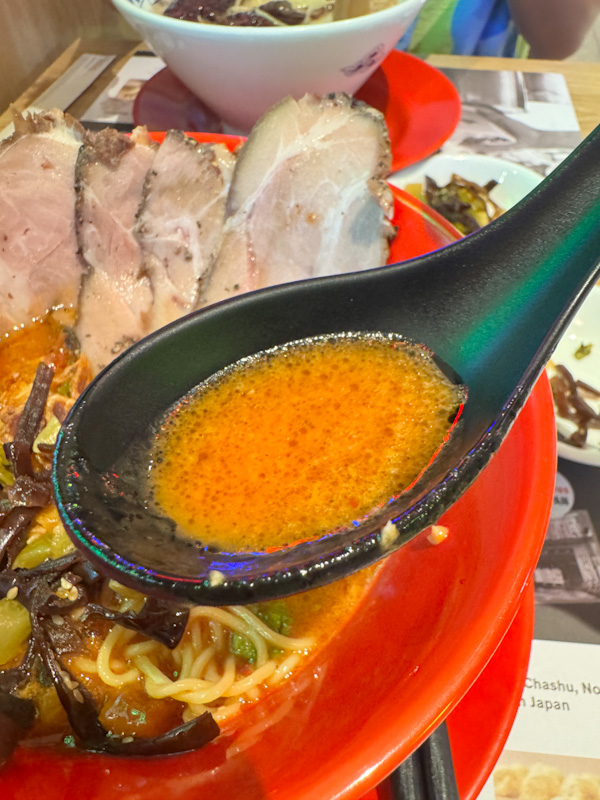
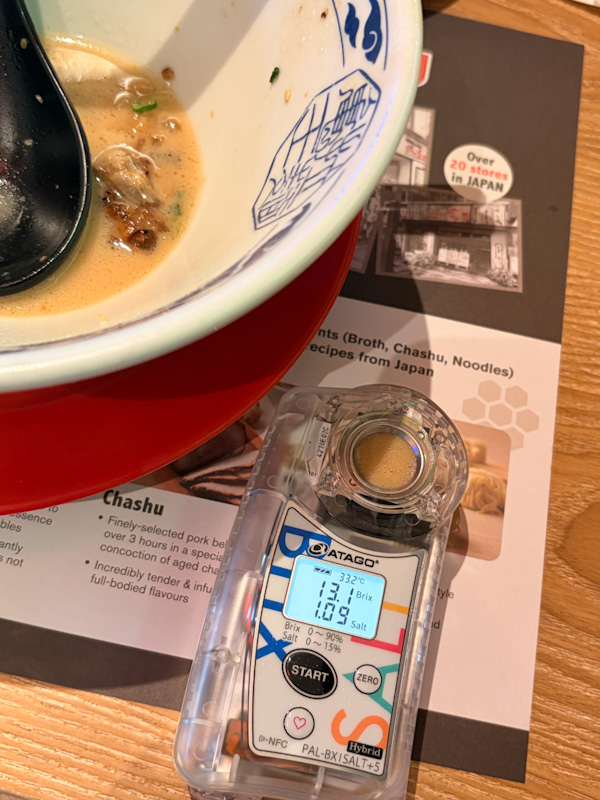
Although the refractometer shows a rather normal salt reading, the soup tasted like a highly concentrated salty broth that is stronger in concept than in its final execution. The initial contact offers a thick richness with a solid, savoury start that promises depth. There is a rounded sweetness detectable amidst the highly saline body, though the structural nuances feel somewhat compressed. The finish is where the balance falters. A fleeting fruitiness from the tomato attempts to emerge but is ultimately overwhelmed by the pungent aroma of fried shallots that have seeped too deeply into the liquid.
Visually, the broth possesses a beautiful glistening layer. However, the anticipated piquant acidity and refreshing sweetness of the tomato are flattened by the overbearing presence of the aromatics. It results in a profile that lacks the layered clarity one expects from a masterfully balanced tomato reduction.
Meat: 15/20
This bowl utilizes two distinct protein preparations, providing a study in contrast:
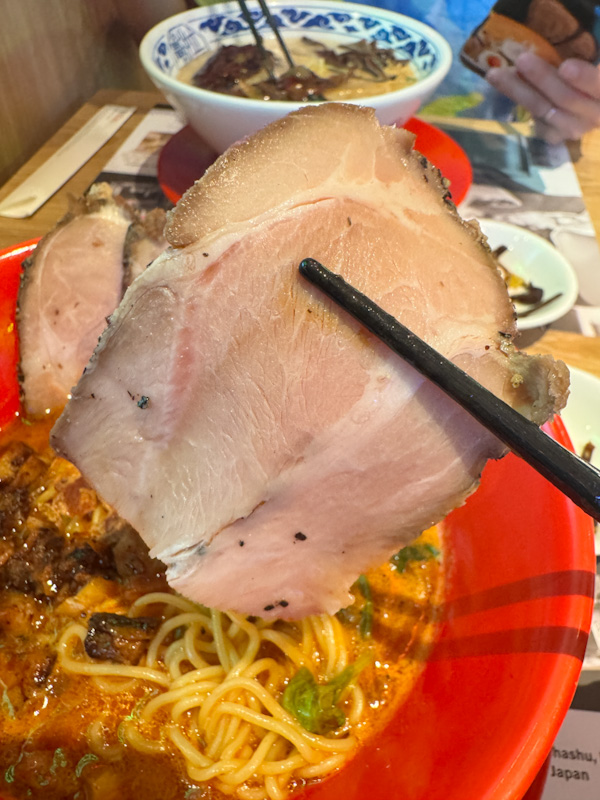
- Kata Chashu: The chashu consists of large but thin slices of shoulder cut. These are slow-cooked and marinated in a peppery coating that provides a sophisticated counterpoint to the savoury-sweet base notes. However, the texture leaves much to be desired. The meat is firm and chewy, lacking the succulent, fluffy tenderness that defines high-level slow-cooked chashu. It appears slightly overcooked, resulting in a mouthfeel that is not sufficiently juicy.
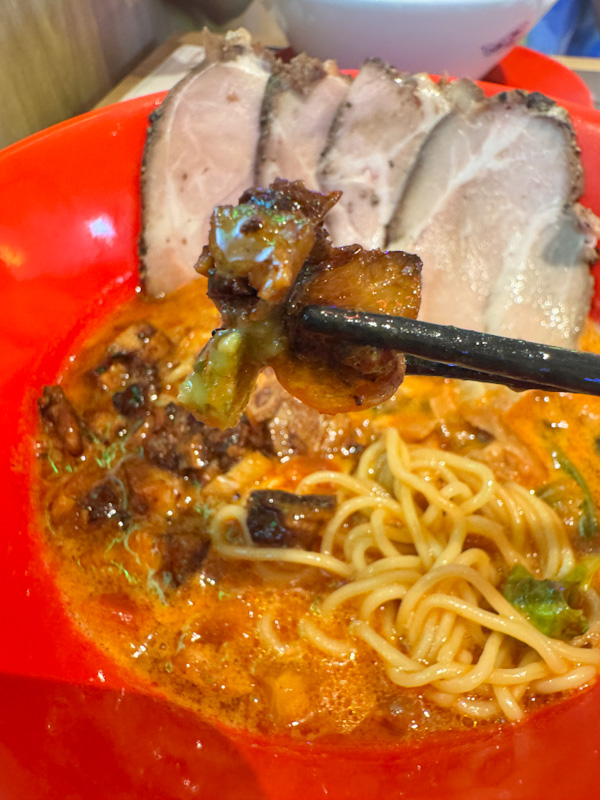
- Chicken Cubes: In contrast, the chunky chicken cubes offer a different dynamic. While the texture is a little dry and firm, the grilled marinate is a triumph. It carries a strong savoury-sweet profile with a distinct chicken umami tang. Interestingly, these cubes interact with the broth in a way the pork does not, successfully drawing out the latent sour notes of the tomato soup.
Other Toppings: 5/10
The accompanying elements are a mixed bag of technical hits and misses:
- Tomato Chunks: These are small, juicy, and refreshing. They lean into a sourness rather than a fruity sweetness, providing a much-needed break from the salt.
- Green Vegetables: These were unfortunately overcooked. The texture is mushy and soggy, though the flavour remains acceptable, offering a faint hint of vegetal bitterness.
- Fried Shallots: While conceptually sound, their implementation is excessive. They act as a disruptor, overwhelming the more delicate nuances of the broth.
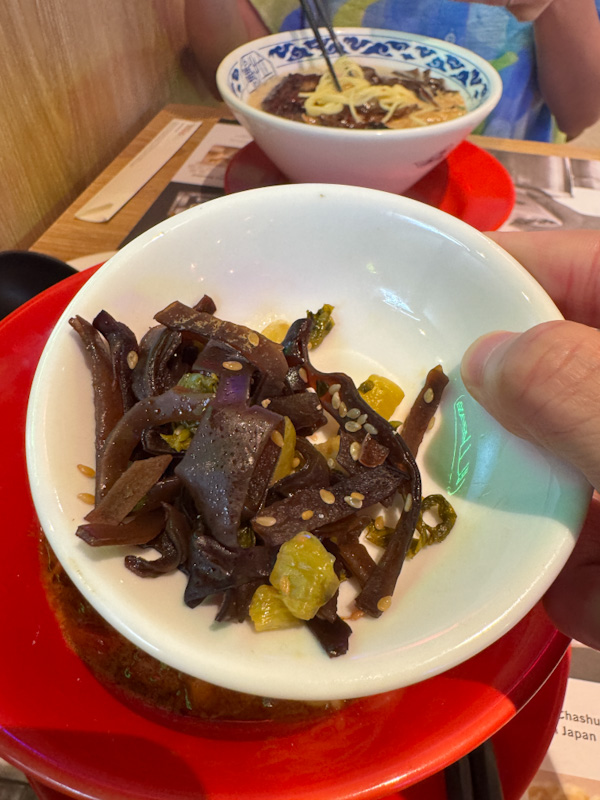
- Side Dish: A small plate of spicy pickles and black fungus is provided. These are appetising and serve as an effective tool for ajihen (flavour transformation) without becoming overbearing.
Summary
The Kata Chashu Tomato Ramen at Ramen KIOU is a bowl of potential hindered by a lack of restraint. While the technical foundation—specifically the noodle quality and the grilled chicken marination—is evident, the execution of the broth and the over-extraction of the aromatics create a monochromatic saltiness. It is an interesting alternative for those seeking something outside the tonkotsu mainstream, but it requires a more delicate hand to truly elevate the tomato from a background note to a maestro-level performance.
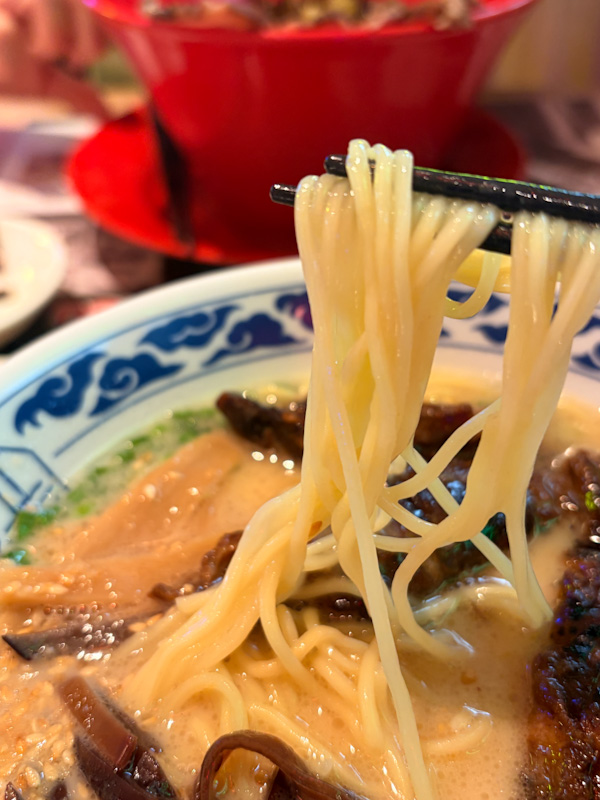
Aburi Nankotsu Ramen: 80/100
Noodle: 25/35
The noodles here are medium thin and straight, maintaining a consistent standard across the KIOU menu. However, they find a much more harmonious balance within this specific broth. Upon the lift, there is a rather notable smooth coated slurp that suggests a refined surface tension. In terms of taste, they act as a medium to bring forth a nutty sweetness from the soup. One appreciates the absence of any unpleasant alkaline notes, allowing a subtle wheat taste to complement the overall profile rather than shine with an distracting intensity. It is a reliable starch component that respects the bowl’s heavier elements.
Soup: 25/35
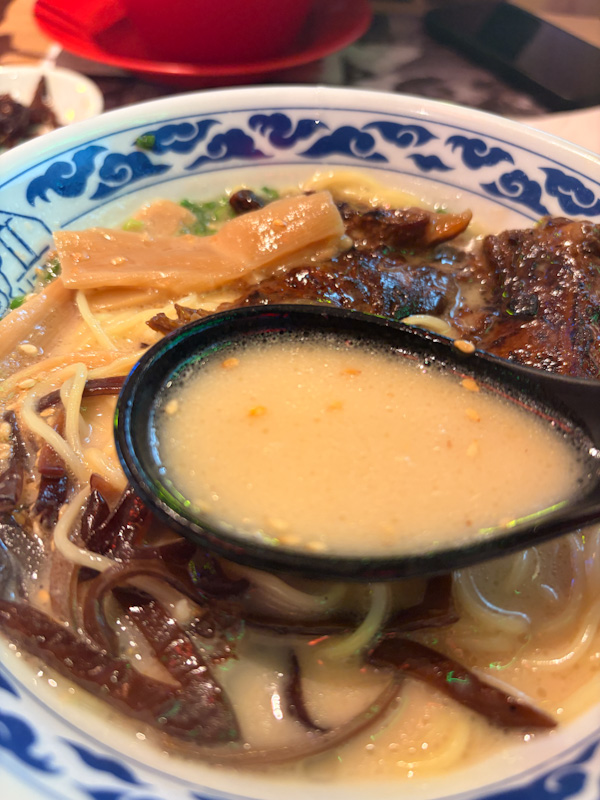
The soup is a quite layered and complex take on tonkotsu, showing a depth that separates it from more monochromatic pork broths. It presents as rich and milky but carries a noticeable darker shade of brown. This is likely the result of a stronger tare or the charred essence of the Aburi Nankotsu seeping into the liquid. The mid-palate reveals a distinctive nuttiness that rounds out the initial saltiness. The finish is defined by a lingering smokiness that anchors the experience.
While the broth is undeniably rich, it lacks a truly silky smooth texture, leaning instead toward a more rustic and substantial mouthfeel. The prominent shoyu presence provides a disciplined structure, ensuring the fat content does not become cloying.
Meat: 20/20
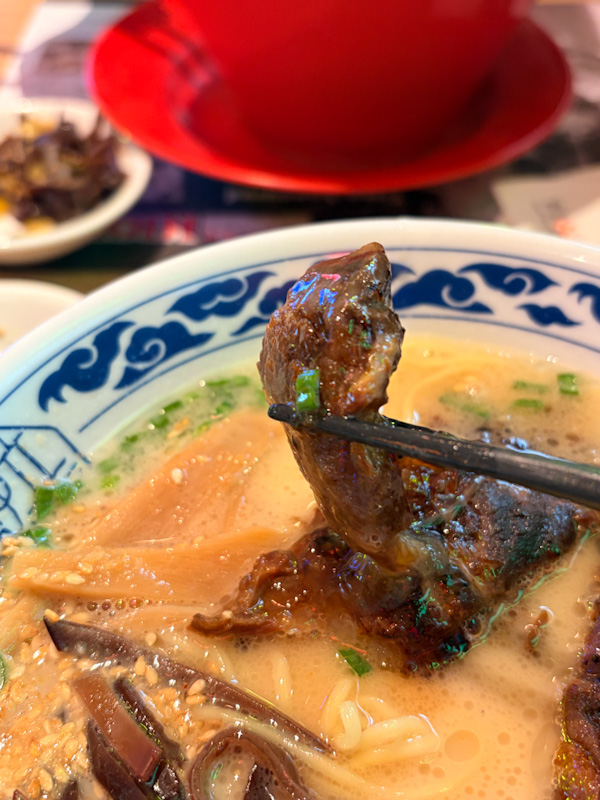
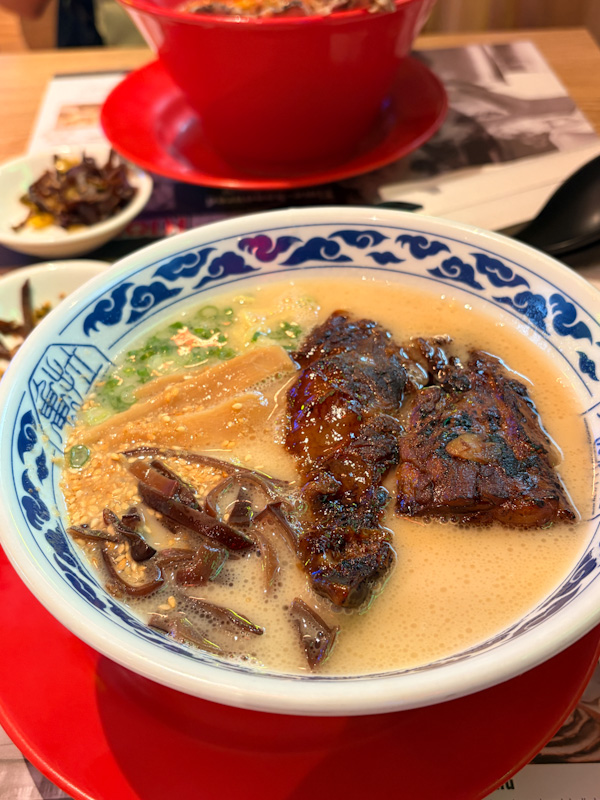
The hero of this bowl is the Aburi Nankotsu, which is executed with a level of mastery that justifies its centerpiece status. These are chunky portions of braised soft bone pork. The meat is exceptionally soft and crumbles easily under the slightest pressure from a chopstick. The collagen and fats have reached a gelatinous state, melting in the mouth to create a nice sticky mouthfeel that coats the palate. It is a heavily marinated protein, balancing sweet and savoury notes with a lot more depth than a standard chashu. The aburi (torch-seared) finish introduces a charred complexity that elevates the natural pork umami.
Other Toppings: 10/10
The secondary elements in this bowl are curated to provide contrast to the heavy protein and rich broth:
- Negi: Fresh and crunchy, these spring onions contribute piquant notes and a juicy snap that cuts through the fat.
- Black Fungus: This adds a nice crunch. The texture is precisely calibrated, being neither too tough nor too soft.
- Bamboo Shoots: These are a little fibrous and carry a slightly pungent aroma, which adds a necessary saltiness to the mix.
- Sesame: The seeds appear toasted, allowing their nutty oils to emerge and reinforce the earthy tones of the soup.
- Side Dish: A small plate of spicy pickles and black fungus is provided. These serve as an effective tool for ajihen, or flavour transformation, offering an appetising acidity that refreshes the taste buds without becoming overbearing.
Summary:
The Aburi Nankotsu itself is the undeniable maestro of the bowl. Its gelatinous, melting texture and deeply layered marinade provide a level of umami that feels both deliberate and indulgent. Complemented by piquant aromatics and crunchy textures like the toasted sesame and fresh negi, the dish maintains a disciplined profile. For the diner seeking a bowl that prioritizes soul and substance over mere concept, this is a sophisticated choice that rewards a more discerning palate.
Torotama KIOU Ramen: 70/100
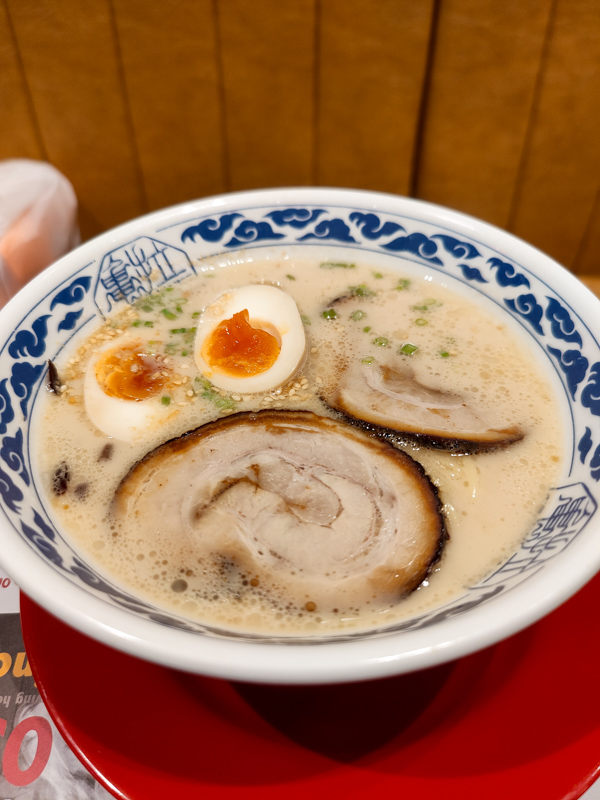
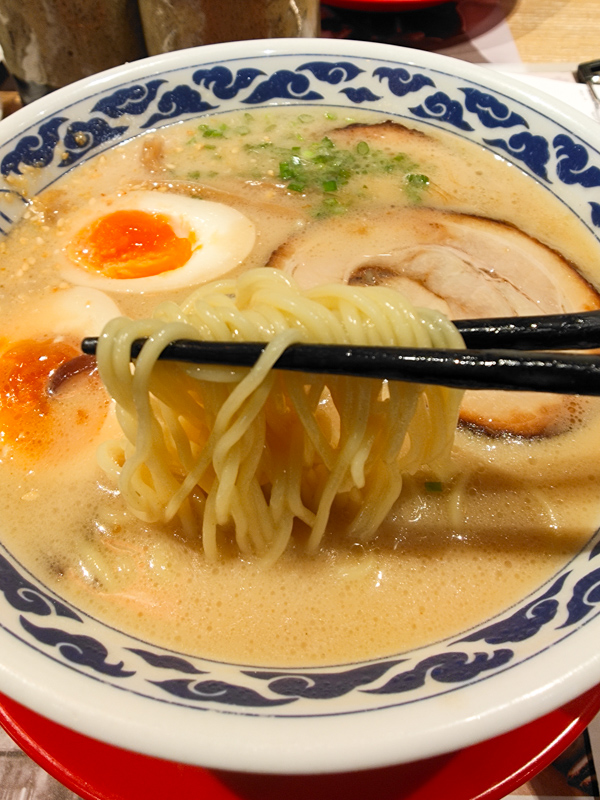
Noodle: 25/35
The noodles here are described as freshly made Kyushu-style, offering a slight departure from the thinner and firmer Hakata-style noodles commonly found in the region. These noodles are slightly thicker and more springy, providing a satisfying texture. However, I believe there is room for improvement in terms of the mouthfeel and aroma of the noodles.
Soup: 25/35
Their salt-based Tonkotsu broth is creamy, rich, and notably thicker compared to other Tonkotsu ramen varieties. It lacks the intense porky flavor that often comes with long hours of boiling, but instead offers a hint of ginger in its aftertaste. As the broth cools, you can see emulsified fats forming on the surface. While I enjoyed it overall, I found that the flavor started to become flat towards the end of the meal.
Meat: 15/20
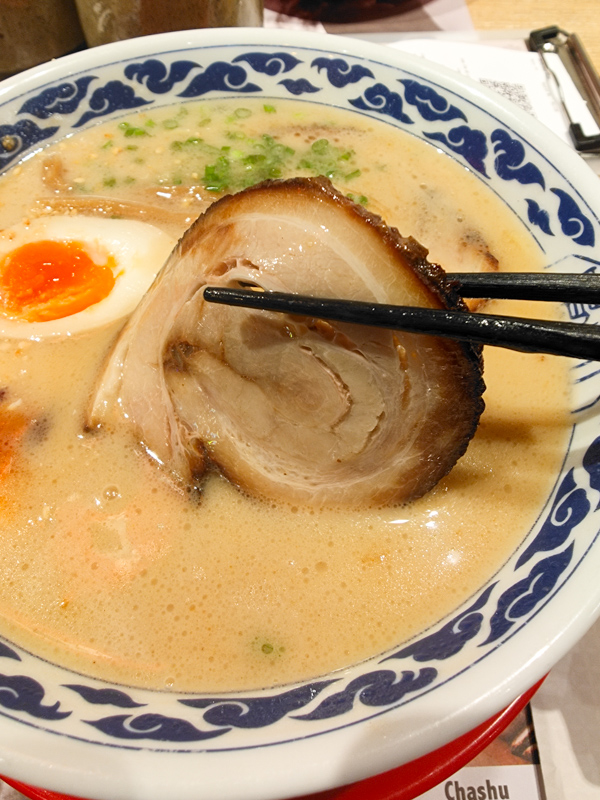
The Chashu here reminds me of the tender, thick-cut slices you’d find in Japan. It’s evident that the restaurant values the quality of their Chashu, as they have avoided using thin, flavorless cuts. The meat is nicely marinated, devoid of any unpleasant porky taste, and truly stands out as some of the best Chashu I’ve had.
Toppings: 5/10
The eggs are properly marinated, striking a good balance of saltiness that enhances their flavor. However, the remaining toppings, such as the garnish and bamboo shoots, could benefit from a bit more attention and effort in their preparation.
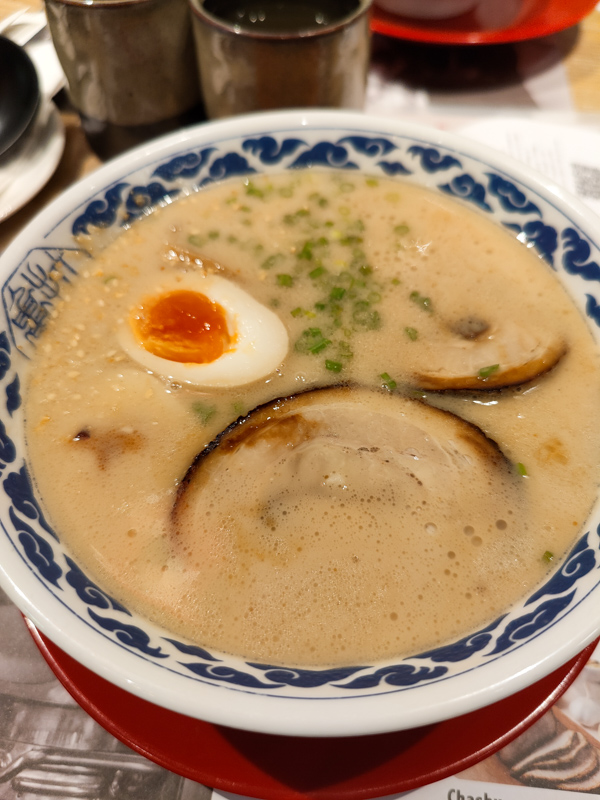
Shoyu Tonkotsu Ramen: 70/100
Noodle: 25/35
The noodles served here are the same as in their other dishes. The noodles here are described as freshly made Kyushu-style, offering a slight departure from the thinner and firmer Hakata-style noodles commonly found in the region. These noodles are slightly thicker and more springy, providing a satisfying texture. However, I believe there is room for improvement in terms of the mouthfeel and aroma of the noodles.
Soup: 25/35
In this particular ramen, they use a Shoyu mix for the broth, which takes it up a notch compared to their signature salt-based version. The addition of Shoyu adds more depth and complexity to the taste, enhancing the overall flavor experience.
Meat: 15/20
The Chashu in this ramen is consistent with their other offerings. The Chashu here reminds me of the tender, thick-cut slices you’d find in Japan. It’s evident that the restaurant values the quality of their Chashu, as they have avoided using thin, flavorless cuts. The meat is nicely marinated, devoid of any unpleasant porky taste, and truly stands out as some of the best Chashu I’ve had.
Toppings: 5/10
The tamago (egg) and other toppings in this ramen are the same as those found in their other dishes.
Other notes
I am thoroughly impressed with this ramen, as it holds its own against some found in Japan. The chef deserves commendation for maintaining such high standards while bringing it to Singapore. The noodles are incredibly fresh, the broth is rich and flavorful, and the tender chashu adds the perfect touch to this delicious ramen experience.
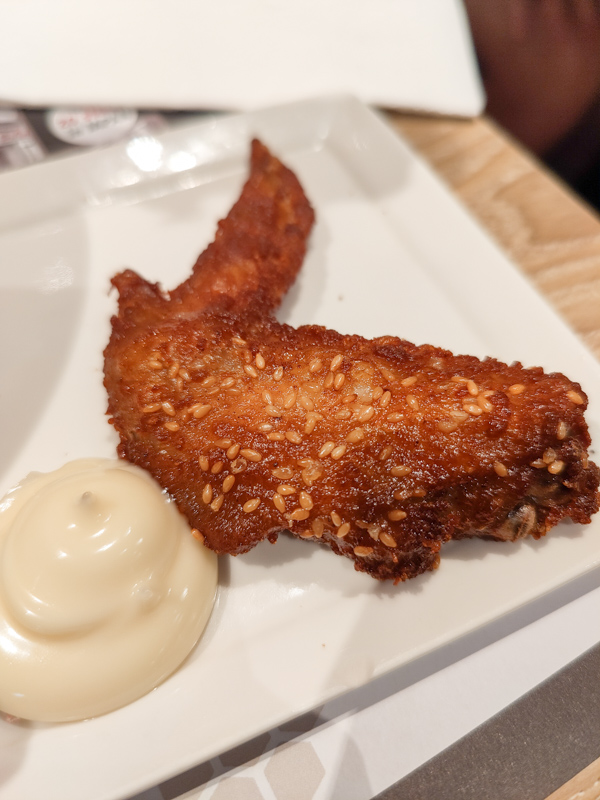
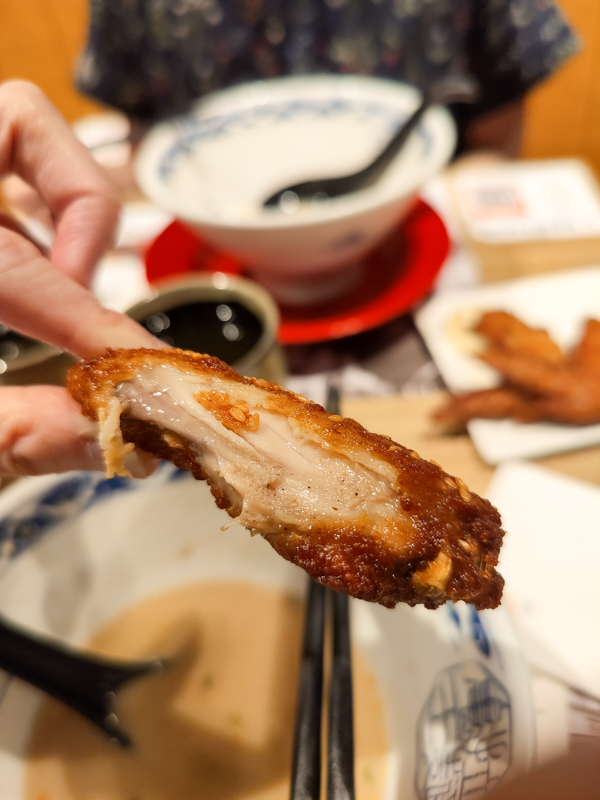
Additionally, they offer a variety of sides, and our personal favorite is the Tebasaki. Its crispy exterior and juicy interior, combined with a slightly peppery flavor, truly complement the meal and make it a satisfying and well-rounded dining experience.
Disclaimer
One man’s meat is another man’s poison.
Find out more about our palettes and how we evaluate our ramen here. 😉