Review

Machida Shoten | HCMC, Vietnam | 60/100

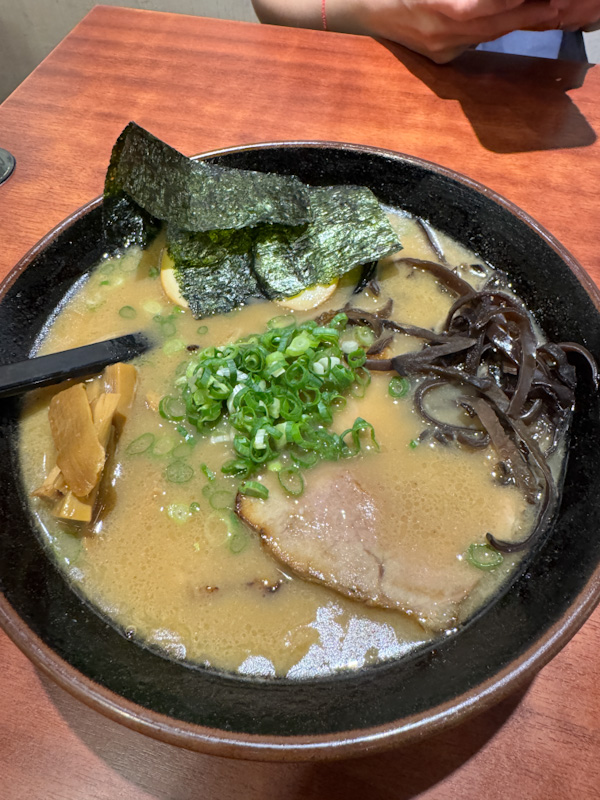
Since its founding in Japan in 2008, Machida Shoten has been on a clear mission: bring the distinctive Yokohama-style ramen tradition — a hybrid of robust pork bone depth and soy-sauce clarity — far beyond its Japanese roots and into the hands of ramen lovers around the world. What sets Machida Shoten apart in the crowded world of noodle shops is its commitment to a specific lineage of ramen known as Iekei

Machida Shoten | HCMC, Vietnam | 60/100 Read Post »

Takumi Ramen-Ya | Singapore | 80/100

Takumi Ramen-Ya Singapore is a relatively new ramen shop in Yishun, and that alone makes it worth clocking. Yishun isn’t a ramen desert because of taste or demand, but simply because there aren’t many ramen shops physically located in the area. For residents in the north, most ramen fixes usually involve travelling out. So when a dedicated ramen-ya opens locally, it naturally draws attention, curiosity, and repeat foot traffic from the neighbourhood.

Takumi Ramen-Ya | Singapore | 80/100 Read Post »

Le Shrimp Ramen | Singapore | 85/100

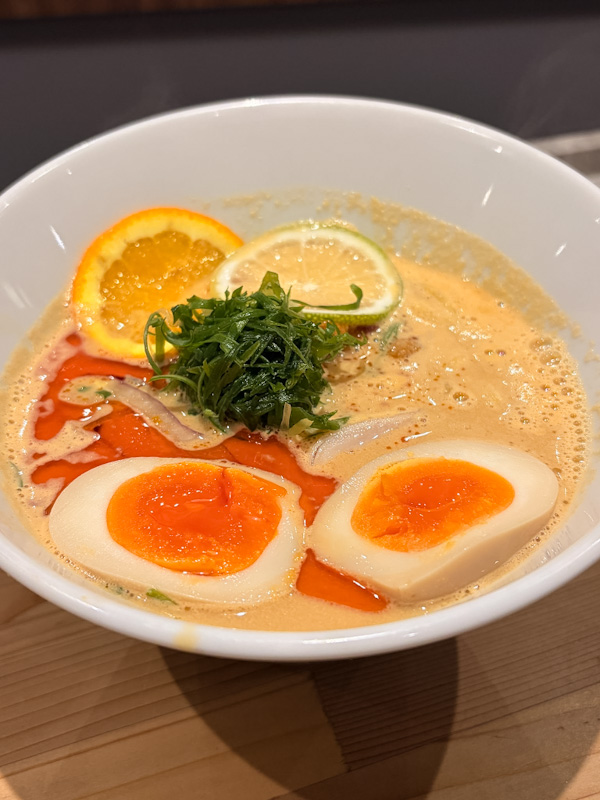
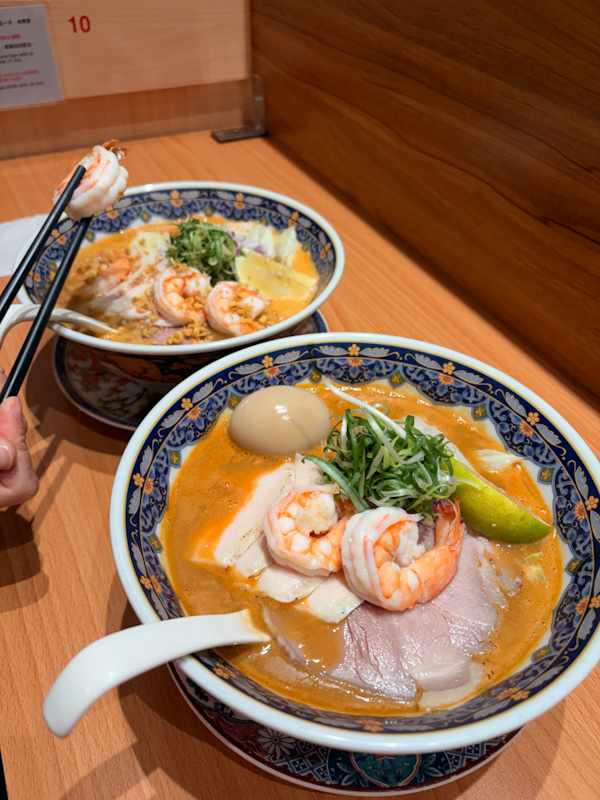
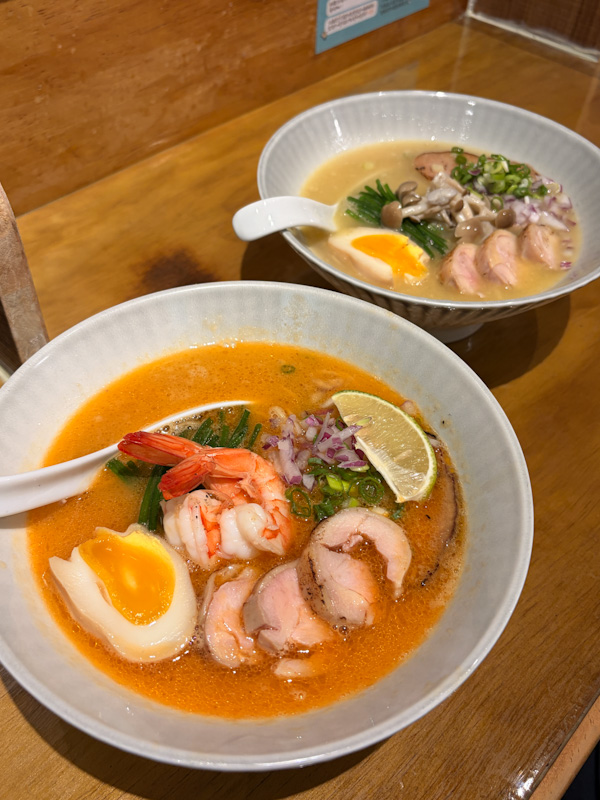
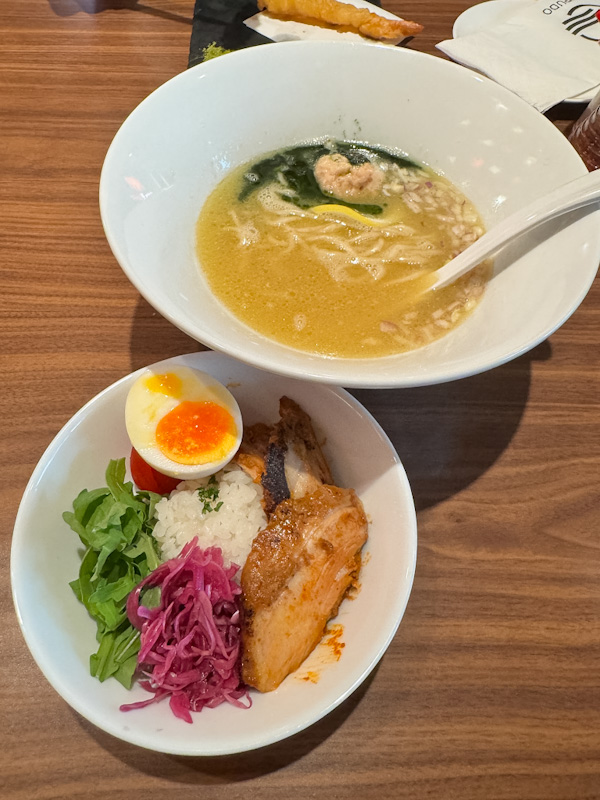
Its not exactly your normal ramen – on their website it says.. Inspired by the flavours of Japanese ramen broth and silky threads of Chinese la mian, Le Shrimp Ramen is a perfect marriage of Chinese and Japanese culture, offering a simple menu of elaborate flavours. But still, I think there’s merits evaluating them against the likes of other crab or truffle fusion ramens.

Le Shrimp Ramen | Singapore | 85/100 Read Post »

Ramen Killer | Penang, Malaysia | 60/100

If you’re searching for Ramen Killer in Penang, here’s the quick orientation: it’s a reservation-only Japanese ramen bar in George Town, most often associated with Beach Street (Lebuh Pantai) and frequently tagged around “516, Beach Street / 516 Lebuh Pantai”, with posts also noting it’s near Khling Cafe. The store leans hard into controlled access, not foot traffic. Expect no walk-ins, very limited seating (often cited as about 10 seats), and limited portions per day (you’ll see “50 bowls” mentioned repeatedly across social posts).

Ramen Killer | Penang, Malaysia | 60/100 Read Post »

Tamoya Udon & Tempura | Singapore | 60/100

What makes Tamoya relevant here is that it doesn’t operate as a single-noodle house. Alongside udon, the menu also offers ramen noodles and ramen-based dishes, creating a rare crossover where udon and ramen coexist within the same kitchen and workflow. For a ramen reviewer, this opens up a useful point of comparison: how ramen noodles are handled, positioned, and contextualised when they’re not the headline act. Seen this way, Tamoya becomes less of a genre detour and more of a lens into how Japanese noodle culture flexes outside strict category lines.

Tamoya Udon & Tempura | Singapore | 60/100 Read Post »

Mensho Tokyo | Singapore | 75/100

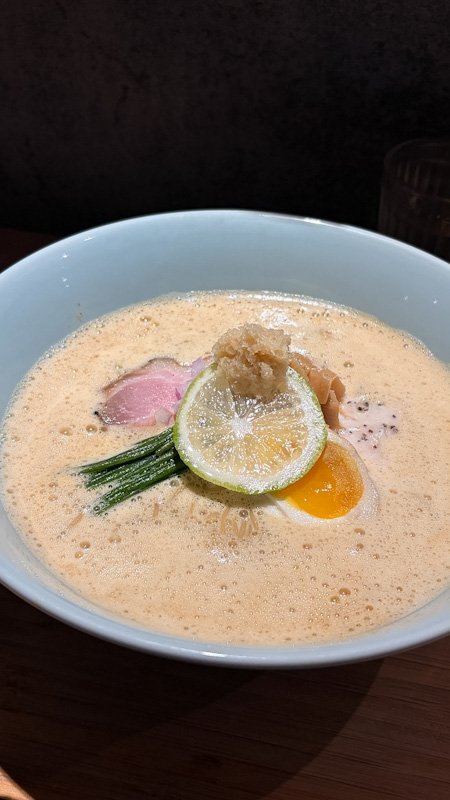
What makes Mensho Tokyo notable is the brand’s “process-first” obsession. This is one of those places that wants you to notice the engineering behind a bowl, including in-house noodle production using a Yamato noodle-making machine, plus a menu that leans into both signature house styles (like toripaitan) and more left-field seasonal or limited concepts depending on the outlet. If you are the kind of ramen nerd who enjoys seeing how a shop builds identity through workflow and equipment choices, Mensho Tokyo Singapore is worth putting on the radar before you even start debating what to order.

Mensho Tokyo | Singapore | 75/100 Read Post »

Yakizakana Ramen | Singapore | 70/100

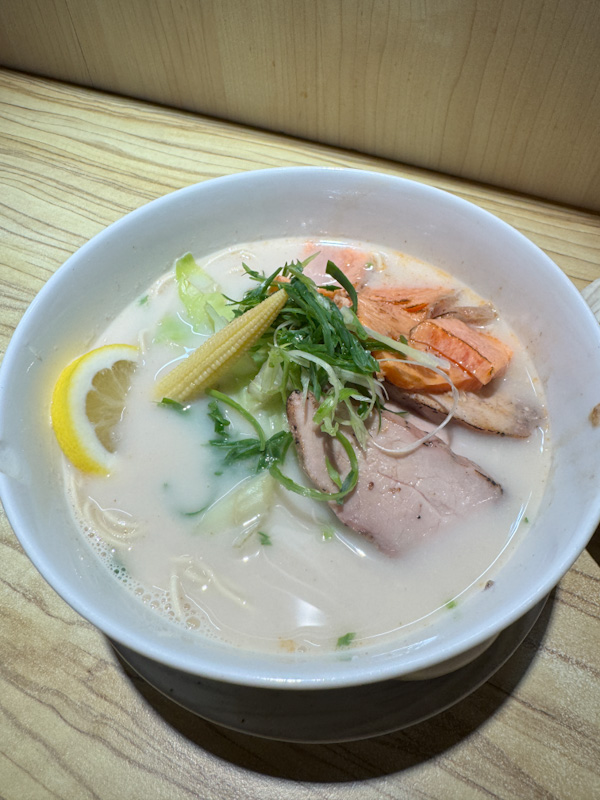
Tucked inside PSA Tanjong Pagar Complex at 7 Keppel Road, Yakizakana Ramen brands itself as Singapore’s first grilled fish ramen shop, a little ramen bar where fire and seafood sit at the centre of the story rather than pork alone. From the name (“yakizakana” literally refers to grilled fish) to the open-flame imagery plastered across its site, everything here orbits that idea of char, smoke and the sea coming together in one bowl.

Yakizakana Ramen | Singapore | 70/100 Read Post »

Kanbe Ramen | Kuala Lumpur, Malaysia | 85/100

Brought in and run by Japanese chefs, Kanbe leans into a very specific niche: Hakata-style tonkotsu ramen and tsukemen, with a menu built around customisation. You pick not just your style of noodle, but also how firm you want them, how intense you prefer the broth, and even the amount of oil and aromatics – a level of control that has made it popular with both local regulars and Japanese expats in KL.

Kanbe Ramen | Kuala Lumpur, Malaysia | 85/100 Read Post »

Enishi | Kuala Lumpur, Malaysia | 100/100

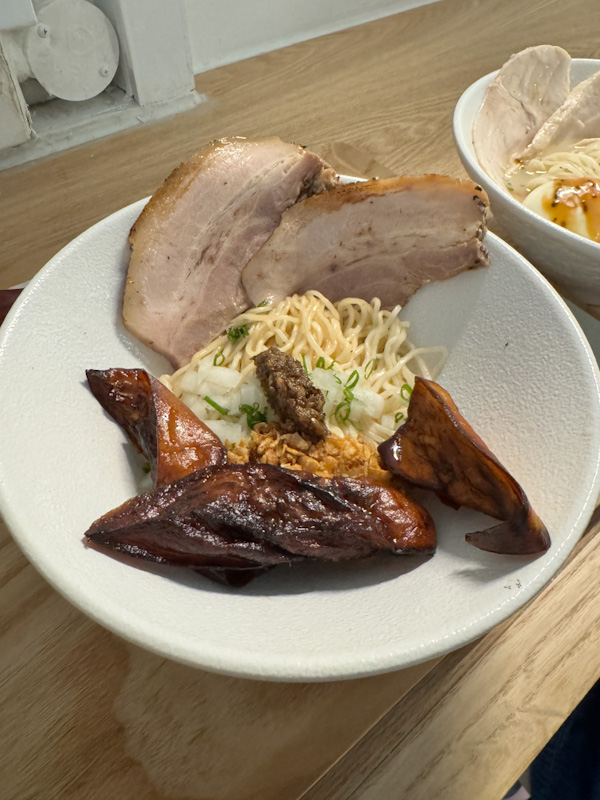
Enishi is one of those ramen imports that arrives with a bit of a résumé. The shop hails from Kobe, Japan, where it earned a Michelin Bib Gourmand nod and a spot among Tabelog’s Top 100 ramen restaurants, before branching out to cities like Bangkok, Singapore, and now Kuala Lumpur.  The Malaysia outpost sits in Mont Kiara, a neighbourhood popular with Japanese residents, and keeps things deliberately tight: an intimate bar-style space, an open kitchen, and a focused menu built around just two styles — their signature dan dan noodles and a dashi-based ramen. 

Enishi | Kuala Lumpur, Malaysia | 100/100 Read Post »

Scroll to Top