
WHAT WE ATE
- Torasho Pork Bak Chor Mee Dry Ramen, 80/100 (27 Feb 2026, Tras Street)
- Lobster Dry Ramen, 70/100 (27 Feb 2026, Tras Street)
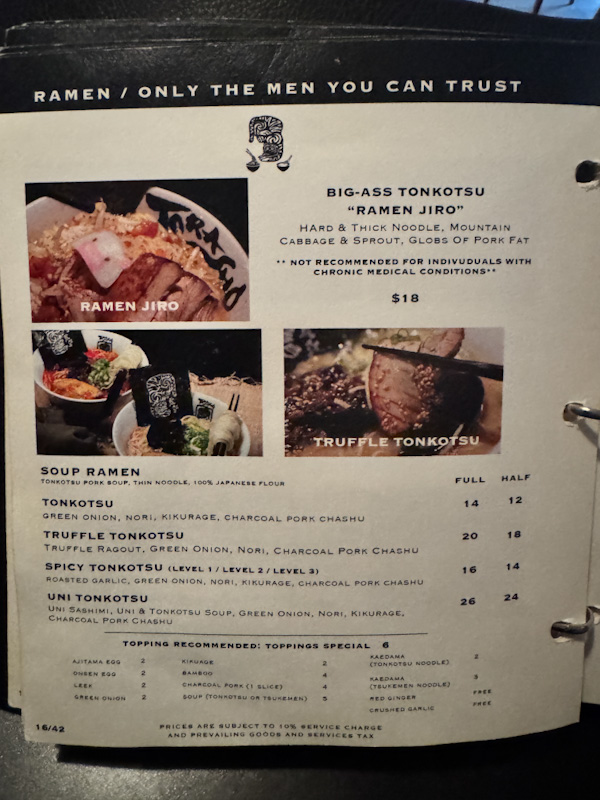
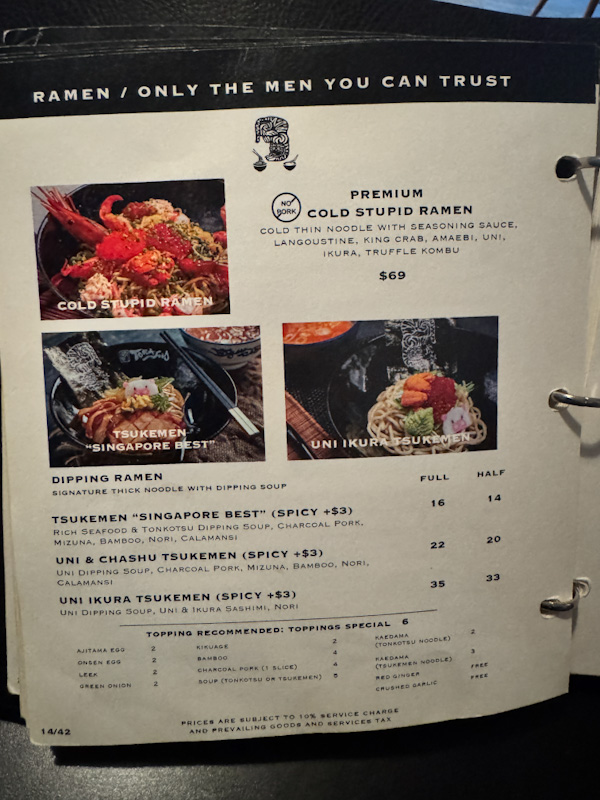
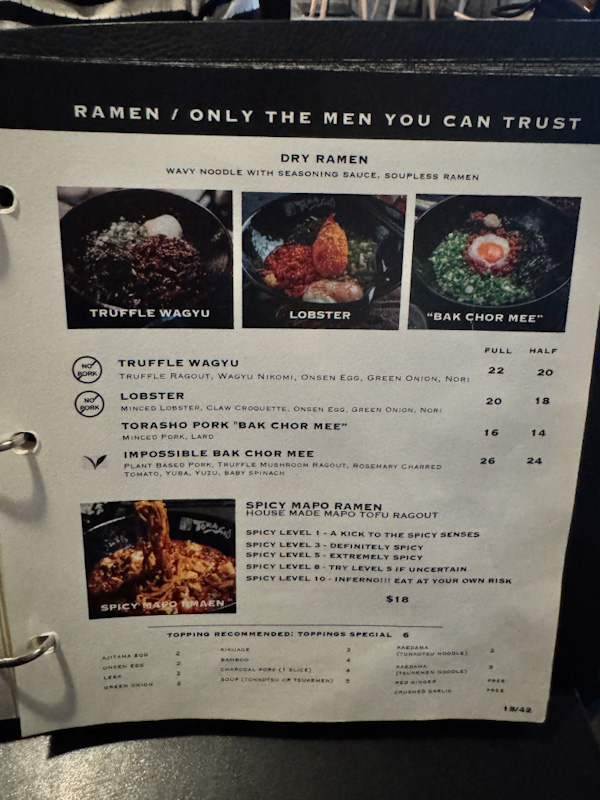
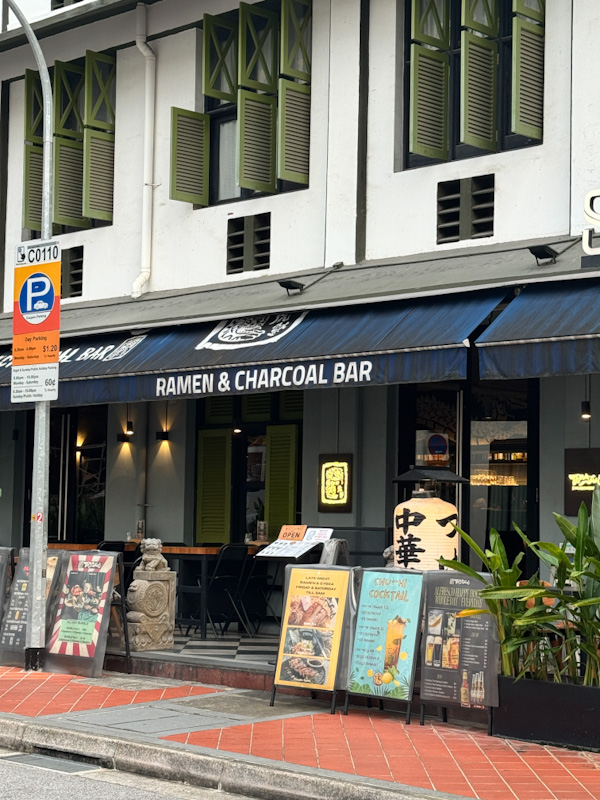
Sitting at 32 Tras Street (Duxton / Tanjong Pagar), TORASHO RAMEN & CHARCOAL BAR positions itself as a hybrid: part ramen shop, part charcoal grill bar with a more “stay-a-while” izakaya energy than your typical quick slurp-and-go setup. If you’ve only heard of their more casual Torasho Ramen Bar outpost at Takashimaya Food Hall (B2), this Tras Street space is the fuller expression of the concept.
What’s notable here is the range of “entry points” for different ramen moods: you can come specifically for ramen, pair it with charcoal-grilled bites. Practical detail that matters in Singapore: they run both lunch and dinner service, and they’re known to go late on Fridays and Saturdays (up to 3am), which quietly makes this a supper candidate when most ramen places have long clocked out.
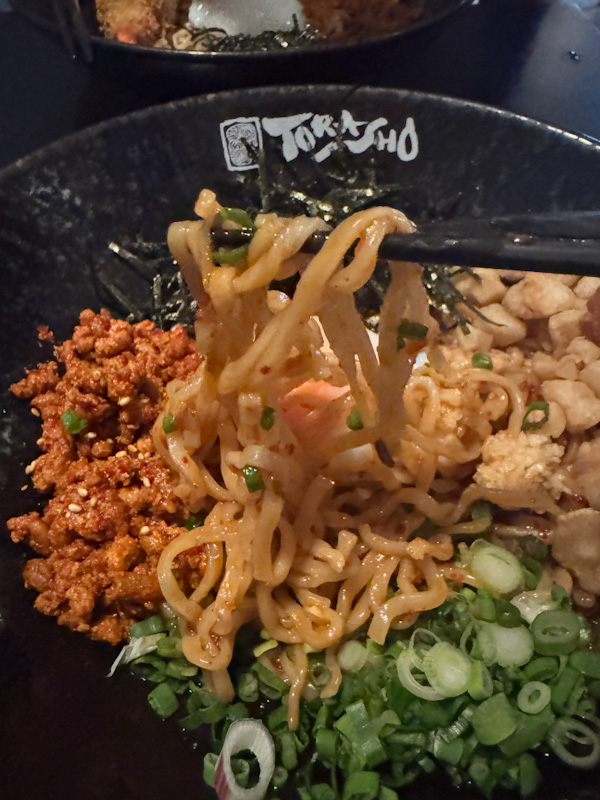
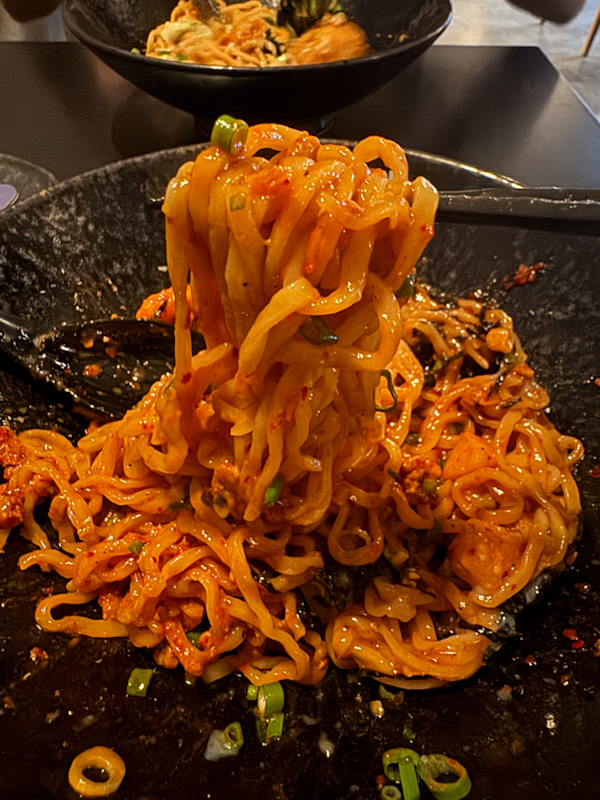
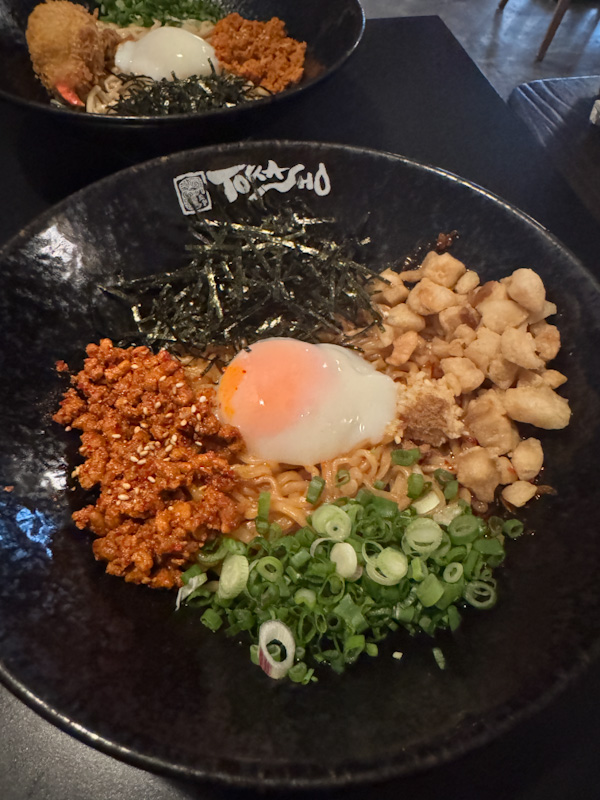
Torasho Pork ‘Bak Chor Mee’ Dry Ramen: 80/100
Noodle: 30/35
Medium thick, wavy strands that sit comfortably between hakata thinness and the full heft of tsukemen noodles. This is the right call structurally for a pork bak chor mee inspired dry ramen. The wave increases surface area, allowing the sauce to cling without drowning the noodle.
Texture is commendably chewy. There is tensile resistance when you bite through, not the brittle snap of undercooked dough but a controlled elasticity. Mouthfeel is springy and firm, holding its integrity even after being tossed through sauce and egg. That structural resilience matters in a dry format where hydration comes from emulsification rather than broth. Taste wise, there is a distinct wheat sweetness. It is not just a neutral carrier. You actually register the grain. That baseline wheat note becomes important later when the sauce threatens to dominate. It gives the bowl a backbone.
Sauce: 25/35
Since this is a dry ramen, the sauce is the engine of the bowl. The first impression is assertive savouriness that quickly transitions into a sharp spicy kick. The spice announces itself loudly. It has a forward heat that borders on aggressive, and in the opening bites it masks the subtler aromatics underneath.
Once your palate acclimatises, the umami starts to surface. There is depth beneath the spice. The savoury layer is rounded, likely from a combination of pork fat, soy and seasoning components designed to echo traditional bak chor mee profiles. The flavour architecture becomes clearer after a few mouthfuls. The finish carries a lingering sweet undertone. It is not confectionery sweet, but a residual sweetness that softens the aftertaste and prevents the bowl from tipping into acrid territory.
Technically, the sauce has layers. The issue is calibration. The initial spiciness is a bit excessive and eclipses the mid palate complexity. As the meal progresses and your tolerance adjusts, the balance improves. However, optimal design would require less upfront heat so that the savoury and sweet nuances can register earlier. By the second half, the spice no longer shocks, but the flavour spectrum narrows. The lard and sauce merge into a heavier, but more monotonous savouriness.
Meat: 15/20
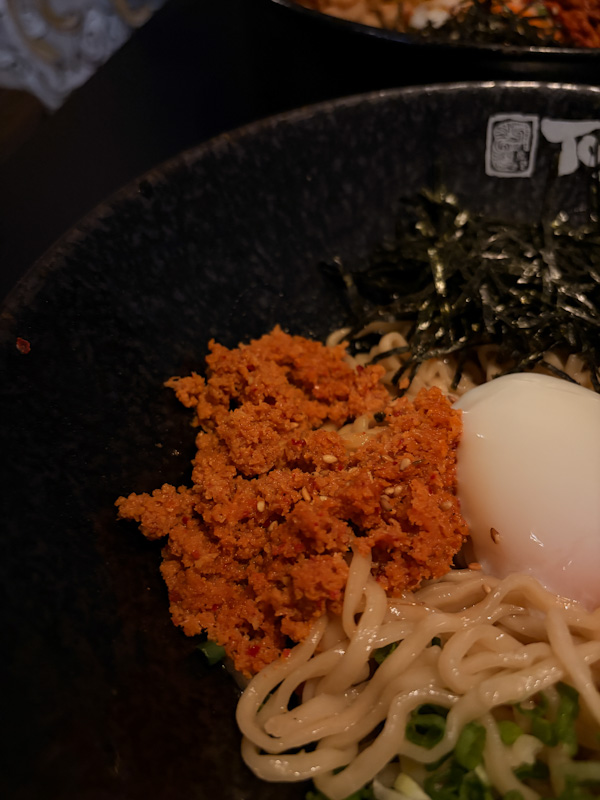
The hero component here is minced pork, aligning with the bak chor mee inspiration. Size and cut are straightforward. It is mostly lean meat, finely minced. That leanness prevents greasiness but also means the sauce and lard must carry the fattiness of the bowl.
Texture is soft and tender. There is no graininess or dry crumble. Mouthfeel is pleasantly fluffy, almost aerated in parts, suggesting proper seasoning and handling. This is important. Poorly done minced pork can feel compacted and chalky. Here, it remains loose and moist.
Taste is savoury with a clear marination profile. It integrates well into the sauce rather than tasting like an afterthought. However, because it is lean, it does not introduce additional textural contrast beyond softness.
Other Toppings: 10/10
This is where the bowl shows thoughtfulness. Collectively, these toppings are not decorative. They materially alter the texture and flavour progression of the bowl.
- Pork lard is crunchy and airy. It delivers textural contrast without feeling greasy. The rendering seems controlled. It shatters lightly rather than coating the palate in oil.
- Seaweed functions as an umami amplifier. When hydrated by the sauce, it releases a saline depth that lifts the savoury profile.
- The onsen egg is a critical component. Once mixed in, it emulsifies the sauce, creating a creamier and more cohesive coating around the noodles. The yolk adds viscosity and a gentle sweetness, tempering the sharper spice.
- Negi provides crunch and freshness. More importantly, it introduces small bursts of piquant, green notes that cut through the heavier pork and lard elements. Visually, it also breaks the monochrome palette of brown and beige.
Summary
This is a structurally sound bowl with strong technical execution on noodles and toppings. The concept of translating pork bak chor mee into a dry ramen format is clear and mostly successful. However, the sauce calibration limits its ceiling. The initial spice overshadows complexity, and by the second half of the meal, once your palate has adjusted, the flavour becomes more monotonous. The cumulative heaviness of lard and savoury sauce compresses the spectrum, making successive bites taste increasingly similar.
It starts bold, settles into balance, then plateaus. A slight reduction in upfront heat and a touch more mid palate variation would elevate it from good to genuinely compelling.
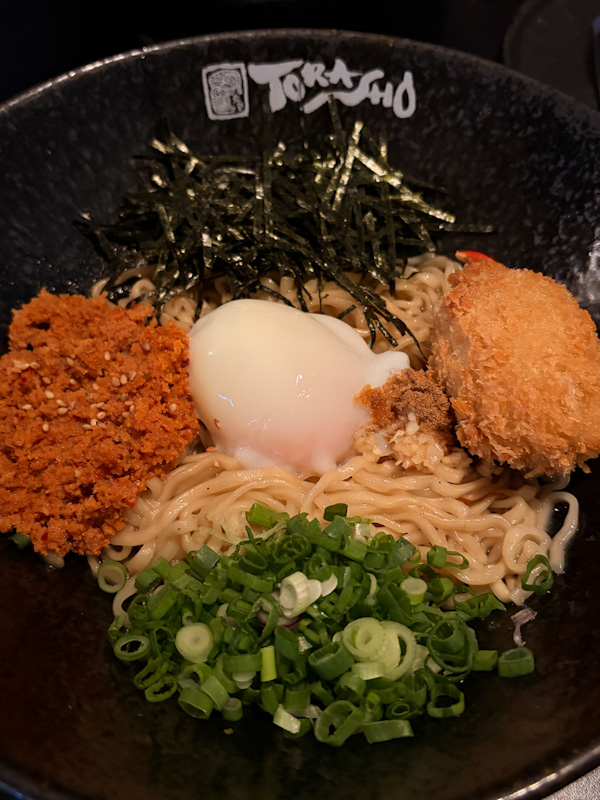
Lobster Dry Ramen: 70/100
Noodle: 30/35
Same medium thick, wavy noodles as the Pork Bak Chor Mee version. From a technical standpoint, this remains one of the stronger components of the bowl.
The wave allows the sauce to cling evenly, especially important in a dry format where emulsification does the heavy lifting. Texture is chewy with good tensile strength. There is a controlled elasticity when you bite through, not doughy, not brittle.
Mouthfeel stays springy and firm throughout the meal. Even as the egg and sauce coat the strands, the noodle does not collapse or turn pasty. That structural integrity is commendable.
Taste wise, the wheat profile is distinct. There is a mild sweetness from the grain itself, which gives the bowl a necessary foundation. In a sauce that is more restrained, this wheat note becomes even more noticeable.
Sauce: 20/35
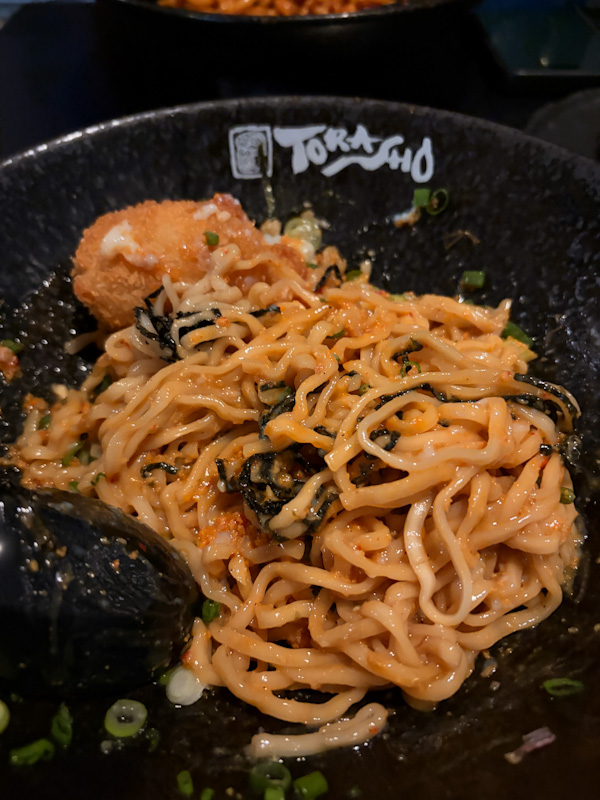
For this dry ramen, the sauce is more subdued compared to its pork counterpart. The opening is savoury but relatively clean. There is no aggressive spice to jolt the palate. It enters gently, allowing the lobster and egg to register without competition.
As you mix in the onsen egg, a subtle sweetness develops. The yolk adds creaminess and rounds out the savoury edges. However, the core flavour remains fairly linear. The umami is present but not particularly layered or assertive. The finish carries a faint nutty or earthy note. It lingers softly rather than commanding attention. It is neither acrid nor overly saline, but it does taper off rather quietly.
The sauce is technically balanced but lacks dynamic progression. Without spice or sharper top notes to create contrast, the bowl begins to feel flat after several mouthfuls. The flavour curve is almost horizontal. It is barely passable in terms of complexity, relying heavily on egg emulsification for depth rather than intrinsic layering within the sauce itself.
Meat: 10/20
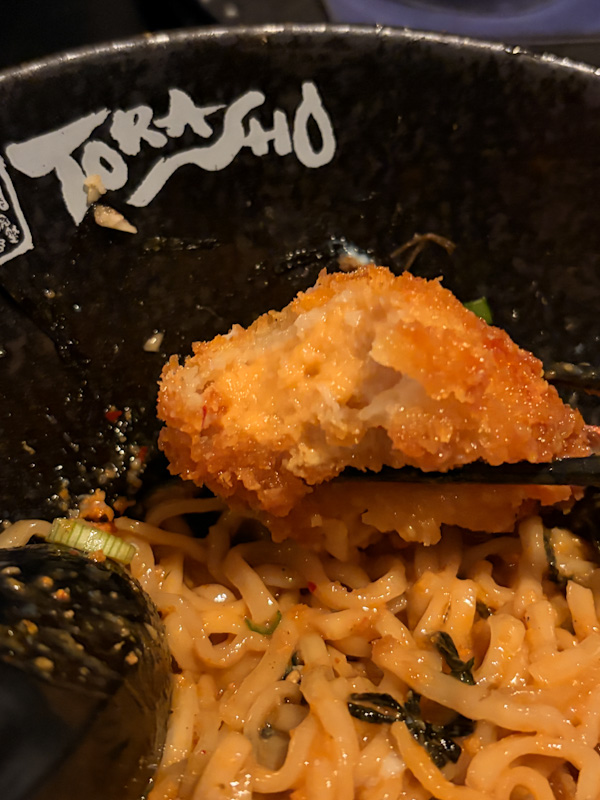
This bowl features two protein elements: minced lobster meat and a crab claw croquette.
Minced lobster meat first.
- Instead of pulled or diced lobster, it is finely minced to a fluffy consistency. Compared to a coarser dice, this treatment reduces textural definition. You lose the fibrous snap typically associated with lobster meat.
- Texture is soft and tender. Mouthfeel is airy and almost mousse-like. There is a pleasant fluffiness, but it also diminishes the distinct identity of lobster.
- Taste is savoury with light marination. Without the spice present in the bak chor mee version, the flavour reads flatter. There is a subtle grittiness that hints at shellfish origin, but it does not evoke briny ocean intensity. It suggests lobster rather than declaring it.
Next, the crab claw croquette.
- This leans towards processed territory. Visually appealing, yes. The form factor is attractive and photogenic. Internally, the filling is mushy and creamy, with a general savouriness but little nuance. It does not contribute significant complexity to the bowl. More garnish than hero.
Overall, the proteins feel conceptually premium but technically underwhelming.
Other Toppings: 10/10
The supporting cast once again performs reliably. These toppings collectively compensate for the relative restraint of the sauce and proteins.
- Onion introduces a sharp aromatic kick. It cuts through the creaminess and injects brightness into an otherwise mellow bowl.
- Seaweed contributes an umami boost. When coated with sauce, it releases savoury depth that the base sauce itself struggles to achieve independently.
- The onsen egg is essential here. Once mixed in, it creates a creamy and slightly sticky coating that improves mouthfeel dramatically. Without it, the bowl would feel even flatter.
- Negi adds crunch and visual contrast. More importantly, it provides small bursts of piquant green notes that momentarily lift the palate.
Summary
Technically, the noodle foundation is strong. Texturally, the bowl is coherent. Conceptually, lobster dry ramen sounds compelling.
In execution, however, the flavour trajectory lacks momentum. The sauce is clean but subdued, the lobster is texturally softened to the point of losing character, and the croquette feels more decorative than substantive. As the meal progresses, the experience flattens rather than evolves.
It is competent, but it does not fully leverage the potential of lobster as a protagonist ingredient. A more defined lobster texture and a sauce with sharper peaks and valleys would elevate this bowl significantly.
DISCLAIMER
One man’s meat is another man’s poison.
Find out more about our palettes and how we evaluate our ramen here. 😉
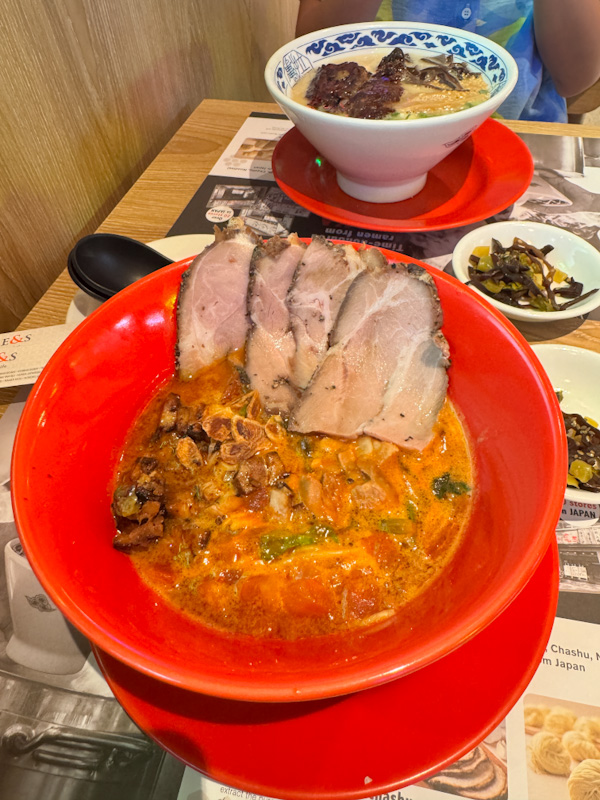
You have to try the spicy tsukemen at torasho, the spice they put in is sambal-y and balances really well
Sounds really good! I shall try it the next time round!