tonkotsu

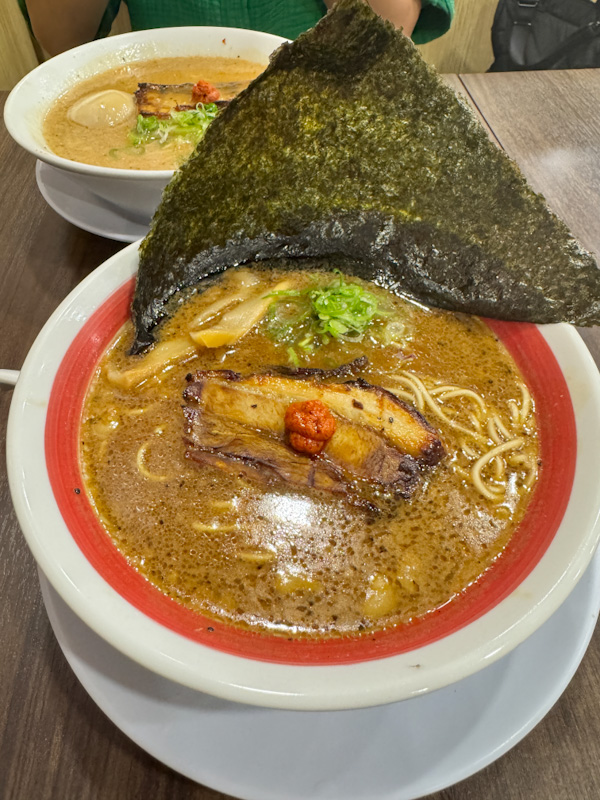
Takagi Ramen | Singapore | 45/100

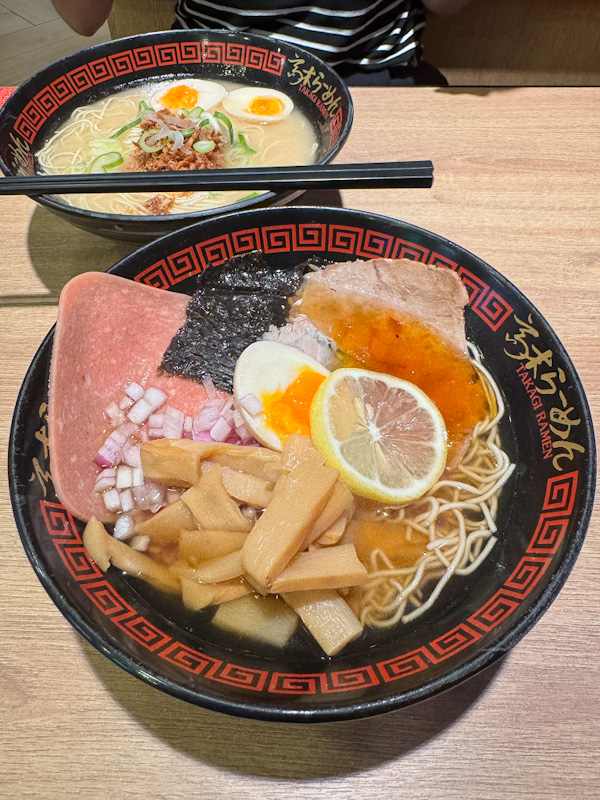
Takagi Ramen boasts an appealing brand story – Ramen made for the everyday Singaporean. Absolutely spot on! Who says delicious ramen has to come with a hefty price tag? Hardworking Singaporeans deserve to enjoy a satisfying bowl of ramen as well. Since most of their outlets are quite far from our location, we opted to visit the one that appeared busiest… Ang Mo Kio!

Takagi Ramen | Singapore | 45/100 Read Post »
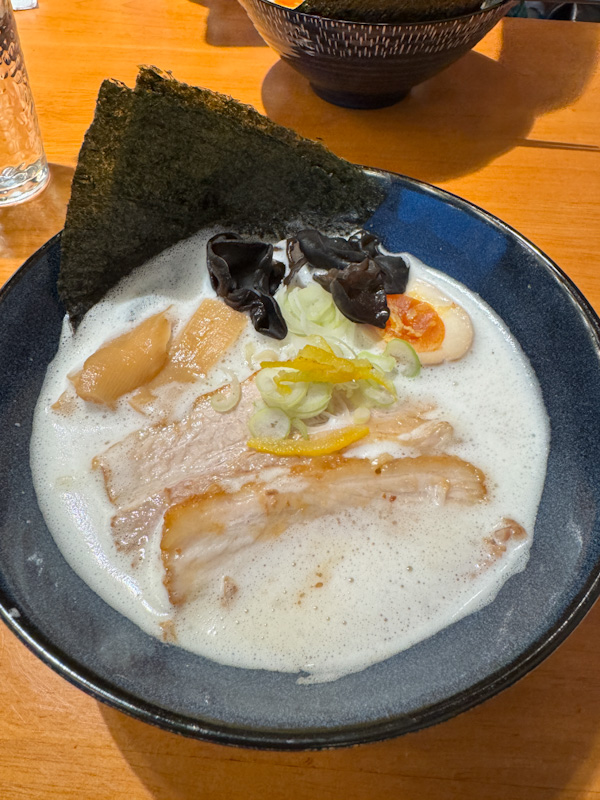
Ramen KIOU | Singapore | 80/100

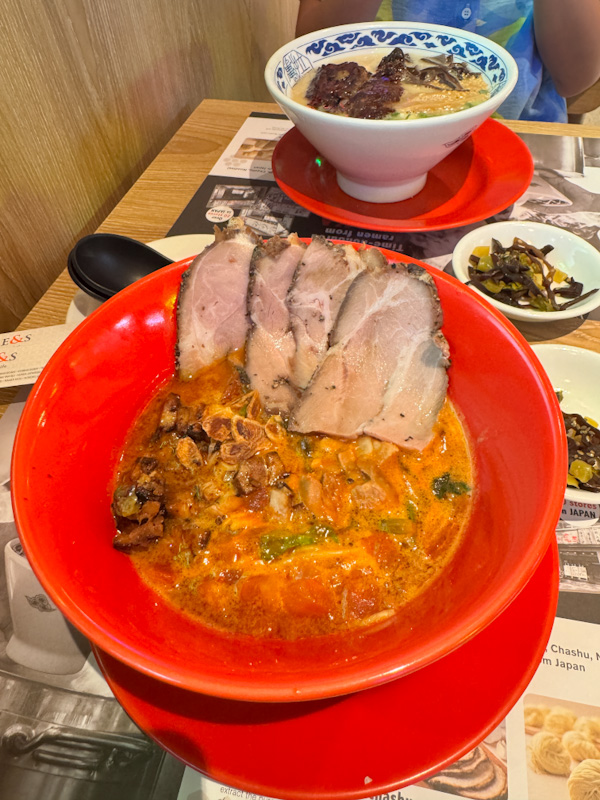
Rather than adopting the widely available Hakata style, Ramen KIOU specializes in an Osaka-style, salt-based tonkotsu broth paired with noodles engineered for a slightly thicker, springier bite. They are particularly recognized for their approach to chashu, utilizing a thick-cut, house-marinated preparation method that stays true to their Japanese origins. Beyond these traditional bowls, the shop is also known for its experimental menu items. Offerings like the garlic-centric Riki Tonkotsu and the unconventional Tomato Cheese Ramen demonstrate a willingness to test established ramen formats, providing a distinct alternative to standard tonkotsu options without giving away exactly how those bold concepts play out on the palate.

Ramen KIOU | Singapore | 80/100 Read Post »

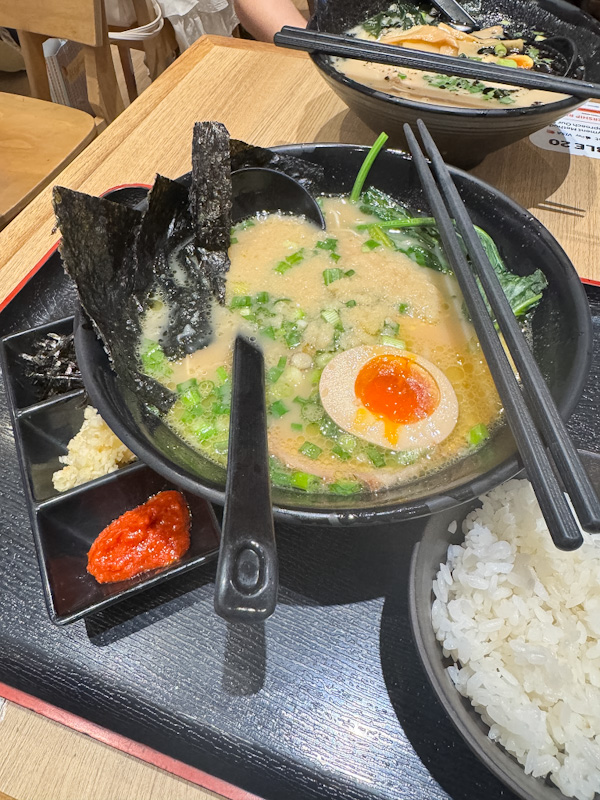
Bari Uma | Singapore | 90/100

Bari-Uma Ramen Singapore positions itself around a very specific ramen thesis: Hiroshima-born tonkotsu-shoyu ramen, first established in 2003, and engineered through controlled process rather than trend-driven variations. The Novena outlet foregrounds this identity clearly, from its “Declaration of Bariuma Spirits” to visible cues around in-store production. This is not framed as Hakata-style pure tonkotsu, nor Tokyo-style clear shoyu, but a calibrated hybrid where pork bone extraction meets soy sauce sharpness.

Bari Uma | Singapore | 90/100 Read Post »

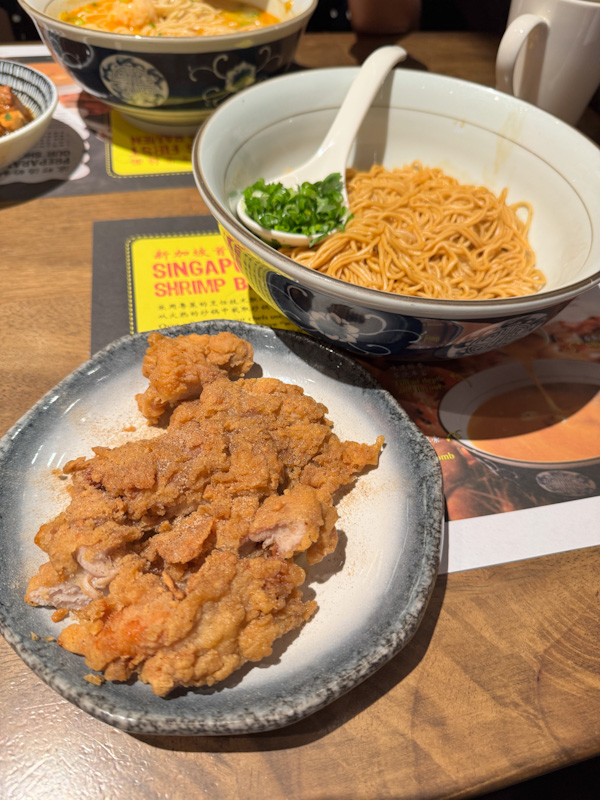
Le Shrimp Ramen | Singapore | 85/100

Its not exactly your normal ramen – on their website it says.. Inspired by the flavours of Japanese ramen broth and silky threads of Chinese la mian, Le Shrimp Ramen is a perfect marriage of Chinese and Japanese culture, offering a simple menu of elaborate flavours. But still, I think there’s merits evaluating them against the likes of other crab or truffle fusion ramens.

Le Shrimp Ramen | Singapore | 85/100 Read Post »

Tamoya Udon & Tempura | Singapore | 60/100

What makes Tamoya relevant here is that it doesn’t operate as a single-noodle house. Alongside udon, the menu also offers ramen noodles and ramen-based dishes, creating a rare crossover where udon and ramen coexist within the same kitchen and workflow. For a ramen reviewer, this opens up a useful point of comparison: how ramen noodles are handled, positioned, and contextualised when they’re not the headline act. Seen this way, Tamoya becomes less of a genre detour and more of a lens into how Japanese noodle culture flexes outside strict category lines.

Tamoya Udon & Tempura | Singapore | 60/100 Read Post »

Sushiro | Singapore | 65/100

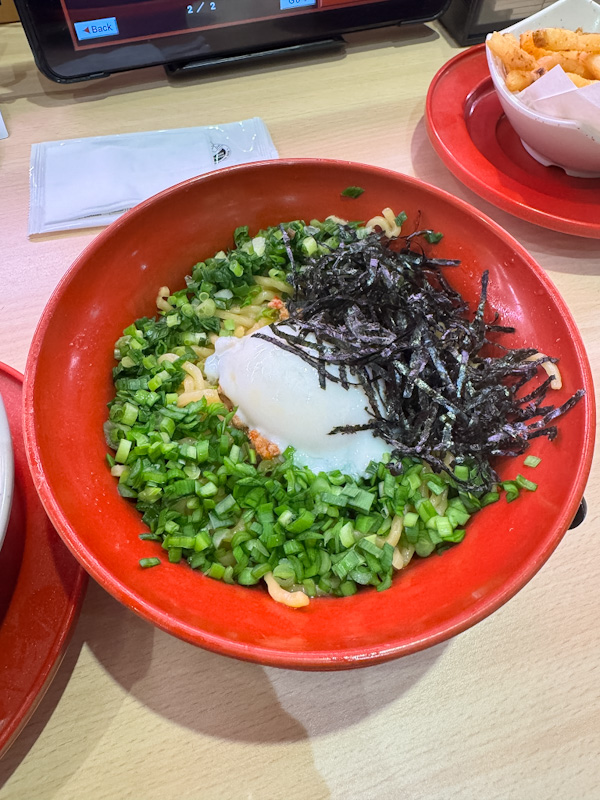
Sushiro Singapore has partnered with Kajiken—the mazesoba specialist known for its signature “Taiwan Mazesoba (Nagoya-style)”—to bring a dry ramen crossover into the kaiten-sushi world. The tie-up is rolling out across all Sushiro outlets in Singapore as a limited run.

Sushiro | Singapore | 65/100 Read Post »

Scroll to Top