WHAT WE ATE
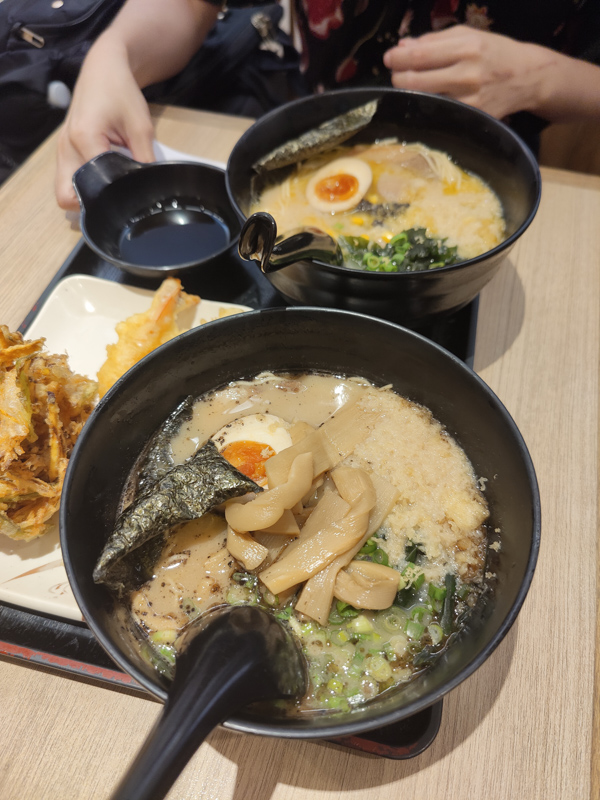
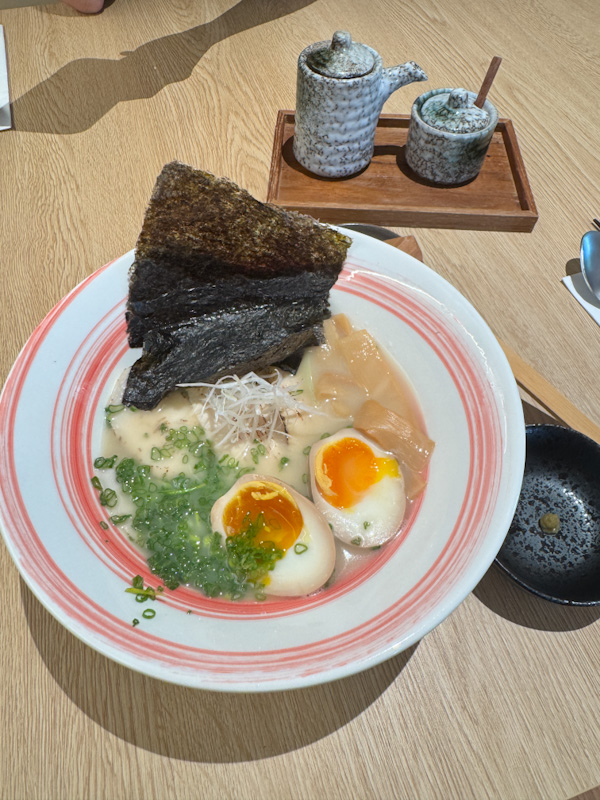
- Iekei Tonkotsu Shoyu Ramen, 45/100 (20 Dec 2025, Plaza Singapura)
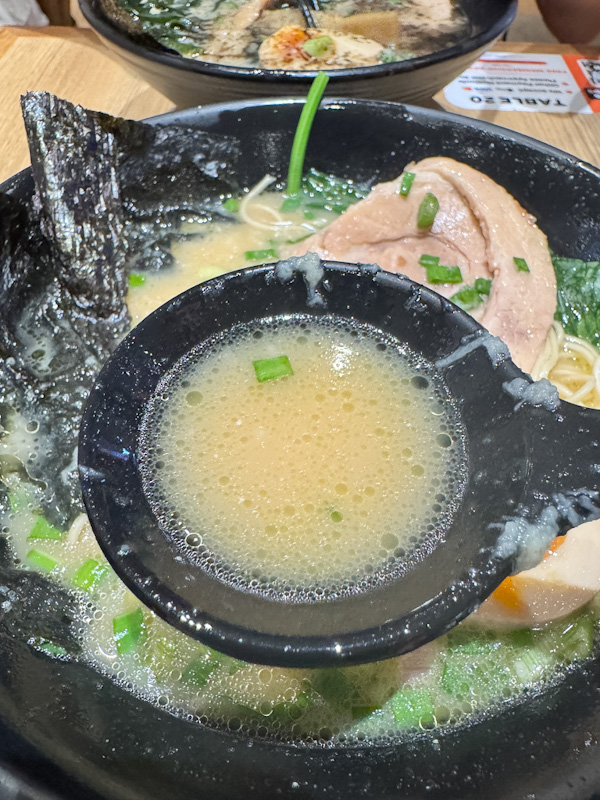
- Black Garlic Tonkotsu Ramen, 60/100 (revisited 20 Dec 2025, Plaza Singapura)
- Truffle Tonkotsu Ramen, 35/100 (21 May 2022, Plaza Singapura)
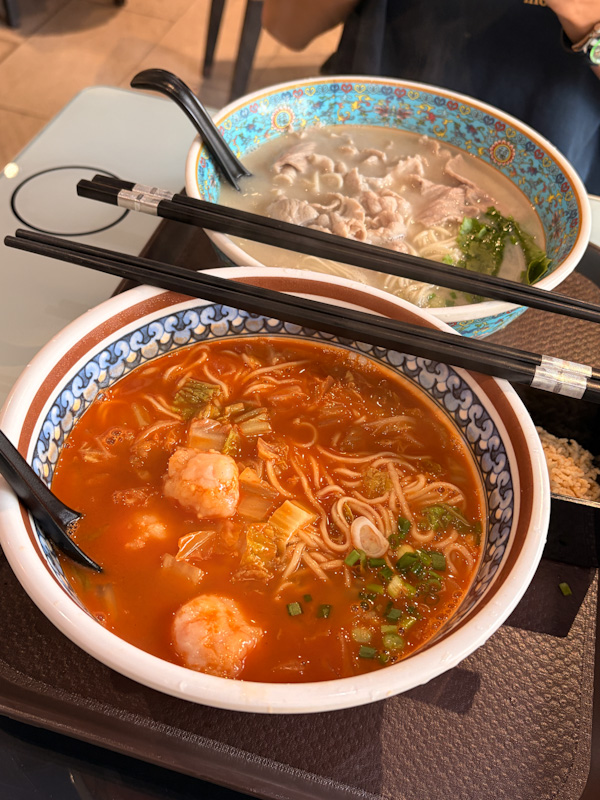
At first glance, Tamoya Udon & Tempura might feel slightly out of place on a ramen-focused site. The brand is best known for its roots in Sanuki-style udon, originating from Kagawa Prefecture, and its fast-casual, self-service format that mirrors how udon shops operate in Japan. In Singapore, Tamoya has long positioned itself as an accessible Japanese noodle stop, anchored by udon and tempura, rather than a traditional ramen-ya.
What makes Tamoya relevant here is that it doesn’t operate as a single-noodle house. Alongside udon, the menu also offers ramen noodles and ramen-based dishes, creating a rare crossover where udon and ramen coexist within the same kitchen and workflow. For a ramen reviewer, this opens up a useful point of comparison: how ramen noodles are handled, positioned, and contextualised when they’re not the headline act. Seen this way, Tamoya becomes less of a genre detour and more of a lens into how Japanese noodle culture flexes outside strict category lines.
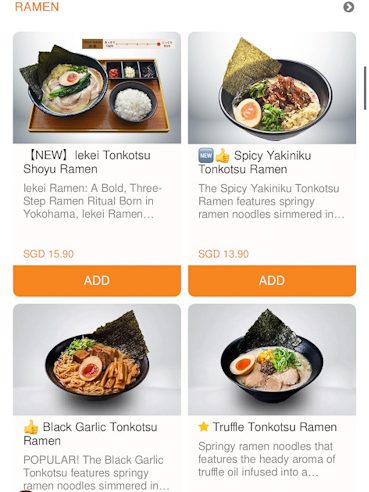
Iekei Tonkotsu Shoyu Ramen: 40/100
Noodle: 15/35
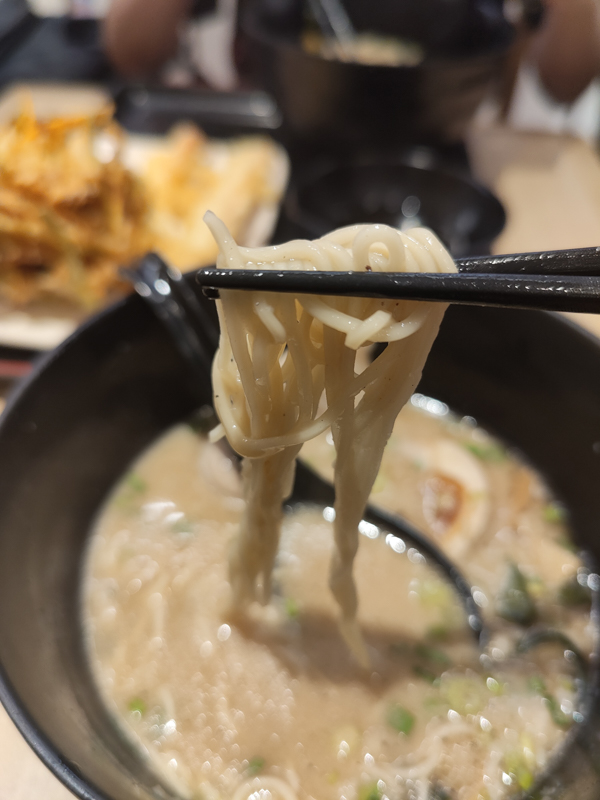
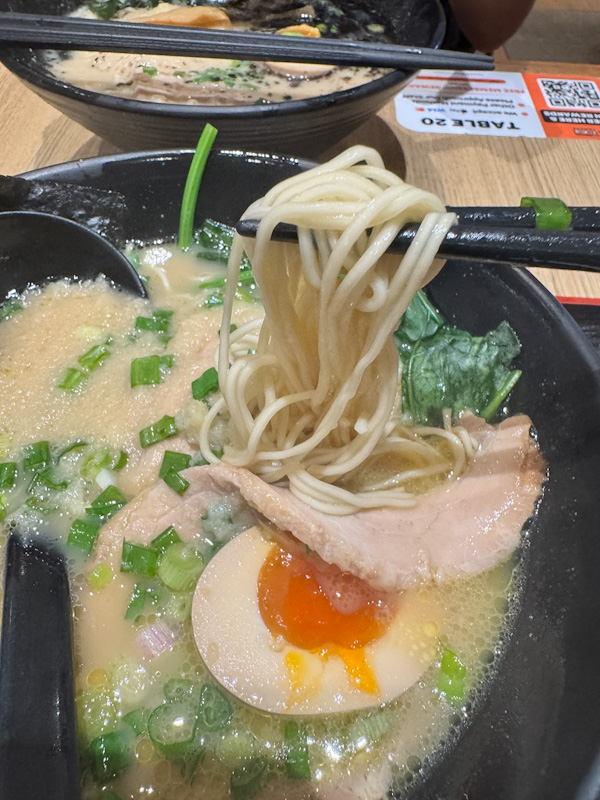
Thin, straight Hakata-style noodles, pale yellow and visually familiar territory for tonkotsu ramen. They were served firm, but only marginally so. From the first few bites, there’s a sense they were pushed slightly past the ideal cooking window. While not soggy, they soften quickly and lose tension, turning limp far sooner than expected.
The wheat flavour is mild and earthy, with no unpleasant alkaline edge. That’s a plus. However, the noodles actively absorb the soup’s flavor. After sitting in the soup for a short while, they take on a noticeable mirin-like sweetness, which further dulls their already modest wheat character. Structurally, they lack the resilience needed to hold their own in a rich tonkotsu-shoyu context.
Soup: 5/35
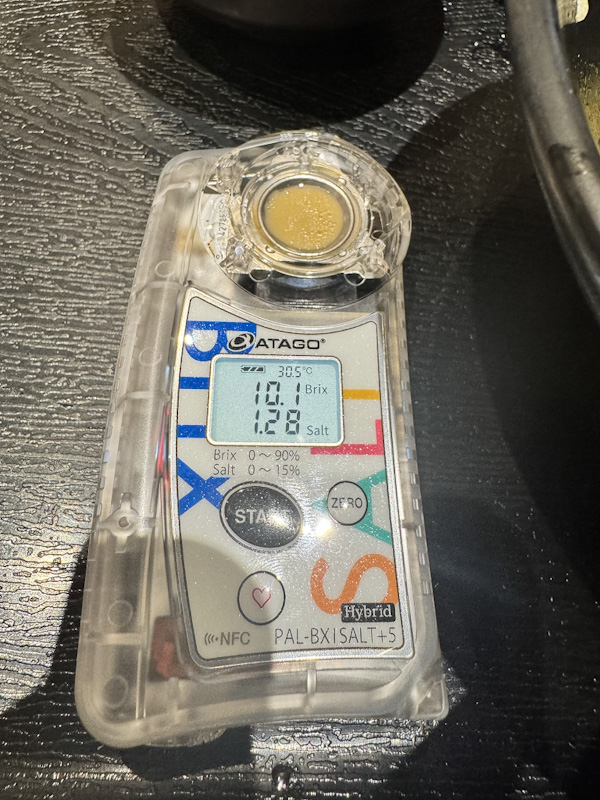
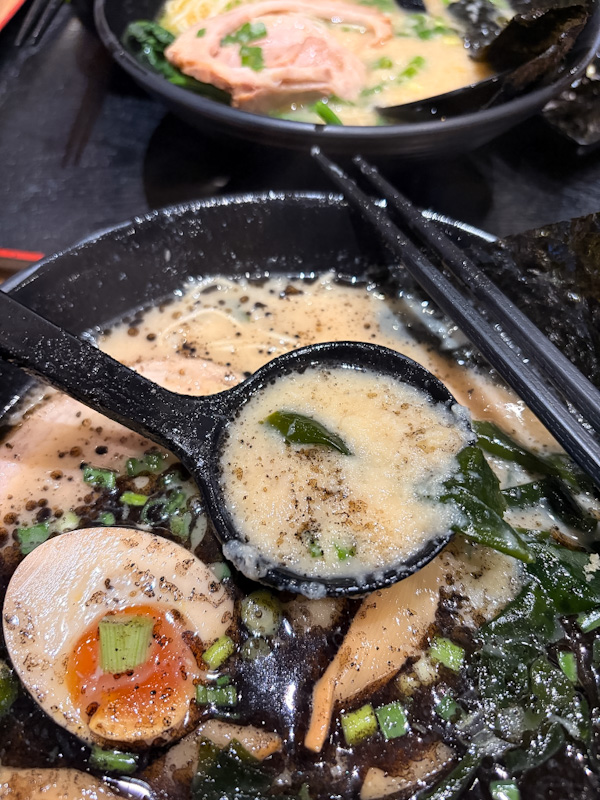
The soup falters most in clarity and identity. At the head, there’s a pronounced saltiness paired with a light milkiness. It isn’t sharp, but it makes a blunt first impression. The transition into the body is abrupt. Instead of developing depth, the soup quickly becomes oily, carrying a distinct fried tempura note.
This fried character is not savoury or nutty. It veers into acrid territory, suggesting oil fatigue rather than intentional aroma. Towards the end, the oiliness lingers and builds on the tongue, bordering on rancid. Alongside it is a constantly accumulating mirin-like sweetness that flattens the palate and erases contrast.
There is some underlying richness and milkiness buried within the soup, but it never gets the space to express itself. As a regular tonkotsu, it is barely passable. As an Iekei ramen that explicitly positions itself as Tonkotsu-Shoyu, it completely collapses. There are hardly any discernible shoyu notes, and none of the soy-driven punch or savoury clarity that defines the style.
Meat: 15/20
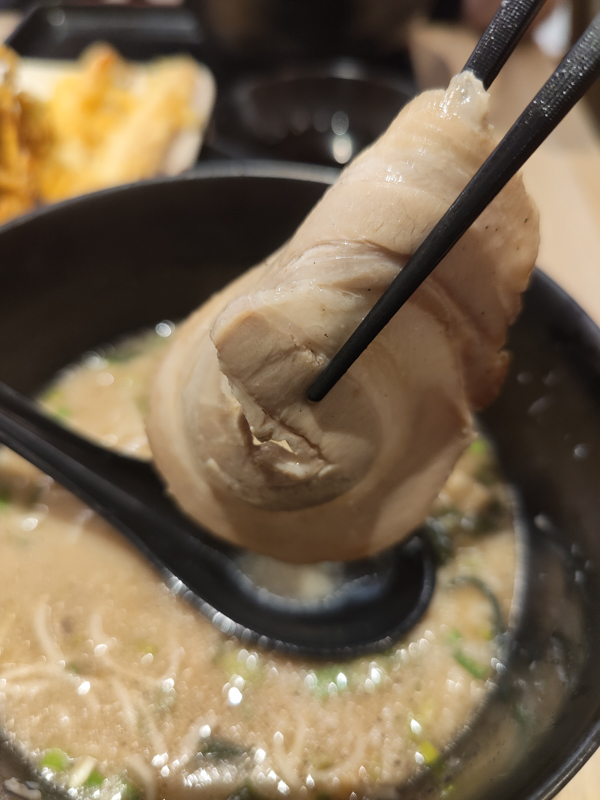
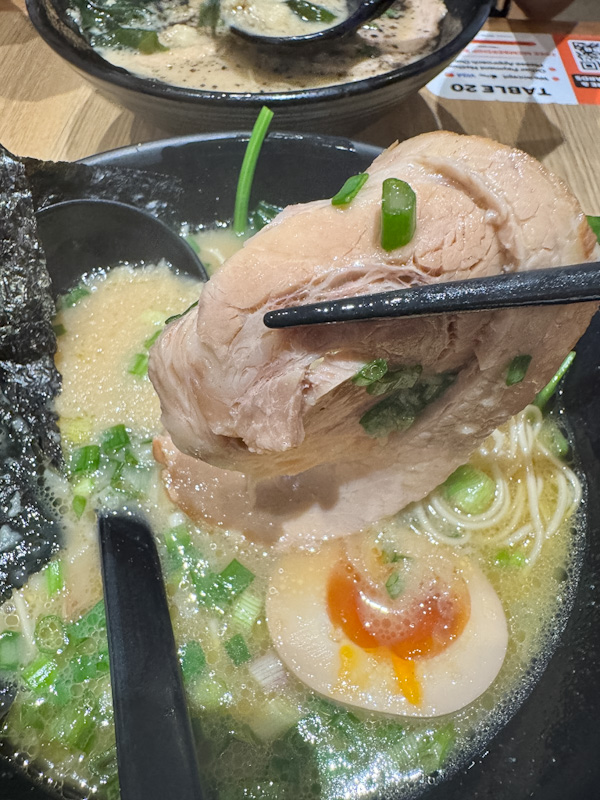
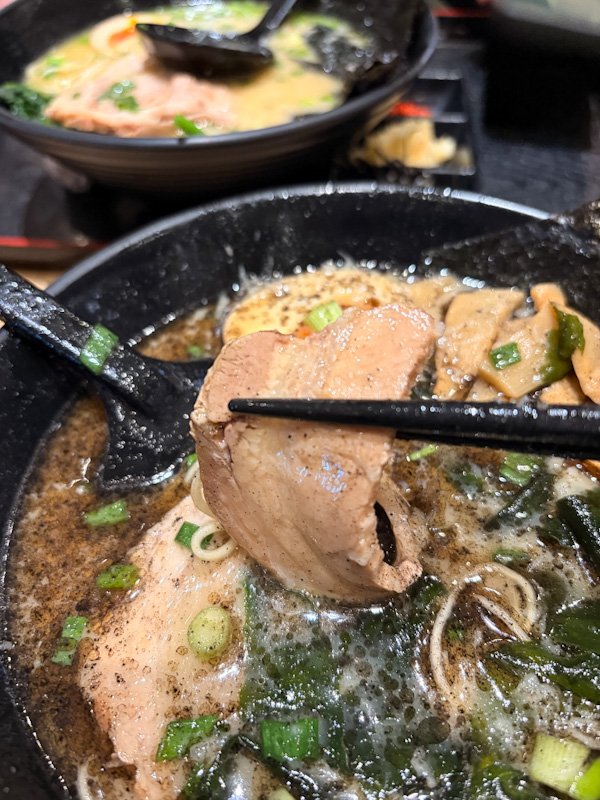
The chashu is a noticeable improvement compared to previous visits years ago. Thin but generously sized, rolled neatly, and cooked until tender. Texture is soft, and the fat melts cleanly in the mouth, giving it a pleasing mouthfeel. Flavour-wise, it leans savoury-sweet. It’s enjoyable initially, but the mirin note builds quickly and starts to fatigue the palate, especially when paired with the similarly sweet-leaning soup and egg. On its own, the meat is well executed and arguably one of the stronger components in the bowl. In context, it contributes to the overall imbalance.
Other Toppings: 5/10
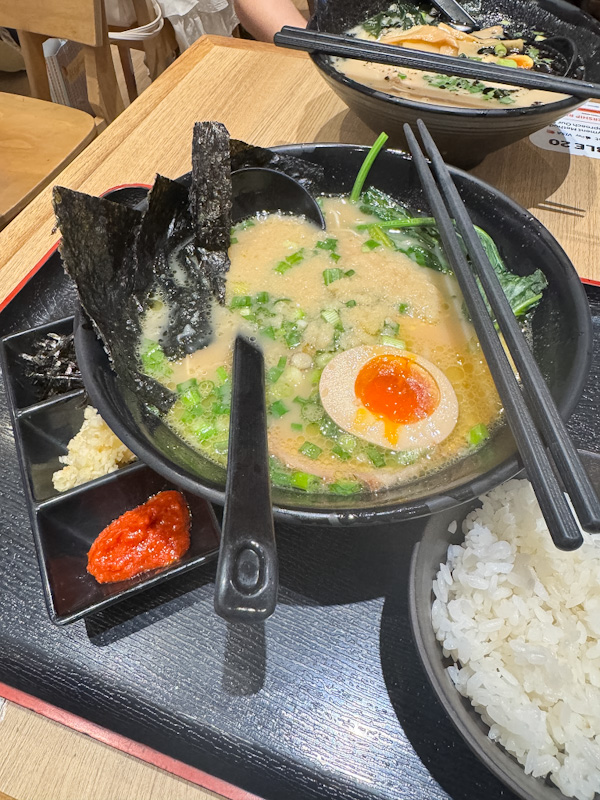
As expected of an Iekei-style bowl, the toppings aim to deliver ajihen through layering and contrast.
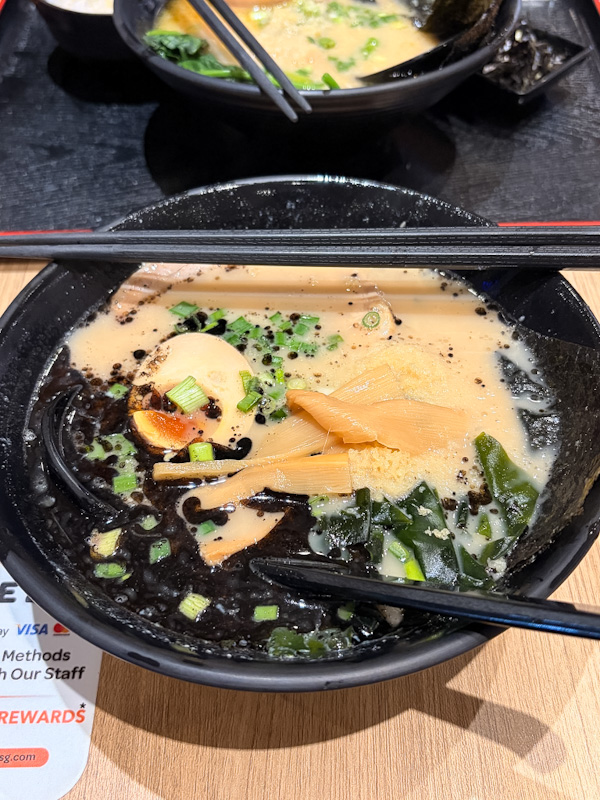
- The seaweed comes in two forms, large sheets and shredded pieces. Both lack umami depth and feel underpowered.
- Negi is fresh and crunchy, offering piquant brightness.
- The blanched spinach introduces a refreshing vegetal bitterness that briefly breaks the monotony.
- Tempura crumbs arrive already waterlogged, resembling soggy cereal, and play a major role in the oily, fried aftertaste dominating the soup.
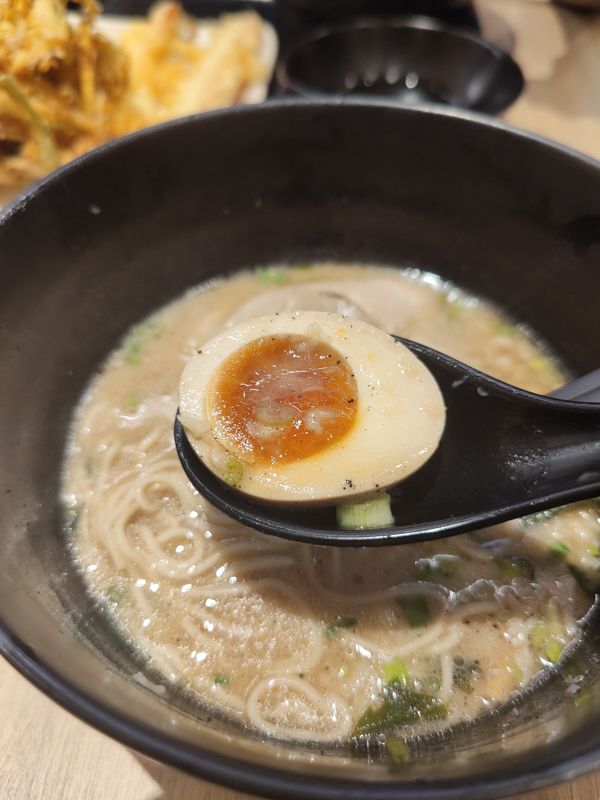
- The half marinated egg carries a strong mirin profile, reinforcing the same sweetness found elsewhere in the bowl.
- Midway through the meal, adding garlic provides a sharp kick, though it also heightens the contrast with the sweetness.
- Adding chilli afterwards works better. The chilli sauce complements the soup surprisingly well and restores some balance by introducing heat and edge to counter the sugar-forward profile.
Summary
This bowl tastes nothing like an Iekei ramen. Beyond the name, very little aligns with the style’s defining characteristics. The lack of a clear shoyu backbone, combined with excessive oil and sweetness, strips the soup of identity, wrong choice of noodles used. More critically, the same mirin-like sweetness appears across multiple components, the soup, the chashu, and the egg. Whether through direct seasoning or leeching into the broth, the cumulative effect is an unbalanced meal that leans heavily into sweetness, flattening the palate and limiting contrast. Despite a few competent elements, the bowl never coheres into a convincing whole.
Black Garlic Tonkotsu Ramen: 60/100
Looking back at photos from 2022, the difference is immediately apparent. Presentation aside, there’s a clear sense that the recipe has been worked on and refined. This bowl feels more considered than earlier iterations, not flawless, but noticeably improved.
Noodle: 20/35
Thin, straight Hakata-style noodles make another appearance here. Pale yellow and served firm, though again slightly past the ideal cooking point. While they are not soggy on arrival, they soften quickly and lose tension, turning limp sooner than desired.
That said, the pairing works better in this bowl. The mild, earthy wheat flavour comes through cleanly, with no harsh alkaline notes. Interestingly, these appear to be the same noodles used in the Iekei Tonkotsu Shoyu Ramen, but the black garlic tonkotsu soup complements them far more effectively. The noodles absorb flavour without being overwhelmed, making their shortcomings less distracting in this context.
Soup: 20/35
The soup opens on a savoury note with a gentle milkiness at the head. It feels more restrained and deliberate than the Iekei version. As it moves into the body, a subtle smokiness from the black garlic begins to surface, adding depth and dimension. The end is defined by a pleasant bitterness that helps rein in sweetness and keeps the palate from feeling weighed down. This bitterness is doing most of the heavy lifting in terms of balance. Compared to the Iekei bowl, the layers here are more coherent, and the sweetness does not linger as aggressively.
That said, oil remains an issue. The soup leans greasy, and while the richness is present, it often feels masked by the surface oil. There is a good foundation here, but it lacks the clarity and cleanliness needed to fully express its potential.
Meat: 15/20
The chashu continues the upward trajectory seen in the earlier bowl. Thin yet generously sized, rolled neatly, and cooked until tender. Texture is soft, and the fat melts easily, delivering a satisfying mouthfeel. Flavour is savoury-sweet and initially quite pleasant. However, the mirin-like sweetness builds quickly and starts to flatten the palate, especially as the meal progresses. The quality of the meat itself is solid, and it represents a clear improvement from visits many years ago, but the seasoning still leans too heavily on sweetness.
Other Toppings: 5/10
Toppings are kept minimal.
- Bamboo shoots are tender, savoury, and free from any pungent edge.
- Negi is fresh and crunchy, contributing a welcome piquant lift.
- Konbu slices make an appearance, which feels slightly out of place. In a bowl with stronger, darker flavours, they add little in terms of aroma or taste.
- The half marinated egg has a good texture, with a nicely set yolk, but again carries a pronounced mirin sweetness that echoes through the rest of the bowl.
Summary
The black garlic tonkotsu is the more balanced of the two bowls. The bitterness from the burnt garlic plays an important role in tempering sweetness and bringing some shape to the soup. While the bowl is still lacking in refinement and clarity, especially in terms of oil management and sweetness control, it is ultimately passable.
It does not excel, but it shows progress. Compared to earlier visits, there is clear evidence of improvement, and while it remains imperfect, this version at least understands restraint better than its counterpart.
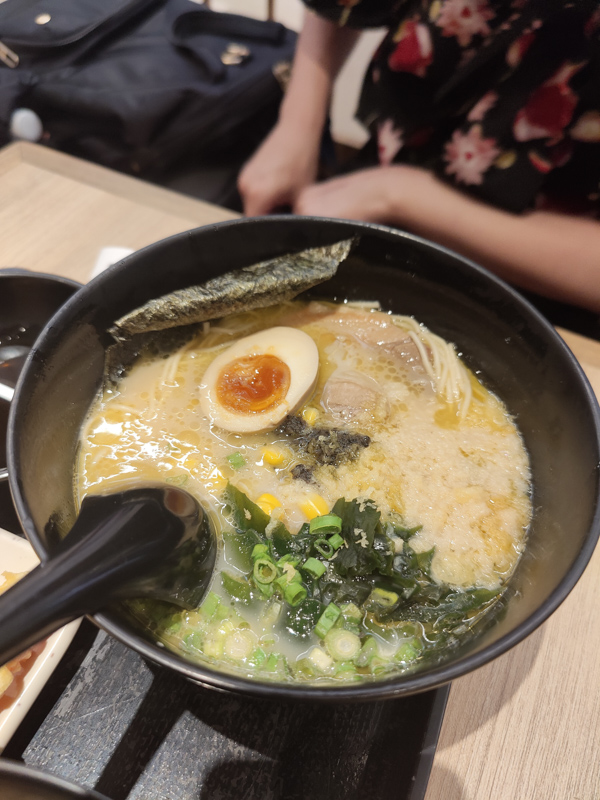
Truffle Tonkotsu Ramen: 35/100 (outdated review)
Noodle: 10/35
The noodles here are the same thin, straight Hakata-style noodles used across their other ramen offerings. Unfortunately, they fare worst in this bowl. Texture-wise, they are overly soft on arrival and border on mushy within minutes, lacking the bite and tension expected of this style.
Flavour is serviceable but unremarkable. There is no unpleasant alkaline note, but there is also nothing that stands out or adds character. In a soup as assertive as this, the noodles fail to assert themselves, becoming little more than a carrier rather than a contributing component.
Soup: 15/35
The soup suffers from imbalance. The truffle aroma dominates immediately, overwhelming the tonkotsu base at the head. Rather than integrating into the broth, the truffle flavour sits on top, loud and insistent.
As the soup moves into the body, a slight bitterness begins to surface, lingering into the finish. Corn is included, presumably to soften and sweeten the profile, but it does little to restore harmony. The experience feels less like a tonkotsu enhanced by truffle and more like consuming truffle oil diluted in pork broth. The lack of interplay between the two elements leaves the soup one-dimensional and fatiguing.
Meat: 5/25
The chashu mirrors what appears in their other bowls. On paper, it should work. In practice, it falls short. While the lean portions carry a decent savoury flavour, the fatty sections are chewy and difficult to tear cleanly.
There is also a noticeably high fat-to-meat ratio compared to what is typical in a well-balanced chashu slice. Instead of melting into the soup, the fat lingers unpleasantly, adding to the heaviness of an already rich bowl. This is one of the weaker executions of the protein across the menu.
Other Toppings: 5/10
The toppings are familiar and largely recycled from other offerings. The egg is properly cooked, with good texture and restrained marination, and integrates comfortably into the bowl.
The tempura flakes, however, arrive soggy, contributing more oil than texture. While some diners may enjoy this softness, it muddies the soup further. Seaweed and scallions play mostly a visual role, offering minimal flavour impact. The bamboo shoots stand out the most. Slightly pungent with a gentle sour edge, they provide a refreshing contrast and briefly lift the palate from the surrounding richness.
Summary
This bowl struggles with excess rather than absence. The truffle component overwhelms the tonkotsu base, leaving little room for balance or nuance. Combined with soft noodles, heavy fat, and repetitive toppings, the overall experience feels clumsy and unfocused.
While there are isolated moments that work, particularly the bamboo shoots and the egg, they are not enough to rescue the bowl. The result is a ramen that leans too heavily on truffle as a headline, without the structural discipline needed to support it.
Disclaimer
One man’s meat is another man’s poison.
Find out more about our palettes and how we evaluate our ramen here. 😉