WHAT WE ATE
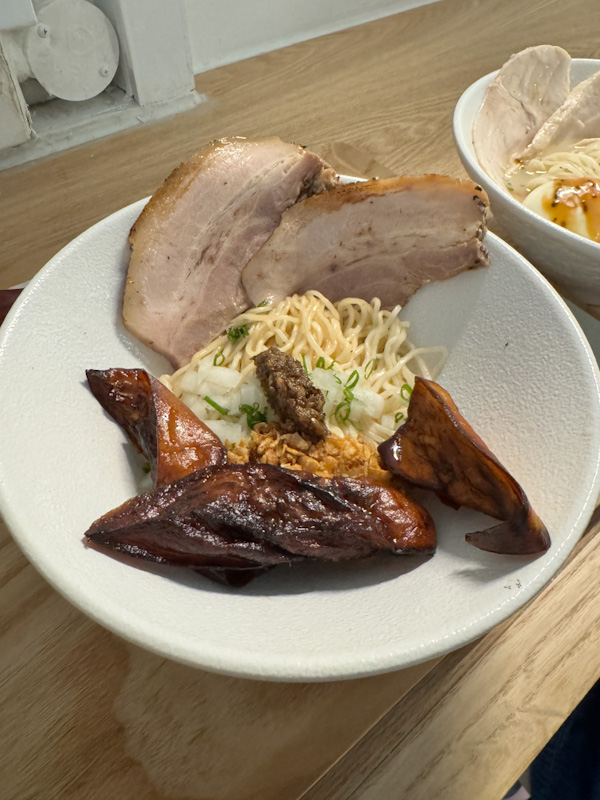
- Renkon Ramen – 70/100, Tsuchiura, Ibaraki, 4 April 2026
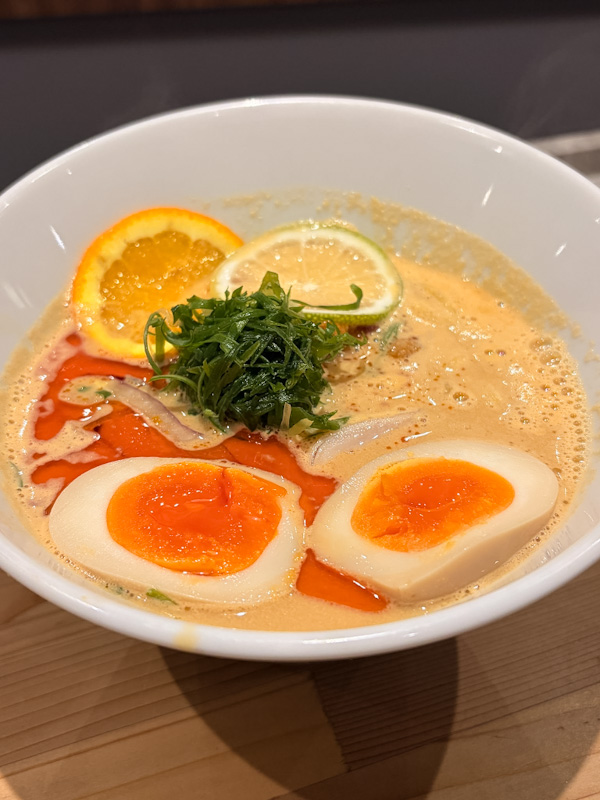
- Zeitaku Ramen (Miso) – 75/100, Tsuchiura, Ibaraki, 4 April 2026
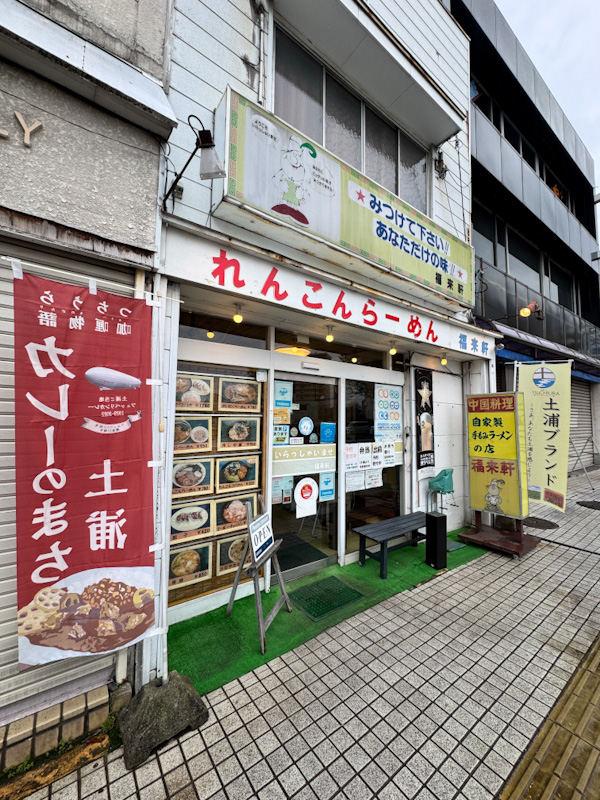
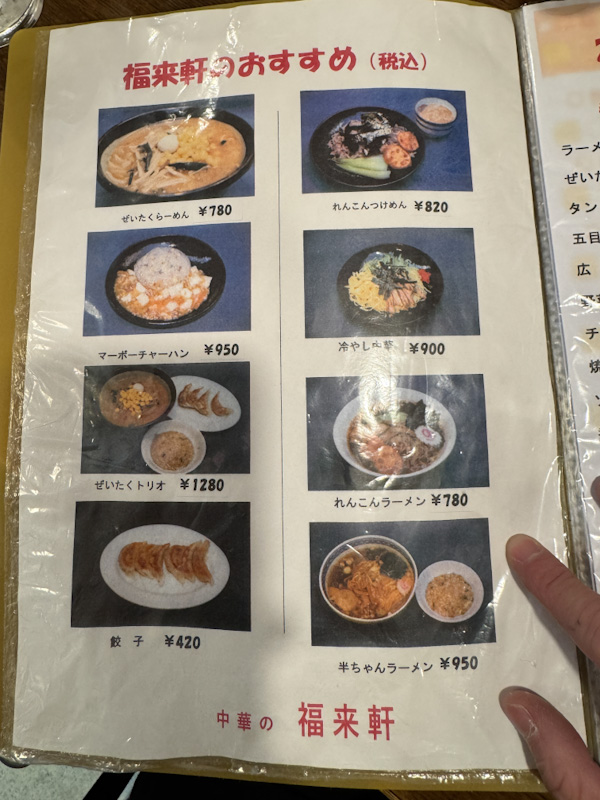
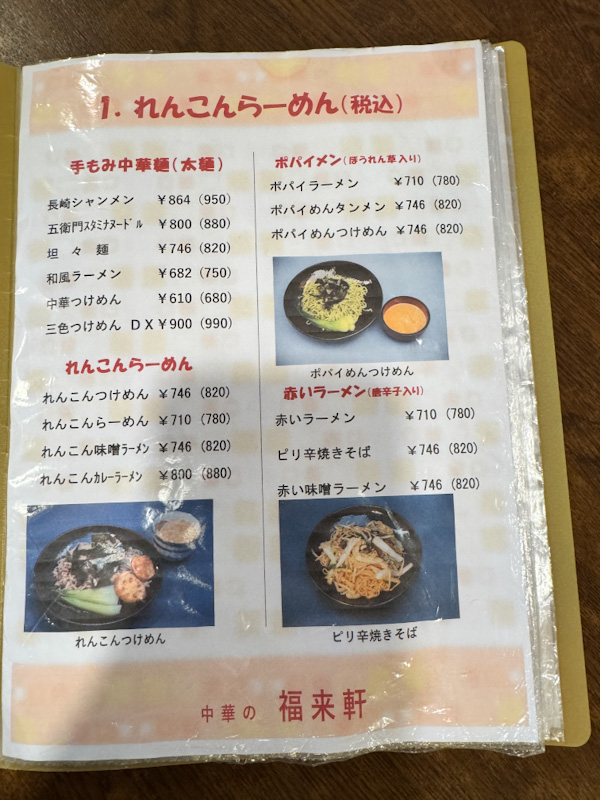
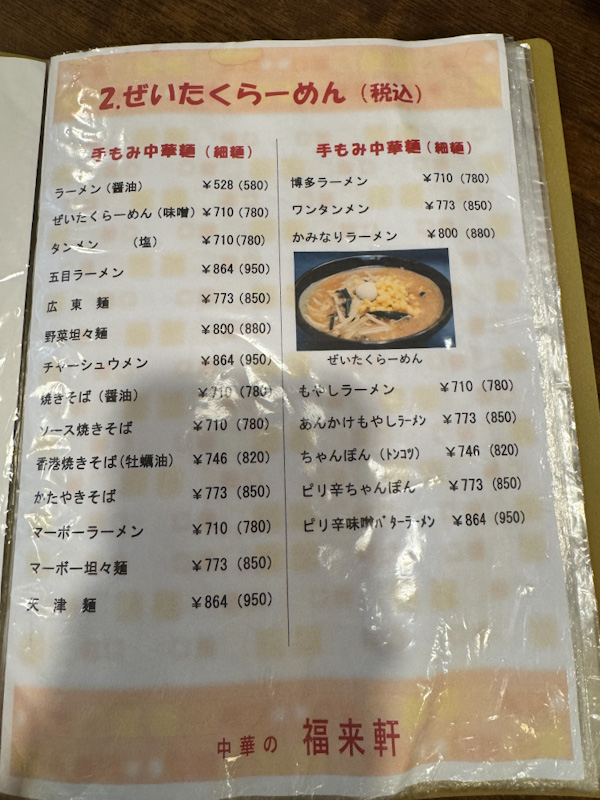
Located just southwest of the historic Tsuchiura Castle ruins in Ibaraki Prefecture, 中華の福来軒 (Fukuraiken) stands as a seasoned pillar of the local dining scene. This establishment isn’t just a standard ramen shop; it’s a gateway to understanding the agricultural identity of Tsuchiura, a city renowned as Japan’s leading producer of lotus root (renkon). While many travelers visit the area for the scenic cycling paths along Lake Kasumigaura, those in the know seek out this spot for its unique integration of local produce into the very foundation of its menu.
The hallmark of Fukuraiken lies in its commitment to craft, specifically through its house-made noodles. Using a proprietary blend of three distinct flours and an aging process that exceeds 24 hours, the kitchen produces a base that supports their more unconventional regional experiments.
For those tracking the evolution of regional ramen styles, Fukuraiken offers a study in how local pride can reshape traditional Chinese-Japanese cuisine. Rather than relying on the heavy, fat-laden profiles common in modern chains, the focus here remains on structural balance and the subtle incorporation of the region’s star vegetable. It is an essential stop for any enthusiast looking to understand how geography and history dictate the contents of a bowl in Ibaraki.
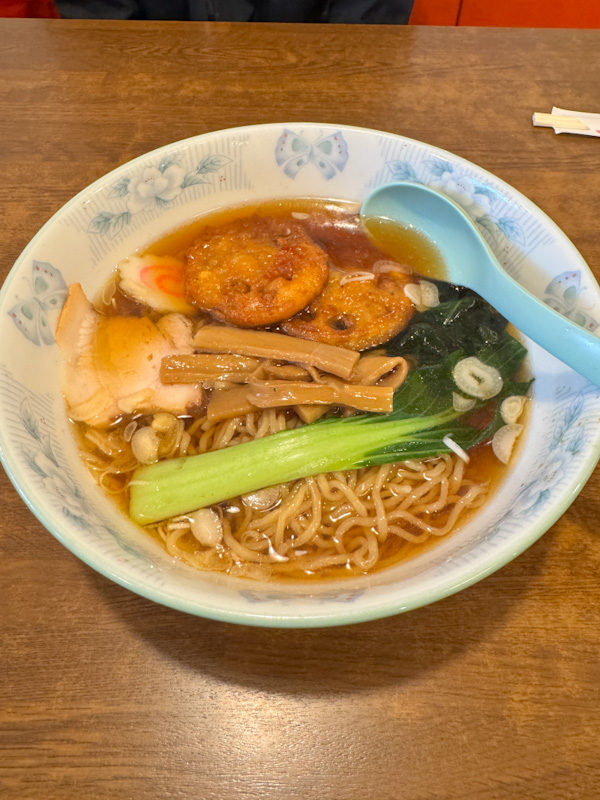
Renkon Ramen: 70/100
Noodle: 25/35
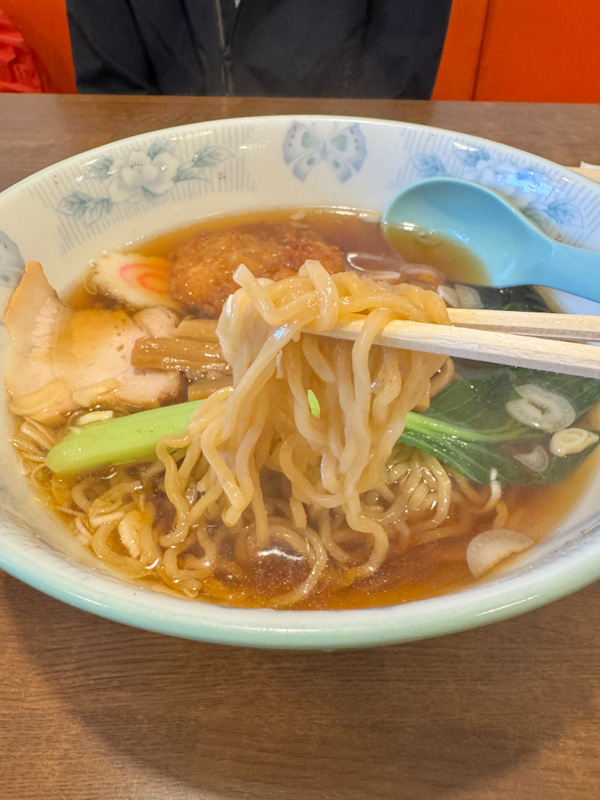
The noodles are medium-thick and curly, sporting a pale yellow hue that quickly adopts a darker tint from the shoyu broth. In terms of texture, they possess a distinct mochi-mochi quality; they are firm and notably chewy. The mouthfeel is slightly doughy, clinging briefly to the teeth in a way that suggests a high protein content and deliberate aging. As for the flavor profile, there is a detectable hint of alkaline notes, though it remains secondary and does not distract from the primary experience. These strands are highly porous, absorbing the shoyu aroma effectively while finishing with a subtle, nutty wheat cadence.
Soup: 25/35
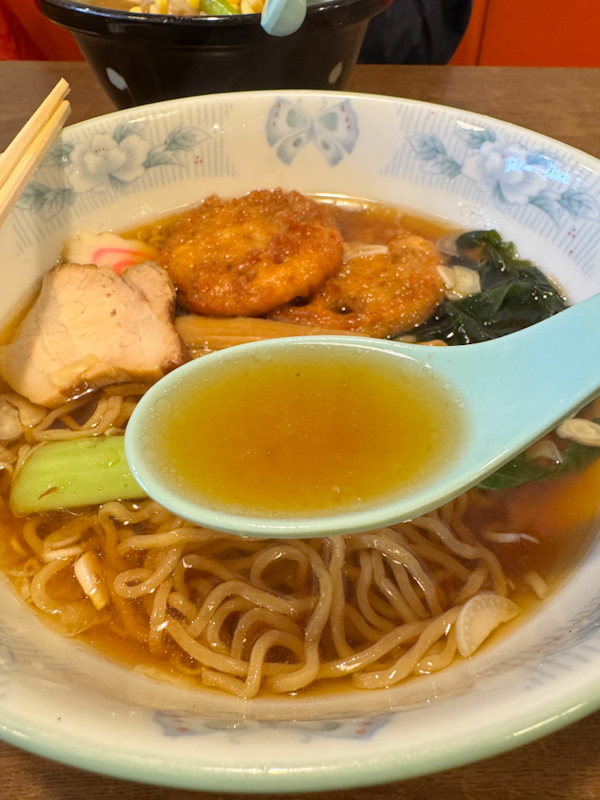
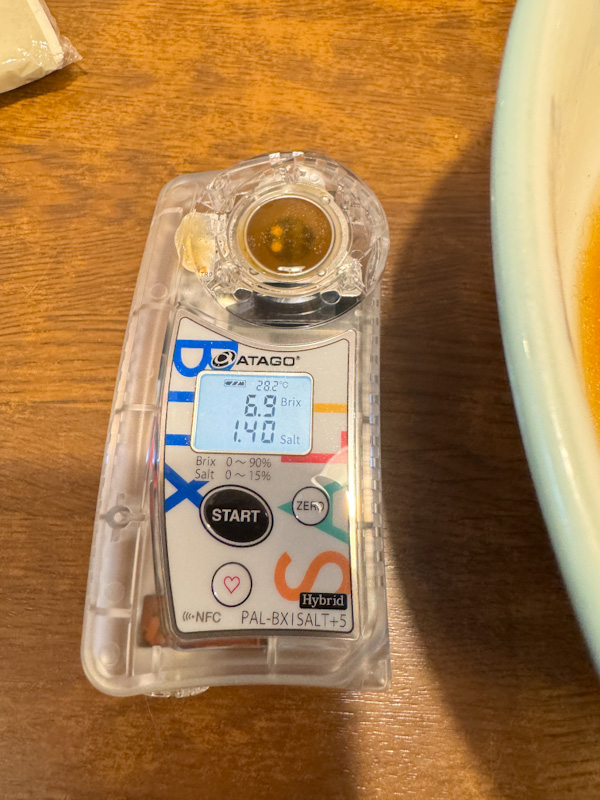
The broth is a classic, light-bodied shoyu base that prioritizes clarity over viscosity. The head of the soup offers a savory smoothness that is exceptionally clean. As it transitions into the body, one encounters a wave of umami characterized by dried sardine notes, providing a maritime depth without any acridity. The finish is defined by a lingering, slightly toasty shoyu aroma that stays on the palate. While the layers are simple, the interplay between the toasted soy notes and the oceanic undertones creates a balanced, albeit light, structural foundation.
Meat: 10/20
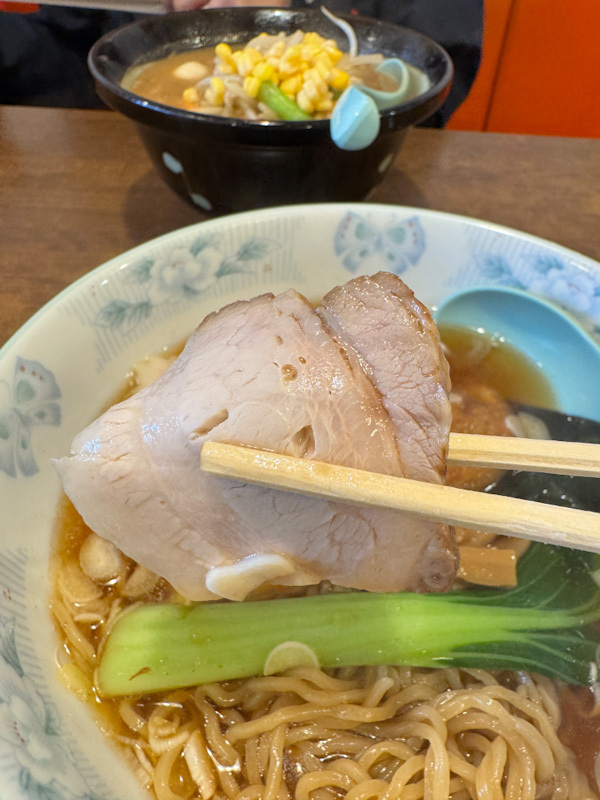
The pork belly is served in a medium-thin slice. The lean portion of the meat remains firm and chewy, while the fat retains its physical integrity yet yields a jelly-like mouthfeel upon mastication. The marination is balanced, delivering a salty, savory presence followed by a deeply sweet pork aftertaste.
Other Toppings: 10/10
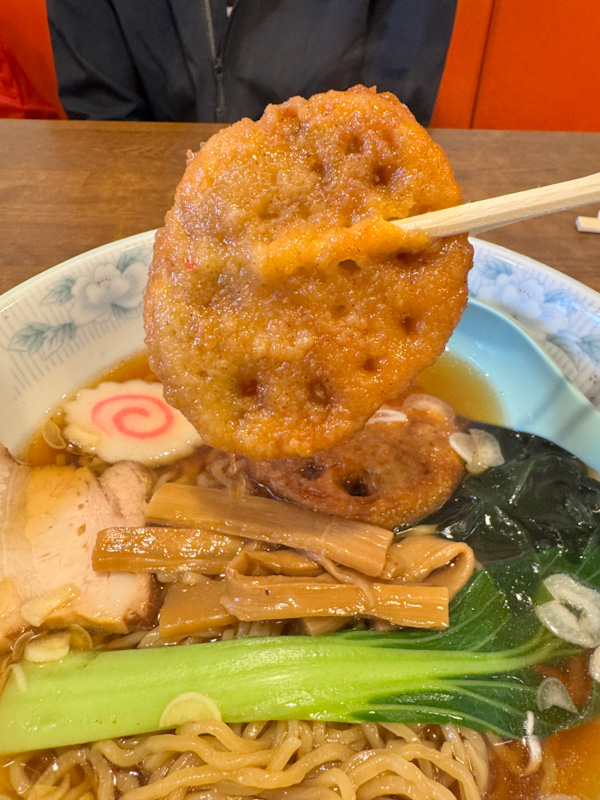
Accompanying the pork are two large slices of deep-fried renkon (lotus root). These are medium-thin cuts. The texture is a game of two halves: the crispy batter becomes soggy quite rapidly when submerged, but the lotus root itself remains remarkably crunchy and juicy. The seasoning on the batter is piquant and robust, perhaps slightly too aggressive as it tends to overwhelm the delicate, earthy flavor of the root. There is a perceptible toasty, shichimi-like heat that lingers at the back of the throat.
The bowl is rounded out by a variety of other garnishes that add significant aromatic complexity.
- The bamboo shoots are particularly pungent, offering a sharp, refreshing sourness and a fruity sweetness that cuts through the savory broth. They are firm and slightly tough, yet release plenty of juice.
- Sliced garlic provides a necessary aromatic lift, while kelp is included to bolster the umami and add a slippery textural contrast.
- A green leafy vegetable, resembling bok choy, contributes a clean vegetal note.
- Finally, the naruto fish cake is springy and mochi-mochi in texture, providing a subtle, sweet oceanic finish that complements the sardine notes in the soup body.
Summary:
The Renkon Ramen at 中華の福来軒 (Fukuraiken) is more than just a meal; it is a thoughtful integration of Tsuchiura’s local agricultural heritage into a traditional shoyu framework. The bowl’s success lies in its balance of textures—from the mochi-mochi resilience of the house-made noodles to the sharp, refreshing crunch of the region’s famous lotus root.
While the broth maintains a clean, simple profile with nostalgic sardine and toasty shoyu notes, the dish is elevated by its unique toppings. The contrast between the pungent, fruity bamboo shoots and the piquant, shichimi-infused renkon batter creates a complex flavor profile that challenges the palate. It is a technically sound bowl that prioritizes regional identity and artisanal noodle craft over modern trends of heavy richness.
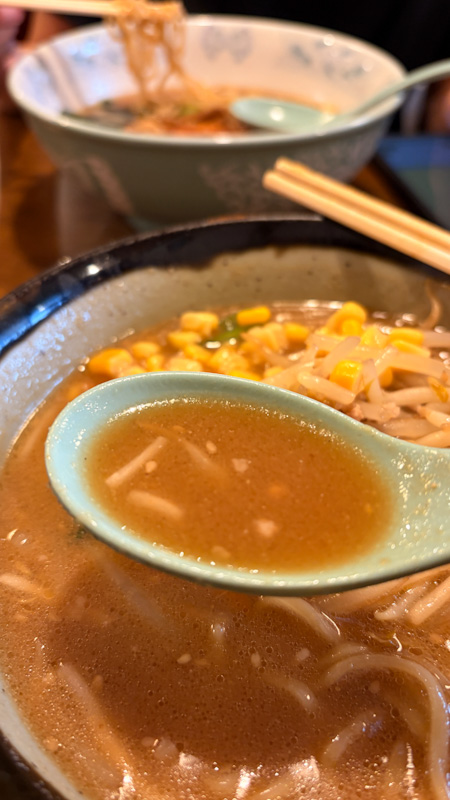
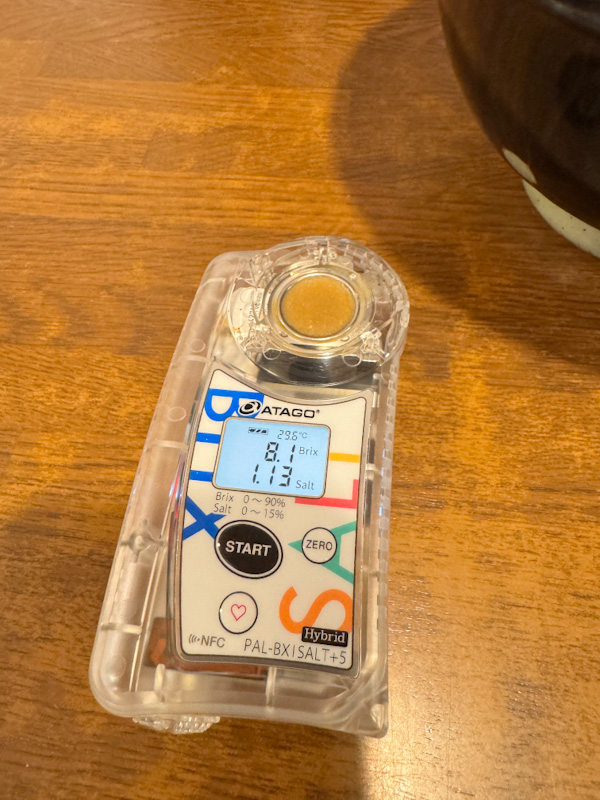
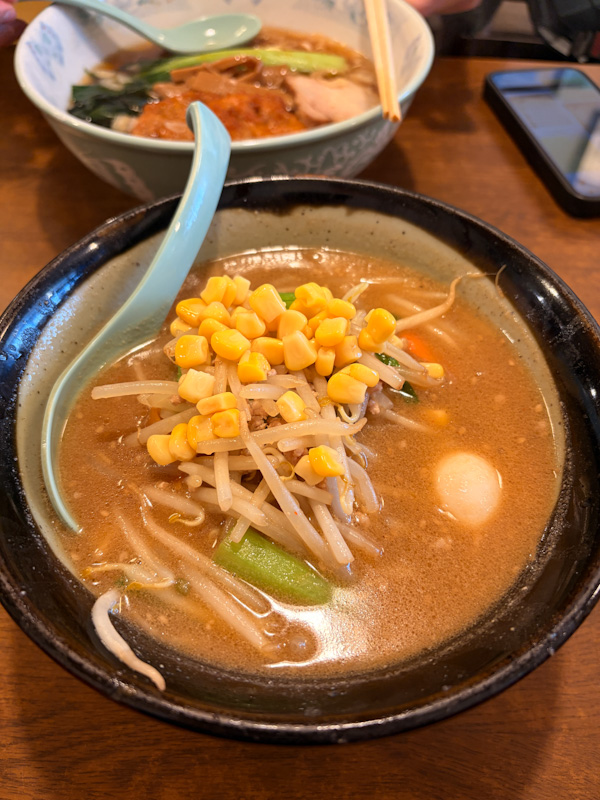
Zeitaku Ramen (Miso): 75/100
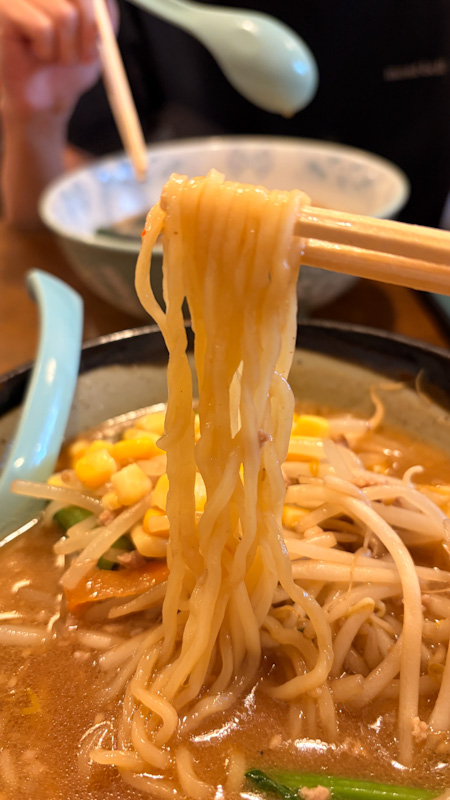
Noodle: 25/35
The noodles are medium-thick and curly, possessing a pale yellow hue that absorbs the darker, opaque shades of the miso broth. Their structural integrity is characterized by a mochi-mochi texture; they are firm with a resilient chew. In terms of mouthfeel, they exhibit a slightly doughy quality that clings briefly to the teeth, a sensation that seasoned enthusiasts will find familiar. While the flavor of the noodle is somewhat subdued by the assertive soup, a noticeable hint of alkaline notes remains present without becoming distracting. On the finish, the subtle, nutty essence of the wheat provides a necessary groundedness.
Soup: 30/35
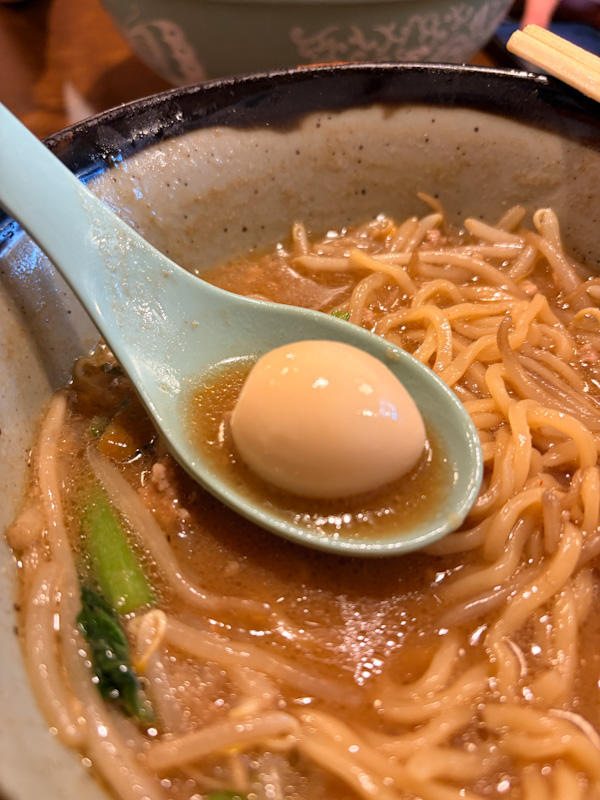
The soup is surprisingly nuanced, moving away from the one-dimensional saltiness often found in lesser miso bases. The head of the broth offers a pleasant, nutty sweetness. As it transitions into the body, one encounters a savory miso profile with a slight, sophisticated pungency that suggests a well-aged ferment. The final notes conclude with a lingering sweetness and a strategic hint of heat that pricks the palate just enough to maintain interest. The interplay of these layers makes for a piquant and intellectually engaging broth.
Meat: 10/20
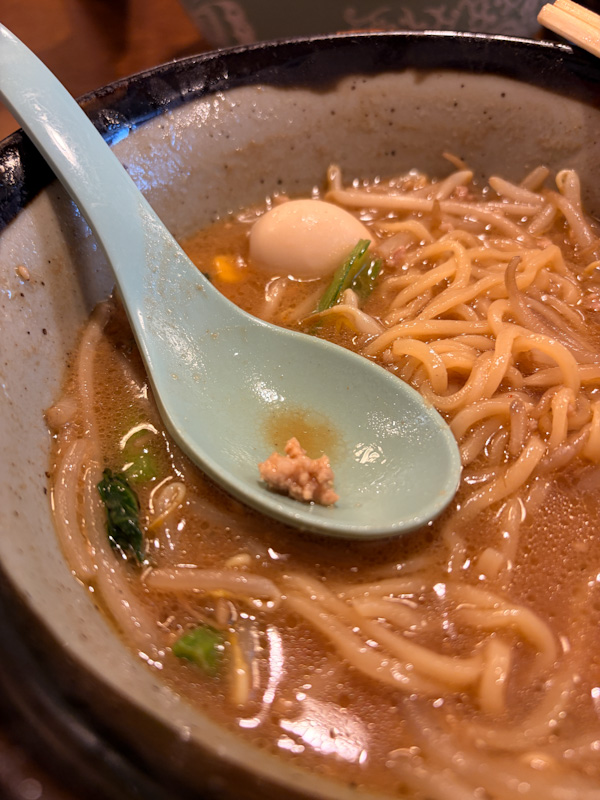
Departing from the traditional thick-cut chashu, the protein here is presented as minced meat incorporated directly into the soup, mirroring the Chanpon style. The morsels are small but well-distributed. In terms of texture, the meat is fluffy yet retains a slight chew. The flavor is clean and balanced, offering a light saltiness and a subtle meaty sweetness that reinforces the savory body of the miso without overwhelming the other delicate vegetable notes.
Other Toppings: 10/10
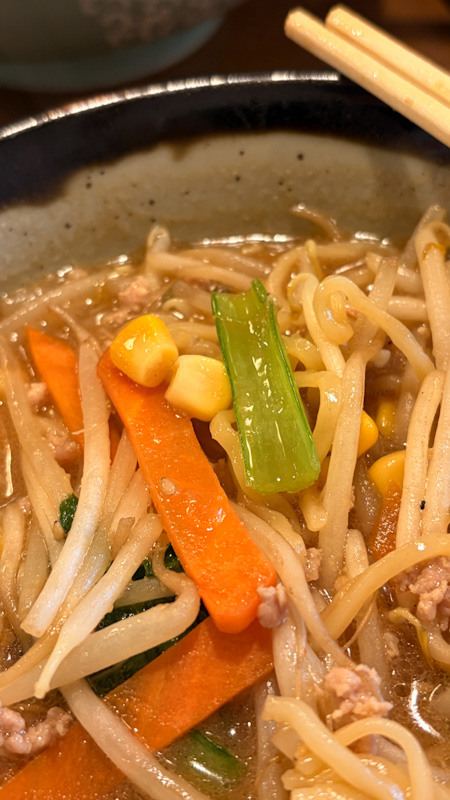
This section is where the Zeitaku philosophy truly manifests. The variety and sheer volume of toppings provides textural contrast.
- The corn delivers bursts of refreshing sweetness, while the negi provides a fresh, crunchy, and slightly fibrous bite.
- A selection of green vegetables introduces a deliberate vegetal bitterness that acts as a necessary foil to the sweeter notes of the soup.
- Finally, the bean sprouts are exceptionally crunchy and juicy, acting as reservoirs of moisture that cleanse the palate between mouthfuls.
Summary:
The Zeitaku Ramen at Fukuraiken is an exercise in curated abundance. While it eschews the singular focus of a hero protein like chashu, it compensates with a symphonic array of toppings and a miso broth of remarkable depth. It is a bowl designed for those who appreciate a lunch that is both physically satiating and technically interesting, proving that “luxury” in the world of ramen is often found in the harmony of many parts rather than the dominance of one.
DISCLAIMER
One man’s meat is another man’s poison.
Find out more about our palettes and how we evaluate our ramen here. 😉