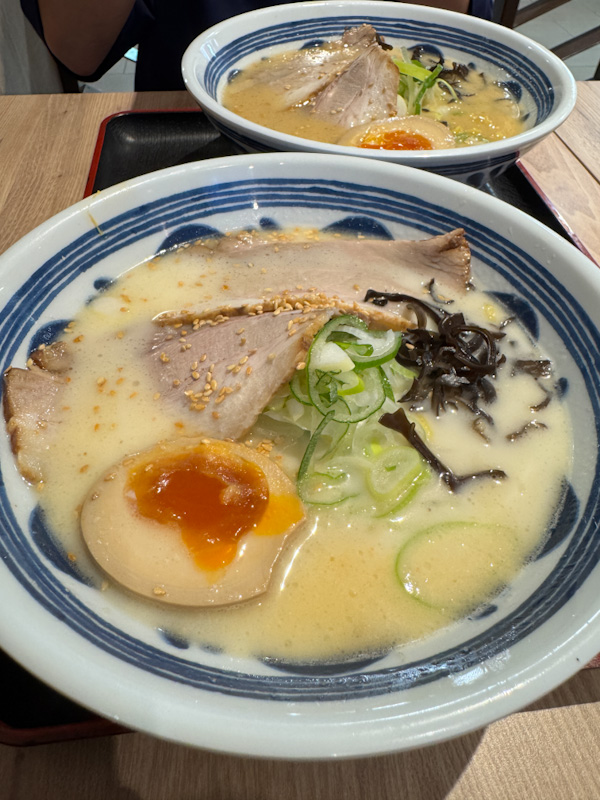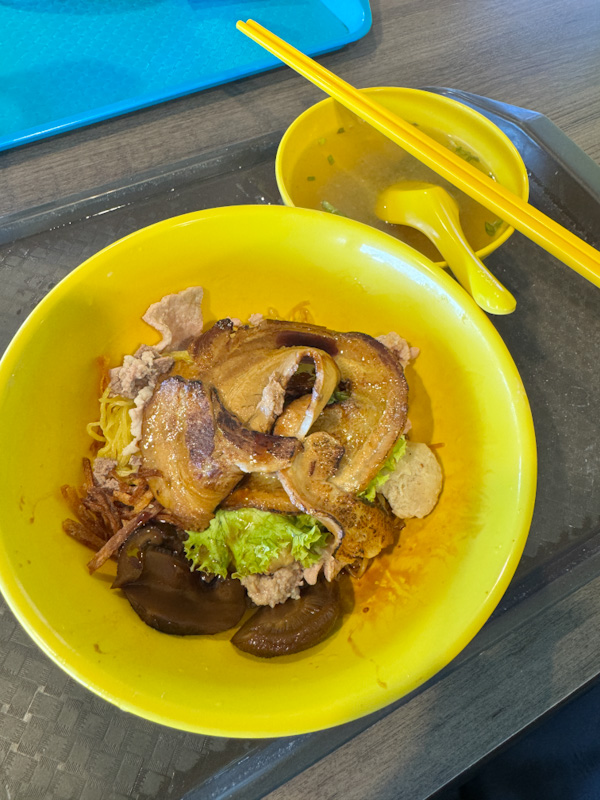
WHAT WE ATE
- Cheese Tomato Ramen, 70/100 (17 Sep 2026, Lau Pa Sat)
- Tori Paitan Ramen, 60/100 (17 Sep 2026, Lau Pa Sat)
- Tonkotsu Ramen, 65/100 (17 Sep 2026, Lau Pa Sat)
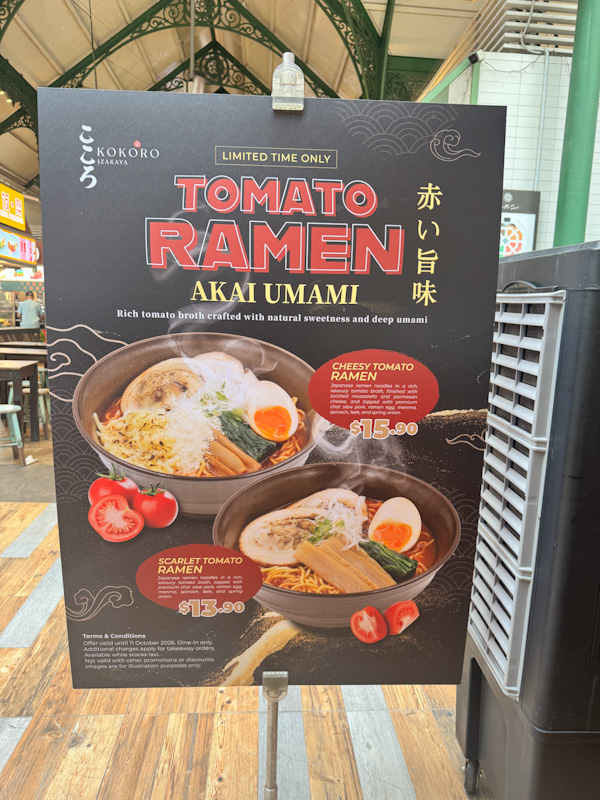
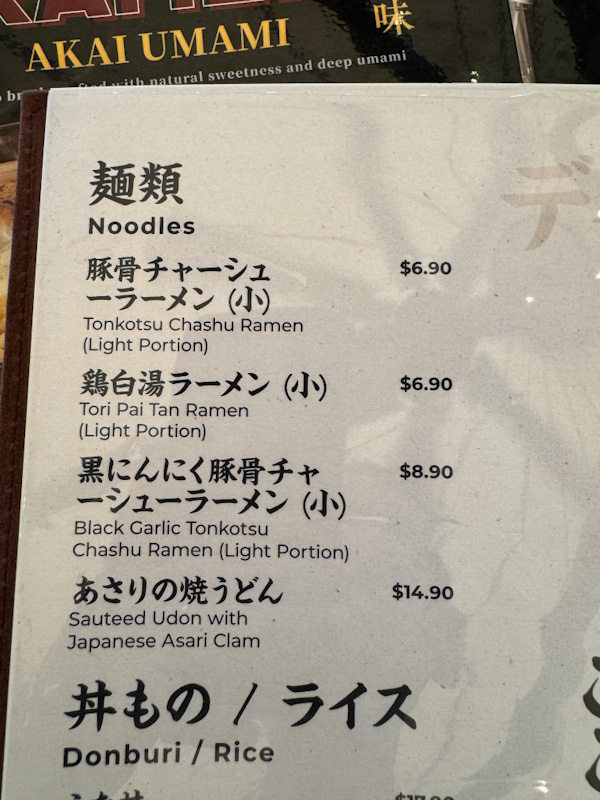
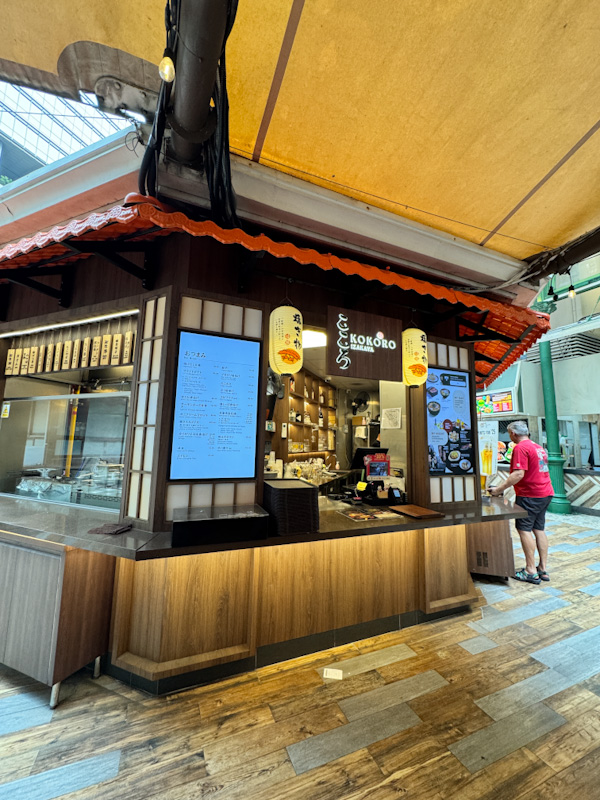
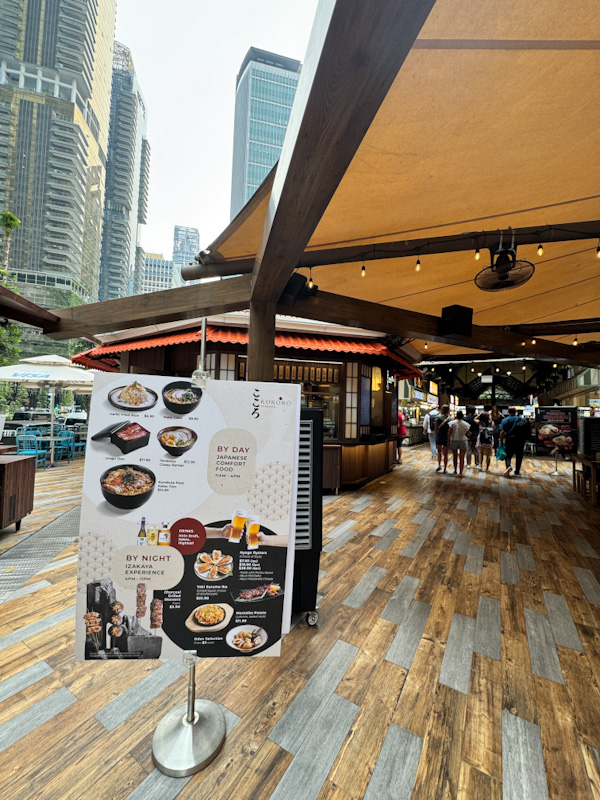
Kokoro Izakaya brings an approachable, late-night Japanese dining experience to the heart of Singapore’s central district. Blending the relaxed atmosphere of a traditional Tokyo izakaya with a focused ramen program, the establishment targets both casual diners seeking small plates and purists hunting for a refined bowl of noodles.
The kitchen emphasizes foundational techniques across its menu, showcasing a balance between rich, heavily extracted broths and clean, tare-driven bowls. Beyond its core ramen selection, the establishment incorporates traditional izakaya elements, pairing charcoal-grilled yakitori and fried age-mono with a curated beverage list.
Positioned as a versatile culinary spot, Kokoro Izakaya maintains a steady focus on texture, temperature, and depth of flavour. Its operational design bridges the gap between a neighborhood drinking den and a dedicated noodle bar, offering a decent option for evening gatherings or solitary late-night dining.
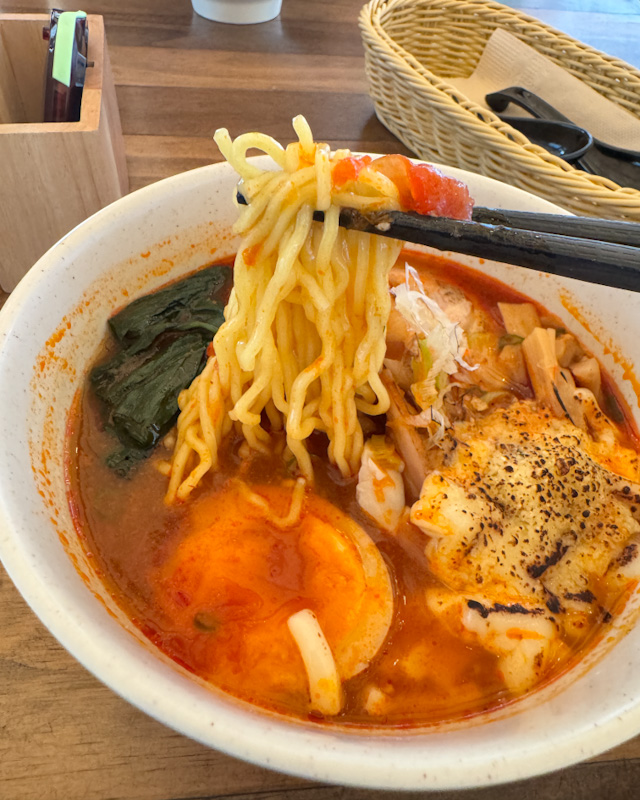
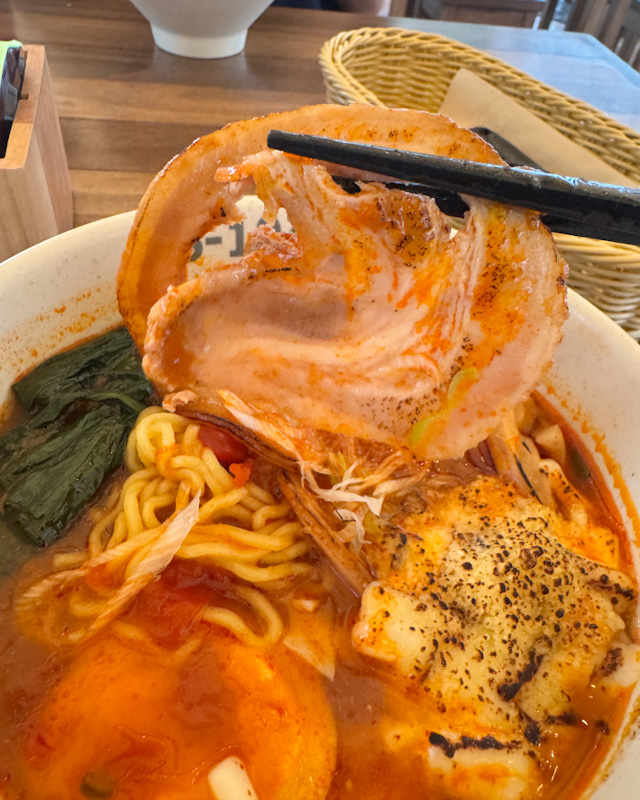
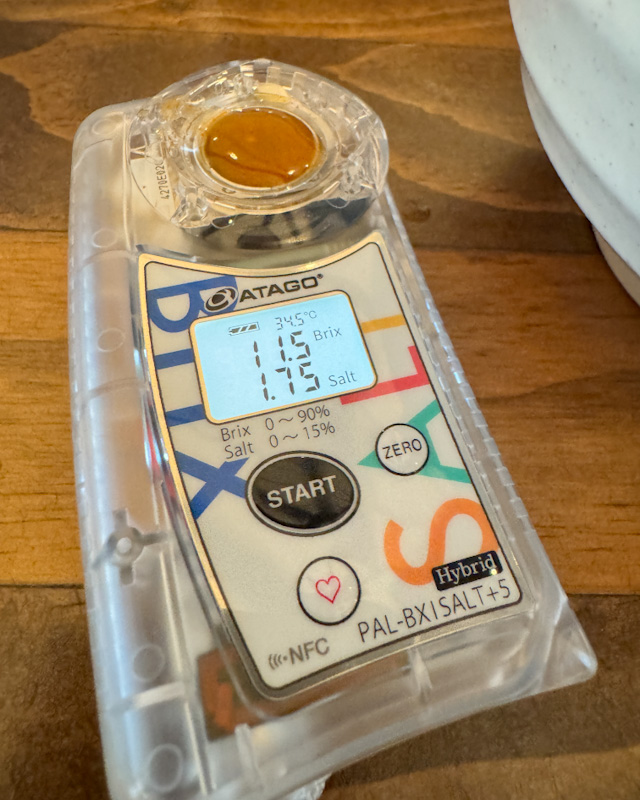
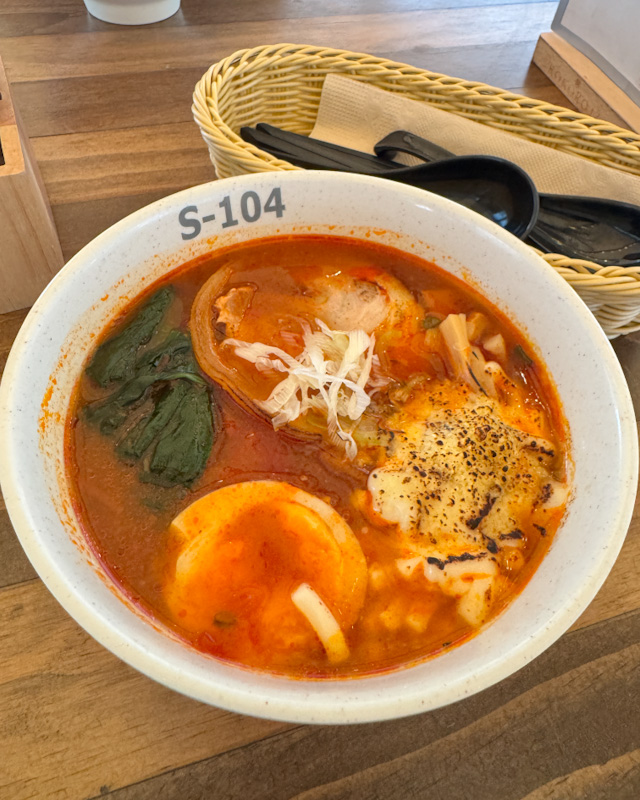
Tomato Cheese Ramen: 70/100
Noodle: 25/35
The noodles feature a medium-thin, curly, and wavy geometry designed to trap the soup. On the bite, they display a firm, springy texture that sits borderline doughy, avoiding an unwanted heavy, clayish territory. The initial mouthfeel carries acceptable elasticity, but structural degradation happens rapidly; the strands absorb liquid at an accelerated rate and become soggy fast. On the palate, a subtle wheat earthiness comes through without any harsh, acrid alkaline interference. While the fundamental taste is decent, the rapid degradation in texture limits the overall execution.
Soup: 30/35
The broth presents an intriguing, layered structure with managed richness and consistency. The head opens with a sharp, fruity-sour tang that immediately wakes the palate. This swiftly expands into a savoury body, delivering mid-palate weight that feels rich without crossing into cloying territory. The tail exits with a lingering sweetness that balances the opening fruitiness. The interplay across the three stages creates an appetizing profile, though the overarching salinity leans slightly heavy on the finish. Consistent with the reading on the refractometer, it shows a rather high soup consistency and richness.
Meat: 5/20
The protein element falls short of expectations. Presented as thin, rolled slices of pork belly, the cut displays a visual balance of lean and fatty sections, but fails in structural rendering. The texture is excessively chewy and borderline rubbery; the lean sections border on dry while the fat resists a clean bite. Flavour-wise, the seasoning yields a sweet and savoury profile with an aggressive, smoky wok-hei that oddly mirrors Chinese sausage. It is a dominant, uncalibrated taste profile that feels disconnected from the rest of the bowl.
Other Toppings: 10/10
- The marinated egg is flawlessly executed, delivering a soft, custard-like yolk texture.
- Fresh spinach acts as an ideal vehicle, absorbing the sour tang of the tomato soup while adding a complementary vegetal note.
- Bamboo shoots are juicy, structurally tender without excess fiber, and carry a controlled, pleasant pungency.
- Shredded cheese provides an initial dairy richness, though it loses thermal elasticity and clumps up quickly as the broth cools.
Summary
The bowl offers a well-layered tomato soup base and pristine secondary toppings, but suffers from rapidly softening noodles and an awkwardly seasoned, overly chewy chashu.
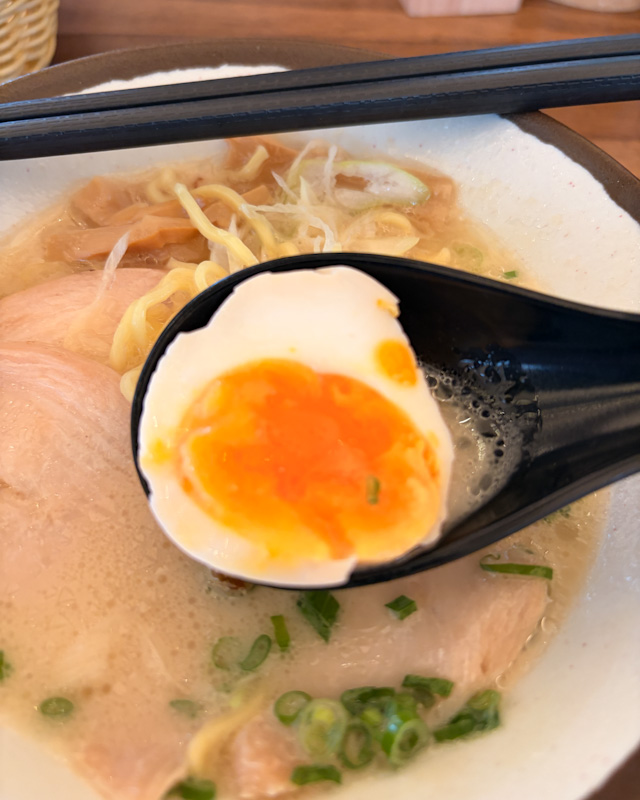
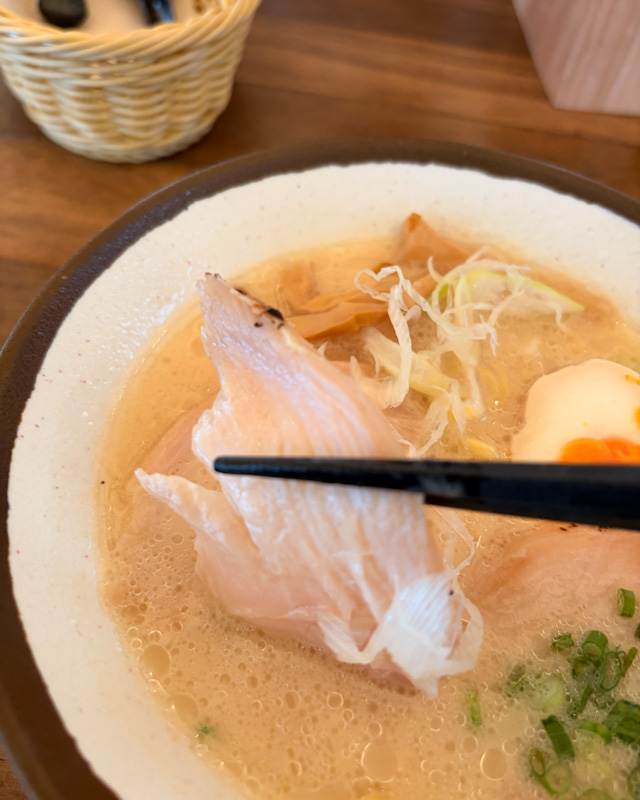
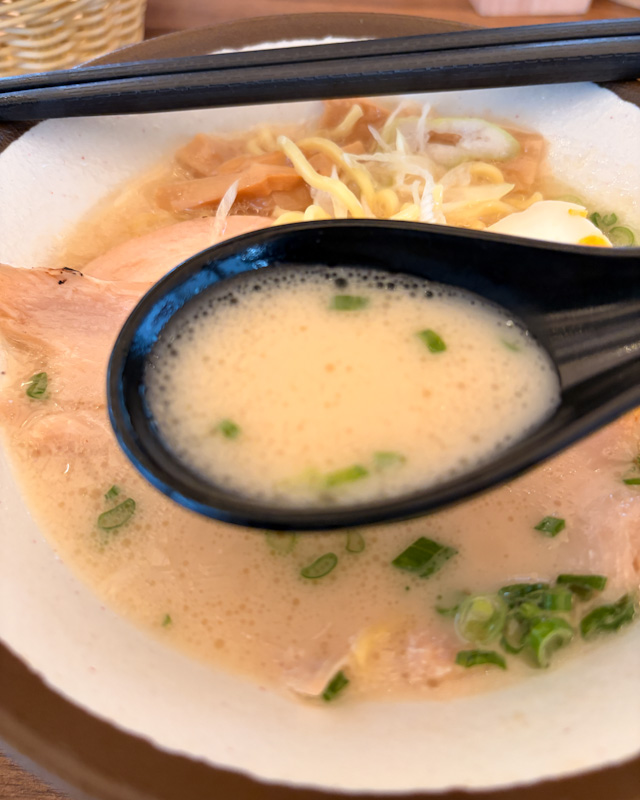
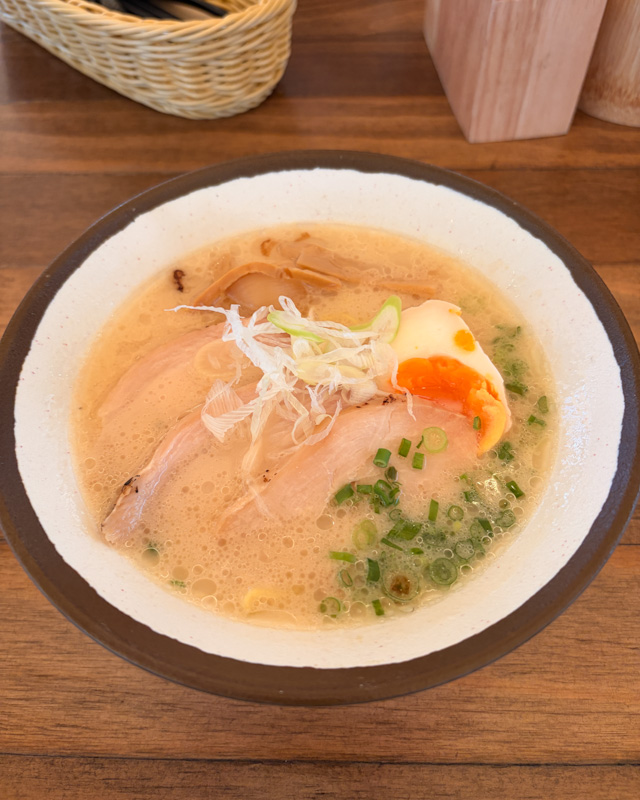
Tori Paitan Ramen: 60/100
Noodle: 25/35
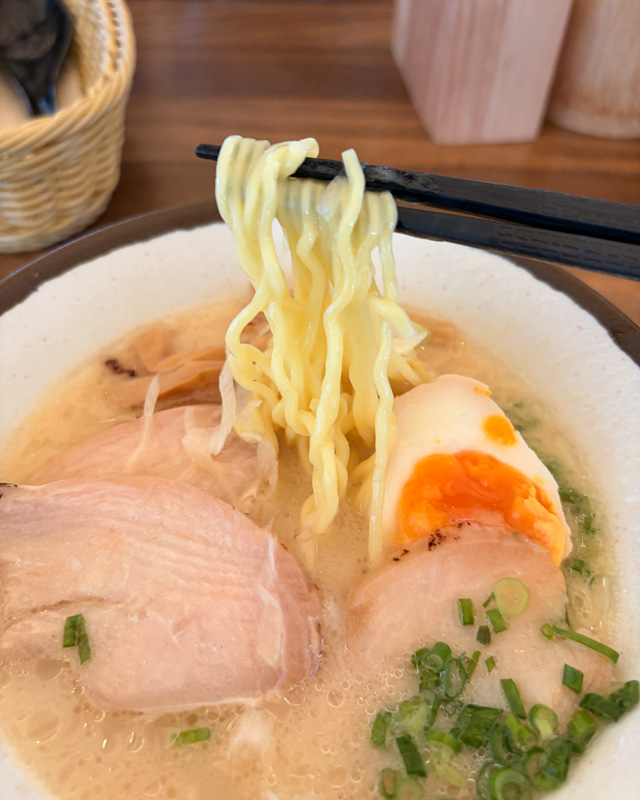
The noodles utilize a medium-thin, curly, and wavy geometry built to carry liquid. On the bite, they offer an initial firm, springy resistance that borders on a doughy density, though avoiding an outright heavy, clayish texture. The mouthfeel carries decent elasticity at first, but structural breakdown occurs rapidly; the strands absorb liquid quickly and become soggy in short order. Flavor-wise, a subtle wheat earthiness leads the profile without any acrid alkaline interference. The baseline flavor is acceptable, but the fast degradation in texture holds the component back.
Soup: 25/35
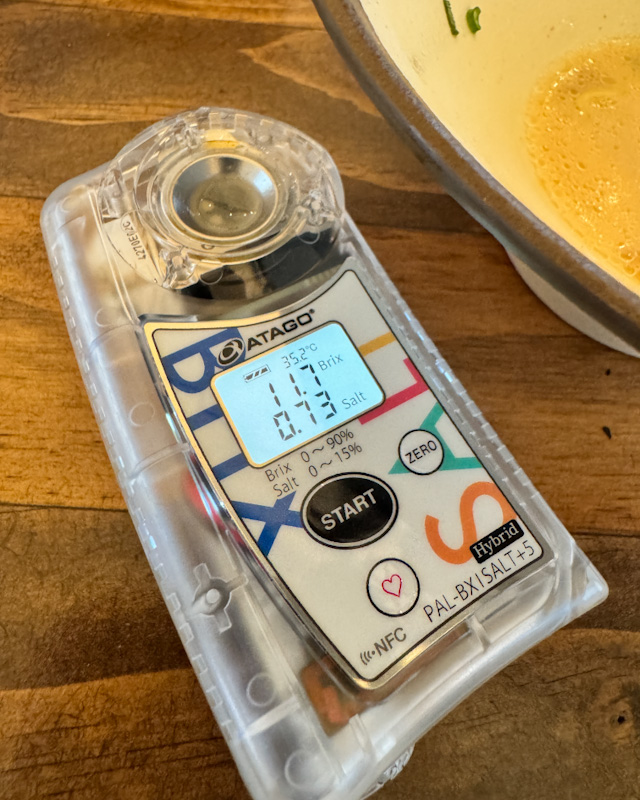
The chicken broth reveals a distinct multi-stage progression. The head opens with an immediate savoury, creamy quality paired with a gentle, milky sweetness. This initial richness transitions quickly into the body, where a brief but bright peppery note emerges to cut through the fat and provide mid-palate structure. As the sip settles, the tail finishes with a lingering sweetness that softens the spice. The soup demonstrates surprising depth across its layers, though the initial creamy impact gives way to the peppery notes faster than expected. The refractometer reading here was quite inaccurate, rotating between 30 and 11.7 brix so I took the latter. This is likely due to the high oil content and dissolved solids in the soup.
Meat: 5/20
The primary protein element severely penalizes the overall bowl. Presented as very thin slices of rolled pork belly, the cut displays an even distribution of lean and fatty sections, but fails completely in its structural execution. The texture is aggressively chewy and borderline rubbery; the lean sections sit on the edge of dryness while the rendered fats resist a clean tear. Flavour-wise, the seasoning yields a sweet and savoury profile marked by intense wok-hei that mimics Chinese sausage. It is an uncalibrated, dominant taste profile that feels completely out of place in a Tori Paitan bowl.
Other Toppings: 5/10
- Fresh negi provides a clean, crunchy, and piquant bite to cut through the broth.
- Shiranegi adds an extra layer of juicy freshness and sharp vegetal contrast.
- Bamboo shoots are juicy and structurally tender without excess fiber, delivering a light, controlled pungency.
- The marinated egg is flawlessly executed with a perfect yolk texture; its marination is well-balanced, avoiding excessive sweetness or raw mirin residue.
Summary
While the bowl delivers a decently layered, peppery chicken broth and pristine secondary toppings, its overall score is heavily dragged down by fast-softening noodles and a severely mismatched, rubbery chashu.
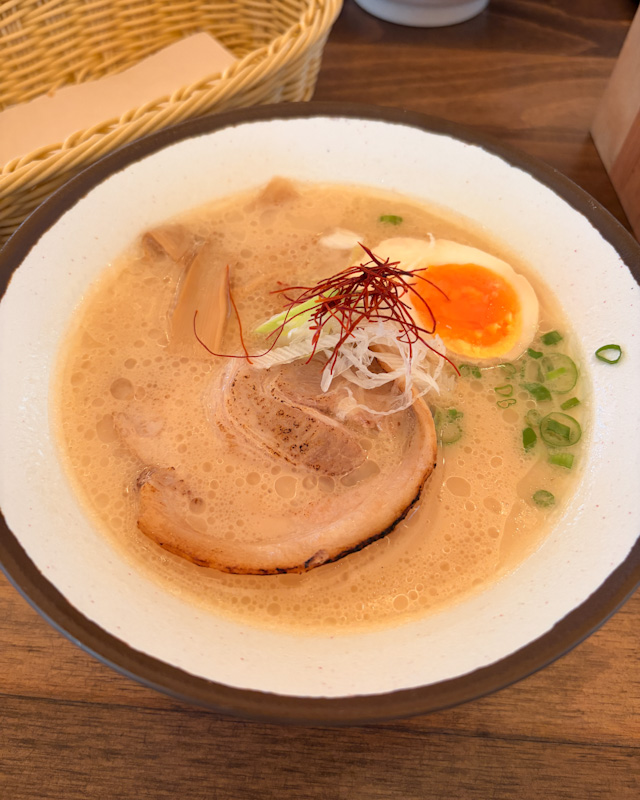
Tonkotsu Ramen: 65/100
Noodle: 25/35
The strands utilize a medium-thin, curly, and wavy geometry intended to carry liquid. On the bite, they deliver an initial firm, springy resistance that sits borderline doughy, though avoiding an outright heavy, clayish density. While the mouthfeel carries decent elasticity at first, structural breakdown occurs rapidly; the strands absorb liquid quickly and become soggy in short order. Flavor-wise, a subtle wheat earthiness leads the profile without any acrid alkaline interference. The baseline taste is acceptable, but the fast degradation in texture holds the component back.
Soup: 25/35
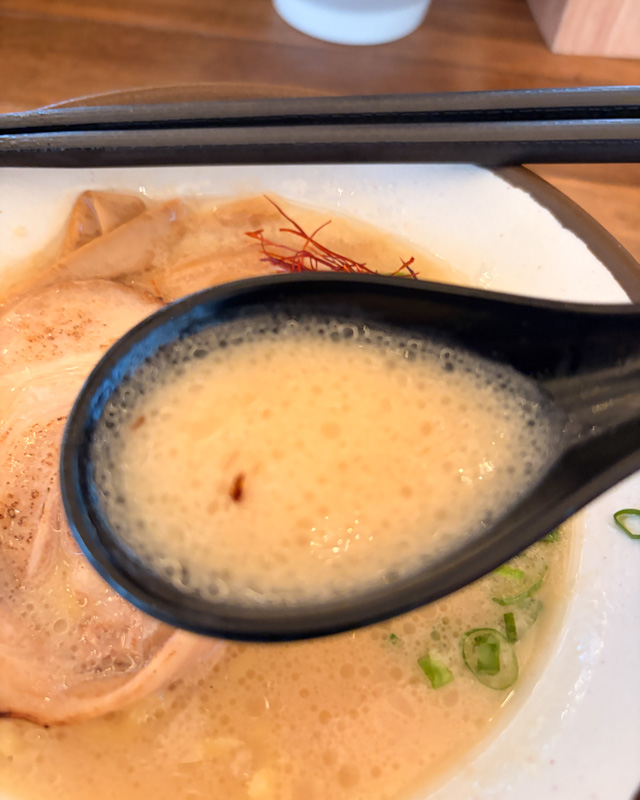
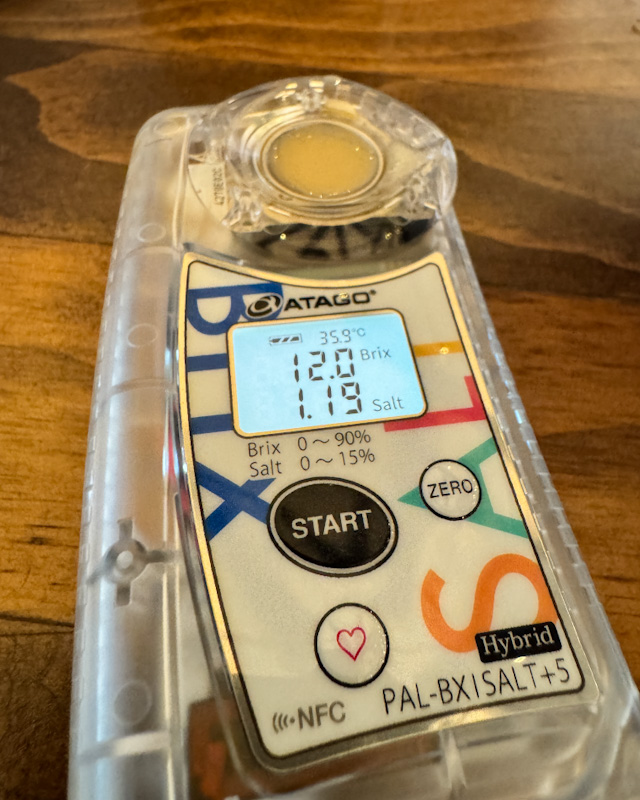
The pork bone broth displays a distinct multi-stage progression with notable depth. The head opens with a savoury, milky profile carrying a pronounced, animalistic meatiness. This transitions into the body with a savoury, peppery kick, though significantly more restrained than in the Tori Paitan iteration. As the sip settles, the tail reveals a subtle sweetness accompanied by a rich, sticky lip feel that lingers on the palate. While the layers feature a subtle peppery note, the true highlight is the slow-building, lingering heat provided by the shira angel hair chili, which weaves through the creamy, savoury base without overwhelming the underlying meatiness. The refractometer reading is also solid here, hitting the standard Tonkotsu level.
Meat: 5/20
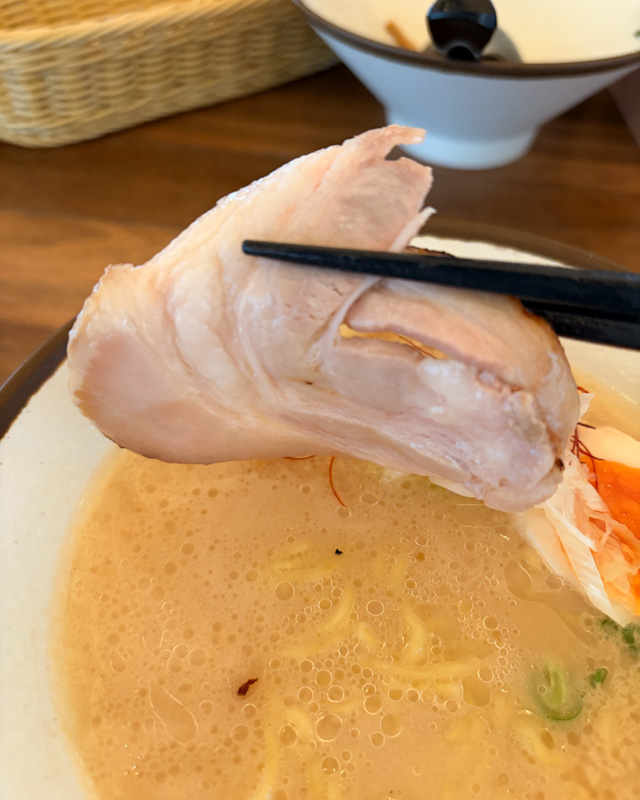
The primary protein element severely penalizes the overall bowl. Presented as very thin slices of rolled pork belly, the cut displays an even distribution of lean and fatty sections, but fails completely in its structural execution. The texture is aggressively chewy and borderline rubbery; the lean sections sit on the edge of dryness while the rendered fats resist a clean tear. Flavour-wise, the seasoning yields a sweet and savoury profile marked by intense wok-hei that mimics Chinese sausage. It is an uncalibrated, dominant taste profile that feels completely out of place in a classic Tonkotsu bowl.
Other Toppings: 10/10
- Fresh negi provides a clean, crunchy bite to cut through the broth.
- Togarashi adds a sharp, notable kick that punches through the dense pork fat.
- Bamboo shoots are juicy and structurally tender without excess fiber, delivering a light, controlled pungency.
- The marinated egg is flawlessly executed with a perfect yolk texture; its marination is well-balanced, avoiding excessive sweetness or raw mirin residue.
Summary
While the bowl delivers a rich, sticky tonkotsu broth with a pleasant chili warmth and pristine secondary toppings, its overall score is heavily dragged down by fast-softening noodles and a severely mismatched, rubbery chashu.
DISCLAIMER
One man’s meat is another man’s poison.
Find out more about our palettes and how we evaluate our ramen here. 😉