Overseas

The best ramen in the world

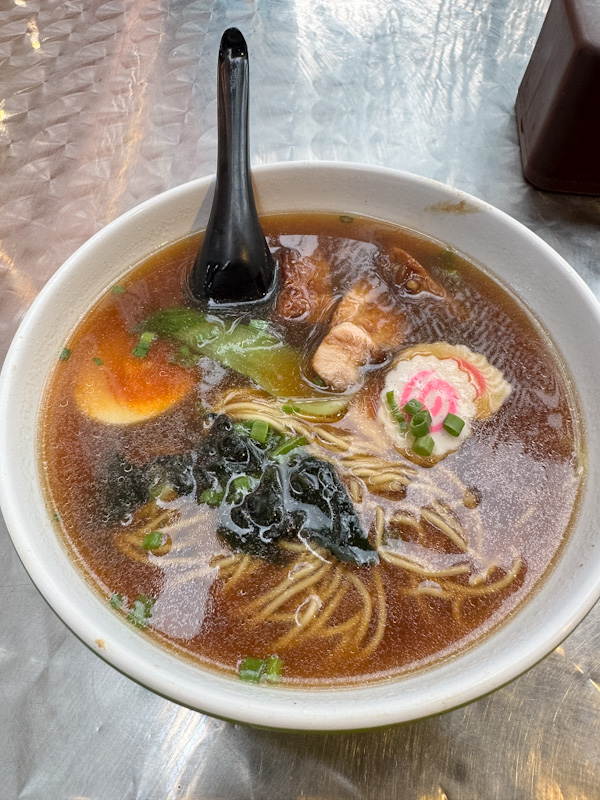
Two Old Man Ramen | Kuala Lumpur, Malaysia | 65/100

Tucked along Kasturi Walk right beside Central Market in Kuala Lumpur, Two Old Man Ramen brings the traditional Japanese yatai (street stall) concept directly into the heart of the city’s heritage district. Operating strictly in the evenings as the sun sets and LRT trains pass overhead, the open-air setup offers a compact counter-seating layout that mirrors the atmospheric roadside stalls of Fukuoka.

Two Old Man Ramen | Kuala Lumpur, Malaysia | 65/100 Read Post »

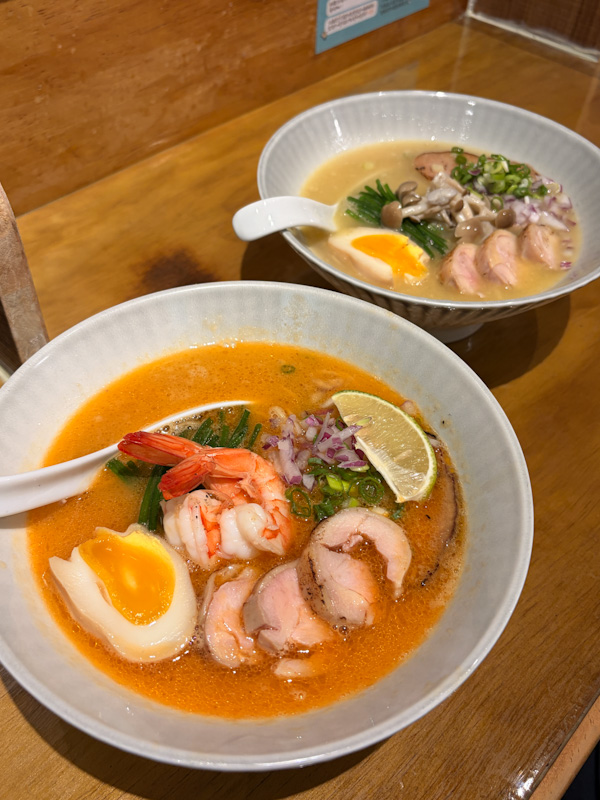
Raijin Ramen at REXKL | Kuala Lumpur, Malaysia | 85/100

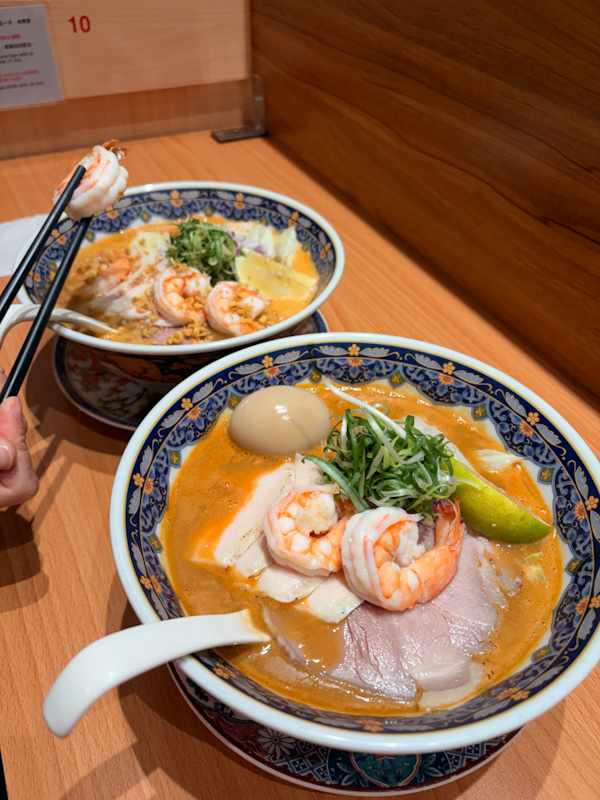
For those exploring the Chinatown KL food scene, Raijin offers a unique intersection where traditional Hakata-style techniques meet the grit of an urban heritage hub. The stall features a minimalist, light-wood counter seating arrangement that allows diners to witness the meticulous preparation of their bowls, creating an intimate connection between the chef and the community.

Raijin Ramen at REXKL | Kuala Lumpur, Malaysia | 85/100 Read Post »

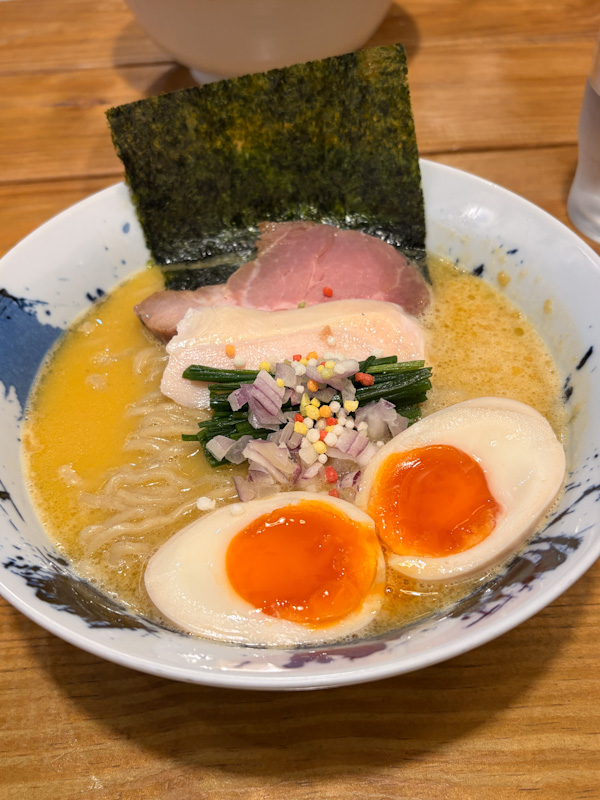
Naritasan Ramen Street 成田山らーめんストリート | Narita, Japan | 80/100

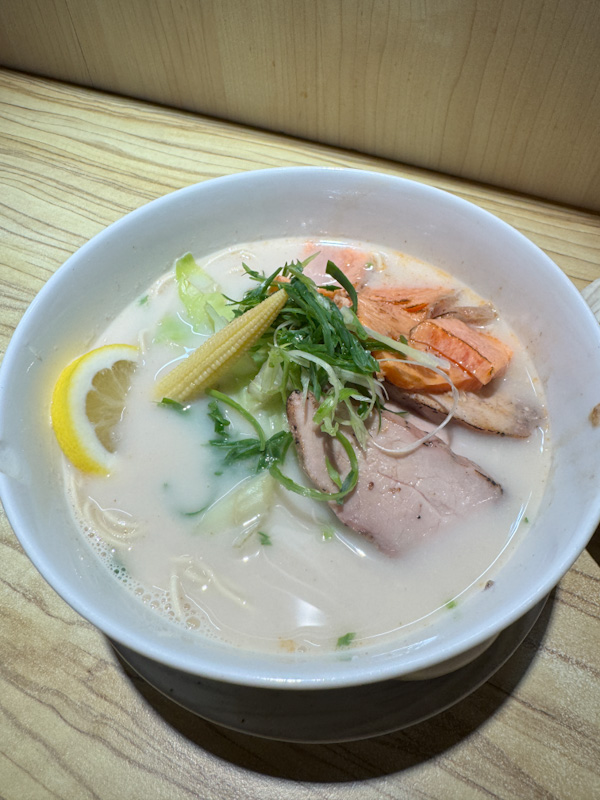
Just a stone’s throw from the JR Narita Station, tucked within the basement of the Skytown Narita building, lies Naritasan Ramen Street (成田山らーめんストリート). While the nearby Omotesando is world-renowned for its traditional eel (unagi) houses, this specialized enclave offers a modern, high-concept alternative for those looking to explore Japan’s noodle heritage before or after a visit to the Naritasan Shinshoji Temple. It isn’t just a collection of shops; it is a curated gastronomic hub designed with a “U-shaped” shared seating layout that encourages a communal yet focused tasting experience.

Naritasan Ramen Street 成田山らーめんストリート | Narita, Japan | 80/100 Read Post »

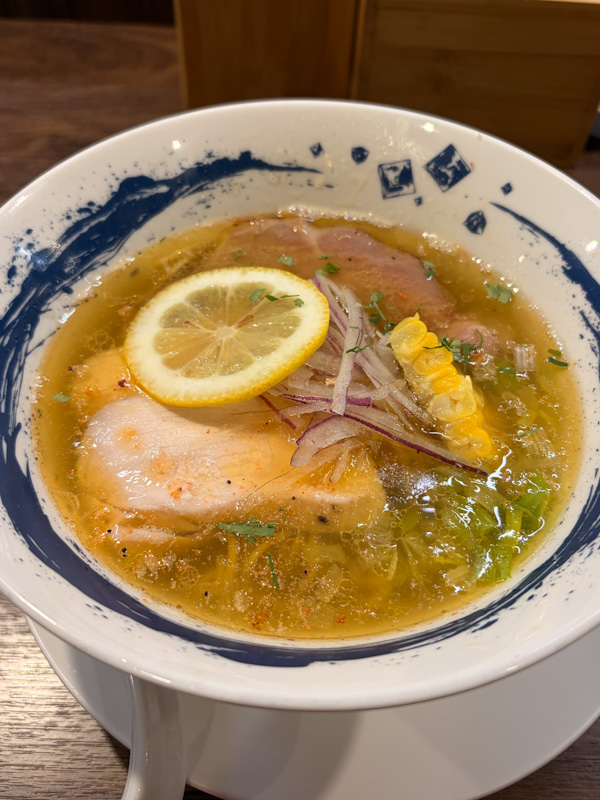
Kimagure きまぐれ | Katori, Japan | 65/100

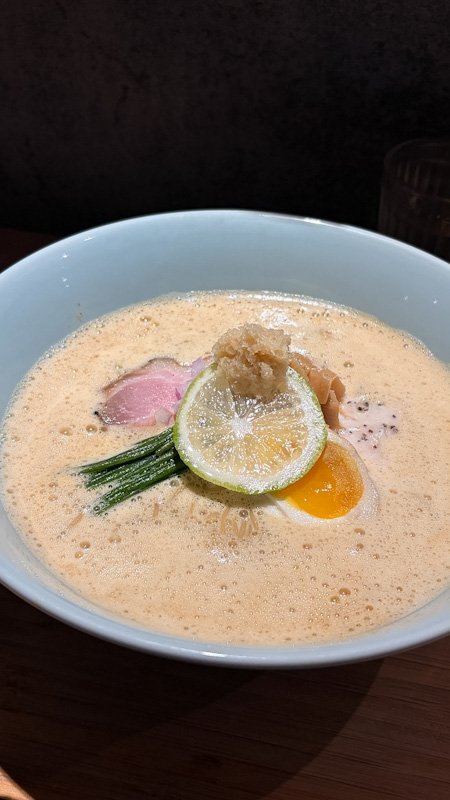
As I navigated the historic merchant streets of Sawara, my curiosity led me to Kimagure, an izakaya that distinguishes itself with a surprisingly robust selection of ramen. In a district defined by its Edo-period preservation, finding an establishment that balances the social atmosphere of a tavern with a serious dedication to noodle craft is a noteworthy discovery. For this session, I opted for the Agodashi Ramen and Tontori Paitan to see how the kitchen handles the delicate, nuanced profile of these two drastically different ramen.

Kimagure きまぐれ | Katori, Japan | 65/100 Read Post »

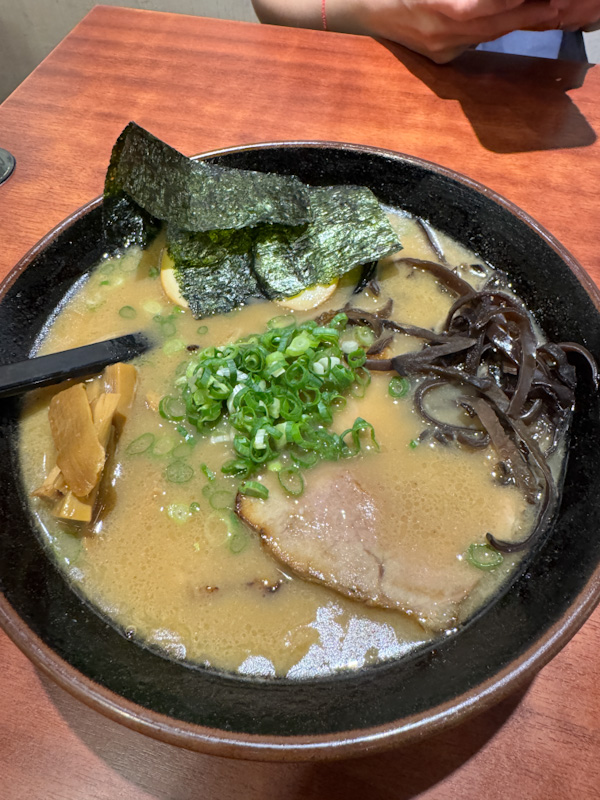
Machida Shoten | HCMC, Vietnam | 60/100

Since its founding in Japan in 2008, Machida Shoten has been on a clear mission: bring the distinctive Yokohama-style ramen tradition — a hybrid of robust pork bone depth and soy-sauce clarity — far beyond its Japanese roots and into the hands of ramen lovers around the world. What sets Machida Shoten apart in the crowded world of noodle shops is its commitment to a specific lineage of ramen known as Iekei

Machida Shoten | HCMC, Vietnam | 60/100 Read Post »

10 CKT in 10 Days: Ah Boy’s Side Quest in Penang

When a Penang trip came up, this side quest felt inevitable. Not a single “best char kway teow” hunt, but a cross-section. Street carts, coffee shops, food courts, neighbourhood markets, and stalls with decades of reputation attached to them. The goal wasn’t to crown a winner on paper, but to eat enough bowls back-to-back to understand the range. What changes. What stays stubbornly the same. And where Penang char kway teow quietly draws the line between identity and adaptation.

10 CKT in 10 Days: Ah Boy’s Side Quest in Penang Read Post »

Scroll to Top