WHAT WE ATE
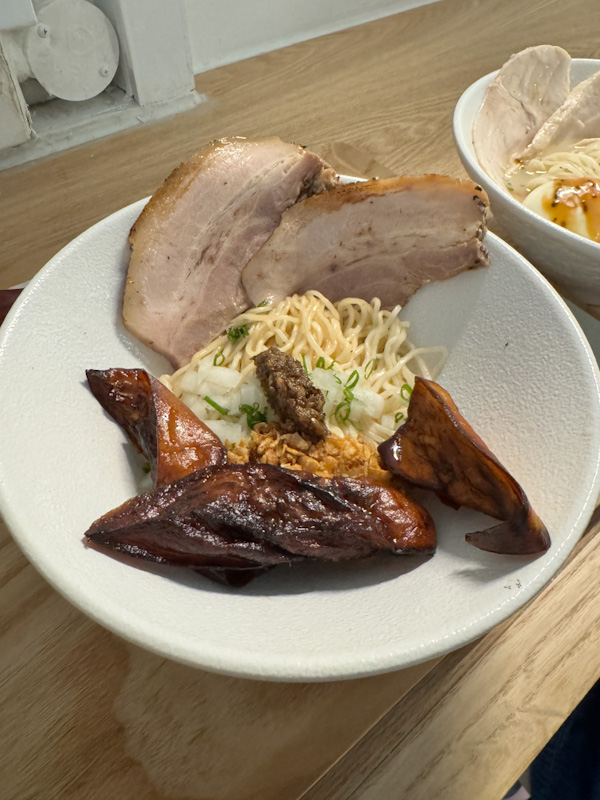
- Mizuno Kombu Sui Tsukemen – 80/100, Narita, 10 April 2026
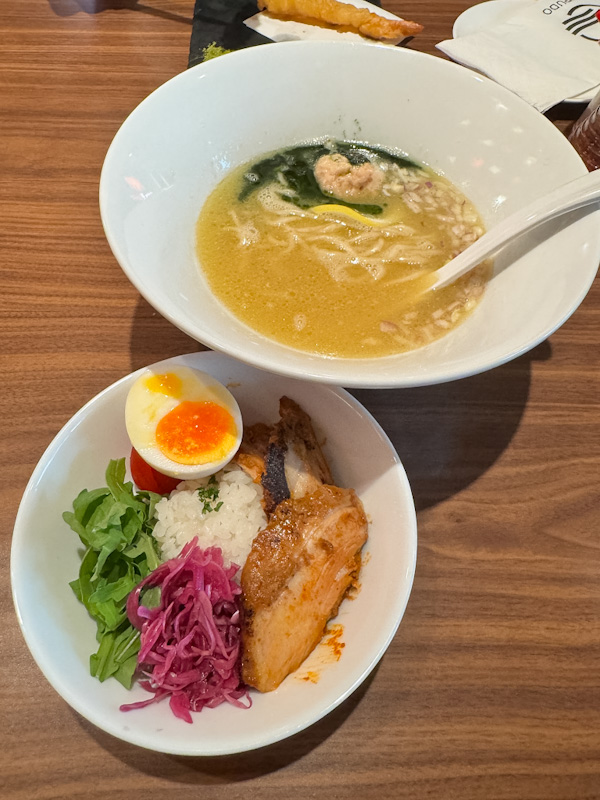
- Yoshinori Ebi Miso Ramen – 75/100, Narita, 10 April 2026
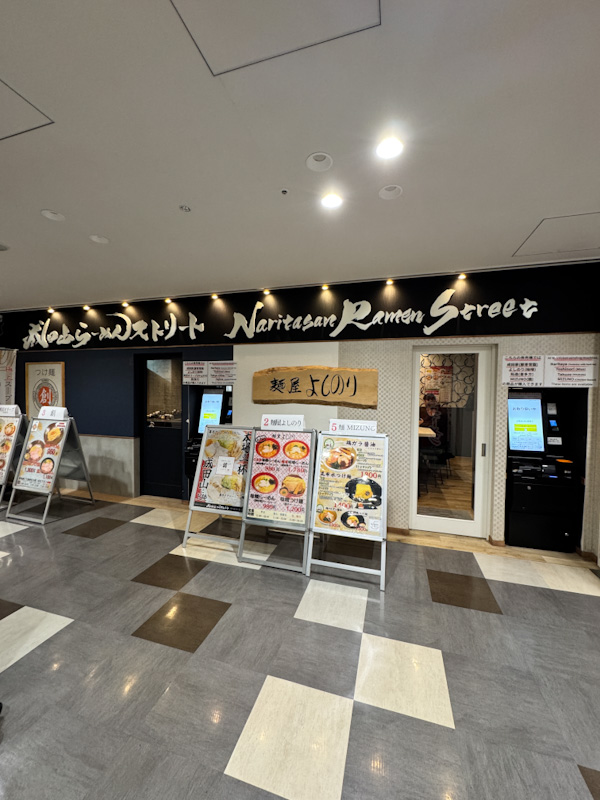
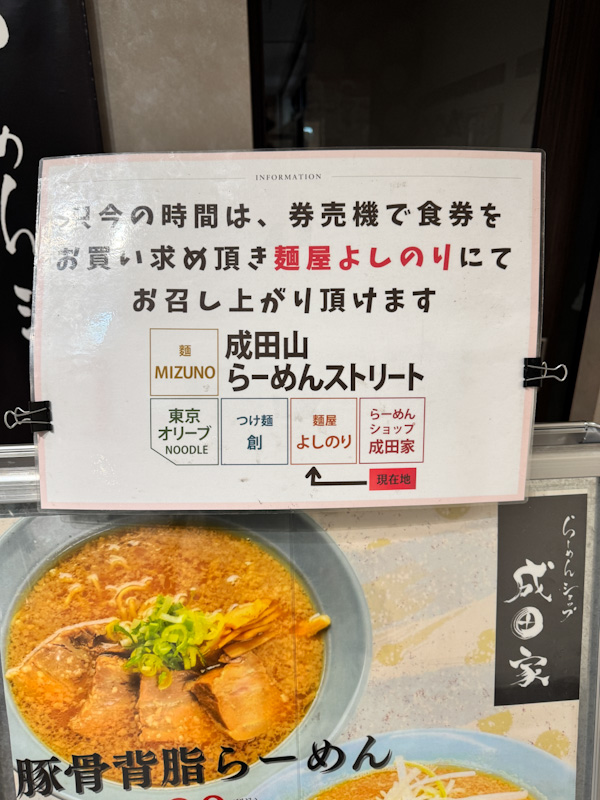
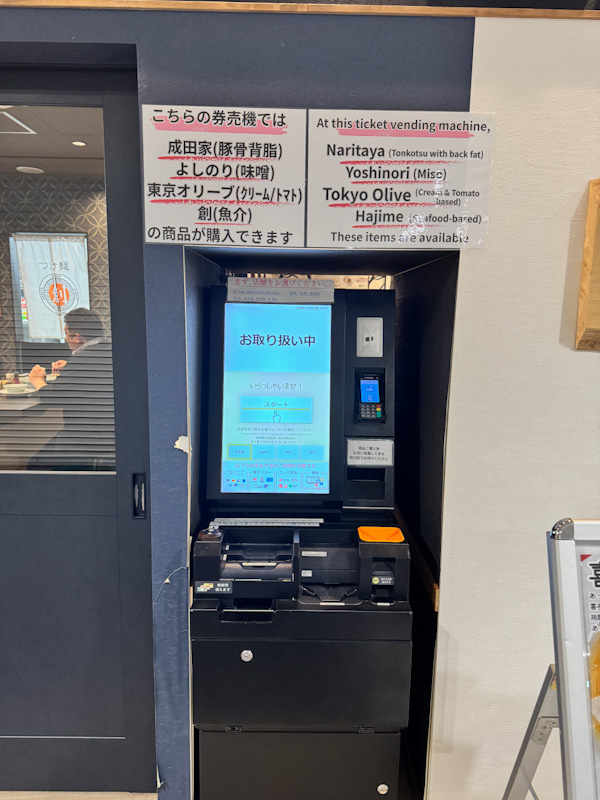
Just a stone’s throw from the JR Narita Station, tucked within the basement of the Skytown Narita building, lies Naritasan Ramen Street (成田山らーめんストリート). While the nearby Omotesando is world-renowned for its traditional eel (unagi) houses, this specialized enclave offers a modern, high-concept alternative for those looking to explore Japan’s noodle heritage before or after a visit to the Naritasan Shinshoji Temple. It isn’t just a collection of shops; it is a curated gastronomic hub designed with a “U-shaped” shared seating layout that encourages a communal yet focused tasting experience.
What Makes This Street Notable?
For the technically minded diner, the brilliance of Naritasan Ramen Street lies in its diversity and inclusivity, acting as a microcosm of Chiba’s evolving food scene. The unique “all-in-one” ordering system is a significant draw for ramen lovers. It allows guests to select from over a dozen varieties across different “chains / stalls”, making it an ideal laboratory for those wishing to study the interplay between diverse broth bases and noodle textures in a single session.
The location features several distinct “kitchens”, each specializing in a different architectural style of ramen. This variety allows for a direct comparison between various regional profiles—from the heavy, back-fat density of pork-bone broths to the lighter, cleaner extractions of chicken and seafood dashi—all without leaving the store.
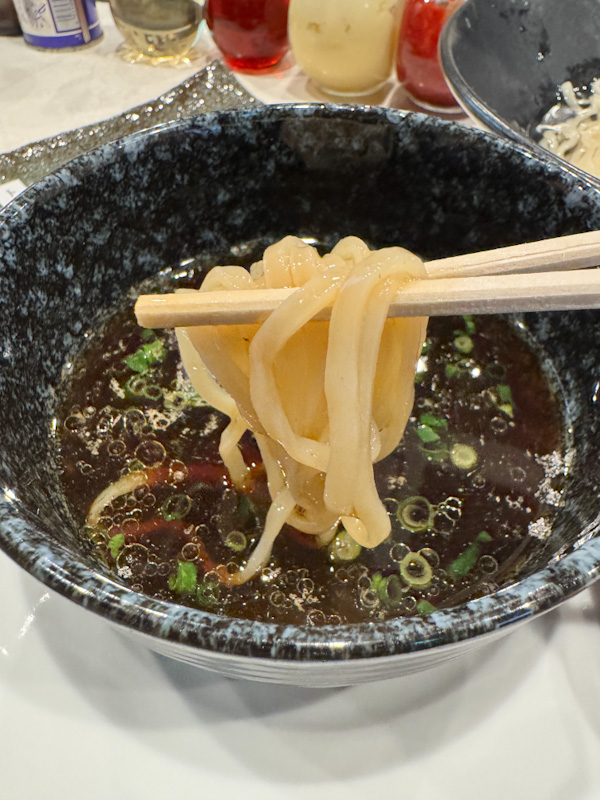
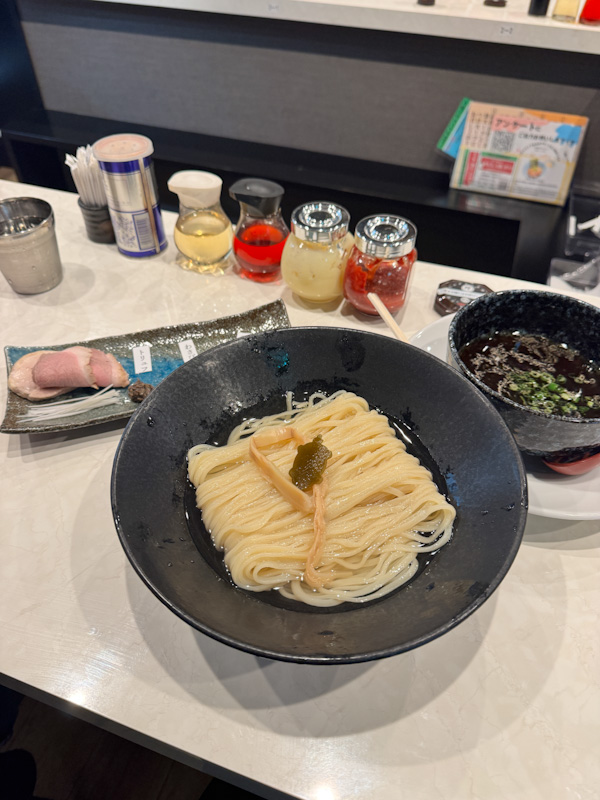
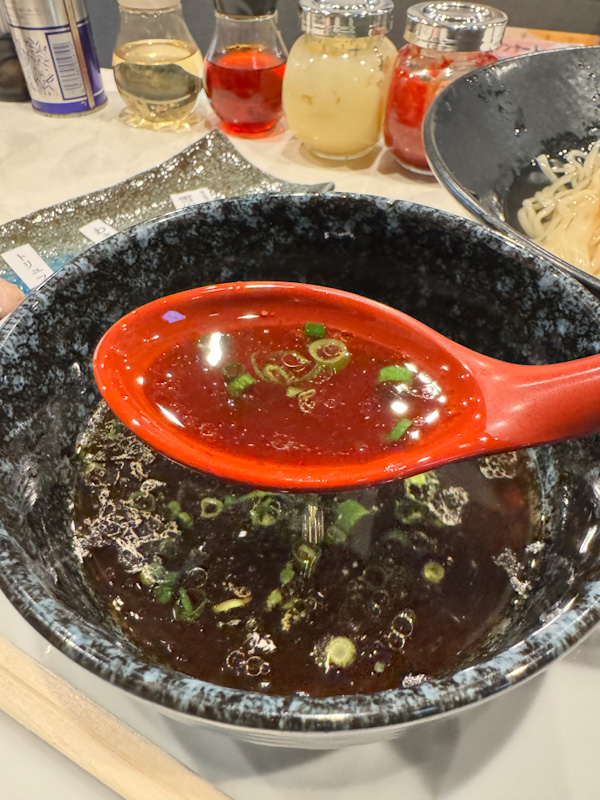
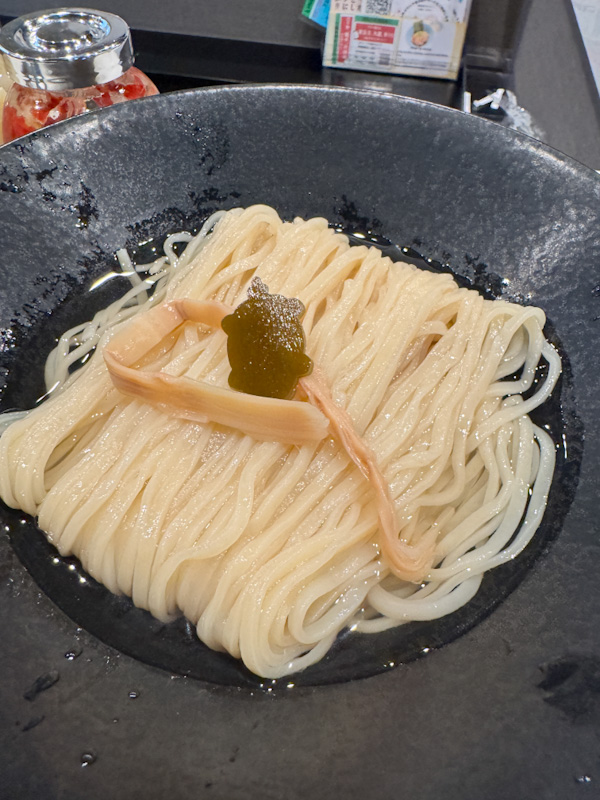
Mizuno Kombu Sui Tsukemen: 80/100
Noodle: 30/35
The noodles are a thick, squarish cut with an impressive structural profile. The texture is characterized by a firm, chewy core and a distinct mochi-mochi elasticity. Because they are served in kelp water, the mouthfeel is notably slippery, almost slimy, which acts as a delivery mechanism for the grain. While the wheat taste is prominent, there is a subtle, flat bitterness that persists.
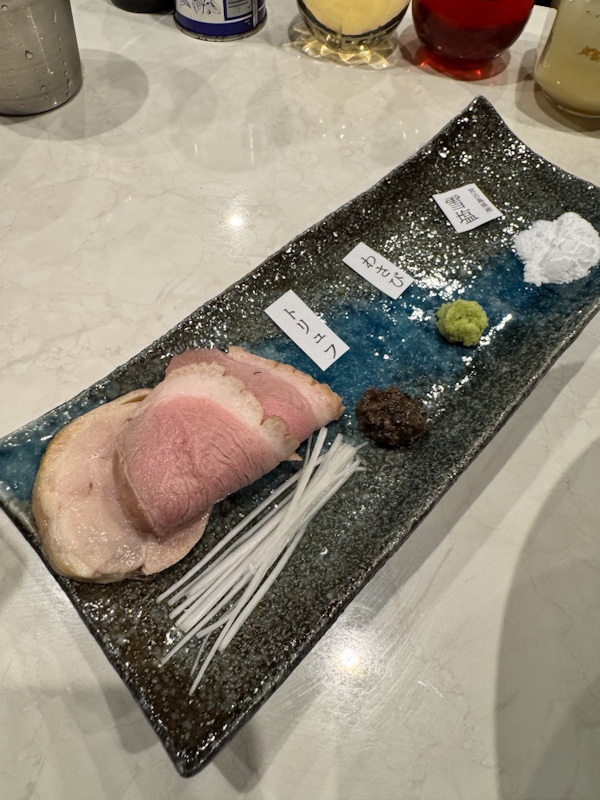
The experience evolves through the provided condiments. Sampling the noodle with the Yukishio (snow salt) accentuates the marine notes of the kelp but also amplifies the latent alkaline bitterness. The addition of wasabi pivots the profile toward a traditional soba-like aesthetic. However, the intervention of the truffle paste is where the dish finds its zenith; it introduces a woodsy, aromatic, and savory porcini-like umami that rounds out the grain’s profile.
I had lots of fun eating and experimenting as you can see below.
- Noodle + yukishio = accentuate the kelp taste but also the alkalinity of the noodles
- Noodle + wasabi = overpowering
- Noodle + truffle = woodsy, aromatic, porcini savoury umami
- Noodles + soup + yukishio = too salty
- Noodles + soup + wasabi = taste like soba
- Noodles + soup + truffle = best
Soup: 25/35
The dipping soup presents as a deceptive clear broth that belies its internal complexity. The head of the experience is defined by the immediate, aromatic hit of high-quality sesame oil. Moving into the body, the broth reveals a salty, savory depth rich with umami, suggesting a well-calibrated extraction. The final notes conclude with a gentle sweetness derived from the kelp and shoyu. The interplay here is sophisticated, though one must be careful with the salt; combining the salted noodles with the already savory soup can push the salinity beyond the point of balance. The most successful layering occurred when the truffle-augmented noodles met the broth, creating a cohesive, multifaceted flavor profile.
Meat: 15/20
The protein component features a dual-animal approach.
First is a medium-thick slice of sous-vide pork loin. The texture is fluffy yet slightly chewy and remarkably juicy. The fat layer possesses a jelly-like consistency that is paradoxically resistant to the bite. It carries a pleasant, natural gaminess and a clean pork sweetness with minimal marination.
The second element is a rolled chicken chashu. The collagen-rich skin is silky and soft, reminiscent of a delicate jelly. The mouthfeel is superior: chewy, juicy, and springy. The light savory marinade ensures the chicken’s inherent umami remains the focal point, providing a lean, clean contrast to the richer pork.
Other Toppings: 10/10
The secondary components are executed with a high degree of intentionality.
- The bamboo shoots are soft, tender, and juicy, offering a pungent savoriness balanced by a fruity sweetness.
- The shiranegi adds a necessary crispness.
However, the true “toppings” here are the three condiments: truffle paste, wasabi, and Yukishio. Their impact is so transformative that they effectively disrupt the standard scoring framework. Each condiment dictates a new direction for the dish, turning a single bowl of noodles into an educational exploration of flavor modulation.
Summary
The Kombu Sui Tsukemen at Men Mizuno is a technical achievement in versatility. While the base components are strong, the dish relies on the diner’s willingness to experiment with the provided tools. The truffle paste is the clear hero here, successfully mitigating the slight alkaline bitterness of the noodles and bridging the gap between the kelp water and the savory dipping broth. It is a piquant and intellectually stimulating meal that rewards a slow and deliberate pace.
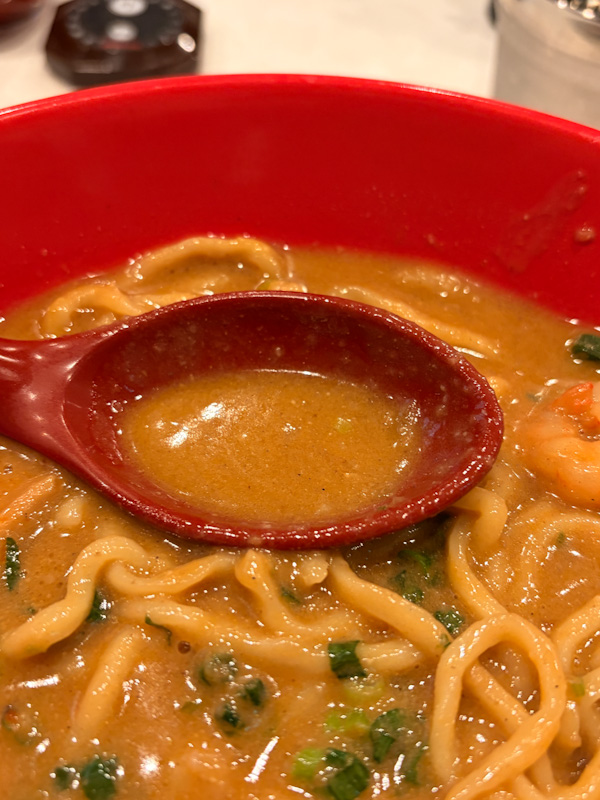
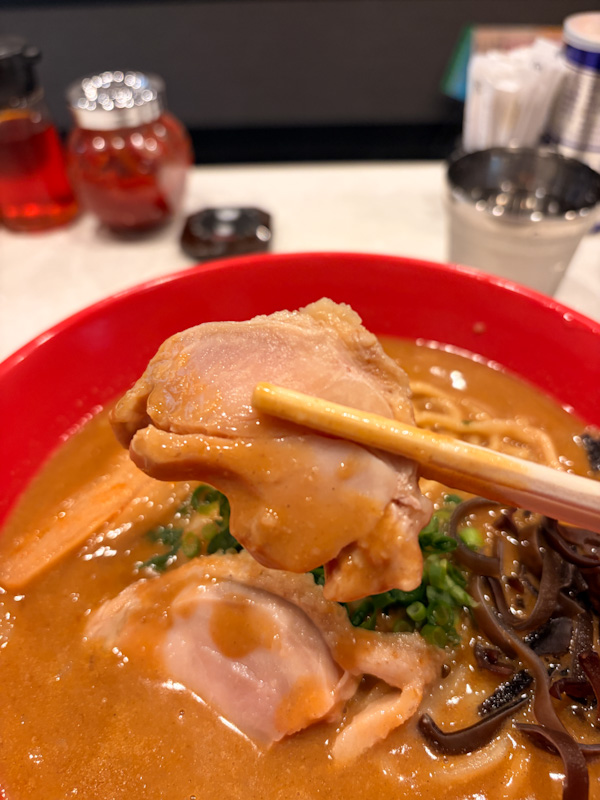
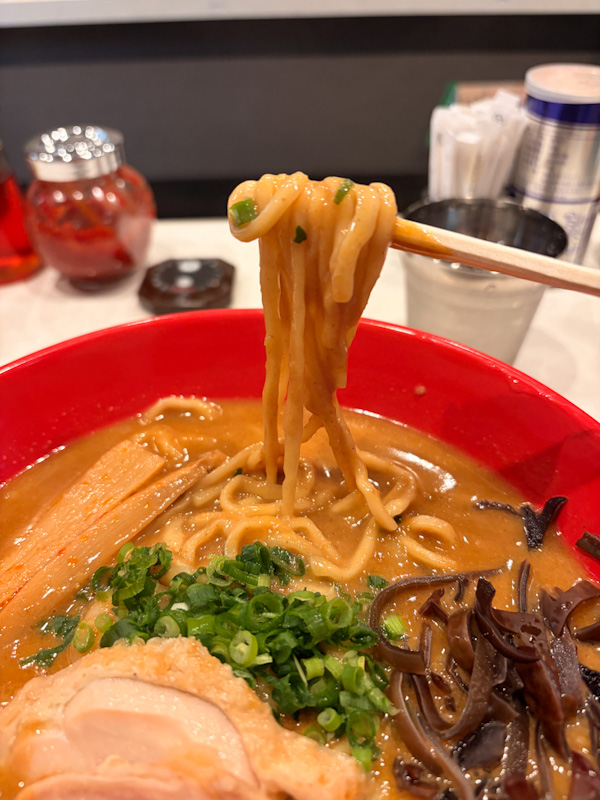
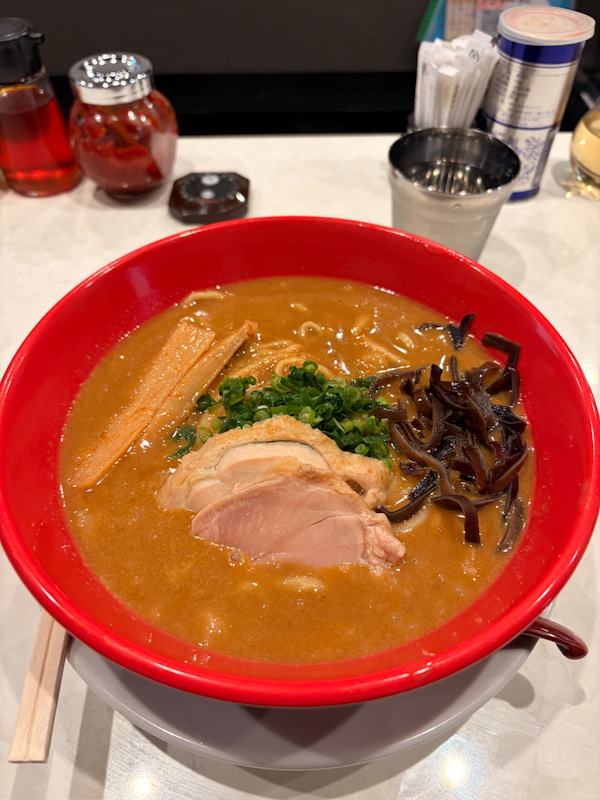
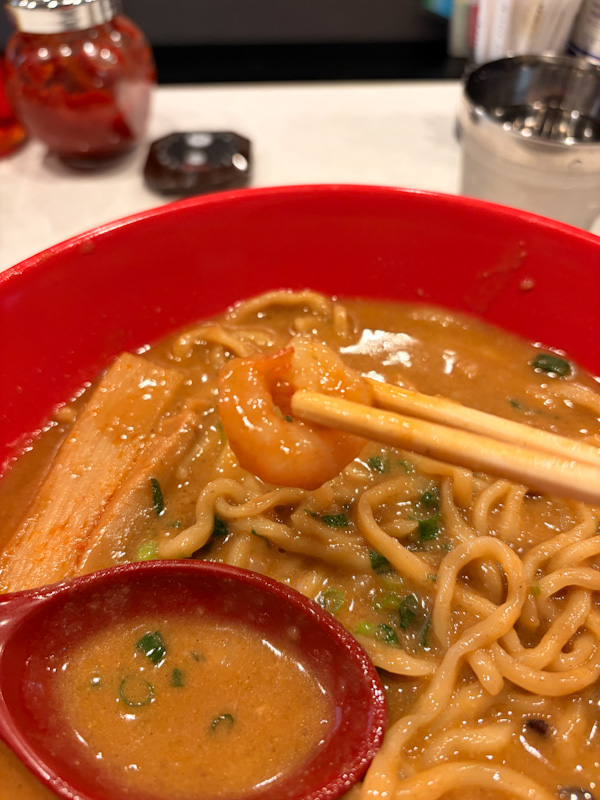
Yoshinori Ebi Miso Ramen: 75/100
Noodle: 30/35
The noodles are thick and rounded, a structural choice that provides the necessary surface area to cling to a heavy broth. The texture leans toward a doughy, mochi-mochi elasticity, offering a substantial resistance that feels intentional rather than undercooked. Most impressively, the wheat profile remains noticeable on the palate; even when submerged in a concentrated seafood environment, the grain’s natural sweetness manages to assert itself, preventing the starch from becoming a mere vessel for the soup.
Soup: 30/35
The soup is a masterclass in delayed gratification. The head is deceptively subtle, offering only a light, fleeting aroma of general seafood. As it moves into the body, a deep, savory foundation takes over, preparing the palate for the finish. The end is where the bowl finds its identity, culminating in a robust explosion of prawn flavors balanced by a precise amount of brine. The consistency is gravy-like with a gritty, rustic texture, likely from the finely ground shells used in the extraction. While this provides a visceral sense of the “ebi” presence, a slightly creamier emulsification would have elevated the mouthfeel to a more maestro-level refinement.
Meat: 10/20
The protein consists of a medium-thick slice of rolled chashu. The texture is firm and decidedly chewy, sitting in a middle ground where it is not dry, yet has not quite achieved a succulent juiciness. To counter the intensity of the shrimp-heavy broth, the kitchen has opted for a strong marination. The flavor is savory with a noticeably sweet body, a deliberate choice that provides a necessary counterpoint to the saline soup, though the meat itself lacks the melt-in-the-mouth quality found in top-tier preparations. The accompanying ebi is a standard shrimp, functional but lacking a distinct culinary signature.
Topping: 5/10
The toppings are minimal, focusing primarily on the bamboo shoots. These are of the pungent and savory variety, possessing a crunchy exterior that gives way to a juicy center. They offer a piquant contrast to the rich, gritty soup, though the bowl would have benefited from a more diverse array of garnishes to cut through the heavy miso and prawn oils.
Summary
Yoshinori’s Ebi Miso Ramen is a compelling option for those who prioritize a bold, singular flavor narrative. The transition from a quiet seafood start to a powerful prawn finish shows a sophisticated understanding of layering. While the chashu and the textural grit of the broth leave room for technical improvement, the interplay between the mochi-mochi noodles and the brine-forward soup makes this a worthy entry. It is a bowl for the diner who appreciates a gritty, honest expression of the sea.
DISCLAIMER
One man’s meat is another man’s poison.
Find out more about our palettes and how we evaluate our ramen here. 😉