WHAT WE ATE
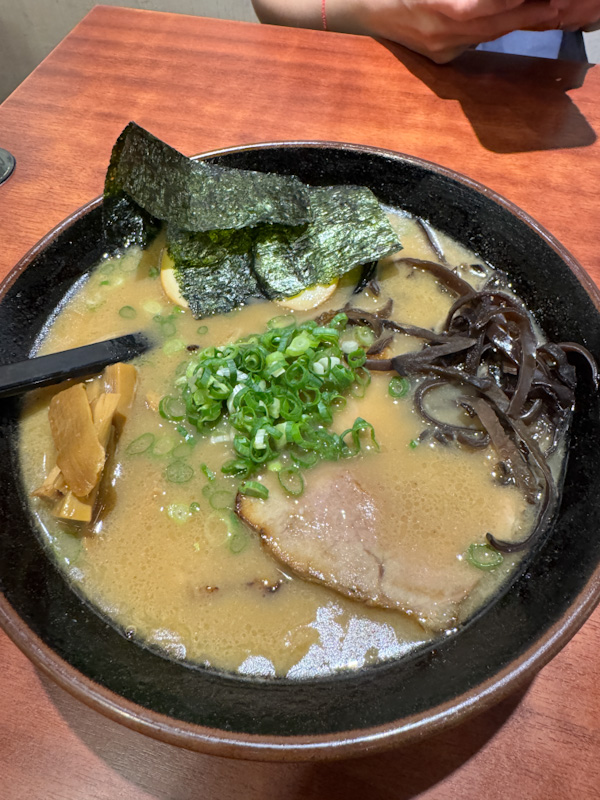
- Agodashi Ramen – 50/100, Katori, Chiba, 6 April 2026
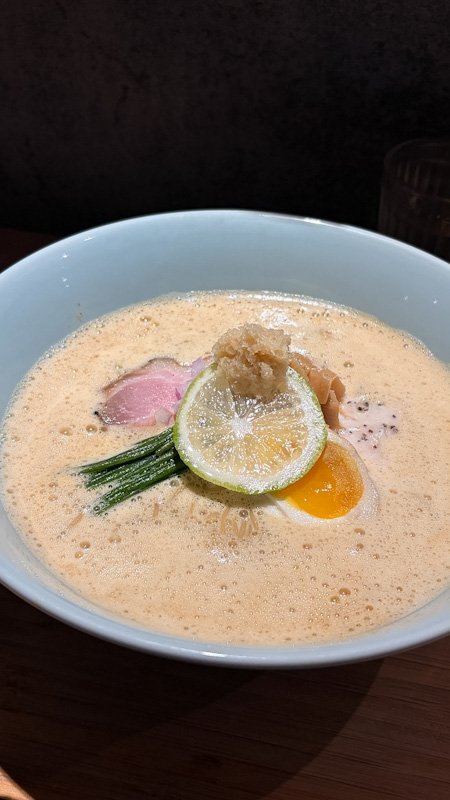
- Tontori Paitan Ramen – 65/100, Katori, Chiba, 6 April 2026
As I navigated the historic merchant streets of Sawara, my curiosity led me to Kimagure, an izakaya that distinguishes itself with a surprisingly robust selection of ramen. In a district defined by its Edo-period preservation, finding an establishment that balances the social atmosphere of a tavern with a serious dedication to noodle craft is a noteworthy discovery. For this session, I opted for the Agodashi Ramen and Tontori Paitan to see how the kitchen handles the delicate, nuanced profile of these two drastically different ramen.
While the Sawara Historical District in Katori City is famed for its “Little Edo” charm and daytime canal tours, the town’s character shifts as evening falls. For those exploring the local food scene beyond the standard tourist maps, Izakaya Kimagure (きまぐれ) presents an intriguing duality. Though it operates primarily as an izakaya, it has gained a quiet reputation among late night ramen lovers. In the context of Chiba’s regional ramen culture, Kimagure is a fascinating outlier. Unlike dedicated shops that focus on a single signature style, this establishment leverages its hybrid identity to offer a surprisingly extensive list of ramen varieties.
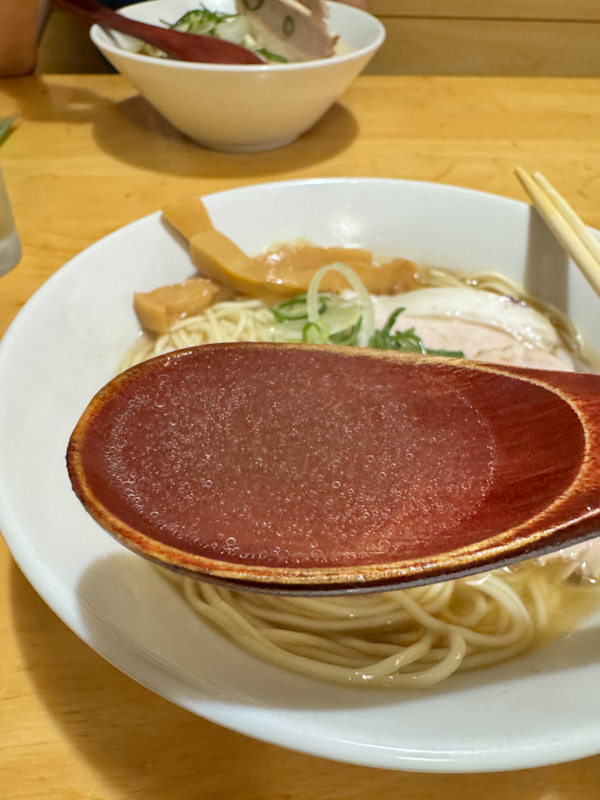
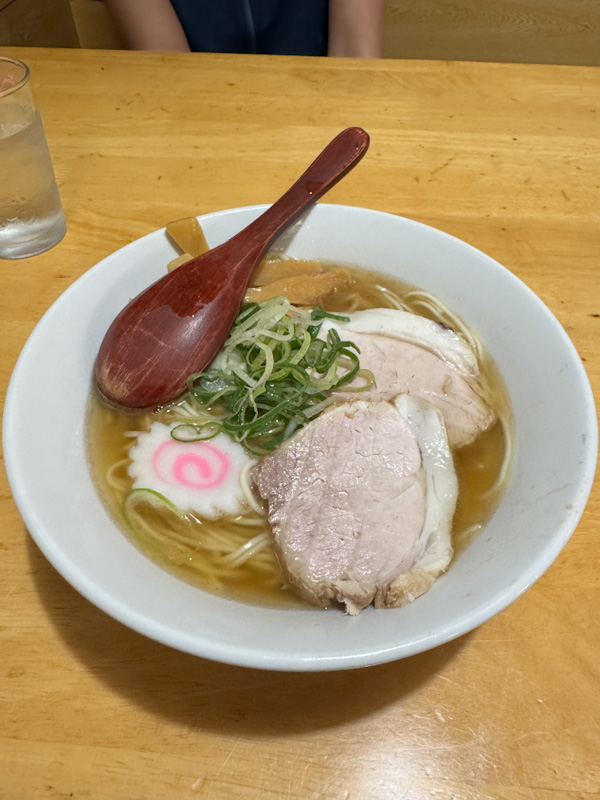
Agodashi Ramen: 50/100
Noodle: 25/35
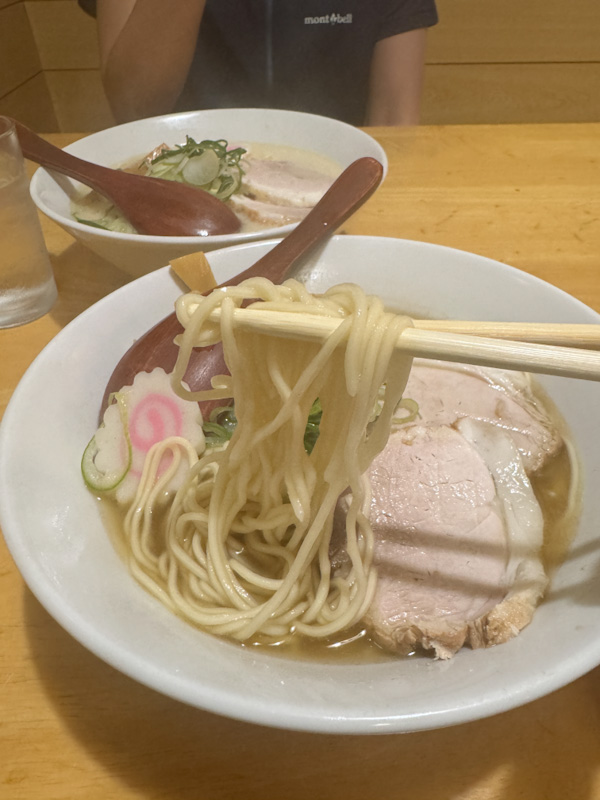
The noodles presented as pale yellow, medium-thin straight strands. Structurally, they possessed a commendable firm and snappy core, providing a requisite resistance. The mouthfeel was complemented by a slightly doughy exterior that tended to adhere to the teeth, adding textural dimensions to the otherwise clean bite. On the palate, the noodles offered a pleasant earthy wheat presence, while the kansui influence remained appropriately subdued, allowing the grain’s natural profile to lead.
Soup: 10/35
The soup was a complex, albeit troubled, construction. The head opened with sharp, slightly metallic notes of the flying fish, which transitioned into a body defined by a lingering tinny bitterness. While the finish offered a faint sweetness, it was largely obscured by the preceding astringency. The agodashi provided a potent fish presence, the layers felt somewhat monolithic and lacked the desired verticality. Most perplexing was the heavy tinny note that flattened the overall profile; the broth paradoxically tasted significantly more metallic than the noodles themselves. This suggests the agodashi may have been subjected to over-extraction, resulting in a profile that leaned toward the acrid.
Meat: 10/20
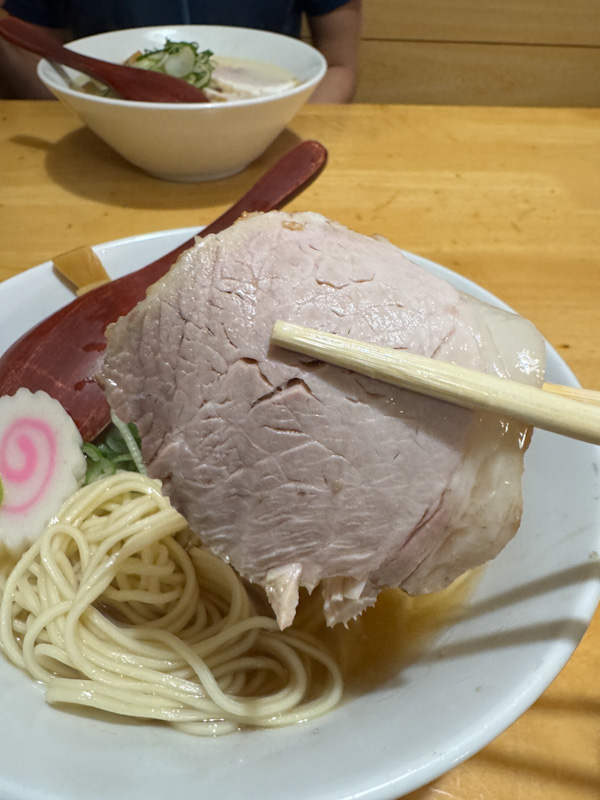
The hero protein consisted of a large, medium-thick slice of chashu, appearing to be a loin cut with an intact layer of fat. The fat was rendered to a jelly-like consistency that dissolved readily upon contact. In contrast, the lean portion of the meat was firm and bordered on dry, demanding a bit more effort to masticate than is ideal. The marinade was applied with restraint, which successfully allowed the natural meaty flavors and a subtle undercurrent of umami to emerge without being overshadowed by soy or sugar.
Other Toppings: 5/10
The bowl was garnished with several traditional elements.
- The naruto was chewy, though it lacked the springy, soft resilience found in superior iterations.
- Conversely, the bamboo shoots were the standout component; they were pungent yet savory, offering a fruity sweetness and a sophisticated sourish tang that proved very appetizing. Their texture was tender and juicy, providing a necessary contrast to the firmer elements of the bowl.
- Finally, the negi was fresh and succulent, contributing subtle piquant and sweet notes that brightened the presentation.
Summary
Kimagure offers a late night option for ramen enthusiast, providing a rare opportunity to explore an extensive noodle menu within a traditional izakaya setting. While the technical execution of the agodashi broth in this instance suffered from extraction issues that introduced a metallic bitterness, the quality of the accompaniments—particularly the bamboo shoots—indicates a kitchen capable of thoughtful preparation. It remains a compelling destination for those interested in the diversity of Katori’s culinary landscape, even if this specific bowl lacked the necessary balance to achieve a higher score.
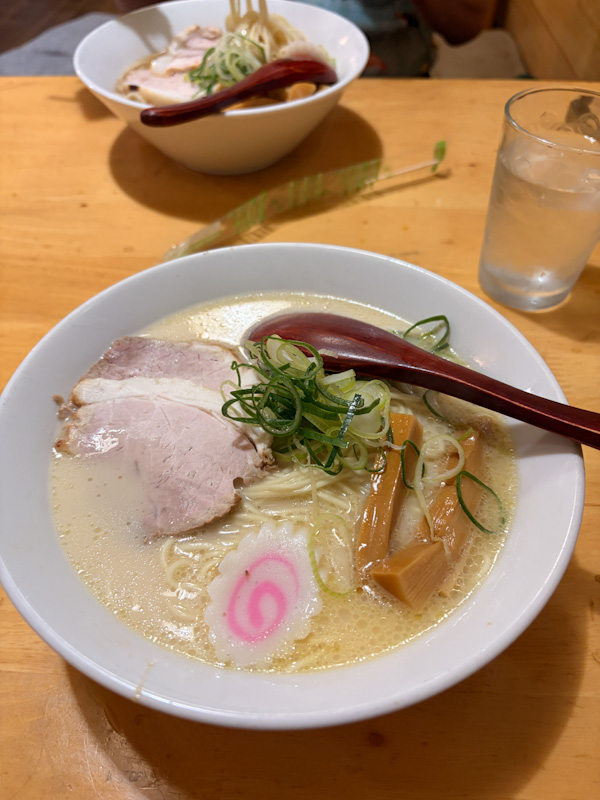
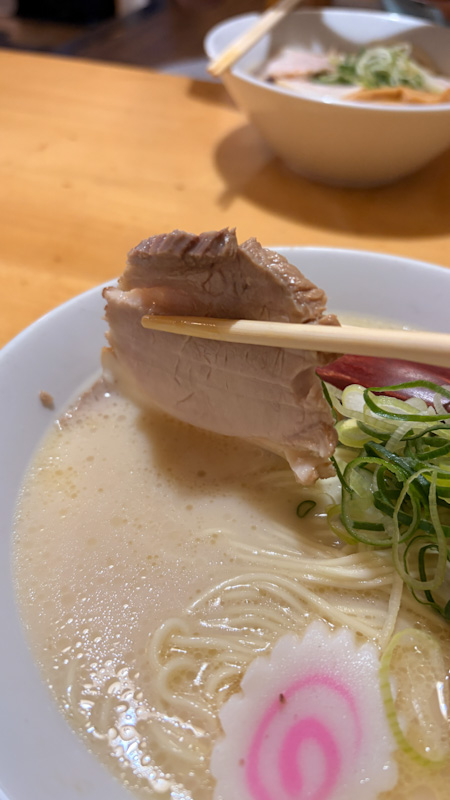
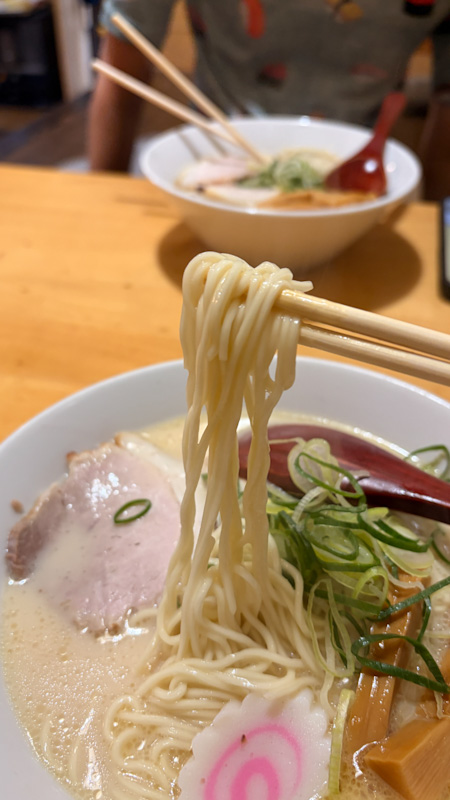
Tontori Paitan Ramen: 65/100
Noodle: 25/35
The noodles remain consistent with the previous bowl, presenting as medium-thin, straight, and pale yellow. There is a commendable structural integrity here; the core is firm and snappy, offering a precise resistance upon the first bite. The exterior adds a slight doughiness on the surface, causing the strands to adhere to the teeth. This nuanced textural dimension aside, the flavor profile is sophisticated enough, leaning into an earthy wheat essence with a kansui presence that is thankfully kept in the background.
Soup: 25/35
The Tontori Paitan starts with a promising head of creamy, milky indulgence. As it moves into the body, a pleasant nuttiness emerges, showcasing the potential of the chicken and pork synergy. Usually, this blend results in a smoother, less heavy profile without sacrificing depth. Unfortunately, the architecture of the soup collapses at the finish. A lingering alkaline note resurfaces here, echoing the metallic bitterness I encountered previously. It feels as though a remnant of the over-extracted agodashi base migrated into this pot, creating a discordant interplay. This acrid aftertaste effectively mutes the more delicate notes, preventing the Paitan from reaching its full, rounded potential.
Meat: 10/20
The protein is a large, medium-thick slice of loin chashu with a visible perimeter of fat. In this serving, the fat exhibited a bit more resilience, leaning toward a chewy rather than melty texture. The lean portion of the cut remained firm and bordered on dry, requiring a deliberate effort to masticate. While the marination is subtle enough to let the natural porcine flavors and a whisper of umami surface, the technical execution of the meat’s texture lacks the succulent tenderness required to elevate the bowl.
Other Toppings: 5/10
The supporting elements provide a mix of sensory data.
- The naruto is functionally chewy, yet it lacks that specific soft, springy bounce that defines a high-quality fish cake.
- The bamboo shoots, however, are a masterclass in balance. They are pungent and savory, yet they carry a fruity sweetness and a sophisticated sourish tang that is highly appetizing. Their tender, juicy texture serves as a necessary foil to the firmer noodles.
- The negi is similarly well-handled, fresh and juicy with subtle piquant notes that provide a brief, sharp contrast to the creamy base.
Summary
The Tontori Paitan at Kimagure is a step up in terms of initial flavor profile, showcasing a sophisticated creamy and nutty body that is quite attractive. However, the recurring issue of a dominant alkaline finish suggests a systemic problem with broth extraction.
DISCLAIMER
One man’s meat is another man’s poison.
Find out more about our palettes and how we evaluate our ramen here. 😉