WHAT WE ATE
- Ramen X, 60/100 (3 July 2026, Orchard Plaza Popup)
I have also Yet to Eat Their Signature Dish. So please take the current score with a pinch of salt.
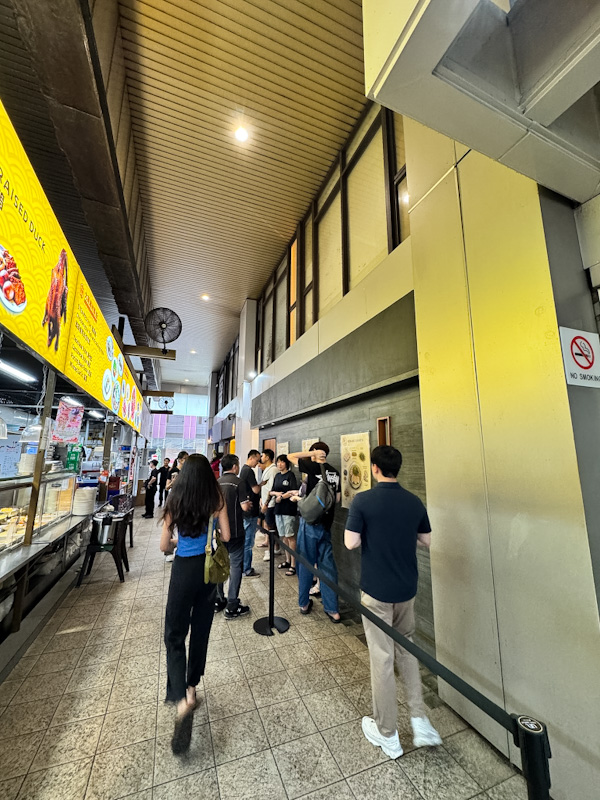
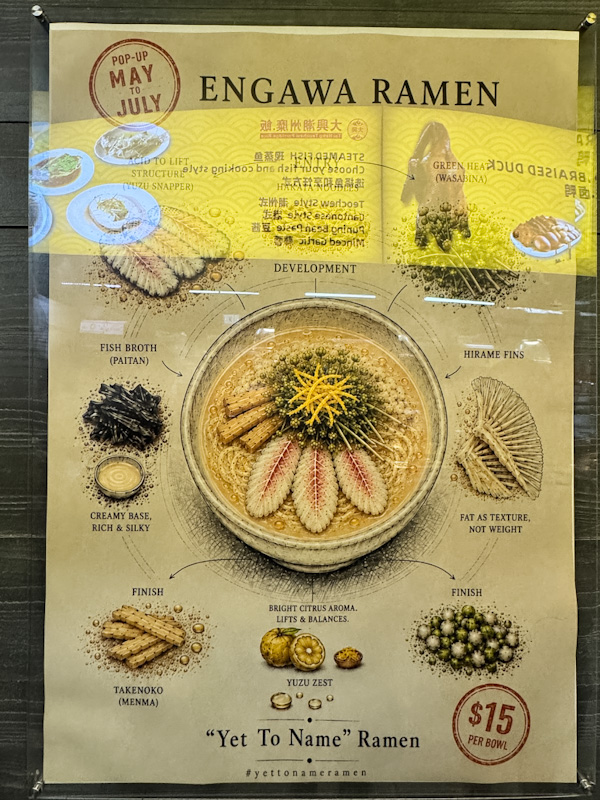
Orchard Plaza has steadily mutated into an epicenter for unconventional Japanese culinary ventures, and its latest ephemeral resident, Yet To Name Ramen, stands as a stark testament to this evolution. Operating as a strict three-month pop-up concept concluding at the end of July 2026, the intimate ten-seat counter brings a fine-dining pedigree to a notoriously low-key, raw commercial setting. The operational driving force behind the venture includes Chef Hirofumi Imamura, previously celebrated for his intricate kappo execution at the defunct Imamura in Sentosa, shifting his focus here toward an uncompromisingly minimalist approach to noodle craft.
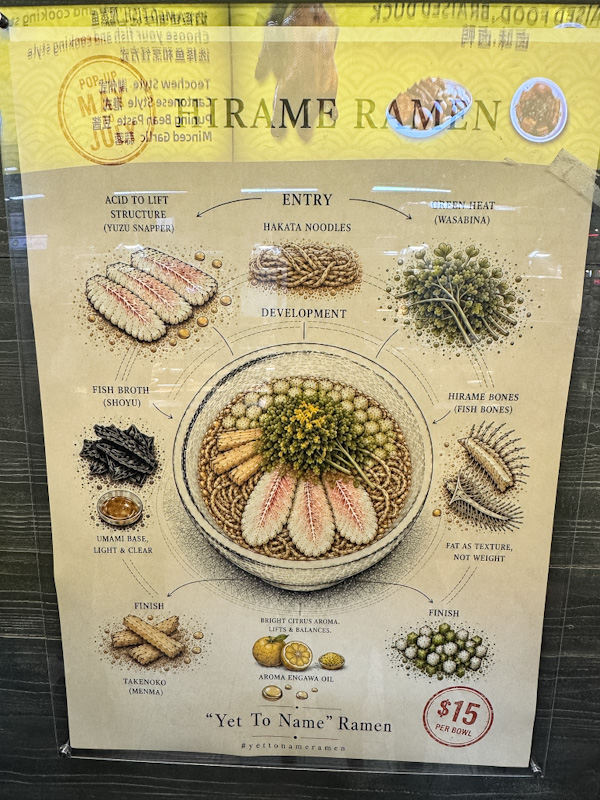
Architecturally, the establishment disrupts the ubiquitous pork-dominated landscape of Singapore by dedicating its brief tenure entirely to the intricacies of ichthyic extractions. The menu rejects standard variety, choosing instead to serve a single, weekly rotating fish-based broth that demands a complete recalibration of the palate. Diners encounter a binary alternation between a pristine, low-viscosity flounder shoyu broth (hirame chintan) and a deeply emulsified, higher-viscosity flatfish fin broth (engawa paitan), demonstrating a deliberate study in marine salinity and depth.
Rather than relying on classic pork belly chashu to anchor the bowl, the kitchen implements precise slices of sashimi-grade snapper alongside local wasabina leaves to deliver a controlled, piquant counterpoint to the underlying dashi. With daily operations capped strictly to a limited volume of bowls to protect the structural integrity of the broth, this transient counter sets an intriguing baseline for technical curiosity. The following analysis examines how these oceanic components translate in terms of tensile mouthfeel, emulsion stability, and overall structural cohesion.
Ramen X aka Spicy-Miso Hirame Tsukemen: 60/100
Noodle: 15/35
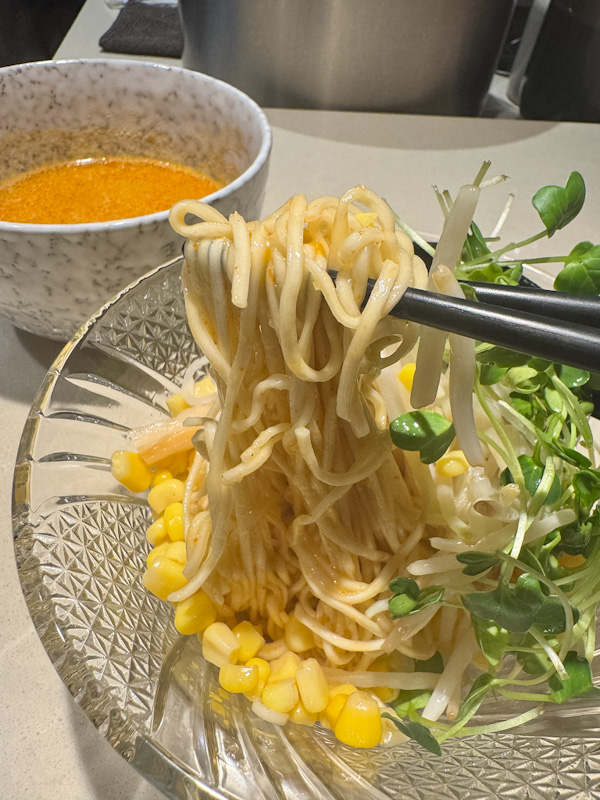
The kitchen opts for a thin, wavy noodle, a choice that ultimately compromises the structural experience of the dish. While the baseline strand displays a resilient elasticity with a springy and chewy texture, the strands suffer from immediate cohesion, resulting in a clumpy, tangled mass that resists clean separation. This makes it hard to break up the noodles, transfer it to the soup, impedes a proper slurp, causing the broth to slide off unevenly rather than coat the noodles smoothly.
On the palate, a clean baseline wheat taste is present, but its integration with the overall dish is derailed by an aggressive pre-coating of homemade rayu (chilli oil). The heat is overly piercing, creating an acrid, sharp sensation that triggers a choking reflex rather than a nuanced sensory progression.
Soup: 30/35
The broth presents a rather complex but flavor architecture. At the head, the soup opens with an inviting, sweet, and nutty savory note, driven by the miso base. As it transitions into the body, the mouthfeel shifts to a slightly milky, medium-viscosity emulsion that reveals a distinct, oceanic undertone reminiscent of crustacean extractions or sweet flatfish skeleton reduction. The tail finishes with a pleasant, lingering sweetness.
However, the overarching layering is heavily disrupted by the dominant rayu again. The intense heat cuts through the delicate fish dashi, pushing the flavor profile into a space that reminds me of a Singaporean chilli crab, yet it lacks the requisite dairy creaminess or egg-drop density to execute that profile successfully. The interaction between the spicy oil and the delicate marine base remains uncalibrated.
Meat: 10/20
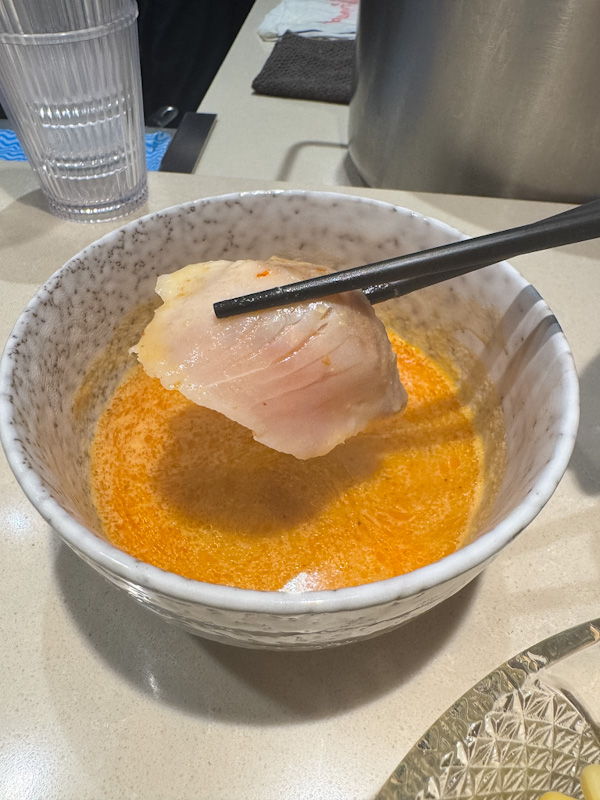
In place of traditional pork chashu, the bowl features thin slices of sashimi-grade hirame (flounder), presented raw and designed to poach progressively within the hot broth. While the sourcing quality is undeniably fresh, the culinary pairing proves problematic. As the fish cooks in the soup, its texture becomes soft and tender, yet it takes on a slightly fluffy, broken-down mouthfeel that lacks substantial bite in the thick broth. More critically, the structural interplay between the protein and the aggressive spiciness leeched into the broth creates a sensory mismatch. The high heat of the soup accentuates the distinctive flavours of the fish, causing an isolated, overt fishiness to emerge on the palate, which unpleasantly masks the natural, delicate sweetness of the flounder.
Other Toppings: 5/10
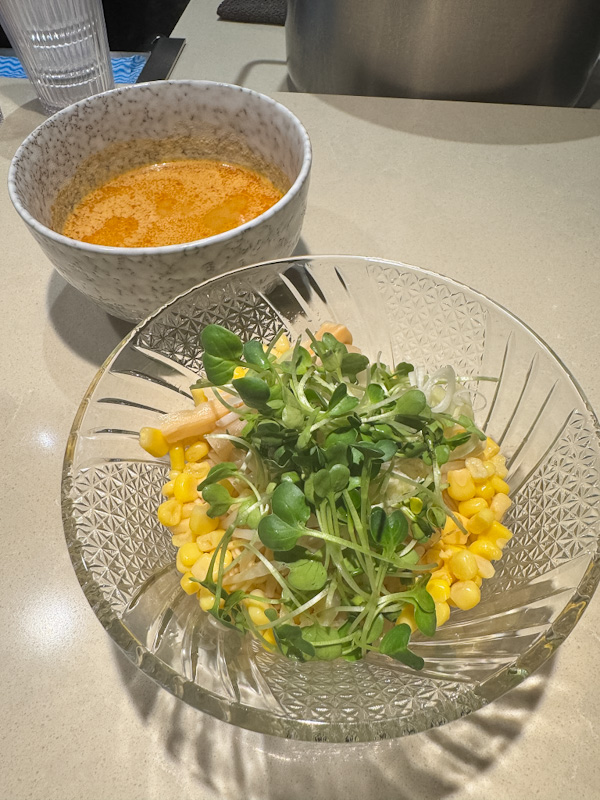
- Sweet Corn: The kernels provide a brilliant burst of natural sugars and moisture, serving as an effective palate cleanser that temporarily tames the heat of the rayu.
- Bean Sprouts: These add an immediate, refreshing hydration and crisp crunch, though they introduce an unwanted dilution or hollowness to the mid-palate flavor density.
- Alfalfa Sprouts: The inclusion of these greens exacerbates the structural hollowness of the vegetables, introducing a raw, vegetal bitterness that clashes with the soup profile.
- Bamboo Shoots (Menma): While technically tender and juicy with zero fibrous resistance, they completely lack aroma and deep marination, reading as flat and exposed against the aggressive environment of the bowl.
Summary
The Spicy-Miso Hirame is a conceptually ambitious marine bowl that ultimately suffers from structural lack of synergy, where an over-engineered rayu suffocates the delicate flatfish dashi and compromises noodle mechanics. It represents a technical mismatch between premium, fragile seafood elements and an uncompromisingly aggressive spice profile.
DISCLAIMER
One man’s meat is another man’s poison.
Find out more about our palettes and how we evaluate our ramen here. 😉