WHAT WE ATE
- Tonkotsu Ramen, 75/100 (Revisited 28 Aug 2026 / 10 Mar 2025, Punggol Oasis)
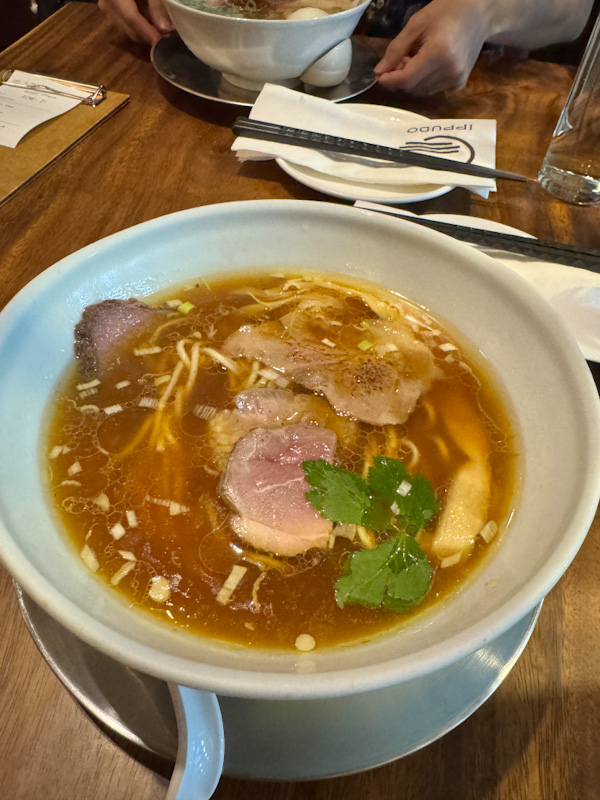
- Hokkaido Chicken Thigh Shoyu Ramen, 80/100 (28 Aug 2026, Punggol Oasis)
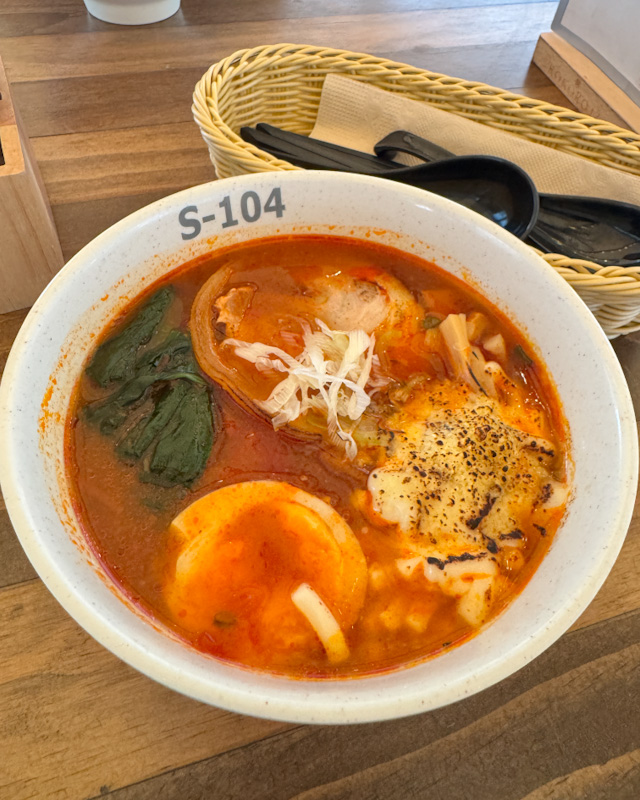
- Tonkotsu Miso Ramen, 65/100 (10 Mar 2025, Punggol Oasis)
- Tonkotsu Set, 30/100 (17 Mar 2023, Straits Food Village, T2 Changi Airport Departure Lounge)
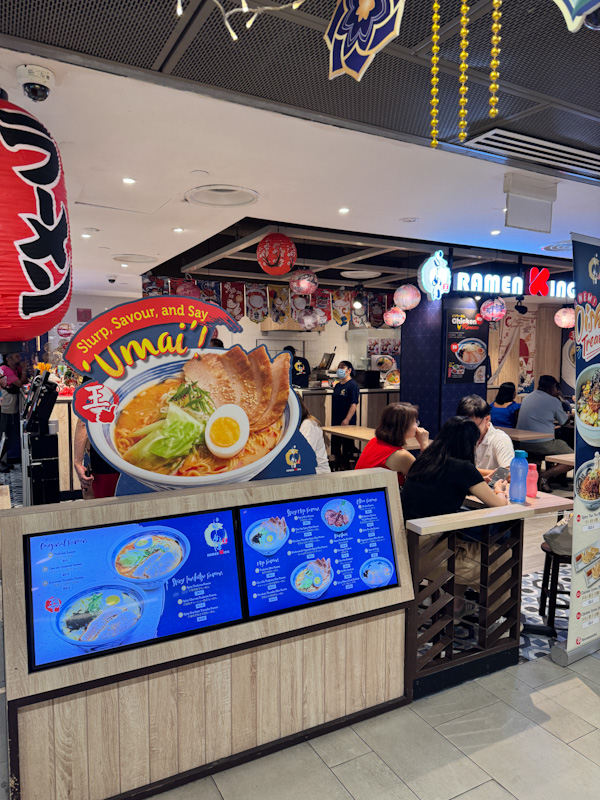
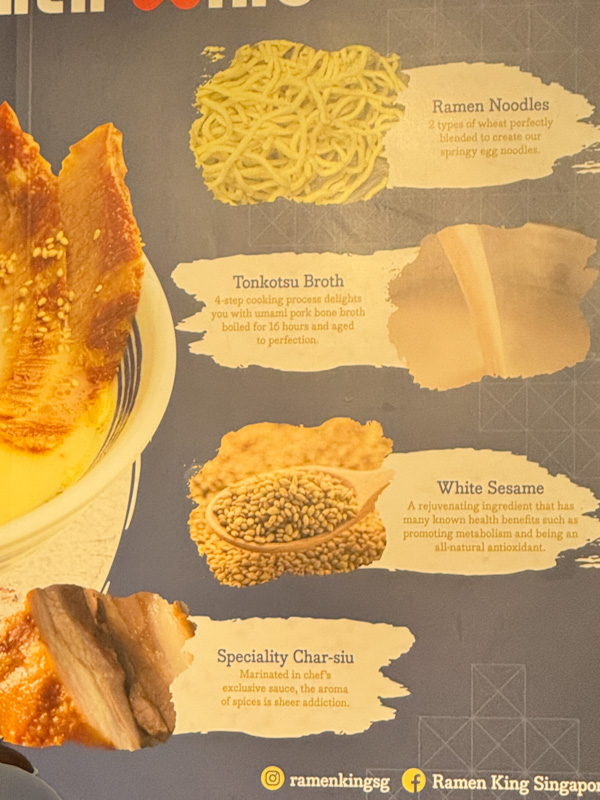
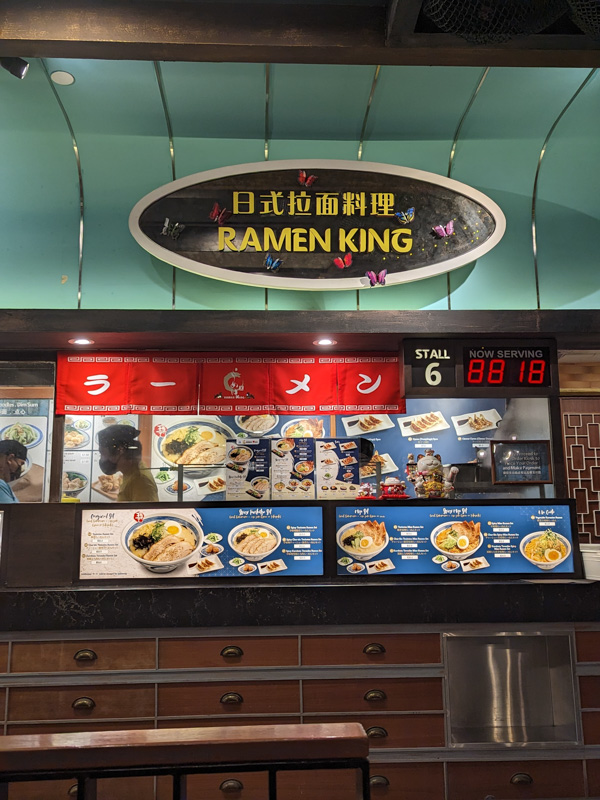
Ramen King is a popular ramen spot in Singapore, founded by Chef Simon Song, a former chef at the renowned Hokkaido ramen chain, Ramen Santouka. Beyond the broth, Ramen King takes pride in its carefully crafted noodles, made from a blend of two premium wheat varieties for a firm yet chewy texture. Signature dishes include the classic Tonkotsu Ramen and melt-in-your-mouth Kurobuta Toroniku.
With outlets in Changi Airport, Punggol Oasis and more, it brings authentic Japanese ramen to the heartlands at wallet-friendly prices. The restaurant is best known for its rich yet balanced Tonkotsu broth, which undergoes an intricate three-day, four-step preparation process to achieve maximum depth of flavor.
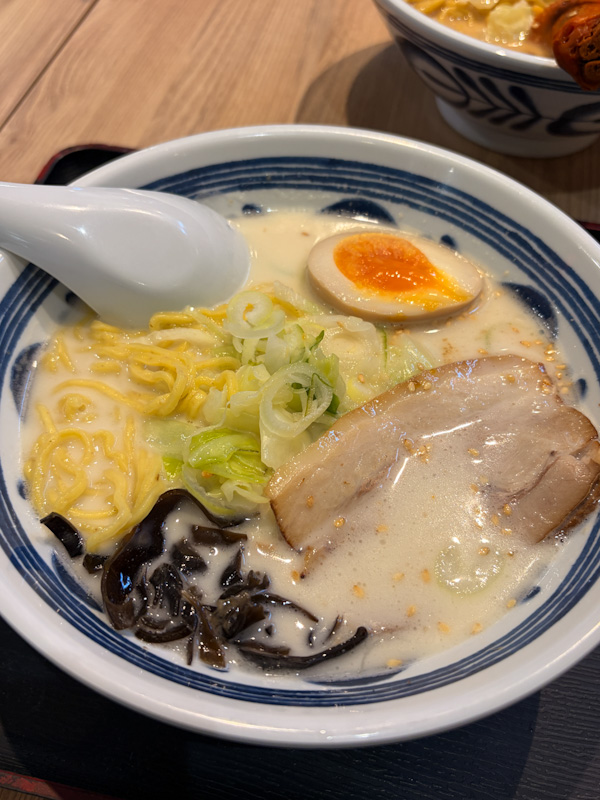
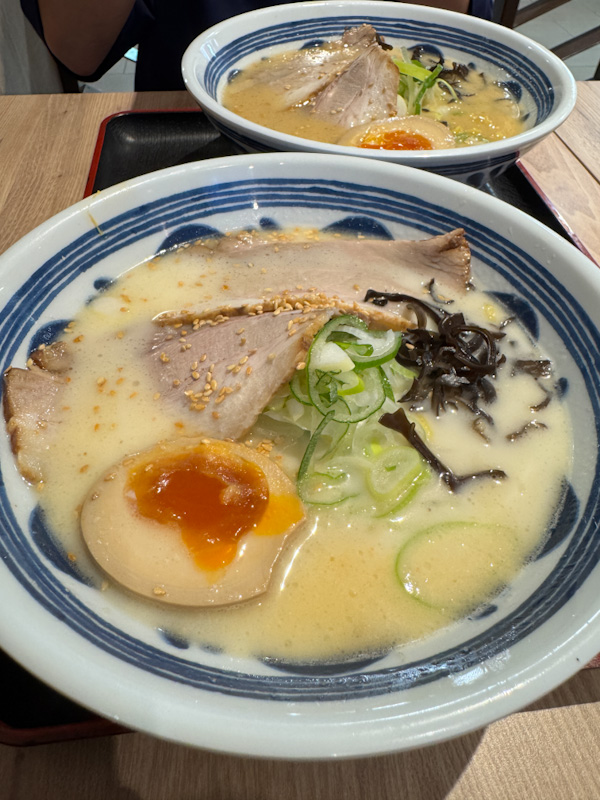
Tonkotsu Ramen: 75/100
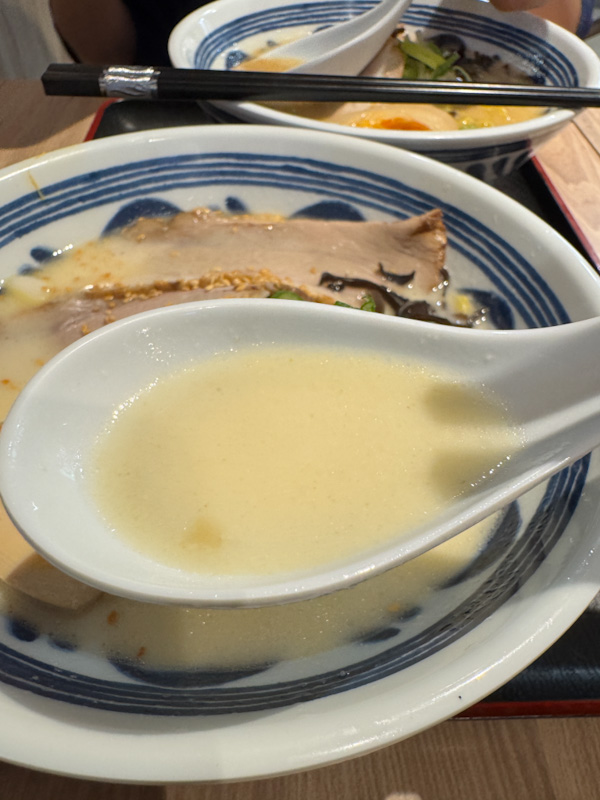
Update: During our revisit at Punggol Oasis, the soup seems to have changed noticeable. It now looks like what Santouka used to have both in terms of that iconic pastel creamy colour and taste.
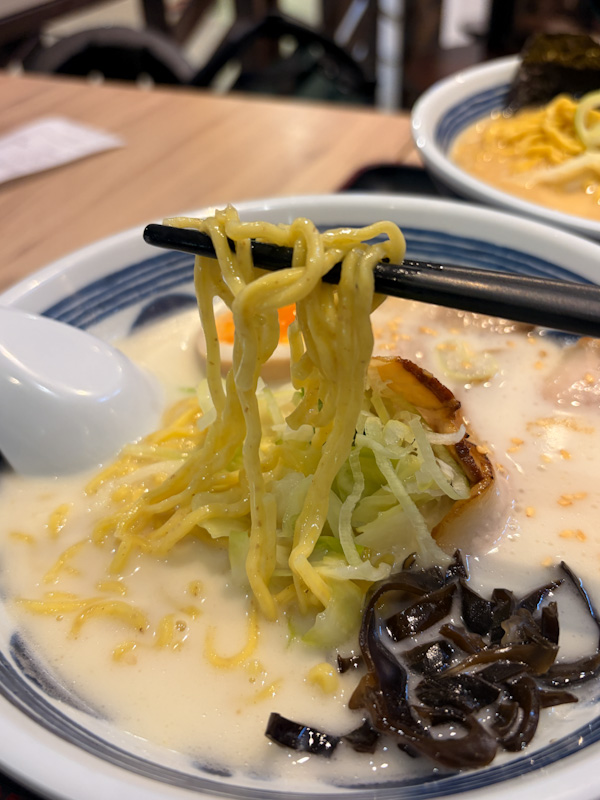
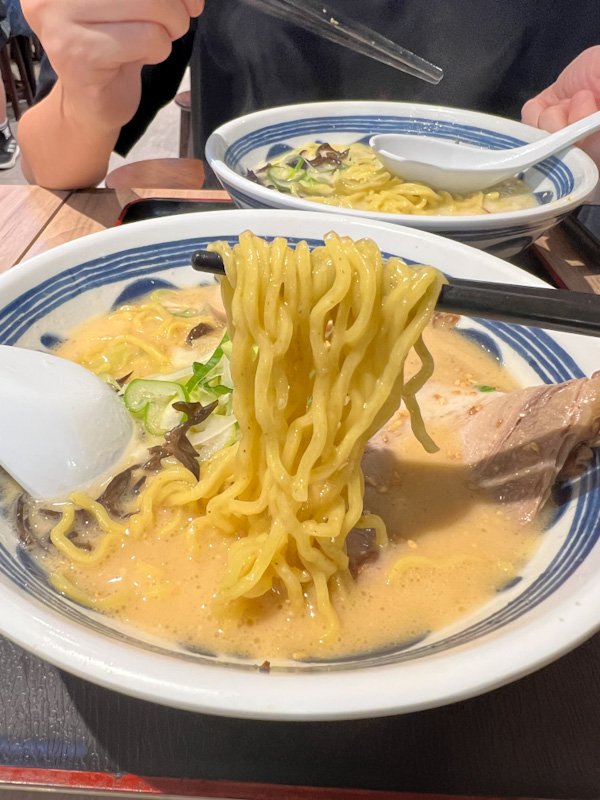
Noodle: 30/35
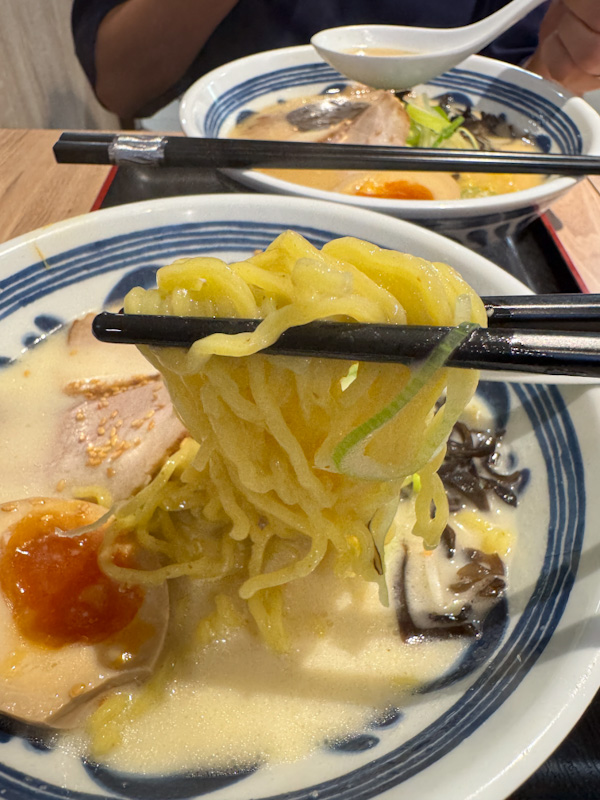
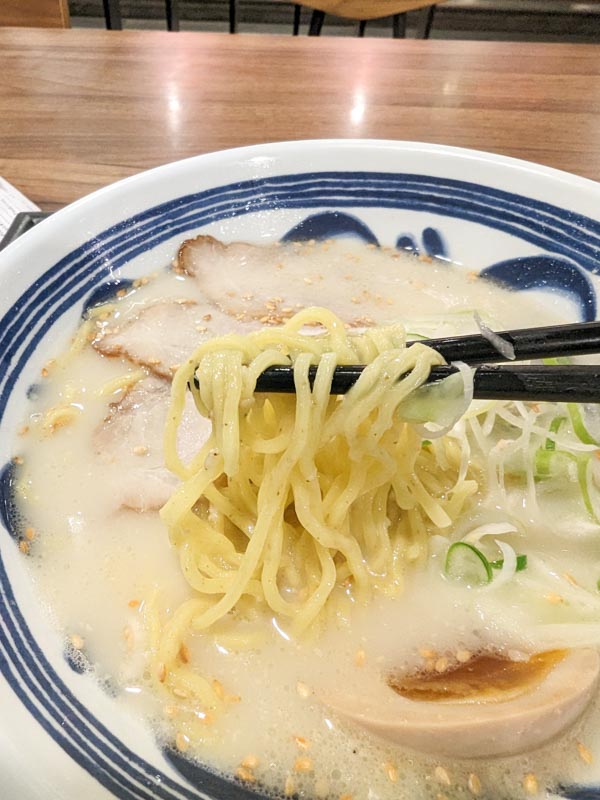
The noodles are medium-thick, wavy, and exhibit a distinct bright yellow hue reminiscent of classic Sapporo-style profiles, especially the ones used at Santouka. The texture provides a springy, resilient chew with a firm, snappy bite. Despite the prominent coloration, the alkaline (kansui) presence is remarkably well-calibrated, avoiding any harsh acrid notes and allowing the underlying earthy sweetness of the wheat to come through clearly.
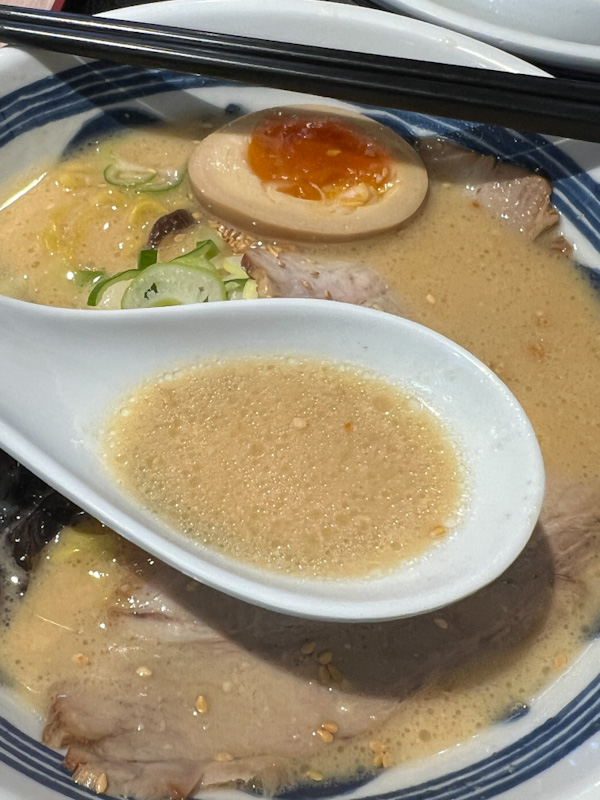
Soup: 30/35
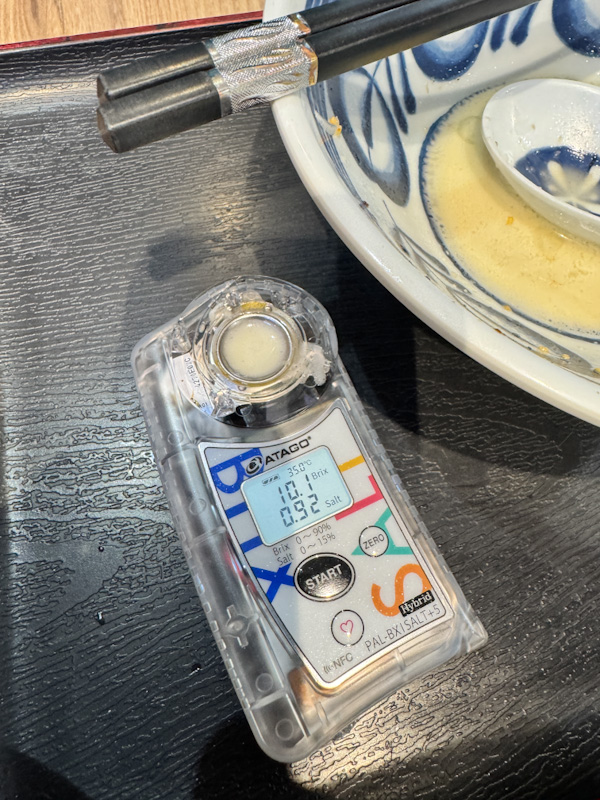
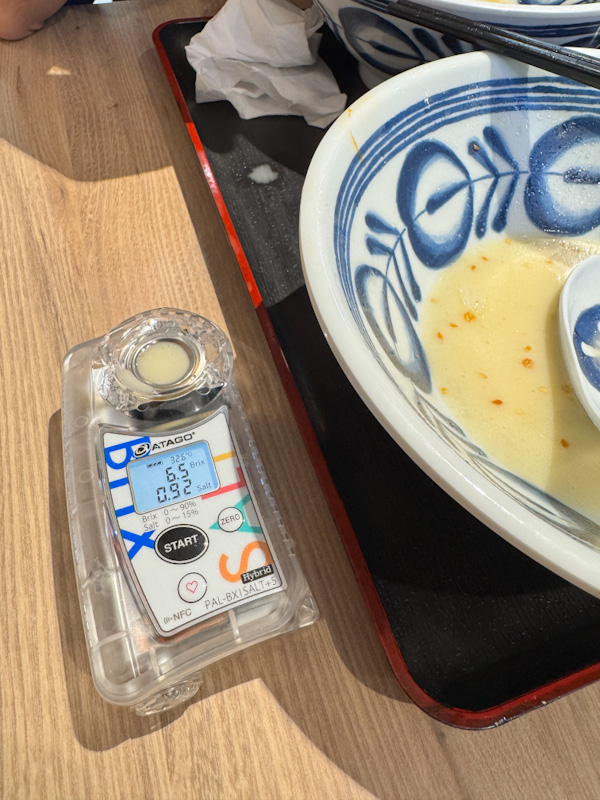
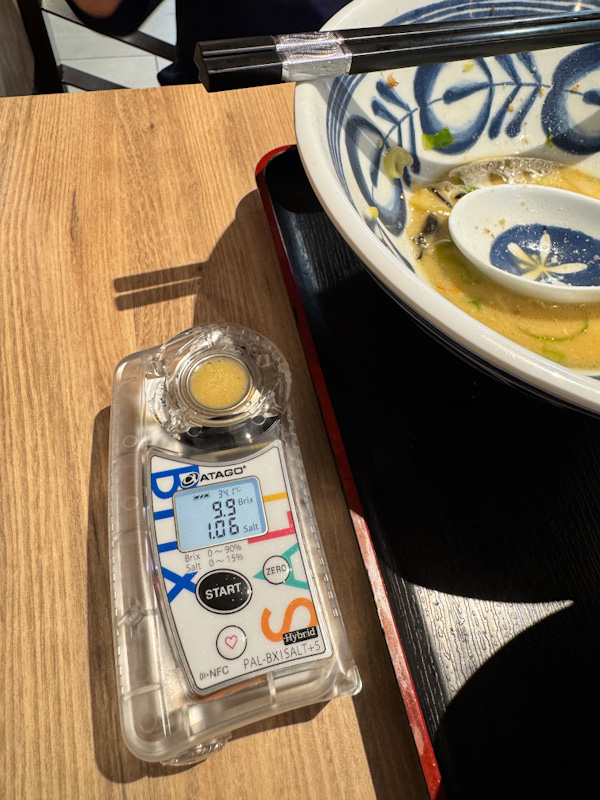
The broth presents a milky, opaque white appearance with a smooth, velvety texture. Unlike previous iterations that registered at a lighter 6.5 brix, this rendition reaches a robust 10.1 brix, delivering the essential body and mouthfeel required for a traditional tonkotsu. The head opens with a straightforward creamy sweetness before transitioning into a dense, multi-dimensional savoury body. The tail finishes cleanly, leaving a pleasant, lingering aromatic sweetness across the palate.
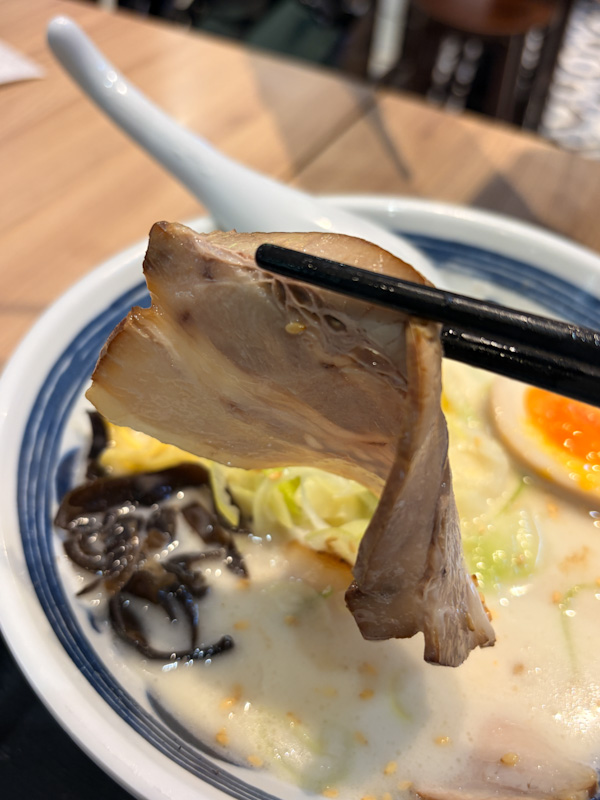
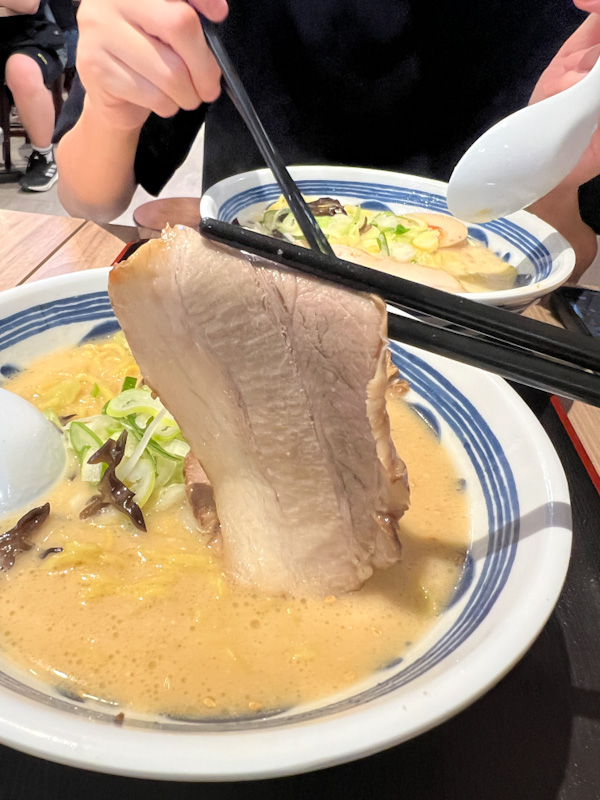
Meat: 10/20
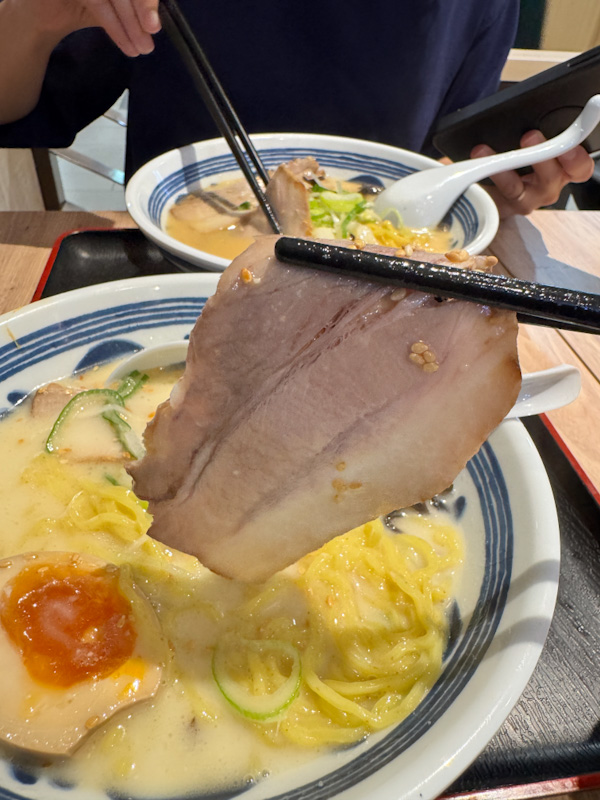
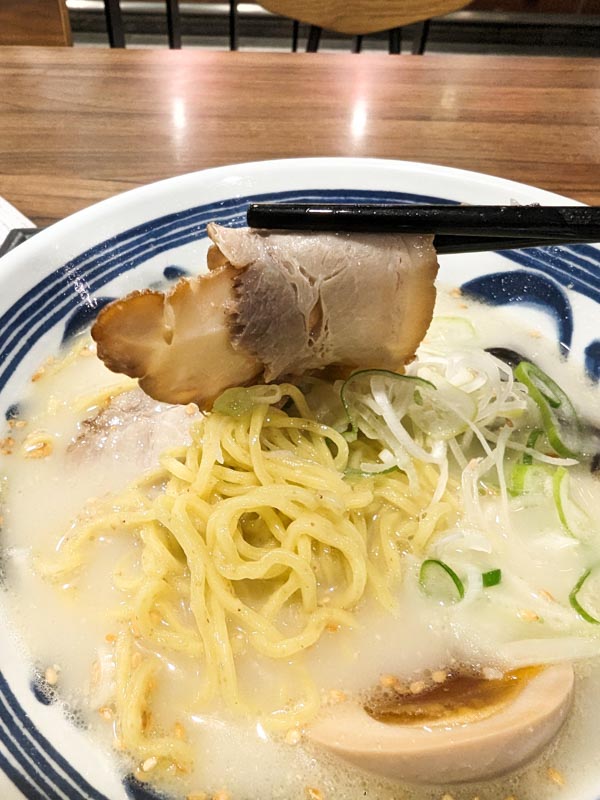
The hero protein features thinly sliced pork belly. While the cut lacks notable juiciness and does not offer a true melt-in-your-mouth fat rendering, it remains tender enough to avoid feeling tough or overly dry. The shoyu-based marination is balanced and penetrates the lean meat appropriately, though the thinness of the slice limits its overall impact within the bowl.
Topping: 5/10
A mix of toppings is included:
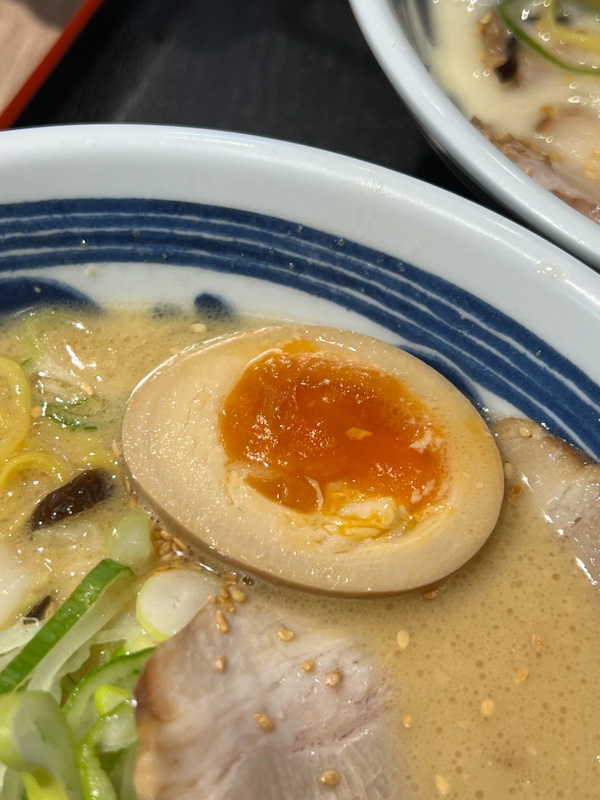
- Half marinated egg – Shows a perfectly set, jammy yolk with well-balanced salinity.
- Fresh negi – Delivers a sharp, piquant bite that helps cut through the heavy lipid profile of the broth.
- Cabbage – Crisp and fresh, though the sparse portioning limits its functional role as a palate cleanser.
- Sesame seeds – Provide a subtle, toasted nutty aroma to the surface of the soup.
- Black fungus – Tender in texture, but offers minimal flavor contribution or meaningful structural contrast.
Summary
This rendition of Tonkotsu Ramen showcases a marked improvement in broth density and extraction, offering a satisfying, brix-heavy emulsion paired with a reliable noodle structure. While the protein execution and supporting garnishes remain modest, the core broth-and-noodle pairing delivers solid traditional fundamentals.
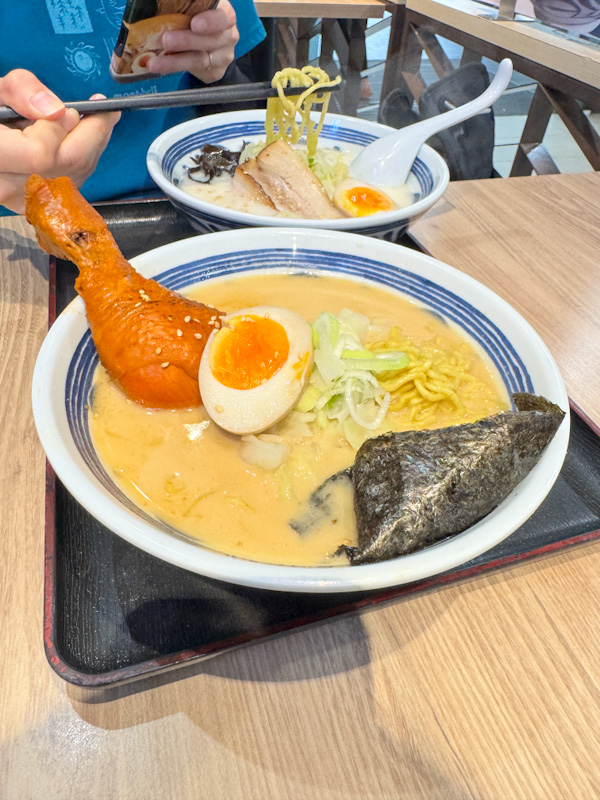
Hokkaido Chicken Thigh Shoyu Ramen: 80/100
Noodle: 30/35
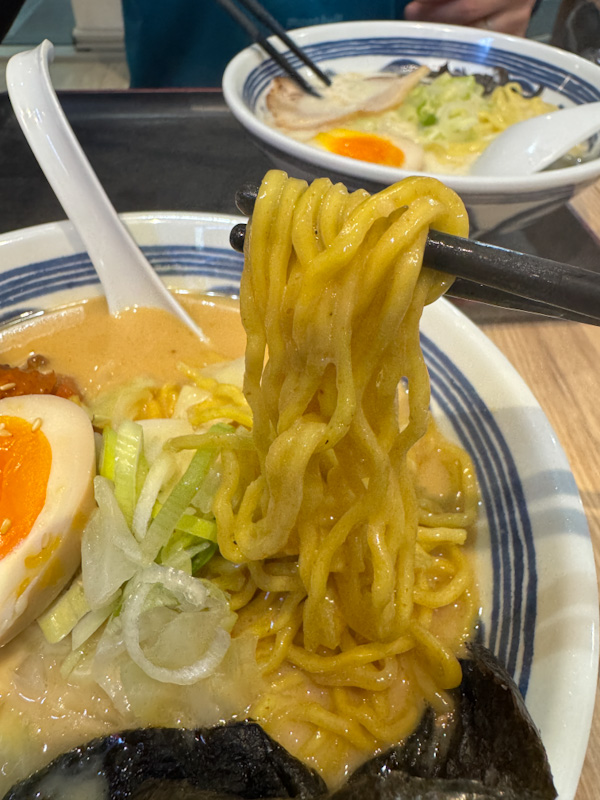
The noodles present a deep yellow hue, cut into medium-thick, curly strands. The initial bite reveals a firm, springy texture anchored by a firm core, delivering a snappy tensile resistance alongside a slightly doughy exterior. Upon the first slurp, a faint whiff of alkaline presence registers, though it quickly dissipates into the background as the bowl progresses. Beneath that initial note lies a clean wheat character with a sweet, earthy profile. The geometry of the curly strands allows them to absorb the savoury broth efficiently, carrying a subtle hint of shoyu bitterness that adds a multi-dimensional layer to the chew.
Soup: 30/35
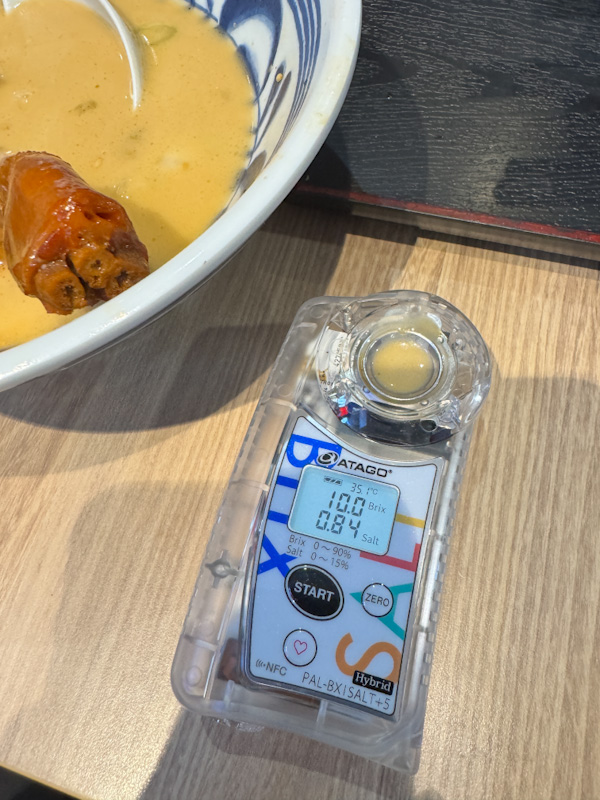
The head of the broth opens with an immediate, salty kick driven by the shoyu. As the sip transitions into the body, it expands into a deep, savoury umami weight. Visually, the viscosity appears quite thick and slightly gritty, coating the palate with a sticky mouthfeel that forms a delicate collagen film across the surface as the temperature drops. Subtle toasty and nutty notes interplay across the middle layers. The tail concludes with a lingering sweetness balanced by a whisper of shoyu bitterness, giving the overall profile an engaging structural depth.
Meat: 15/20
The hero protein is a large, braided chicken thigh that commands immediate visual focus. It arrives with a vibrant color and a glossy shine reminiscent of classic Chinese roasted meats. Texturally, the thigh is tender and juicy throughout, avoiding any dry or fibrous lean sections. The seasoning displays a savoury body infused with a warm spice marination that evokes Chinese braised styles, while the chicken skin is rendered down to a soft, jelly-like consistency.
Other Toppings: 5/10
- Seaweed introduces an immediate hit of ocean umami to contrast the rich chicken broth.
- Marinated egg features a pleasant texture, balanced by a caramel sweetness and a grounded savoury undertone.
- Cabbage slice adds a simple, clean vegetal element to the bowl.
- Negi offers a juicy burst of freshness, though the cut leans slightly fibrous on the finish.
Summary
This bowl pairs a rich, collagen-heavy shoyu broth with an expertly braised chicken thigh, delivering a multi-layered, deeply savoury identity rooted in warm, aromatic comfort.
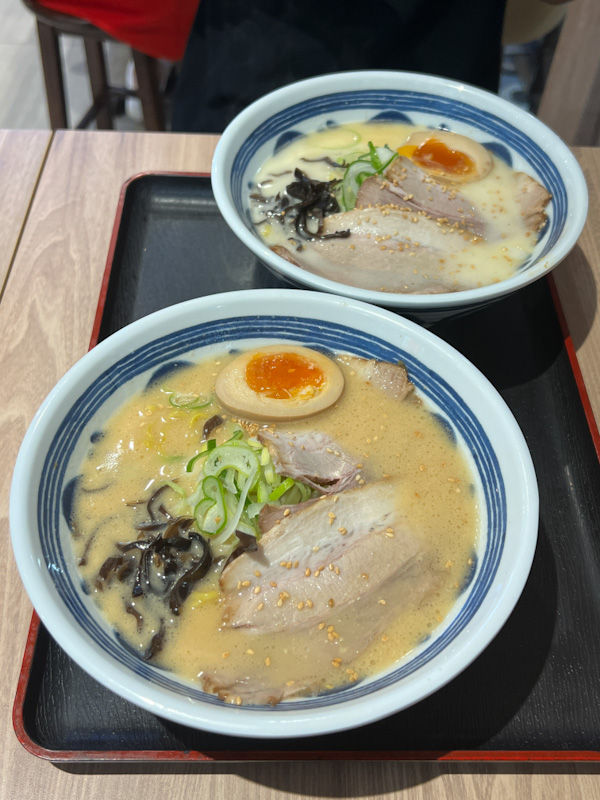
Tonkotsu Miso Ramen: 65/100
Noodle: 30/35
The same medium-thick, wavy noodles with a bright yellow hue are used here, reminiscent of those in Santouka’s ramen. The texture is smooth and springy, with a firm, snappy bite and a slightly chewy feel. Despite their color, the alkaline (kansui) taste is well managed, allowing the subtle earthy wheat sweetness to come through.
Soup: 25/35
The broth here is an improvement over the regular tonkotsu version. While it shares the same tonkotsu base, the miso adds depth and rounds out the flavors. It opens with a savory miso hit, followed by a rich umami body and a slight tangy undertone. The finish is lightly sweet and lingering. It isn’t particularly milky or creamy, but the added complexity makes it much more enjoyable than the standard tonkotsu.
Meat: 5/20
The same chashu is used, and unfortunately, the issues remain. The thinly sliced pork belly is too tough and dry, with the fatty parts staying chewy rather than melting in the mouth. The marination is too light, leaving the pork with an overly meaty, unbalanced taste that doesn’t contribute much to the dish.
Topping: 5/10
The same toppings are included:
- Half a marinated egg – Well-balanced marination with a perfectly set texture.
- Negi (green onions) – Fresh and piquant, helping to cut through the richness of the broth.
- Cabbage – Crisp and fresh, but portioning feels sparse.
- Sesame seeds – Generously added but neither crushed nor toasted enough to bring out their aroma, making them more decorative than functional.
- Black fungus – Tender but doesn’t add much in terms of flavor or texture.
Summary
Overall, the miso improves the soup significantly, giving it more depth and complexity, making it a better option than the standard tonkotsu ramen. However, the chashu remains a major letdown, and the toppings could be executed better to elevate the dish further.
Tonkotsu Set: 30/100
Note: This review of the Tonkotsu Set at Changi Airport T2 is quite outdated and it was in a "food court" setting. Perhaps they have changed their recipe and improved their quality control since then.
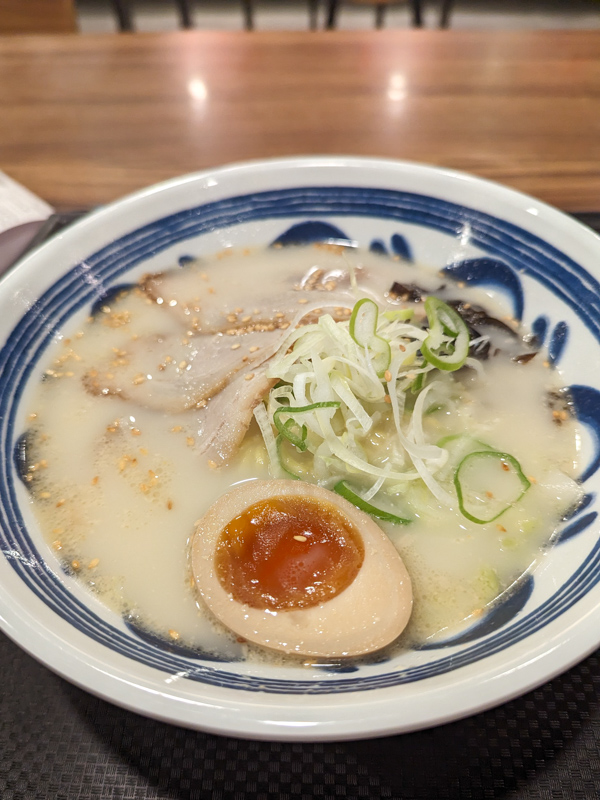
Noodle 5/35
Noodles used are medium thick and wavy. Honestly, it looks like instant noodles but nothing unexpected from a food court but a little underwhelming coming from a chain that’s by an ex-Santouka chef. The texture and bite of the noodle is average. Taste wise carries a bit of the “yellow noodle taste”.
Broth 10/35
The soup is watery and tasted more chicken than Tonkotsu. It has a target flat salty and savoury taste. Generally there’s not much distinctive character from this soup. Not that it’s bad or inedible but it’s a rather generic instant ramen taste.
Meat 15/20
The chashu however was pretty ok. It’s soft and tender. Marination was well balanced. It has a nice savoury taste that brings out the subtle sweetness of the meat.
Toppings 0/10
- Tamago. Texture wise and ok but over marinated and too salty.
- The other toppings are sesame, negi, black fungus, and cabbage. The sesame wasnt aromatic.
- The negi don’t taste good too – seems like a different kind of negi was used here.
- There’s some onion taste in it but not in a nice way.