WHAT WE ATE
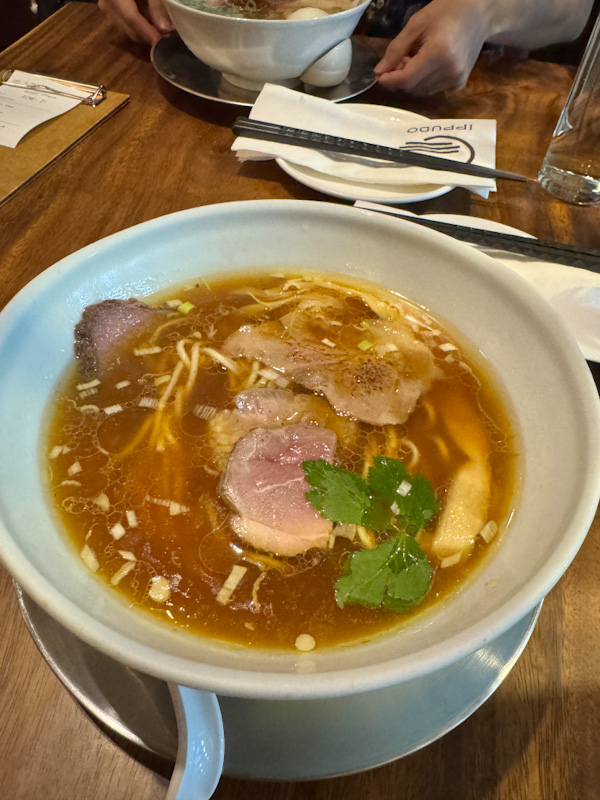
- Yuzu Shoyu Ramen, 20/100 (14 May 2026)
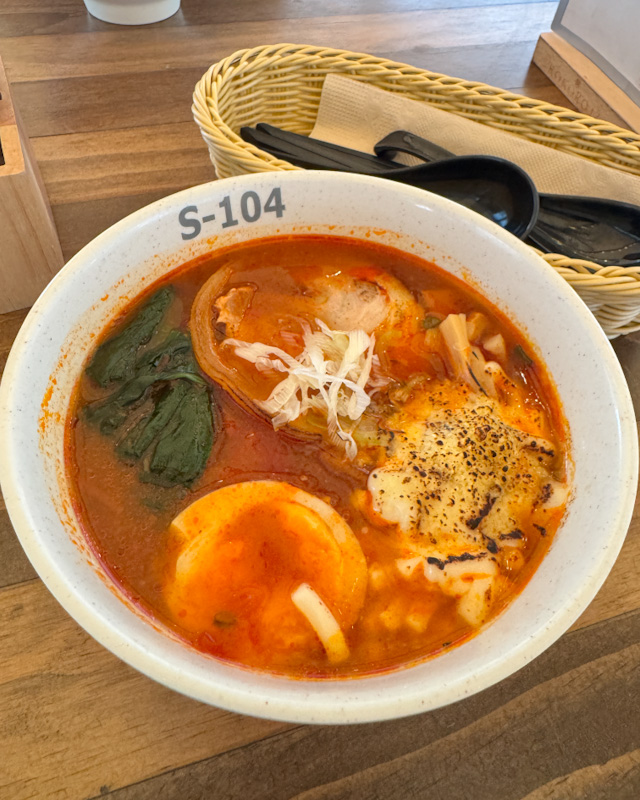
- Butashoga Tonkotsu, 45/100 (14 May 2026, Dhoby Ghaut, 19 August 2022, AMK)
- Black Tonkotsu, 25/100 (19 August 2022, AMK)
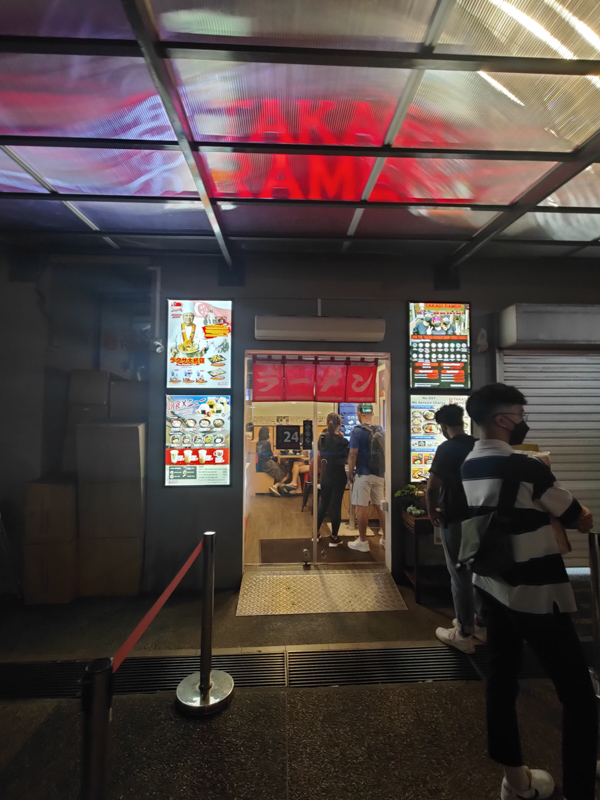
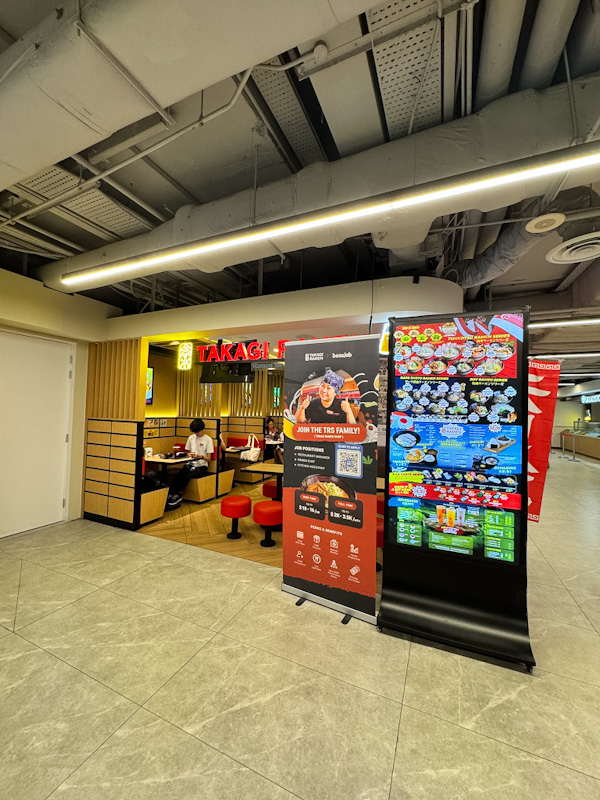
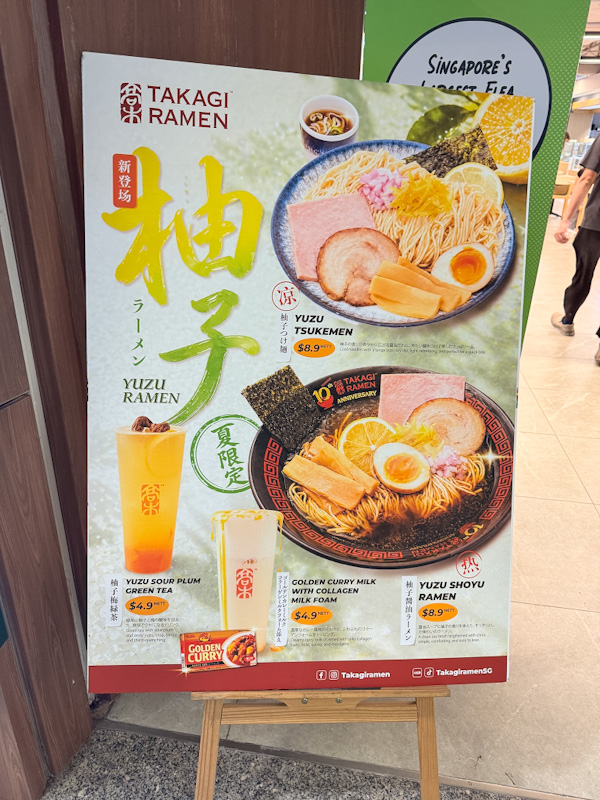
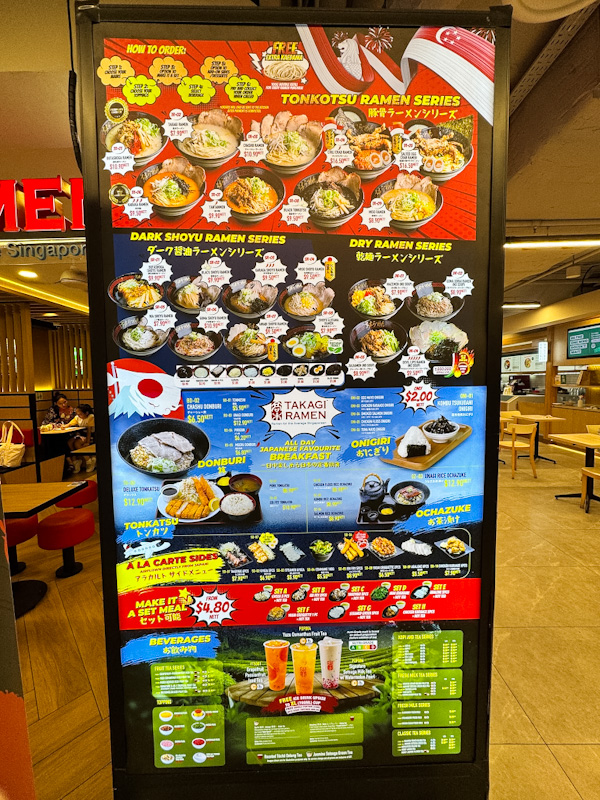
Singapore’s culinary landscape features an abundance of Japanese dining options, but few homegrown brands have integrated into the local heartlands quite like Takagi Ramen Singapore. Founded in 2015 as a modest food stall at the National University of Singapore (NUS), the brand has since scaled into a prominent islandwide network. Operating under the core philosophy of serving “ramen for the average Singaporean,” the establishment intentionally positions its outlets within residential suburbs and transit hubs rather than high-end commercial districts, aiming to make Japanese street food culture accessible to the broader public.
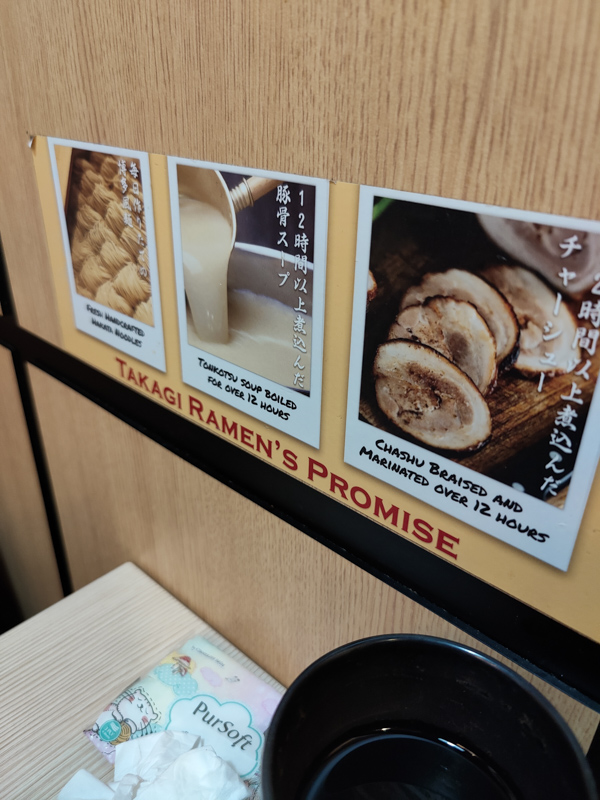
What makes this brand particularly notable within the local food scene is its unique operational model. A significant number of their branches operate 24 hours a day, adapting directly to the lifestyle of late-night diners and shift workers seeking hot meals outside conventional restaurant hours. From an educational standpoint, the menu centers on Hakata-style ramen, a regional Japanese variation traditionally characterized by its long-simmered tonkotsu pork broth and firm, straight noodles. The brand also honors the authentic Japanese practice of kaedama, offering patrons a complimentary extra portion of noodles to complete their meal.
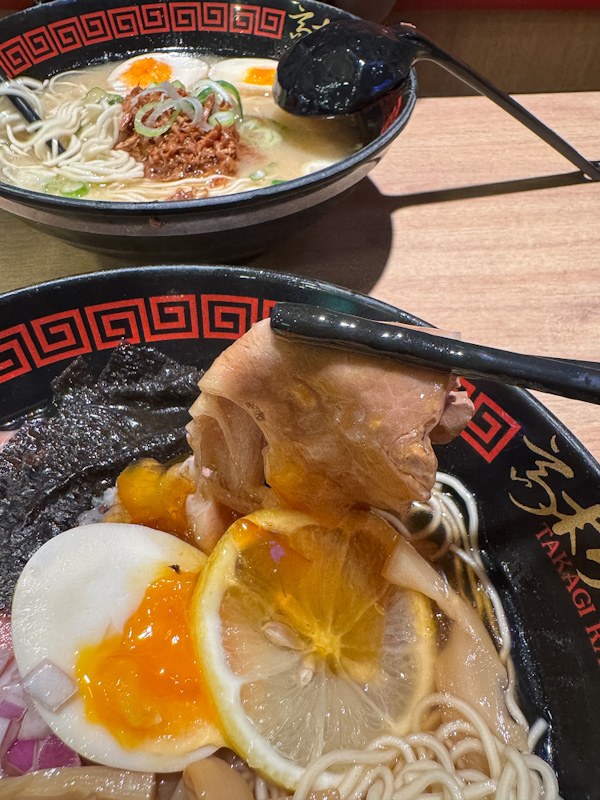
Yuzu Shoyu Ramen: 20/100
Noodle: 10/35
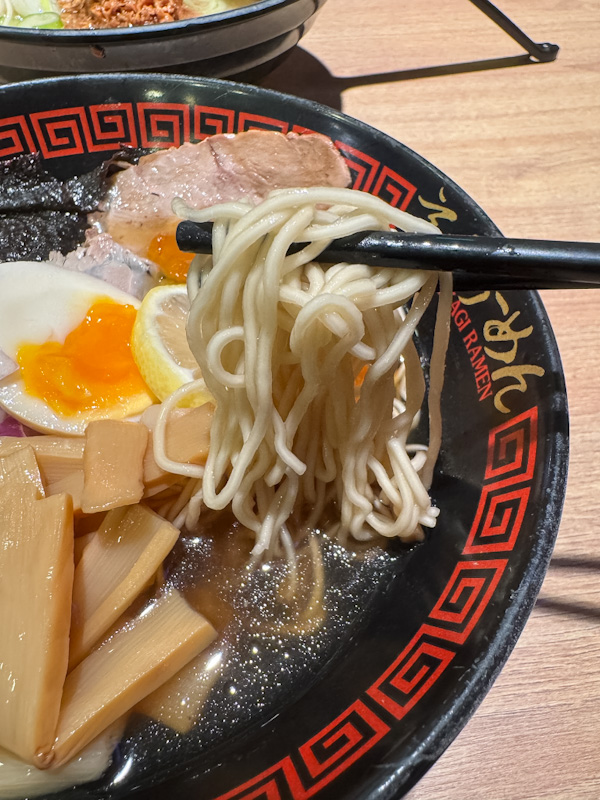
The kitchen utilizes a medium-thin noodle for this preparation. Unfortunately, the technical execution falls short right out of the gate. The texture is noticeably soft and soggy, entirely lacking the resilient tensile strength and al dente bite necessary to anchor a hot bowl of ramen. On the positive side, the noodles possess a clean, genuine wheat flavor with absolutely no unpleasant residual alkaline or kansui taste. However, a major issue arises with cohesion. The porous structure of the overcooked strands rapidly absorbs the intense sweetness of the surrounding broth, creating an incompatible pairing that compromises the integrity of the grain.
Soup: 0/35
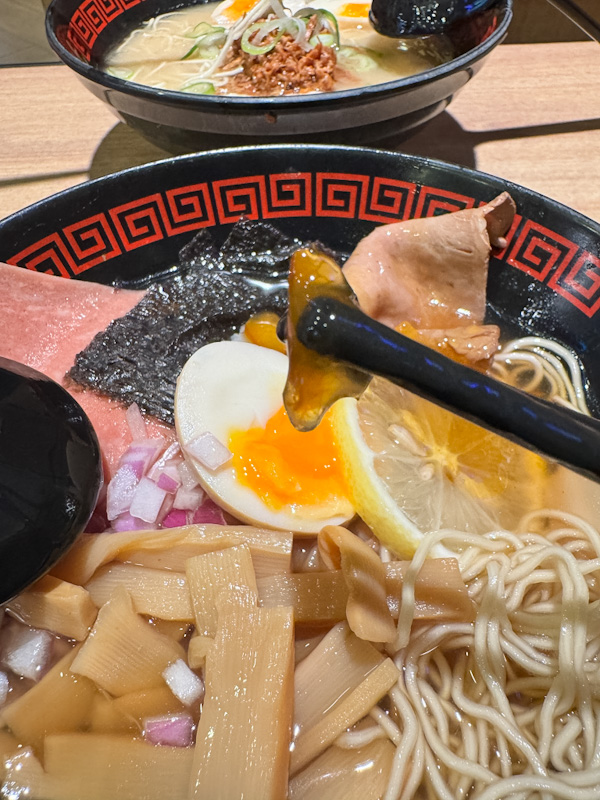
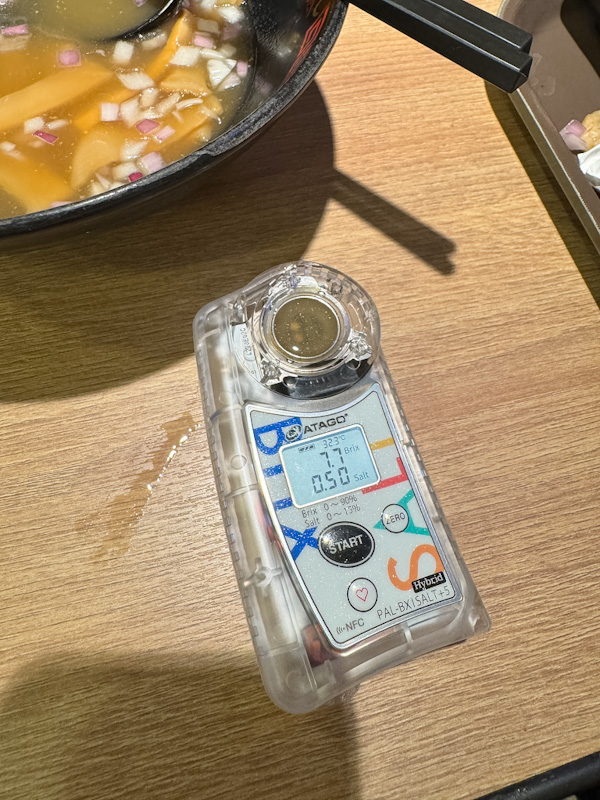
This broth composition is where the bowl faces its most critical technical failure. Evaluating the layers reveals a profound imbalance in formulation. The initial sip reveals a profoundly diluted base, instantly marred by a distinct, synthetic sweetener note. As the liquid moves across the palate, the body takes on a saccharine, syrupy consistency. The flavor profile mimics a sugary beverage, reminiscent of a commercial bubble tea or sweetened lemon tea rather than a savory, systematically layered shoyu. The finish delivers an abrupt, acrid bitterness that contrasts violently against the sweet body, sticking out like a sore thumb.
The integration of what appears to be a heavy-handed yuzu syrup dilutes the core soup characteristics, reducing a potentially delicate citrus-infused shoyu into a confusing, sugary liquid. It is a disastrous flavor experiment that fundamentally misunderstands the savory-acidic balance of authentic yuzu ramen.
Meat: 5/20
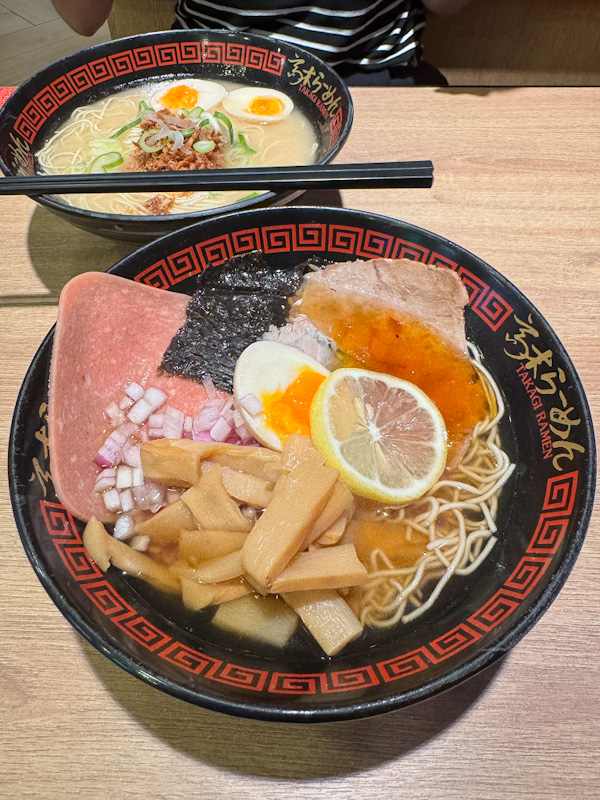
The hero protein consists of a large, single slice of chashu, though it is cut paper-thin. Composed almost entirely of lean meat, the lack of intramuscular fat rendering results in a tough, distinctly dry texture. The mouthfeel offers very little moisture or tenderness. In terms of flavor, the kitchen employs an incredibly light marination technique. While this minimalist approach successfully allows the natural flavor of the pork to come through without being masked, the protein lacks complexity. It is entirely functional, but ultimately uninspired.
Other Toppings: 5/10
The assorted garnishes provide a curious mix of textures and culinary directions.
- On the positive side, the bamboo shoots offer an excellent, clean crunch alongside pleasant savory notes, though they finish a bit too fibrous upon mastication.
- The inclusion of finely diced raw onion is a smart addition, injecting a sharp, piquant clarity that attempts to cut through the broth.
- Then comes a highly anomalous element: a thin slice of luncheon meat. While Western-style spam is intrinsically savory and comforting, its presence here feels entirely out of place within a traditional Japanese framework.
- The slice of soggy and flat seaweed that looks better than it tasted – lacks the associated umami flavor.
- The absolute highlight of the entire bowl is the half hanjuku egg. The execution here is masterful, featuring a perfectly set white and a rich, jammy yolk texture. The marination is deep and robust, demonstrating a highly controlled use of mirin that provides a brilliant blueprint of what this kitchen is capable of when executing foundational techniques.
Summary
This Yuzu Shoyu Ramen is a cautionary tale of concept over execution. While the hanjuku egg shows genuine kitchen capability and the noodle base starts with quality wheat, the bowl is ultimately derailed by a fundamentally flawed broth. Transforming a savory shoyu into a syrupy, beverage-like liquid breaks the core principles of ramen balance. There is a fine line between creative fusion and a culinary misstep, and this particular experiment requires a complete baseline reconfiguration before it can be recommended.
Butashoga Tonkotsu: 45/100
Noodle: 10/35
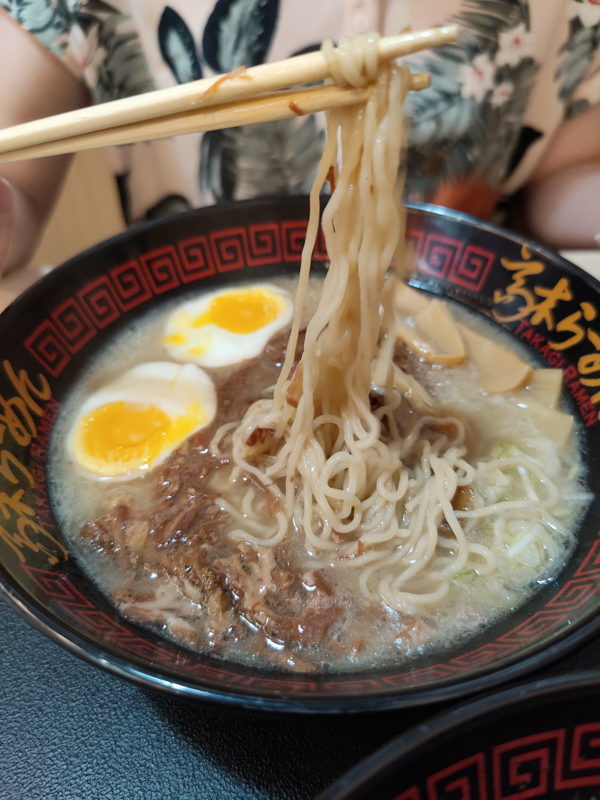
In our revisit, it is clear that the quality varies significantly across outlets. The noodles we found at the recent Dhoby Ghaut visit was a far cry from some better outlets. The medium-thin noodles have a curly appearance compared to the usual Tonkotsu ramen. They have a rather soft and flat chew, and while the flavour was ok, the sogginess distracts one from the overall experience.
Soup: 20/35
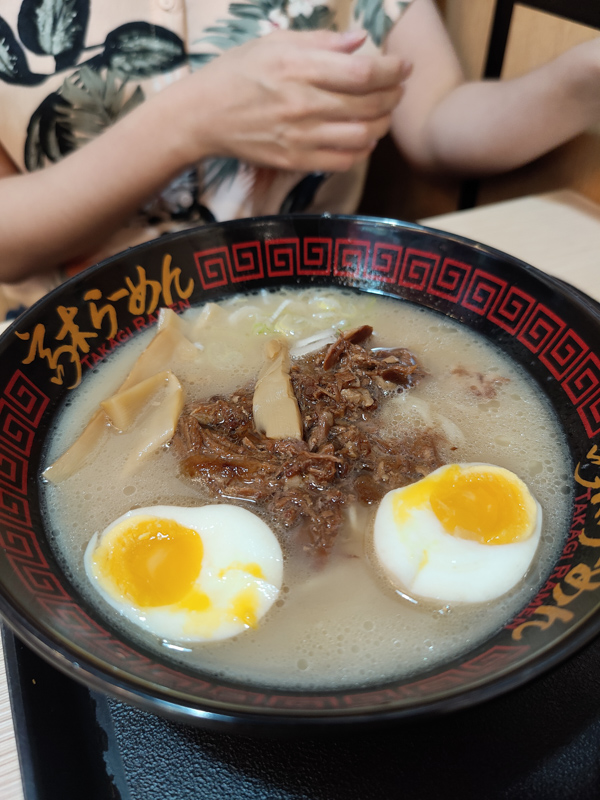
The broth is a combination of Shio and Tonkotsu, creating a mild creaminess that blends well. However, it lacks the richness typically found in traditional Tonkotsu broth. Overall, the soup falls a bit flat in terms of taste.
Meat: 10/20
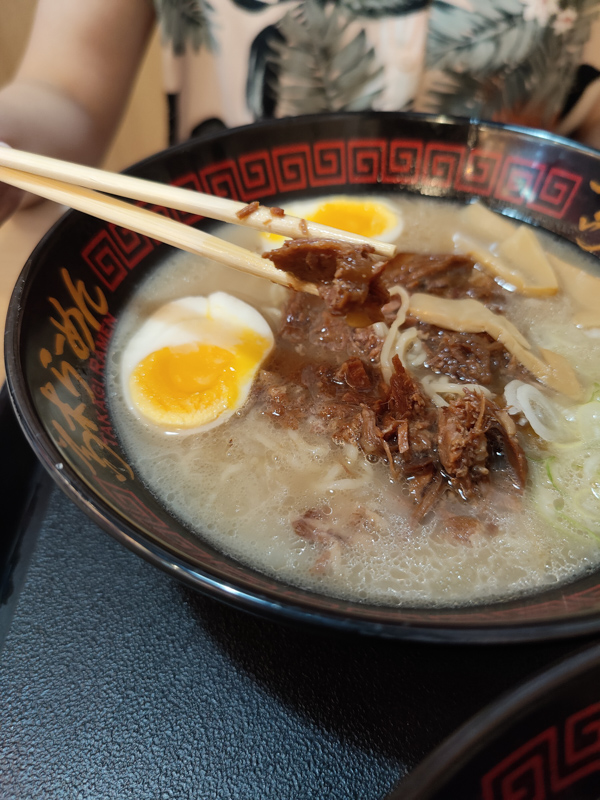
The meat consists of brown crumbs that may seem unassuming but surprisingly deliver in terms of flavor. They are nicely braised and complement the dish. However, the texture feels slightly dry.
Other Toppings: 5/10
The egg has improved from our last visit. The remaining toppings include bamboo shoots and spring onions. The bamboo shoots are decent, tender without any strong flavors. Other than that, nothing particularly stands out.
Summary
Scoring a middle-of-the-road, the Butashoga Tonkotsu presents a deeply average bowl where the execution fluctuates between pleasant structural surprises and an underwhelming foundation. The undeniable highlight of the dish rests in the unconventional protein selection. Despite their unassuming appearance and slightly dry texture, the braised brown meat crumbs deliver a surprisingly robust flavor profile that anchors the dish. This is complemented by a welcome technical improvement in the egg compared to past visits, alongside tender, non-obtrusive bamboo shoots and fresh spring onions.
However, the fundamental pillars of the bowl ultimately hold it back from achieving true excellence. While the medium-thin, curly noodles offer a commendable, resilient chew, their inherent flavor profile remains noticeably uninspiring. This lack of depth is further compounded by the soup base. The hybrid Shio-Tonkotsu blend manages to achieve a mild, accessible creaminess, yet it completely lacks the rich, gelatinous depth expected of a traditional Tonkotsu framework. The resulting broth feels flat on the palate, leaving this particular creation as a functional, unoffensive option that simply lacks the culinary weight to stand out.
Black Tonkotsu: 25/100
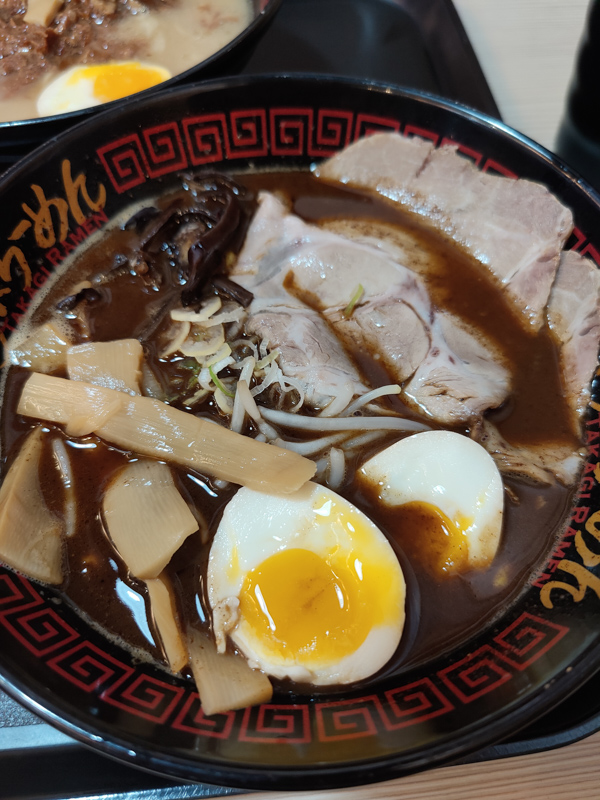
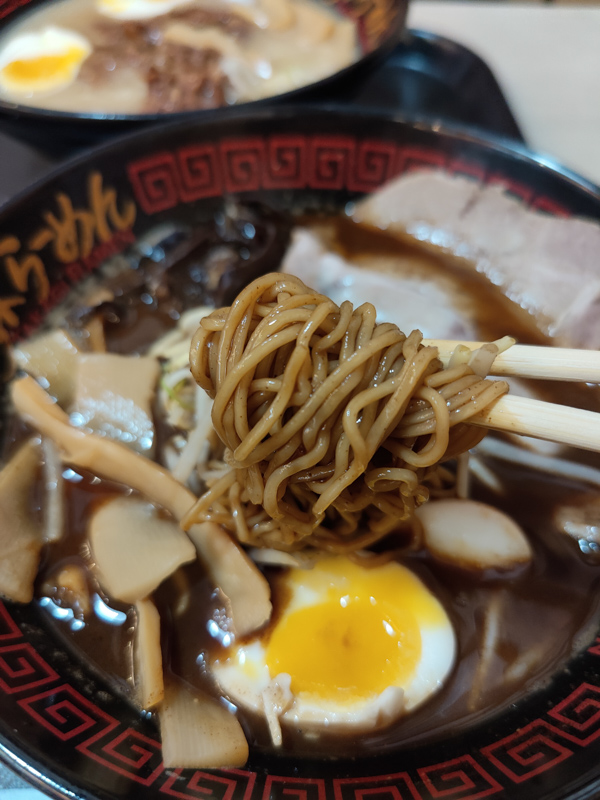
Noodle: 20/35
The noodles remain the same as before—medium-thin and more curly than your average Tonkotsu ramen. They have a decent chew, but the flavor is somewhat lacking.
Soup: 0/35
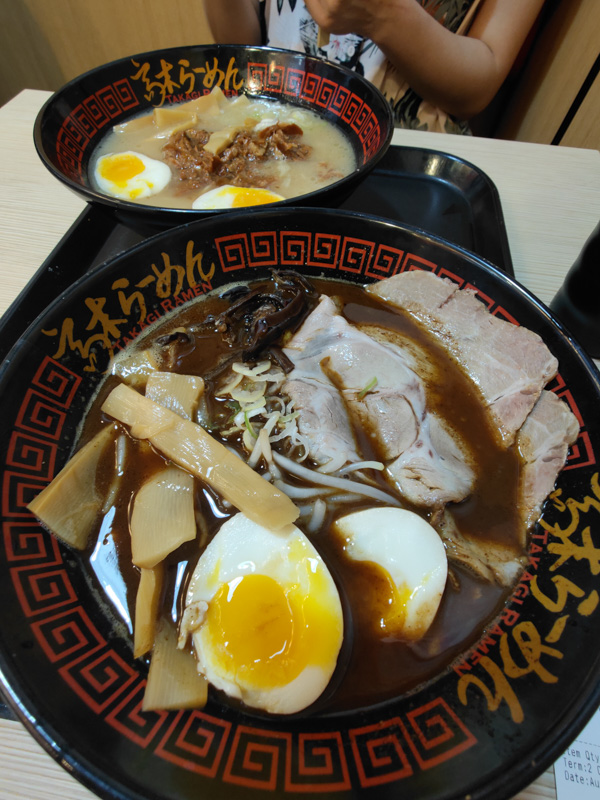
The menu describes the broth as having the aroma of “slow-roasted garlic,” but the actual taste falls short. There is no trace of garlic aroma, only a flat bitterness followed by a hollow aftertaste reminiscent of black soy sauce. The broth’s thin consistency, combined with the black dye saturating the noodles, suggests a possible misstep in its preparation.
This burnt bitterness is a common characteristic in some Black Tonkotsu variations, with Nansuttei being a notable example. However, Takagi’s version fails to impress.
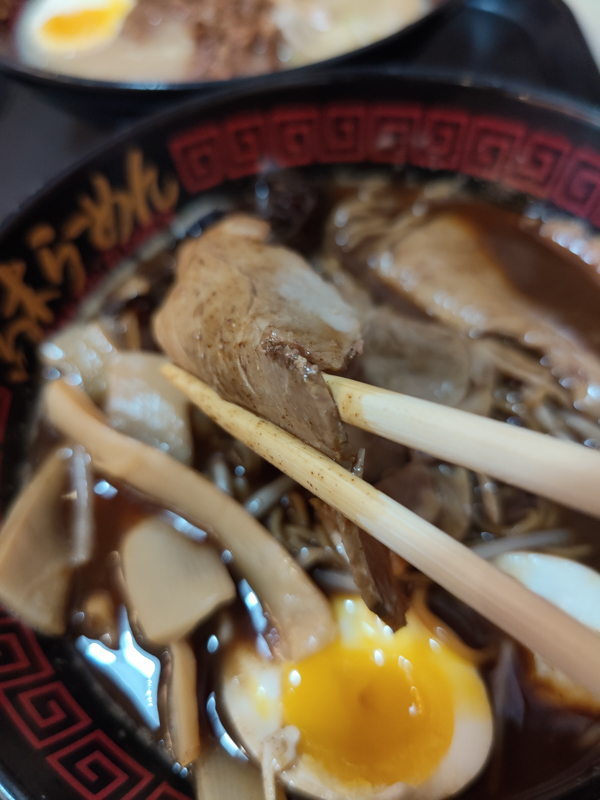
Meat: 5/20
The thinly sliced Chashu has a satisfying firm texture, but it lacks a distinctive flavor. While the porky odor is well-managed, it doesn’t deliver a memorable taste.
Other Toppings: 0/10
The eggs suffer from being under-marinated and have a watery texture around the yolk. The black fungus also carries a hint of water taste, and the beansprouts are completely overwhelmed by the broth, making it impossible to appreciate their flavor.
Summary
The Black Tonkotsu stands as a profound technical failure where nearly every element collapses under a lack of execution. The primary culprit is the broth. Promised to deliver the rich aroma of slow-roasted garlic, it instead presents a flat bitterness and a hollow aftertaste reminiscent of unrefined black soy sauce. While a charred bitterness can be a deliberate stylistic choice in celebrated black garlic variations like Nansuttei, this version feels like a severe preparation error, resulting in an unpleasantly thin consistency that aggressively dyes the other ingredients.
The surrounding components fail to salvage the bowl. The medium-thin, curly noodles offer a passable chew but lack any intrinsic flavor. Similarly, the thinly sliced chashu provides a firm texture and keeps gamey odors at bay, yet it remains entirely unmemorable. The ancillary toppings collapse completely, featuring under-marinated eggs with watery yolks, diluted black fungus, and beansprouts that are utterly smothered by the acrid broth. It is an uninspired, structurally flawed bowl that requires a complete operational reset.
DISCLAIMER
One man’s meat is another man’s poison.
Find out more about our palettes and how we evaluate our ramen here. 😉